
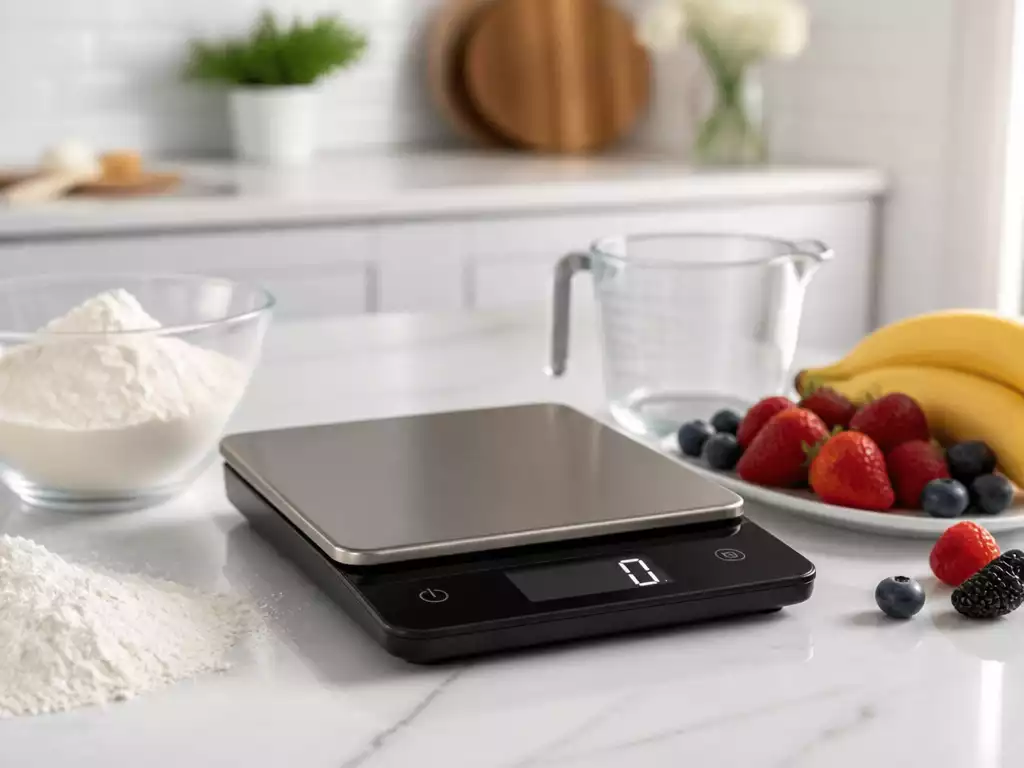
Choosing the right kitchen scale can elevate your cooking, but what should you look for? Understanding key features will help ensure your culinary success. Here are essential insights to guide your decision.
What You Will Learn
- Accurate measurements lead to consistency in recipes, making your dishes turn out perfectly every time.
- Digital scales offer precise readings and convenient features like tare functions, while mechanical scales are eco-friendly and robust.
- Even small variances in weight can significantly affect the outcome of your baking; precision is crucial.
- Key features to consider when choosing a scale include accuracy, tare function, capacity, and display clarity.
Key Features to Consider When Choosing Kitchen Scales
When it comes to enhancing your cooking skills, an accurate kitchen scale is one of the best tools you can invest in! Not only does it help you follow recipes to the letter, but it also ensures that your portions are consistent. This is essential whether you’re baking a delicate soufflé or preparing a healthy meal plan.
By focusing on the right features, you can find a kitchen scale that fits your needs perfectly. Let’s explore why an accurate scale matters, the different types available, and the importance of precision in cooking!
Why an Accurate Kitchen Scale Matters for Your Cooking
Using an accurate kitchen scale can transform the way you cook. When I first started my culinary journey, I quickly learned the difference between measuring by volume and weight. Here are some reasons why precision matters:
- Consistency in recipes: Accurate measurements ensure your dishes turn out the same every time.
- Better baking results: Many baking recipes rely heavily on weight for success.
- Healthier meals: For those counting calories or tracking macros, exact weights can help you stay on track.
In my experience, switching to weight measurements improved my baking significantly! I recommend that anyone looking to elevate their cooking game invests in a good scale. For more tips on precise measurements, check out our guide on how to use a kitchen scale for accurate measurements.
Exploring Different Types of Kitchen Scales: Digital vs. Mechanical
When selecting a kitchen scale, you’ll mainly encounter two types: digital and mechanical. Each has its pros and cons, and understanding these can help you make an informed decision:
- Digital Scales: These offer precise measurements and often come with features like tare functions and memory settings.
- Mechanical Scales: These are often more robust and don’t require batteries, making them an environmentally friendly choice.
While I appreciate the classic charm of mechanical scales, the convenience of digital options has won me over. Consider what fits your cooking style and kitchen aesthetic best! If you’re curious about the latest innovations, read our article on innovative features in modern scales.
Weight Measurement: Understanding the Importance of Precision in Cooking
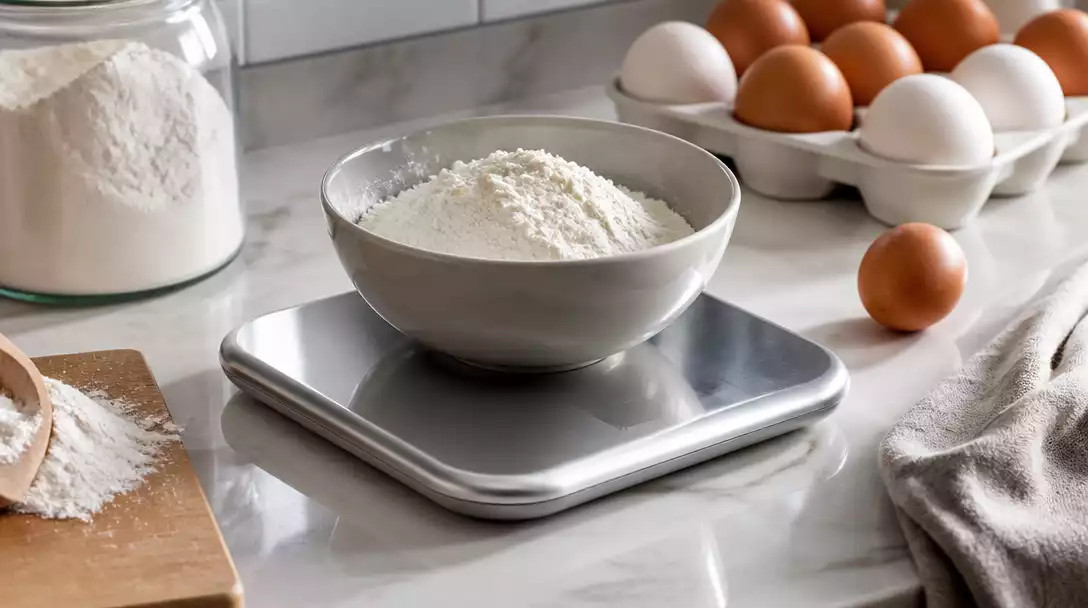
Precision in weight measurement is crucial for achieving the best flavors and textures in your dishes. A small variance in ingredient weight can lead to big differences in the outcome, especially in baking!
- Flour: Too much can lead to dry, crumbly baked goods.
- Sugar: The right amount impacts sweetness and texture.
- Fats: Accurate measurements are essential for moistness and flavor.
This is one of the primary reasons I always emphasize the need for a reliable scale. It’s not just a luxury; it’s a necessity for anyone serious about their cooking!
We Want to Hear From You!
What do you consider the most important feature when choosing a kitchen scale? Share your thoughts below:
Frequently Asked Questions About Kitchen Scales
Here are some common questions about choosing and using kitchen scales:
- Why is an accurate kitchen scale important for cooking?
An accurate kitchen scale ensures consistency in recipes, improves baking results, and helps with healthier meal preparation by providing exact ingredient weights for calorie or macro tracking. - What are the main types of kitchen scales?
The two main types are digital scales, which offer precise measurements and features like tare functions, and mechanical scales, which are robust and don’t require batteries. - Why is precision crucial in weight measurement, especially for baking?
Even small variations in ingredient weight can significantly alter the outcome of a dish, particularly in baking. For example, too much flour can lead to dry baked goods, while the right amount of sugar affects sweetness and texture. - What key features should I look for when buying a kitchen scale?
Key features include high accuracy, a tare function (to zero out container weight), adequate capacity for your needs, and a clear, easy-to-read display. - Where can I buy a good kitchen scale?
You can find kitchen scales at local kitchenware stores, major online platforms like Amazon, and brand-specific websites. Always check reviews and return policies when shopping online.
Making the Right Choice: Your Kitchen Scale Journey
Choosing the right kitchen scale can transform your cooking experience! As I dive into the essential features, I want to summarize some key aspects that will guide you toward a confident purchase. A well-chosen kitchen scale not only improves accuracy but also enhances your culinary creativity.
Remember to focus on the features that matter most to you. Whether it’s the precision of measurements, the type of display, or even the scale’s capacity, understanding your specific needs is vital for the decision-making process.
Summarizing Key Features for a Confident Purchase
There are several critical features to keep in mind when selecting a kitchen scale. Here’s a quick overview of what you should consider:
- Accuracy: Look for models that provide precise measurements, especially if you bake frequently.
- Tare function: This handy feature allows you to subtract the weight of containers for more accurate results.
- Capacity: Ensure the scale can handle the weight of the ingredients you’ll be measuring.
- Display: Choose a model with a clear, easy-to-read screen for hassle-free use.
Each feature plays an important role in ensuring you get the best results in your kitchen. Personally, I’ve found that a scale with a good tare function makes my baking process much smoother! You might also find our discussion on common issues with kitchen scales and how to fix them helpful.
Final Thoughts on Choosing the Right Kitchen Scale for You
In the end, the right kitchen scale is one that fits seamlessly into your cooking routine. Take the time to assess your cooking habits and needs. Do you bake often? Are you into meal prep? Or perhaps you’re measuring ingredients for healthy recipes? All these aspects will guide your choice.
When I chose my kitchen scale, I considered my baking habits. I needed something that could handle both small and large quantities. Finding the right fit for you might take a bit of time, but it’s worth every moment!
Take Action: Find Your Perfect Kitchen Scale Today
Where to Shop for Your Ideal Scale: Recommended Retailers and Online Shopping Tips
Ready to find your perfect kitchen scale? There are many places to shop, both online and in-store. Here are a few recommended retailers to consider:
- Local kitchenware stores: Great for hands-on inspection.
- Major online platforms like Amazon: Wide selections and customer reviews help in making informed choices.
- Brand-specific websites: Often have the latest models and exclusive deals.
When shopping online, don’t forget to read reviews and check the return policy. It’s always a good idea to ensure you can return or exchange the scale if it doesn’t meet your expectations!
Join the Conversation: Share Your Kitchen Scale Experiences
I’d love to hear about your experiences with kitchen scales! Sharing tips and stories can really help others make informed decisions. How has your scale made a difference in your cooking? What features do you swear by? Join the conversation and let’s learn from each other!
Feel free to reach out with your thoughts, and let’s keep the kitchen scale discussion going!
Recap of Key Points
Here is a quick recap of the important points discussed in the article:
- Importance of Accuracy: An accurate kitchen scale ensures consistency in recipes, better baking results, and healthier meal preparations.
- Types of Scales: Consider the differences between digital and mechanical scales to find the best fit for your cooking style.
- Precision Matters: Accurate weight measurements are crucial for ingredients like flour, sugar, and fats, especially in baking.
- Key Features to Look For: Focus on accuracy, tare function, capacity, and display when choosing a scale to enhance your cooking experience.
- Shopping Tips: Explore local kitchenware stores, major online platforms, and brand-specific websites for the best options and deals.





