Many individuals feel overwhelmed by traditional weight measurement methods, often becoming fixated on numbers. However, there are alternative ways to monitor your health that emphasize overall wellness instead. By exploring these methods, you can stay engaged in your health journey without the anxiety that comes with stepping on a scale.
What You Will Learn
- Waist measurements can provide reliable insights into your health status, emphasizing the importance of body composition.
- Changes in clothing fit are a tangible way to assess progress without relying on numbers.
- Progress photos serve as an effective visual tracking method, capturing your transformation over time.
- Body fat calipers can help you understand changes in body composition beyond just weight.
- Innovative techniques, such as water displacement, offer unique perspectives on body measurement and composition.
- Utilizing fitness trackers and health apps can enhance your self-monitoring efforts, helping you stay engaged with your health journey.
Practical Methods for Estimating Your Weight Without a Scale
Many of us have faced the anxiety that comes from stepping on a scale. It can be daunting, especially when our focus should be on overall health rather than just numbers. Exploring alternatives for weight measurement can empower individuals, allowing them to gauge their progress without the stress of a scale.
By adopting methods that emphasize wellness over numbers, we can engage more meaningfully in our health journeys. Whether you’re aiming for fat loss, muscle gain, or simply wishing to maintain your current status, finding approaches that resonate with you is crucial!
Alternative Weight Measurement Methods
- Waist Measurement
- Clothing Fit
- Progress Photos
- Body Fat Calipers
- Innovative Techniques
- Fitness Trackers and Health Apps
These methods offer a variety of ways to monitor your health and fitness, giving you the chance to track changes without the mental burden of a number on a scale.
Waist Measurement: A Reliable Indicator of Health
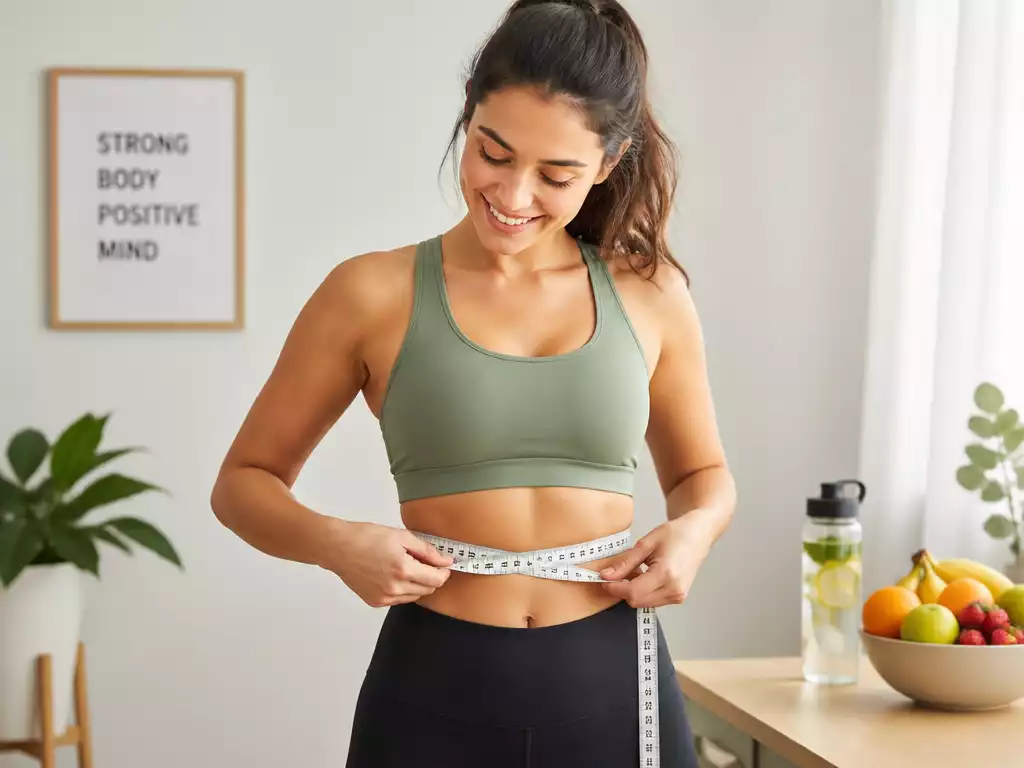
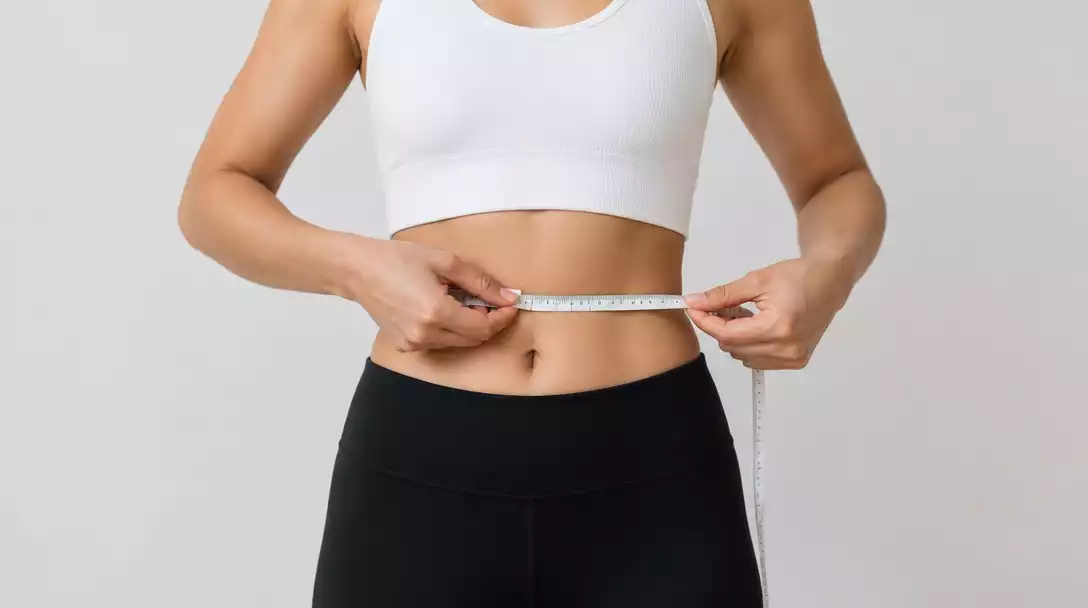
Measuring your waist circumference is a straightforward and effective way to assess your health. To ensure accuracy, you should measure around your natural waist, which is usually located just above your belly button. Make sure the tape measure is snug but not digging into your skin!
It’s best to measure at the same time each day and under similar conditions—this helps in maintaining consistency. Recording these measurements over time can provide valuable insights into your health journey. For more detailed guidance, consider exploring how to measure your body accurately.
Evaluating Progress with Clothing Fit and Body Composition
Changes in how your clothes fit can be a powerful indicator of weight fluctuations. Choose a few outfits that you consider your “reference” clothing and pay attention to how they feel over time. Are they tighter or looser? This can be a more tangible way of assessing your progress, especially if you don’t like numbers!
- Select a few outfits that you know well.
- Note how they fit now compared to a few weeks ago.
- Consider the importance of understanding body fat percentage.
Focusing on body composition rather than just weight can help you appreciate changes in your fitness, whether they reflect muscle gain or fat loss.
Visual Tracking: The Power of Progress Photos and Mirror Checks
Taking progress photos offers a visual narrative of your journey. Over time, these snapshots can reveal changes that the scale might obscure. Stand in the same spot, wear similar clothing, and take photos at regular intervals to document your transformation.
A daily or weekly mirror check can also serve as a helpful reminder of your achievements. Noticing subtle changes in your physique can boost your confidence and reinforce your commitment to your health goals!
Body Fat Calipers: Measuring Changes in Body Composition
Body fat calipers are a useful tool for tracking changes in your body composition. To use them effectively, pinch the skin at various sites on your body, then record the measurements. This can help you understand where you’re gaining or losing fat rather than simply focusing on weight.
Using calipers can provide a clearer picture of your health journey and help you celebrate non-scale victories, such as increased muscle definition or fat loss.
Innovative Techniques: Water Displacement and Other Novel Methods
Some creative methods to estimate weight include water displacement techniques. This method measures how much water you displace when you submerge your body, providing insights into body composition.
- Water displacement: a unique approach for body composition estimation.
- Balance techniques: standing on one leg can indicate balance and muscle distribution.
- Comparing traditional methods to these innovative techniques can yield interesting insights.
These methods may not be as widely recognized, but they can offer additional perspectives on body measurement!
The Role of Fitness Trackers and Health Apps in Weight Estimation
In today’s digital world, fitness trackers and health apps are invaluable for estimating body measurements and tracking your progress. These tools can help you record your waist measurements, document clothing fit, and even take progress photos.
Utilizing technology can enhance your self-monitoring efforts. Many apps offer insights into body composition and help you stay engaged with your health journey! To learn more about how technology can assist in your health journey, see our article on the best smart scales for weight loss.
Pro Tip
To enhance your weight estimation journey, consider keeping a dedicated health journal. Document your measurements, how your clothes fit, and your feelings about your progress. This not only helps track changes but also provides motivation and accountability on your path to wellness!
Frequently Asked Questions About Weight Estimation Without a Scale
- Q: Why should I estimate my weight without a scale?
- A: Estimating your weight without a scale can reduce anxiety associated with numbers and help you focus on overall health and body composition rather than just weight fluctuations. It encourages a healthier relationship with your body.
- Q: How can waist measurement provide insights into my health?
- A: Waist circumference is a reliable indicator of health because it reflects abdominal fat, which is linked to various health risks. Consistent measurement helps track changes in body composition over time.
- Q: Are progress photos truly effective for tracking changes?
- A: Yes, progress photos offer a powerful visual narrative of your transformation. They can reveal changes in muscle tone, body shape, and fat distribution that a scale might not capture, boosting motivation and confidence.
- Q: What are body fat calipers used for?
- A: Body fat calipers are used to measure skinfold thickness at various body sites, helping you estimate your body fat percentage. This provides a clearer picture of changes in body composition (fat loss or muscle gain) compared to just overall weight.
- Q: How do fitness trackers and health apps assist in weight estimation?
- A: Fitness trackers and health apps can help you record and track various metrics like waist measurements, log clothing fit observations, and store progress photos. Many also offer insights into body composition and overall health trends, keeping you engaged with your journey.
Summarizing Effective Weight Estimation Techniques
In this article, we’ve explored various methods for estimating weight without relying on a scale. These techniques not only help you monitor your progress but also encourage a healthier relationship with your body. From waist measurements to body fat calipers, each method has its unique benefits.
Utilizing clothing fit, progress photos, and innovative measuring techniques like water displacement can provide valuable insights into your body’s changes. As we focused on these alternative approaches, remember that they can serve as practical tools for assessing your health.
- Waist circumference for health insights
- Clothing fit changes as indicators
- Visual tracking through progress photos
- Body fat calipers for composition analysis
- Creative methods like water displacement
Each of these methods contributes to a holistic view of health, helping you focus on what really matters—your overall well-being! Understanding how body fat percentage is measured can further enhance this holistic approach.
Encouragement for Self-Monitoring and Health Tracking
I encourage you to embrace these methods for ongoing self-monitoring, placing greater importance on your health than just numbers. It’s all about understanding your body and finding what feels best for you! By focusing on wellness, you can create a positive impact on your journey.
Remember, self-monitoring is more than just a task; it’s a commitment to yourself. Whether you’re tracking changes through waist measurements or simply noticing how your clothes fit, each step is essential for your progress.
Engaging with Your Progress: Share Your Experiences
Your journey is unique, and I’d love to hear about it! Consider documenting your experiences, whether through photos, journals, or even sharing on social media. Engaging with a community can foster support and motivation for everyone involved.
- Take regular progress photos
- Keep a journal of your journey
- Share milestones on social media
When we share our stories, we not only celebrate our successes but also inspire others to take charge of their health journeys. Let’s build a supportive community together!
Call to Action: Explore Your Weight Tracking Options and Sustainable Habits
I invite you to experiment with these different weight estimation methods. Find what resonates with your lifestyle and goals! Remember, health is a personalized journey, and discovering sustainable habits can lead to lasting changes.
As you explore these options, be open to adjusting your approach based on your progress and needs. Each method is a tool at your disposal, designed to help you create a healthier, happier you!
Recap of Key Points
Here is a quick recap of the important points discussed in the article:
- Use waist measurements to gain insights into your health.
- Monitor changes in clothing fit as a tangible indicator of progress.
- Take progress photos regularly to visually track your transformation.
- Utilize body fat calipers for a clearer understanding of body composition.
- Explore creative methods like water displacement for additional measurement perspectives.