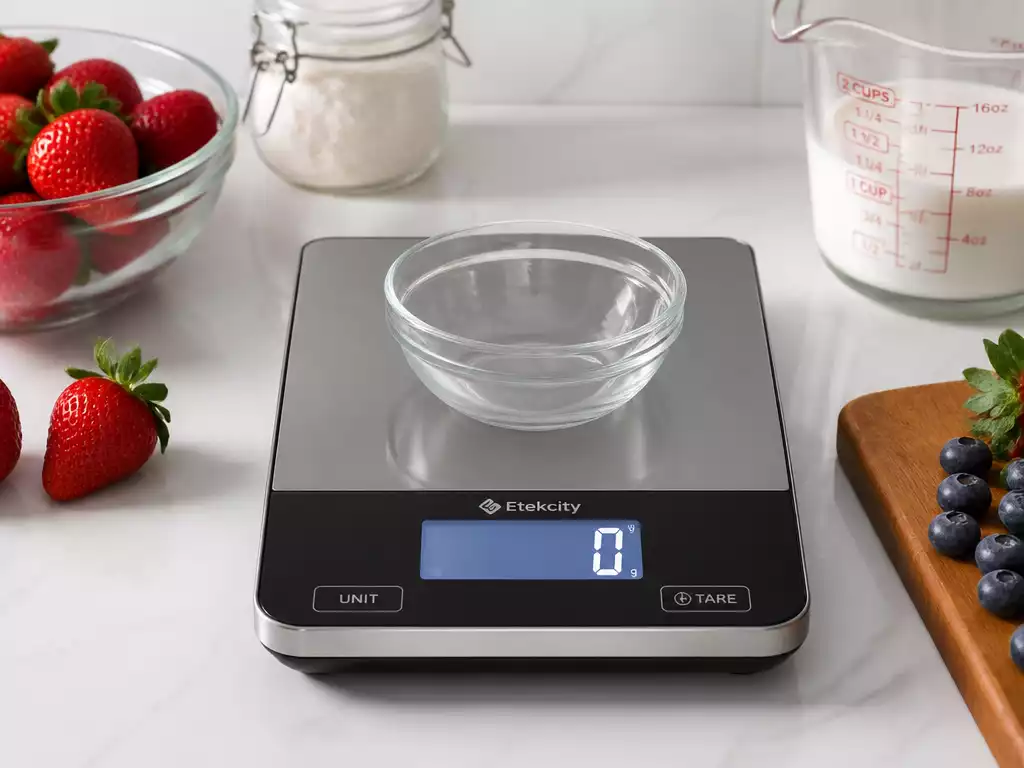
Choosing the right weighing scale can significantly impact various aspects of your life, from health management to culinary success. Understanding the nuances of these tools empowers you to make informed choices that enhance your daily routines.
What You Will Learn
- Weighing scales convert physical weight into numerical values, crucial for various applications.
- Mechanical, digital, and smart scales each have unique features suited for different needs.
- Accurate weight measurement is essential for health monitoring, cooking, and shipping logistics.
- Understanding scale capacity and limits helps prevent damage and ensures accurate readings.
- Regular maintenance and proper use enhance the longevity and accuracy of your scale.
Basics of Weighing Scales
Weighing scales are essential tools in our daily lives, helping us determine the weight of various objects, from groceries to personal health. But what exactly is a weighing scale? At its core, a weighing scale is an instrument that measures weight or mass, often using different mechanisms to achieve accurate results. Understanding how these tools function can help us appreciate their importance and application in various contexts.
Whether you’re stepping on a scale to monitor your health or using one for cooking or shipping, the fundamental principle remains the same: these devices convert a physical weight into a numerical value that we can easily interpret. For instance, a digital scale uses electronic sensors to provide precise measurements, while a mechanical scale relies on physical components to indicate weight.
What Is a Weighing Scale and How Does It Work?
A weighing scale operates based on basic physical principles, often utilizing gravity to measure weight. Different types of scales function differently; however, they all aim to achieve one goal: providing you with an accurate weight reading. Most commonly, weighing scales fall into two categories: mechanical and digital.
- Mechanical Scales: Use springs or levers to indicate weight.
- Digital Scales: Use electronic sensors to display weight digitally.
- Smart Scales: Connect to apps for more detailed analysis and tracking.
Each type of scale has unique features and benefits. For instance, mechanical scales require no batteries, making them great for basic use. On the other hand, digital and smart scales often offer more advanced features, such as body composition analysis, which can be quite useful when tracking your health over time.
The Importance of Weight Measurement in Everyday Life
Weight measurement plays a crucial role in various aspects of our lives, from healthcare to cooking. For example, tracking your weight can help you maintain a healthy lifestyle or manage specific health conditions. Similarly, accurate measurements in cooking are vital for achieving the best results in recipes.
- Health Monitoring: Keeping track of body weight is important for overall well-being.
- Culinary Precision: Accurate weights ensure recipes turn out as intended.
- Shipping and Logistics: Proper weight measurements are essential for determining shipping costs.
At my business, we often emphasize the significance of using the right scale for each task. This simple tool can make a significant difference, whether you’re tracking your health or ensuring that your kitchen creations are spot on!
Exploring Different Scale Types: Digital, Mechanical, and Smart
When it comes to selecting a weighing scale, understanding the various types available can help you make an informed choice. Here’s a brief look at the most common types of scales: digital, mechanical, and smart scales.
- Digital Scales: Provide quick, accurate readings and often come with additional features like memory storage or body fat measurement.
- Mechanical Scales: Typically more straightforward, these scales don’t require batteries and can last for years with minimal upkeep.
- Smart Scales: Integrate with mobile apps to track not just weight but also metrics like BMI, muscle mass, and more.
Choosing the right scale depends on your specific needs. For instance, if you’re tech-savvy and enjoy using data to track your health, a smart scale might be the best option. However, if you prefer simplicity and reliability, a mechanical scale could be all you need!
Pro Tip
Did you know? Regularly calibrating your weighing scale is essential for maintaining accuracy. A simple calibration can ensure that your scale provides precise readings, which is particularly important for health tracking or cooking! Consider investing in a calibration weight to check your scale’s accuracy frequently.
Summarizing the Functionality of Weighing Scales
Weighing scales play a crucial role in accurately measuring weights and ensuring that we make informed decisions based on those measurements. Understanding how these devices function is essential for anyone looking to choose the right scale for personal or professional use. Here are some key takeaways about how scales measure weight:
- Different types of scales use distinct mechanisms, including balance, spring, and digital technologies.
- Accurate measurement relies on understanding the scale’s calibration and weight limits.
- Regular maintenance and proper usage can enhance the longevity and accuracy of your scale.
When selecting a scale, it’s important to consider the specific features that meet your needs. Whether it’s for body weight, cooking, or industrial applications, knowing the functionality of your chosen scale can save you time and effort.
The Importance of Choosing the Right Scale for Your Needs
Choosing the right weighing scale is essential for achieving accurate results. Different contexts—like home usage, commercial settings, or scientific laboratories—require distinct characteristics in a scale. Here are some considerations to keep in mind:
- Purpose: Define what you need the scale for—be it dietary tracking, shipping products, or scientific experiments.
- Capacity: Ensure that the scale can handle the maximum weight you expect to measure.
- Precision and accuracy: Look for scales that provide the necessary precision for your specific applications.
Taking the time to evaluate these factors can help you select a scale that not only meets your expectations but also enhances your overall experience. I often share with my clients that a well-chosen scale can make all the difference in accuracy and functionality!
Scale Capacity and Weight Limits
Every weighing scale has a defined capacity, which is the maximum weight it can accurately measure. Exceeding this limit not only results in inaccurate readings but can also damage the scale. Here’s a quick look at how to determine scale capacity:
- Check the manufacturer’s specifications for weight limits.
- Consider the weight range that you’ll typically be measuring.
- Look for additional features like overload indicators, which warn you when weight exceeds the limit.
Being aware of these factors ensures you are using your scale safely and effectively. At my business, we often emphasize the importance of checking these specifications—especially for clients who are using scales in industrial or commercial settings!
Engaging with Weighing Scales: Next Steps
Considerations for Accurate Weight Measurement at Home
When it comes to weight measurement at home, accuracy is key! Follow these simple tips to ensure you’re getting the most reliable readings:
- Place your scale on a flat, hard surface for the best accuracy.
- Calibrate your scale regularly, especially if you notice discrepancies in readings.
- Always weigh yourself at the same time of day for consistent results.
These practices can greatly enhance the reliability of your readings. I always encourage my customers to develop a routine that incorporates these considerations to maintain accuracy!
Resources for Further Exploration and Scale Selection
If you’re looking to dive deeper into the world of weighing scales, there are plenty of resources available. I often recommend checking out:
- Manufacturer websites for detailed product specifications and user manuals.
- Online forums and communities where scale users share experiences and tips.
- Educational videos and articles that demonstrate how to use various types of scales effectively.
Exploring these resources can empower you to make a more informed choice when selecting your weighing scale. Plus, they can provide insights that go beyond just the basics!
Maintenance Tips for Ensuring Scale Accuracy
To keep your scale functioning optimally, regular maintenance is crucial. Here are some easy maintenance tips to consider:
- Clean the scale regularly to remove dust and debris that might affect accuracy.
- Avoid exposing the scale to extreme temperatures or humidity.
- Store the scale properly when not in use, ideally in a protective covering.
Implementing these tips can prolong the life of your scale and ensure precise measurements. From my personal experience, clients who follow a consistent maintenance routine often report better scale performance and longevity!
Frequently Asked Questions About Weighing Scales
Q: What is the main difference between mechanical and digital scales?
A: Mechanical scales use springs or levers to display weight and don’t require batteries, offering simplicity and durability. Digital scales use electronic sensors to provide precise digital readings and often include advanced features like memory storage or body composition analysis.
Q: Why is accurate weight measurement important?
A: Accurate weight measurement is crucial for several reasons, including health monitoring (e.g., tracking body weight for well-being or managing health conditions), culinary precision (ensuring recipes turn out as intended), and shipping/logistics (determining correct shipping costs).
Q: How do I choose the right weighing scale for my needs?
A: When choosing a scale, consider its purpose (e.g., dietary tracking, shipping, scientific experiments), its capacity (ensuring it can handle the maximum weight you’ll measure), and the required precision/accuracy for your specific applications.
Q: How can I ensure my home scale provides accurate readings?
A: To ensure accuracy at home, always place your scale on a flat, hard surface. Calibrate it regularly, especially if you notice inconsistencies. For consistent health tracking, weigh yourself at the same time each day.
Q: What are some essential maintenance tips for weighing scales?
A: Key maintenance tips include regularly cleaning your scale to remove dust, avoiding exposure to extreme temperatures or humidity, and storing it properly when not in use, ideally with a protective covering. Regular calibration is also vital for maintaining accuracy.
Recap of Key Points
Here is a quick recap of the important points discussed in the article:
- Weighing scales are essential tools for measuring weight, used in various contexts like health monitoring and cooking.
- The main types of scales include mechanical, digital, and smart scales, each with unique features and benefits.
- Choosing the right scale depends on purpose, capacity, and the required precision for specific applications.
- Regular calibration and maintenance of scales enhance their accuracy and longevity.
- For home use, it’s crucial to place the scale on a flat surface and weigh yourself consistently to ensure reliable readings.