Have you ever considered how the invisible weight of a truck affects logistics and safety on the road? Understanding truck scales is essential for anyone in the transportation sector, as it ensures compliance and enhances operational efficiency.
What You Will Learn
- The primary function of truck scales is to accurately measure vehicle weight for compliance with weight regulations.
- Truck scales consist of a weighbridge and sensors that provide real-time weight data for operational decisions.
- Understanding vehicle weight types—Gross Vehicle Weight (GVW), Tare Weight, and Net Weight—is vital for logistics efficiency.
- Key components of truck scales, including load cells and weighbridge design, play a crucial role in delivering accurate measurements.
Truck Scales: The Basics of Weight Measurement
Truck scales are essential tools in the logistics and transportation industry, serving the primary purpose of accurately measuring vehicle weight. These scales are designed to handle large vehicles, ensuring compliance with weight regulations and optimizing load distribution to prevent damage on roads. Understanding how truck scales function can greatly enhance operational efficiency and safety.
In layman’s terms, a truck scale consists of a large platform, known as a weighbridge, where trucks drive onto it to be weighed. The measurements gathered from the truck’s weight help in determining costs, ensuring safety, and adhering to legal requirements. Knowing the basics of how these systems work is vital for anyone involved in transport logistics!
What is a Truck Scale and How Does It Function?
A truck scale is a large weighing device that allows for the measurement of a truck’s weight. When a truck drives onto the weighbridge, it triggers a series of sensors that calculate its total weight. This process is automatic and quick, providing real-time data for the operator.
- Purpose: To measure the gross weight of trucks, ensuring they do not exceed legal limits.
- Operation: Involves a weighbridge and sensors that detect weight as the vehicle is in motion or stationary.
- Data Output: Provides instant weight readings, which can be printed or displayed digitally.
Truck scales play a critical role in various industries, helping to manage the efficiency of logistics operations. When a truck is weighed, the information processed can influence routes, loading decisions, and even billing.
The measurement process of truck scales involves several steps. Initially, as the truck approaches the weighbridge, it triggers a system that calibrates and prepares to capture the weight. When the entire vehicle is on the scale, sensors embedded within the weighbridge detect the weight distribution across the axles.
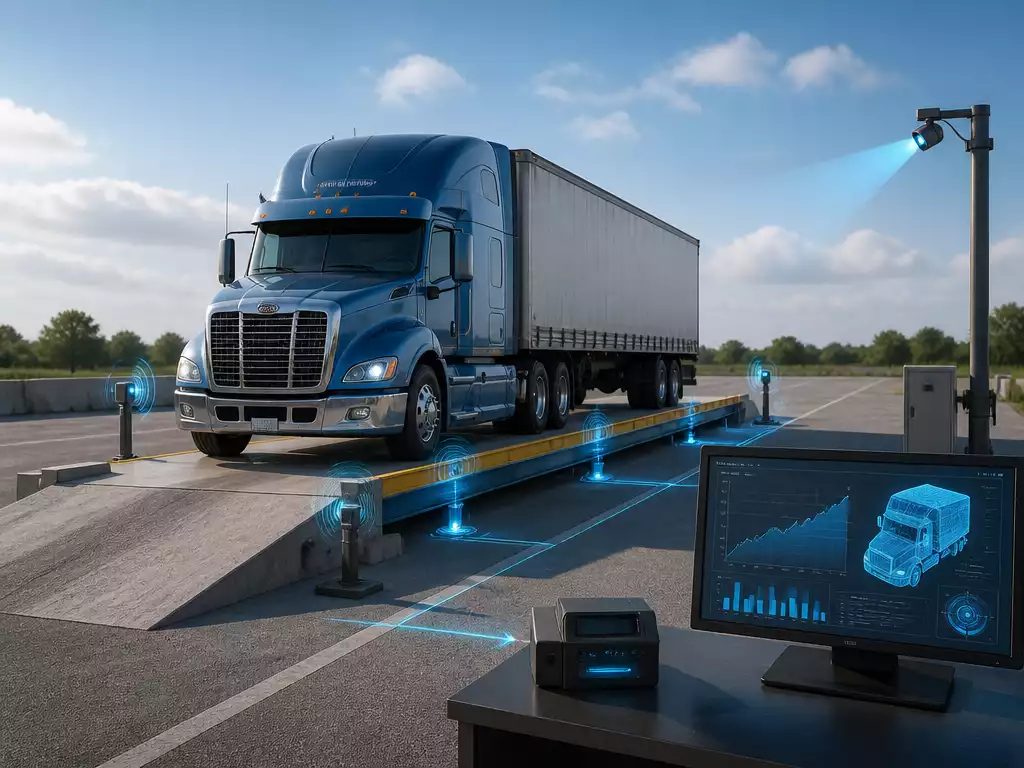
- Calibration: Ensures accuracy before weighing.
- Weight Detection: Sensors measure weight from each axle.
- Data Collection: Generates a total weight reading for the truck.
This systematic approach allows for detailed weight analysis, which is crucial in ensuring compliance with transportation laws and maintaining the structural integrity of roads and bridges.
The Role of Vehicle Weight and Axle Weight in Accurate Measurement
Understanding vehicle weight and axle weight is essential for achieving accurate measurements. The total weight of the truck includes the weight of the cargo, the truck itself, and any additional equipment. Each axle’s weight must be monitored to ensure no single axle is overloaded, which can cause damage to roadways and affect vehicle handling.
- Gross Vehicle Weight (GVW): Total weight of the vehicle and its load.
- Tare Weight: Weight of the vehicle without cargo.
- Net Weight: Weight of the cargo only, obtained by subtracting tare weight from GVW.
By accurately measuring both vehicle and axle weights, businesses can prevent costly fines and ensure safer transportation. Each of these weights plays a pivotal role in logistics management, influencing everything from shipping costs to delivery times.
The Key Components That Make Truck Scales Work
Truck scales rely on a combination of key components to function effectively. Understanding these parts can help operators appreciate the technology behind weight measurement.
For an efficient truck scale, it’s important to know that each component serves a specific purpose, from load cells to the weighbridge itself. Let’s dive into the crucial elements that make up a reliable truck scale!
Pro Tip
Did you know? Regular maintenance and calibration of your truck scales not only ensure accurate measurements but also extend the lifespan of the equipment. Schedule periodic checks and keep detailed records of calibration to avoid discrepancies during weight assessments.
Frequently Asked Questions about Truck Scales
As we conclude this discussion, let’s address some lingering questions that often come up regarding truck scales. It’s essential to ensure clarity on these topics so you can make informed decisions moving forward!
What is the primary purpose of truck scales?
The primary purpose of truck scales is to accurately measure the weight of vehicles, ensuring compliance with legal weight regulations and optimizing load distribution for safety and efficiency in transportation. This helps prevent road damage and avoids costly fines.
How do truck scales function to measure weight?
Truck scales function by having a vehicle drive onto a large platform called a weighbridge. Sensors embedded within the weighbridge detect the weight distributed across the axles. This data is then processed to provide real-time total weight readings, either digitally displayed or printed.
What are the different types of vehicle weights measured by truck scales?
Truck scales measure three main types of vehicle weights: Gross Vehicle Weight (GVW), which is the total weight of the vehicle and its load; Tare Weight, which is the weight of the vehicle without any cargo; and Net Weight, which is the weight of the cargo only (calculated by subtracting tare weight from GVW).
Why is understanding axle weight important?
Understanding axle weight is crucial because it ensures that no single axle is overloaded. Overloading an individual axle can cause significant damage to roadways and bridges, negatively affect vehicle handling and safety, and lead to regulatory violations and fines.
What role do load cells play in truck scales?
Load cells are critical components of truck scales. They are transducers that convert the force exerted by the truck’s weight into an electrical signal. This signal is then processed by an indicator to provide an accurate weight measurement, making them essential for the precision of the scale.
What are the Latest Technological Advances in Weighing Systems?
The evolution of weighing technology is exciting, with innovations continually improving accuracy and efficiency. Recent advancements include smart scales that offer real-time data analysis and connectivity with management software. These systems can automatically generate reports, track trends, and help ensure compliance with regulations!
- Incorporation of IoT for remote monitoring
- Enhanced durability with new materials
- Integration with mobile apps for easy access
Staying updated on these trends will help you leverage the best technology available in your operations.
How Do Transportation Regulations Affect Truck Scale Operations?
Transportation regulations, particularly from the Department of Transportation (DOT), significantly impact truck scale operations. Compliance with weight limits is crucial to avoid fines and ensure road safety. Knowing these regulations can help you maintain compliance and enhance your operational integrity.
- Understanding weight limits for different vehicle classes
- Keeping up with changes in regulations
- Ensuring that scales are certified and regularly calibrated
By focusing on these aspects, you can ensure that your operations remain compliant and efficient. Remember, knowledge is power when it comes to managing your weighbridge systems!
Summarizing the Essential Insights on Truck Scales
As we wrap up our journey through the world of truck scales, it’s important to take a moment to reflect on the key components and functioning principles we’ve discussed. Truck scales are vital tools that ensure accurate weight measurement, which is crucial for compliance and operational efficiency in the transportation industry. Whether it’s understanding how load cells work, the importance of precision in measurements, or the role of weighbridge design, these insights are foundational.
We’ve explored how truck scales utilize various components to deliver accurate readings, with each part playing a significant role. From the load cells that detect weight to the indicators displaying measurements, it’s clear that every element is carefully designed for precision. This understanding will surely enhance your approach to using truck scales effectively.
Taking Next Steps: Enhance Your Understanding and Usage of Truck Scales
Now that you have a solid grasp of truck scales, I encourage you to take the next steps in enhancing your knowledge. Whether it’s diving deeper into research articles, attending industry seminars, or consulting with experts like us at [Your Business Name], there are numerous opportunities to expand your understanding! Engaging with professionals can lead to valuable insights tailored to your specific needs.
Additionally, consider practical applications in your own operations. Observing how truck scales integrate into your logistics and compliance systems can offer new perspectives on efficiency and accuracy. Don’t hesitate to reach out if you have questions or need further guidance!
Recap of Key Points
Here is a quick recap of the important points discussed in the article:
- Truck scales are essential for accurately measuring vehicle weight, ensuring compliance with regulations.
- The measurement process involves calibration, weight detection, and data collection for accurate readings.
- Understanding gross, tare, and net weights is crucial for effective logistics management.
- Key components like load cells and weighbridges play significant roles in the functionality of truck scales.
- Staying updated on technological advances can enhance operational efficiency and compliance.