
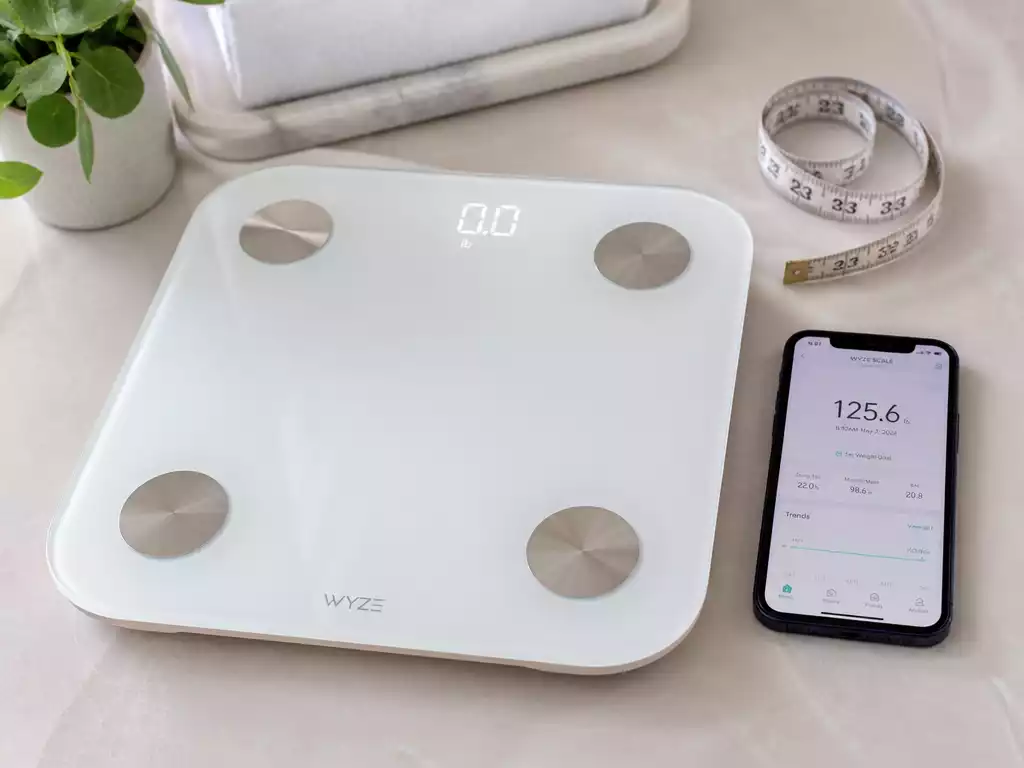
In a world where health tracking is becoming increasingly important, understanding the nuances of your tools can make a significant difference. With the Wyze Scale, calibration isn’t just a technical detail; it’s the key to unlocking accurate health insights that can empower your fitness journey.
What You Will Learn
- Accurate measurements are essential for effective health monitoring and goal setting.
- Calibration impacts not just weight, but the overall health tracking experience, providing reliable insights.
- Connecting the Wyze Scale to the Wyze App enhances data tracking and offers personalized health insights.
- Regular calibration and maintenance steps are crucial for ensuring consistent scale performance.
Understanding Wyze Scale Calibration: Why It Matters
When it comes to health tracking, accurate measurements are vital. The Wyze Scale helps you monitor your weight and body composition, making it essential to understand how calibration affects its performance. Calibration ensures that your scale provides precise data, which can lead to better insights about your health journey.
In my experience with health tech, I’ve seen how a simple calibration can make a world of difference. Imagine stepping on your scale and seeing a number that doesn’t reflect your efforts. Without proper calibration, those readings can be misleading!
The Importance of Accurate Measurements
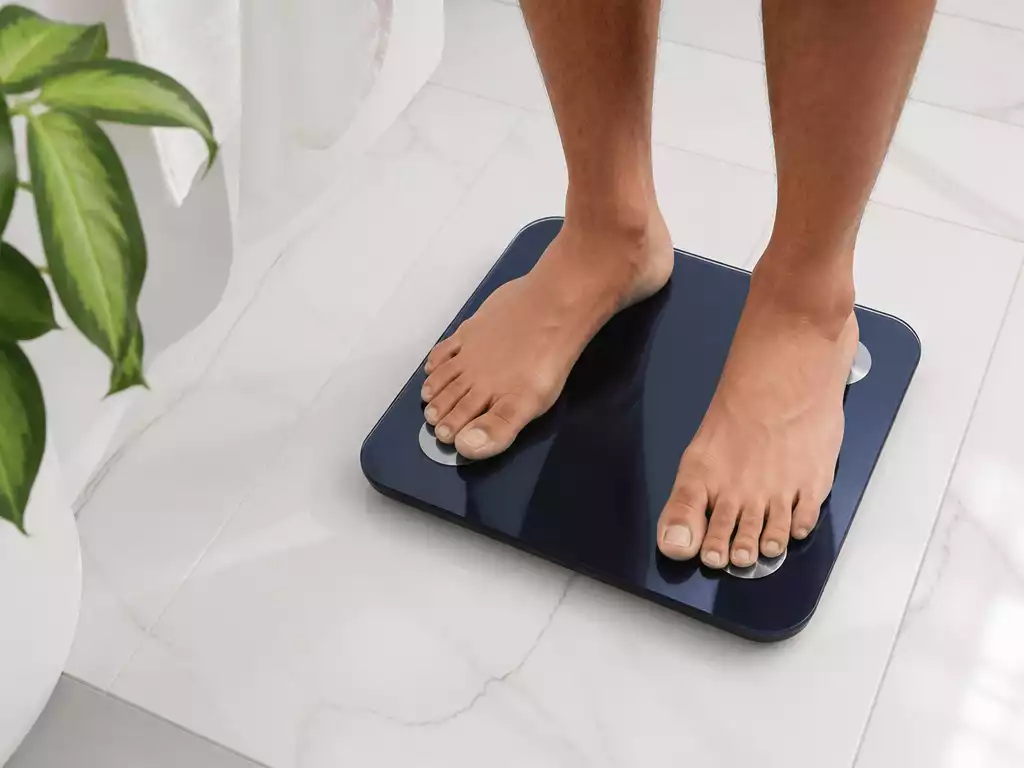
Accurate measurements are the cornerstone of effective health monitoring. If your Wyze Scale is not calibrated properly, it can lead to variations in weight readings. This inconsistency can affect your motivation and impact your fitness goals.
- Consistent data tracking is crucial for setting realistic goals.
- Inaccurate measurements can lead to confusion and frustration.
- Understanding fluctuations helps in interpreting your health trends.
By making calibration a priority, you ensure that every reading you get is reliable. This helps you develop a clearer picture of your overall health journey, enabling you to make informed decisions.
How Calibration Affects Your Health Tracking
When your Wyze Scale is calibrated correctly, it translates into accurate tracking of your health metrics. This includes weight, body fat percentage, and muscle mass. Each of these metrics can provide insights into your body composition, which is crucial for tailoring your fitness regimen.
Calibration doesn’t just affect your weight; it impacts your entire health tracking experience. A well-calibrated scale helps you identify trends over time, allowing you to celebrate your successes and adjust your strategies as needed.
Connecting Wyze Scale to the Wyze App for Enhanced Health Insights
One of the great features of the Wyze Scale is its ability to connect to the Wyze App. By syncing your scale with the app, you can access a wealth of health insights that can further motivate you on your health journey. Calibration plays a key role in ensuring the data you see in the app is accurate and actionable.
- Track weight and body composition over time.
- Receive personalized insights based on your data.
- Set reminders for regular weigh-ins and calibrations.
The combination of a calibrated scale and the Wyze App creates a comprehensive tool for health tracking, making it easier to stay on top of your fitness goals!
Pro Tip
Did you know? Regularly calibrating your Wyze Scale not only ensures accurate measurements but can also enhance the longevity of the device. To maintain optimum performance, consider calibrating your scale at least once a month or whenever you notice discrepancies in readings.
Wrapping Up Your Wyze Scale Calibration Journey
As we conclude our exploration of calibrating your Wyze Scale, it’s crucial to remember the key steps that will ensure your scale remains accurate and reliable. Regular calibration not only helps you track your progress but also contributes to a more insightful overall health journey. Here’s a quick recap of essential calibration steps:
- Choose a stable, flat surface for placement.
- Check battery levels before calibrating.
- Follow the specific calibration instructions for your Wyze Scale model.
- Regularly update firmware to enhance performance.
Keeping these points in mind will make future calibrations much simpler! It’s amazing how a few easy steps can lead to more accurate health measurements.
Exploring Further: Frequently Asked Questions
If you have questions about your Wyze Scale calibration, you’re not alone! Many users often wonder about specific scenarios or technical details. Here are some common FAQs that might help clarify any uncertainties:
Frequently Asked Questions (FAQs)
- How often should I calibrate my Wyze Scale?
- It’s recommended to calibrate your Wyze Scale at least once a month or whenever you notice inconsistent readings. You should also calibrate it if you move the scale to a new location.
- What should I do if my scale shows inconsistent readings?
- First, ensure the scale is placed on a hard, flat, and stable surface. Check the battery levels and replace them if necessary. Then, follow the specific calibration instructions for your model. If issues persist, refer to the Wyze app or support documentation for troubleshooting.
- Is it necessary to recalibrate after each move?
- Yes, it is generally recommended to recalibrate your Wyze Scale whenever you move it to a new location. This helps ensure optimal accuracy, as changes in surface or environment can affect its sensors.
- How does calibration affect the Wyze App’s data?
- Proper calibration ensures that the data sent from your scale to the Wyze App is accurate. Inaccurate calibration can lead to misleading trends and insights within the app, hindering your ability to track progress effectively.
- What are the key steps for proper Wyze Scale calibration?
- Key steps include placing the scale on a stable, flat surface, checking and replacing batteries if needed, following model-specific calibration instructions, and regularly updating the firmware to ensure optimal performance.
Understanding Health Metrics: BMI and Body Fat Percentage
Calibrating your Wyze Scale is just the beginning of your health tracking journey. Once your scale is calibrated, it’s essential to understand the metrics it provides, such as Body Mass Index (BMI) and body fat percentage. These metrics offer valuable insights into your overall health.
Here’s a quick breakdown of what these metrics mean:
- BMI: A measure of body fat based on height and weight. It’s commonly used to categorize individuals into underweight, normal, overweight, or obese.
- Body Fat Percentage: This metric indicates the proportion of your body that is made up of fat. Monitoring changes in this percentage can help you set fitness goals.
Understanding these metrics allows you to make informed decisions regarding your health and fitness goals. Remember, knowledge is power when it comes to your wellness journey!
Recap of Key Points
Here is a quick recap of the important points discussed in the article:
- Accurate calibration of your Wyze Scale is essential for reliable health tracking.
- Regular calibration helps you track weight and body composition consistently.
- Connect your scale to the Wyze App for enhanced insights and personalized data.
- Follow key calibration steps: stable surface, check battery, proper instructions, and firmware updates.
- Understand health metrics like BMI and body fat percentage to make informed decisions about your fitness journey.





