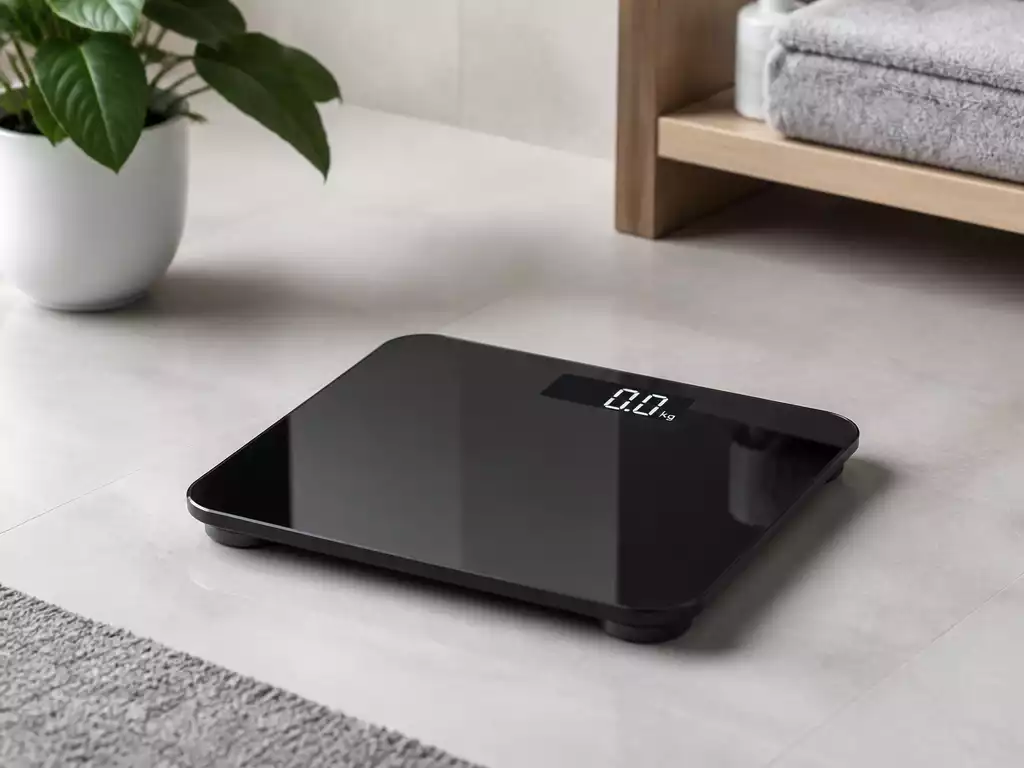
In a world where health metrics are paramount, the technology behind digital bathroom scales often goes unnoticed. Understanding how they function not only enhances your user experience but also empowers you to make informed decisions about your health tracking.
What You Will Learn
- Digital bathroom scales utilize load cells and strain gauges to ensure accurate weight measurements.
- Microprocessors convert electrical signals into readable weight data, enhancing user experience.
- Modern scales feature Bluetooth and Wi-Fi connectivity for seamless data tracking and analysis.
- Best practices, such as weighing at the same time and using the tare function, improve measurement accuracy.
Digital Bathroom Scales: Mechanisms and Functions
Digital bathroom scales have become a staple in households, offering a reliable way to track weight and health metrics. But how do they work? Understanding the mechanisms behind these scales can provide you with insights into their functions and benefits. In this section, we’ll dive into the intricate workings of digital bathroom scales and explore their key features.
These scales utilize advanced technology to ensure accurate readings. With a focus on both mechanisms and functions, we’ll be looking at how weight is measured, processed, and displayed, along with the impressive features that modern digital scales offer.
How Digital Bathroom Scales Measure Weight
At the heart of every digital bathroom scale lies a system designed for precision. The primary components involved in measuring weight are load cells and strain gauges. Load cells are sensors that convert the pressure exerted on them into an electrical signal, while strain gauges detect the deformation of the load cell as weight is applied.
- Load Cells: These are the key sensors in a digital scale that measure weight.
- Strain Gauges: These help convert mechanical stress into measurable electrical signals.
- Calibration: Ensures accuracy by adjusting the scale’s readings based on known weights.
When you step onto the scale, the load cells flex, and the strain gauges measure this flexing. This data is then sent to a microprocessor, which calculates your weight based on the input received.
The Role of Load Cells and Strain Gauges
Load cells are crucial for providing accurate and consistent measurements. They work by utilizing the force of gravity, converting this force into a change in electrical resistance. Strain gauges, attached to load cells, enhance this process by detecting very small changes in weight.
For the best performance, it’s essential to ensure your scale is used on a flat, stable surface. This allows the load cells to function correctly without any interference from uneven flooring.
From Mechanical Force to Electrical Signal
Once the mechanical force is applied, the strain gauges within the load cells begin their magic. They translate the force into an electrical signal, which is then processed to determine your weight. This transformation from a physical measurement to an electronic one is what sets digital scales apart from traditional mechanical ones.
Ultimately, this process allows you to view your weight almost instantly on the display, providing a seamless experience that is both user-friendly and technologically advanced!
Signal Processing: The Journey from Force to Displayed Weight
After the load cells and strain gauges have done their part, the next stage involves signal processing. The microprocessors embedded in digital scales play a critical role here. They take the electrical signals generated and convert them into readable weight measurements.
- Microprocessors: Responsible for interpreting the signals from the load cells.
- Analog-to-Digital Conversion: Transforms the analog signals into a digital format that can be displayed.
- Display Mechanism: Shows the weight measurement clearly for the user.
This conversion process is rapid, allowing for a quick response time that enhances the user experience. It’s fascinating how the technology behind a simple bathroom scale can be so intricate yet effective!
Microprocessors and Analog-to-Digital Conversion Explained
The microprocessors in digital scales perform complex calculations to ensure accuracy. They rely on analog-to-digital conversion to translate signals, allowing for precise readings that reflect your weight. This technology ensures that even minor changes in weight are captured and displayed accurately.
This efficient processing gives users a reliable tool for tracking their weight over time, making it easier to maintain health goals. Whether you’re monitoring your weight loss journey or managing health conditions, these scales are equipped to assist you!
How Weight Readings are Generated and Shown
Once the microprocessor has processed the data, it generates a weight reading that is then displayed on the scale. This display is often digital, allowing for clear visibility and easy reading. Many modern scales even feature backlighting or larger screens for added convenience.
It’s incredible how technology has enhanced something as simple as weighing yourself. With just a step onto the scale, you can easily track your fitness journey and maintain your health goals with confidence!
Key Features of Modern Digital Bathroom Scales
Today’s digital bathroom scales come packed with features that go beyond just weight measurement. Many models offer smart functionalities, including connectivity options that integrate with your smartphone or health apps.
- Bluetooth Connectivity: Allows you to sync your weight data with mobile apps.
- Wi-Fi Scales: Can automatically upload your measurements to the cloud for tracking.
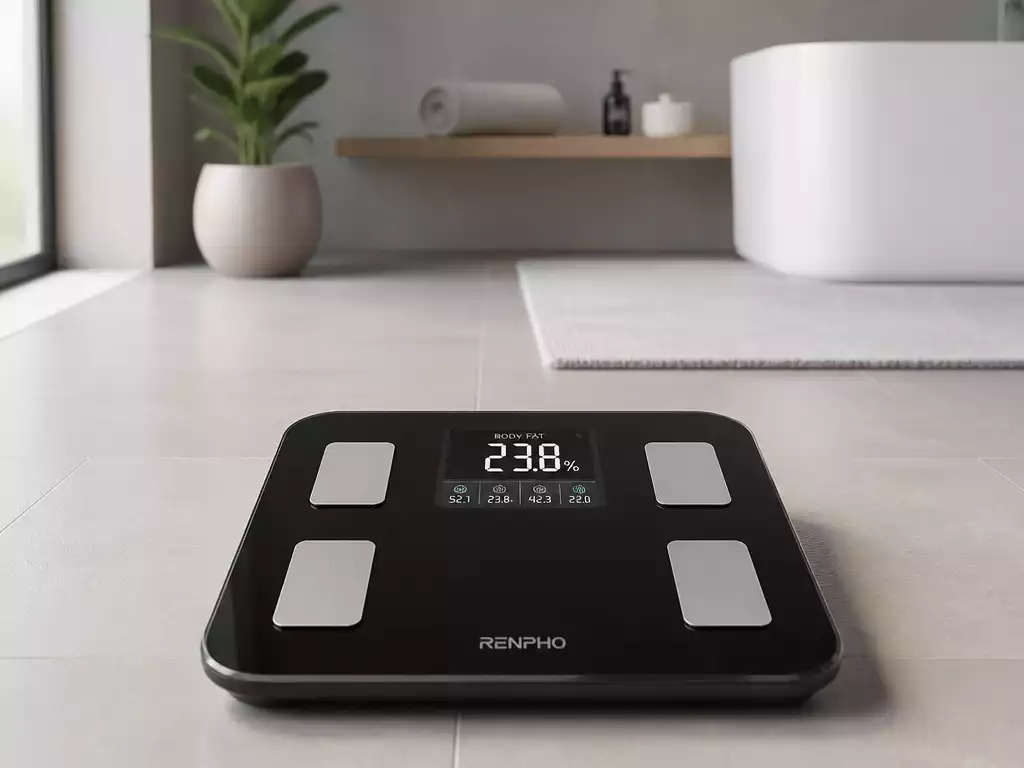
- Smart Features: Often include body composition analysis, showing metrics like body fat percentage and muscle mass.
These features make it easier than ever to track your health and fitness goals in real-time, all from the convenience of your smartphone!
Bluetooth Connectivity and Wi-Fi Scales
Bluetooth and Wi-Fi capabilities are game changers in the realm of digital scales. With Bluetooth connectivity, you can sync your scale with various health apps easily, allowing you to have all your data at your fingertips.
Wi-Fi scales take this a step further by automatically uploading your readings to your preferred health platform. This means you can analyze your patterns over time without ever needing to manually log your weight!
Exploring the Benefits of Smart Scale and Mobile App Integration
Investing in a smart scale can offer numerous benefits. By connecting to a mobile app, you can effortlessly track your progress, set goals, and receive personalized insights based on your data.
This integration not only enhances motivation but also promotes accountability, making it easier to stay focused on your health journey!
Pro Tip
To enhance the accuracy of your digital bathroom scale readings, aim to weigh yourself under consistent conditions. Try to do this at the same time each day, preferably in the morning after using the bathroom. Consistency is key!
Ensuring Optimal Use of Your Digital Bathroom Scale
Getting the most accurate readings from your digital bathroom scale is essential for tracking your health effectively. If you want to ensure your scale gives you the best results, it’s important to follow some best practices. Let’s dive into a few simple but effective techniques that can help you achieve optimal weight measurements!
First things first, always weigh yourself under similar conditions. This means weighing yourself at the same time of day, ideally in the morning after using the bathroom. This consistency can help improve the accuracy of your readings.
Best Practices for Accurate Weight Measurements
Let’s break down some key practices to follow:
- Weigh Yourself Barefoot: Shoes can add extra weight and may not distribute your weight evenly.
- Stand Still: Make sure to stand still and centered on the scale for the most accurate reading.
- Check Your Scale’s Level: Ensure your scale is on a flat, level surface to avoid any discrepancies.
By following these tips, you can help ensure that the readings you get are as accurate as possible, allowing for better tracking of your weight over time.
How to Properly Position Yourself on the Scale
Positioning yourself correctly on the scale is vital. Stand with your feet evenly spaced and centered over the load cells. This helps distribute your weight properly, leading to a more precise reading. If you’re unsure where to stand, many scales have markings or indicators to guide you!
Remember, shifting your weight or leaning can cause the scale to misread your actual weight. So, take a moment to find your balance!
Maintaining Your Digital Scale for Longevity
Like any other device, maintaining your digital bathroom scale can extend its lifespan. Here are some simple maintenance tips:
- Keep It Clean: Wipe down the scale regularly with a damp cloth to remove dust or spills.
- Store Properly: When not in use, store the scale in a dry place to avoid moisture damage.
- Check Batteries: Replace batteries when you notice the display is fading or inconsistent.
By taking care of your scale, you ensure it remains as accurate and reliable as the day you bought it!
Utilizing the Tare Function and Memory Function Effectively
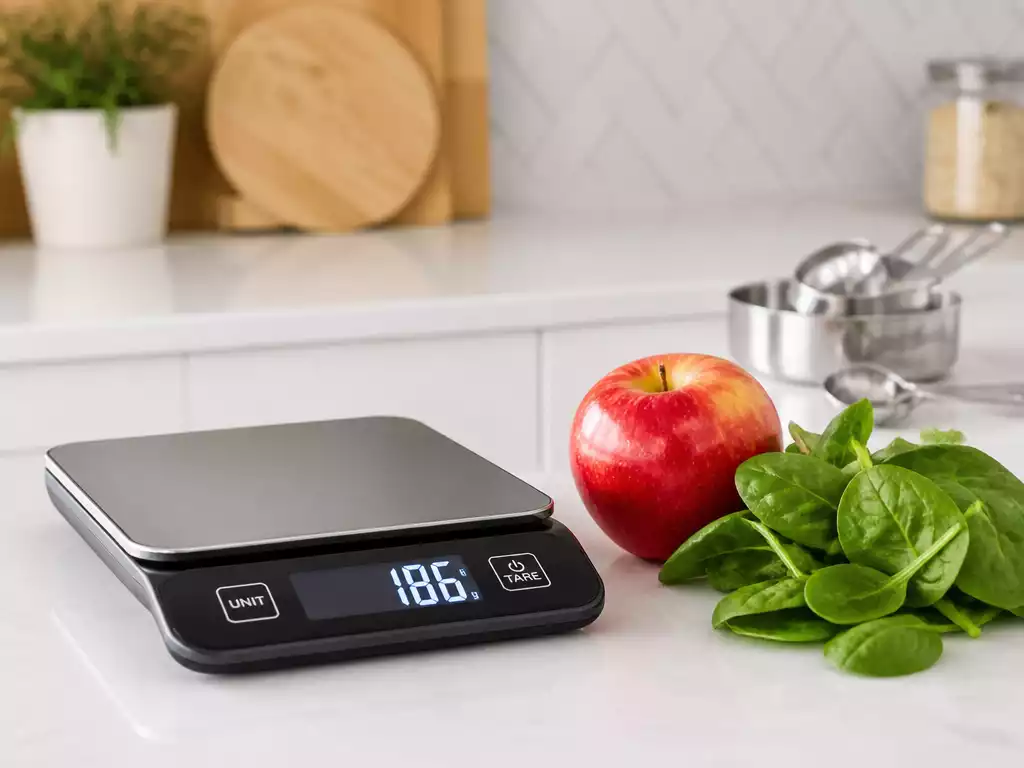
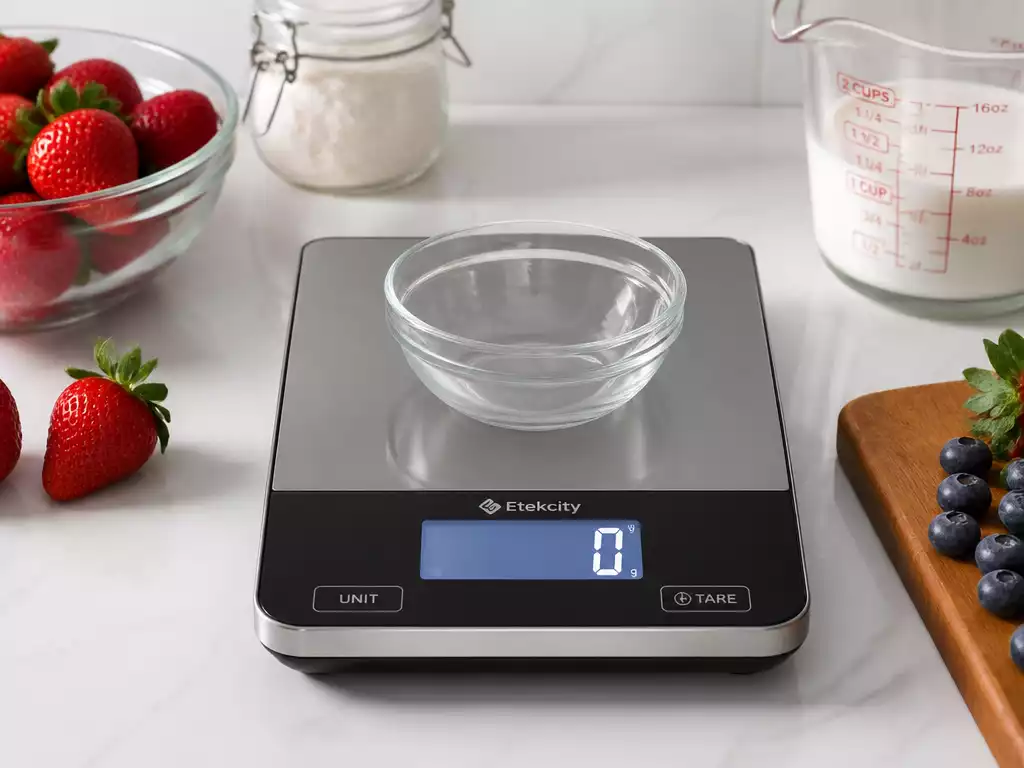
Many modern digital scales come with a tare function, which allows you to weigh items without including the weight of the container. This feature is fantastic for tracking weight accurately when measuring food or other items.
Additionally, some scales have a memory function that can store your weight readings. This allows you to track changes over time easily. If your scale has this feature, make sure to use it for better insights into your weight journey!
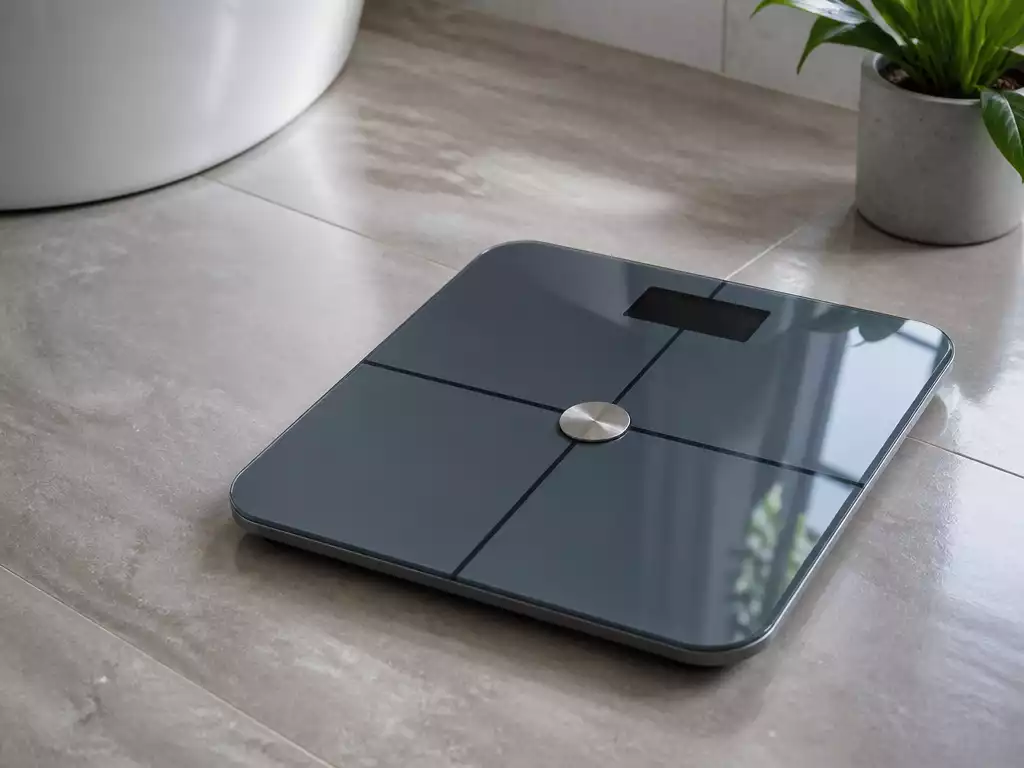
Frequently Asked Questions About Digital Bathroom Scales
As someone who’s passionate about helping others understand their health tools, I often get questions about digital bathroom scales. Let’s address some common queries!
FAQs About Digital Bathroom Scales
- Q1: How do digital bathroom scales measure weight?
- A1: Digital bathroom scales measure weight using load cells and strain gauges. Load cells convert pressure into an electrical signal, and strain gauges detect the deformation caused by weight. These signals are then processed by a microprocessor to display your weight.
- Q2: What is the role of microprocessors in digital scales?
- A2: Microprocessors are essential for signal processing. They interpret the electrical signals from the load cells and perform analog-to-digital conversion, turning these signals into readable weight measurements that are then shown on the display.
- Q3: What are the benefits of smart scales with Bluetooth or Wi-Fi connectivity?
- A3: Smart scales with Bluetooth or Wi-Fi connectivity allow for seamless data tracking and analysis. They can sync with mobile apps to record your weight, provide body composition analysis, and help you track your progress over time, enhancing motivation and accountability.
- Q4: How can I ensure accurate readings from my digital bathroom scale?
- A4: To ensure accurate readings, weigh yourself at the same time each day (preferably in the morning), stand still and centered on the scale, and ensure the scale is on a flat, stable surface. Also, weigh yourself barefoot and keep the scale clean.
- Q5: What should I do if my digital scale gives inconsistent readings?
- A5: If your scale provides inconsistent readings, first check that it’s on a hard, flat surface. You might also need to recalibrate it according to the manufacturer’s instructions or replace the batteries, as low battery power can cause erratic measurements.
What Should I Do if My Scale Gives Inconsistent Readings?
If your scale is showing inconsistent readings, don’t panic! There are several troubleshooting tips you can try:
- Check the Surface: Ensure the scale is on a hard, flat surface.
- Calibrate Your Scale: Follow the manufacturer’s instructions to recalibrate if needed.
- Replace Batteries: Low batteries can lead to erratic readings.
By following these steps, you can often resolve issues and get back to accurate measurements.
How Do I Choose the Right Digital Scale for My Needs?
Selecting the perfect digital scale can be a bit overwhelming given all the options available. Here are some factors to consider:
- Weight Capacity: Choose a scale that can handle your weight comfortably.
- Features: Decide if you need additional features, like body composition analysis or Bluetooth connectivity.
- Design and Size: Make sure it fits well in your bathroom space.
Taking these factors into account can help you find a scale that suits your personal needs!
Price Ranges, Warranty Information, and Consumer Ratings
Don’t forget to consider the price range of the scales you’re looking at. It’s worth investing in a reliable scale, but you don’t have to break the bank! Also, check warranty information to ensure you’re covered in case of any defects. Customer ratings can also provide valuable insights into the performance of specific models.
Ultimately, take your time in researching and selecting the best scale for your health journey!
Recap of Key Points
Here is a quick recap of the important points discussed in the article:
- Understanding Mechanisms: Digital scales utilize load cells and strain gauges to measure weight accurately.
- Signal Processing: Microprocessors convert electrical signals into readable weight measurements.
- Best Practices: Weigh yourself barefoot and on a flat surface for the most accurate readings.
- Smart Features: Many modern scales offer Bluetooth and Wi-Fi connectivity for tracking health data.
- Maintenance Tips: Keep your scale clean and check batteries regularly to ensure longevity.