Have you ever wondered how a simple scale can reveal so much about your body composition? Understanding the technology behind body fat scales can empower you on your health journey.
What You Will Learn
- Bioelectrical Impedance Analysis (BIA) uses electrical currents to estimate body composition.
- Factors like hydration levels, food intake, and physical activity can influence body fat scale readings.
- Understanding your body fat percentage and lean body mass provides crucial insights for health assessment.
- When choosing a body fat scale, consider your fitness goals, budget, and desired features such as Bluetooth connectivity.
Body Fat Scales: The Basics of Bioelectrical Impedance Analysis
Body fat scales are fascinating tools that help you track your health journey through a method called Bioelectrical Impedance Analysis (BIA). This technology allows you to gain insight into your body composition, which is vital for understanding your overall fitness. If you’re curious about how these scales work and what they can tell you about your body, you’re in the right place!
Let’s dive into the basics of BIA and how it plays a crucial role in measuring your body composition. By using these scales, you can get a better idea of your body fat percentage, lean mass, and hydration levels. Knowledge is power, right?
What is Bioelectrical Impedance Analysis (BIA)?
Defining BIA and its Purpose in Body Composition Measurement
Bioelectrical Impedance Analysis (BIA) is a method that estimates your body composition by sending a low-level electrical current through your body. This current travels at different speeds depending on the type of tissue it encounters—fat, muscle, or water. By analyzing the resistance encountered, BIA provides estimates of body fat, lean mass, and total body water.
The main purpose of BIA is to offer a non-invasive, convenient way to measure your body composition. Many people, including myself, find it helpful in assessing health goals and tracking progress over time.
How Electrical Current Flows Through the Body
When you step on a body fat scale, electrodes on the scale send a gentle electrical current through your body. The current flows easily through water and muscle but encounters resistance in fat tissue. This resistance is what BIA measures. By analyzing this data, the scale can calculate different metrics related to your body composition.
It’s important to note that the results can vary based on your hydration levels and other factors, but understanding this flow of current helps you appreciate how the scale works. So, when you step on the scale, remember that it’s not just about weight—it’s also about body composition!
How Body Fat Scales Estimate Composition
The Role of Resistance and Impedance in Readings
As we discussed, the resistance the current faces when flowing through your body is crucial for body fat scales. This resistance is measured as impedance. The scale uses specific algorithms to convert these impedance readings into estimations of body fat percentage, lean body mass, and other metrics. Fascinating, right?
When using a body fat scale, keep in mind that higher resistance generally indicates more body fat, while lower resistance suggests more muscle mass. This fundamental principle is key to understanding how these scales work.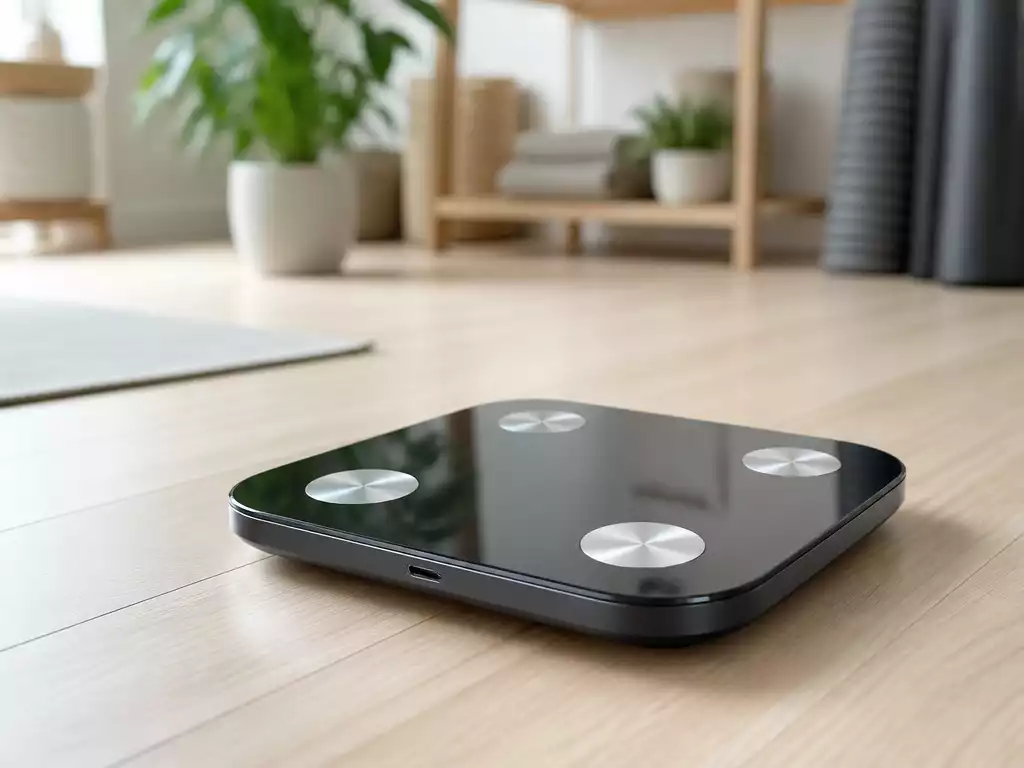
Factors That Influence Body Fat Scale Readings
- Hydration level: Dehydration can lead to higher body fat readings.
- Physical activity: Exercise can temporarily affect readings.
- Food consumption: Recent meals can alter body water levels, impacting results.
- Temperature: Body temperature can also affect resistance.
Understanding these factors helps you interpret your body fat scale readings more accurately. It’s all about the context! For instance, weighing yourself at the same time each day can lead to more consistent results.
Key Metrics: Body Fat Percentage, Lean Body Mass, and Total Body Water
How Body Fat Scales Measure Fat Mass and Muscle Mass
When you step on a body fat scale, you’re not just getting a number; you’re getting a glimpse into your body composition metrics. The scale estimates your body fat percentage, which is the proportion of your total body weight that is fat. This is an important metric for assessing your overall health!
Additionally, the scale provides insights into your lean body mass, which includes muscles, bones, and organs. Tracking these metrics over time can help you stay on top of your fitness journey, letting you know if you’re gaining muscle or losing fat.
The Importance of Hydration Levels in Accurate Readings
Hydration plays a significant role in the accuracy of your body fat scale readings. Since water conducts electricity well, being well-hydrated can lead to more accurate measurements. Conversely, dehydration can skew results, making it seem like you have a higher body fat percentage than you actually do.
It’s crucial to keep this in mind when using your body fat scale! A good rule of thumb is to weigh yourself under similar hydration conditions—perhaps first thing in the morning after a good night’s sleep.
We Want to Hear From You!
What do you think about using body fat scales for tracking your health? Share your thoughts below:
Making Informed Decisions About Body Fat Scales
Deciding to purchase a body fat scale can be an important step in achieving your health and fitness goals. At our studio, we often remind clients that understanding your body composition can help tailor your fitness regime. Knowing when to invest in a body fat scale is crucial, especially if you’re serious about tracking your progress.
When considering a body fat scale, it’s essential to evaluate what you’re hoping to achieve. Are you looking to lose fat, gain muscle, or simply maintain a healthy lifestyle? Identifying your fitness goals will guide you in determining whether a body fat scale is the right tool for you.
When to Consider Purchasing a Body Fat Scale
Understanding your specific needs can significantly influence your decision on which body fat scale to buy. Here are some key factors to keep in mind:
- Assess your fitness objectives: Are you trying to lose weight or gain muscle?
- Consider how frequently you’ll use the scale: Regular tracking can help measure progress more accurately.
- Look at your budget: Scales vary widely in price, and you’ll want to find one that offers good value for the features you need.
Another crucial aspect is evaluating different models. Features to look for include:
- Bluetooth connectivity for easy data syncing with your mobile apps
- Multiple user profiles if you plan to share the scale with family members
- Body composition metrics beyond just body fat percentage, such as muscle mass and water weight
Identifying Your Fitness Goals and Needs
Before making a purchase, take the time to reflect on your long-term fitness goals. If you’re aiming for specific targets, like weight loss or increased muscle mass, a scale that tracks these metrics can be incredibly beneficial. I always tell my clients that having the right tools at hand can make a significant difference in their journey.
Evaluating Different Models: Features to Look For, including Smart Scales with Bluetooth Connectivity
As technology evolves, so do body fat scales. Smart scales, for instance, can connect to your smartphone, allowing for seamless tracking of your body composition over time. Features to consider when comparing models include:
- Compatibility with popular health apps like MyFitnessPal or Apple Health
- Ease of use and clear display of readings
- Battery life and durability of the device
Choosing the right scale can help you stay motivated and on track! It’s worth spending some time to research and select a model that meets your needs.
Leveraging Technology: How Mobile Apps Enhance Body Composition Tracking
Once you’ve chosen your body fat scale, integrating mobile apps into your routine can take your tracking to the next level. Many scales now come with companion apps that allow you to monitor your progress easily and even set reminders to weigh in regularly. Using technology to your advantage can provide insights that you might miss otherwise.
Integrating Health Metrics and Fitness Tracking into Your Routine
Tracking your body composition is just one piece of the puzzle. By using a mobile app, you can sync various metrics including your daily activity, calorie intake, and even workouts. This holistic approach to tracking can be beneficial for maintaining motivation and accountability. As a fitness instructor, I often encourage my clients to combine data from their scales with other health metrics.
Consumer Reviews and Product Comparisons for Body Fat Scales
Before you finalize your purchase, take advantage of consumer reviews and product comparisons. Websites and forums often provide valuable insights into the performance and reliability of different models. Hearing from others who have used the scales can help you avoid potential pitfalls. Consider looking for features like:
- Accuracy of readings
- Customer support and warranty options
- User feedback on ease of use
Incorporating feedback from other users can truly guide you toward making a more informed decision.
Frequently Asked Questions (FAQs) About Body Fat Scales
- Q: How do body fat scales actually work?
- A: Body fat scales use Bioelectrical Impedance Analysis (BIA) by sending a low-level electrical current through your body. This current travels differently through fat, muscle, and water. The scale measures the resistance (impedance) to this current to estimate your body composition.
- Q: What factors can affect the accuracy of body fat scale readings?
- A: Several factors can influence readings, including your hydration level, recent physical activity, food consumption, and even body temperature. Dehydration, for example, can lead to artificially higher body fat readings.
- Q: What key metrics do body fat scales provide?
- A: Beyond just weight, body fat scales typically provide your body fat percentage, lean body mass (which includes muscle, bone, and organs), and total body water. Some advanced scales may offer even more metrics.
- Q: When should I consider buying a body fat scale?
- A: You should consider purchasing a body fat scale if you have specific fitness goals such as losing fat, gaining muscle, or closely monitoring changes in your body composition over time. They are valuable tools for tracking progress beyond just scale weight.
- Q: Are smart scales with Bluetooth connectivity better?
- A: Smart scales with Bluetooth connectivity offer enhanced tracking capabilities. They can sync data automatically to mobile apps, allowing for seamless monitoring of your progress, integration with other health metrics, and often provide more detailed historical data and insights.
Conclusion: Key Takeaways on Body Fat Scales
In summary, body fat scales can be valuable tools for tracking your health and fitness journey. By understanding your objectives, evaluating different models, and leveraging technology, you’ll be well-equipped to make an informed decision. Take the time to choose wisely—the right scale can support your goals and help you stay on track.
Remember, it’s all about a balanced approach to body composition tracking. Don’t forget to combine your scale readings with other measurements and listen to your body. Stay engaged, motivated, and always focused on your personal best!
Recap of Key Points
Here is a quick recap of the important points discussed in the article:
- Bioelectrical Impedance Analysis (BIA) helps estimate body composition by measuring the resistance of electrical currents through body tissues.
- Hydration levels, physical activity, and food consumption can significantly influence body fat scale readings.
- Key metrics provided by body fat scales include body fat percentage, lean body mass, and total body water.
- Identifying your fitness goals is crucial when deciding whether to invest in a body fat scale.
- Smart scales with features like Bluetooth connectivity can enhance tracking accuracy and integration with health apps.