Have you ever wondered how a simple kitchen tool can transform your cooking experience? Understanding the mechanics of a food scale not only enhances your culinary skills but also simplifies meal preparation.
What You Will Learn
- Digital food scales utilize load cells, strain gauges, and microprocessors to provide precise weight measurements.
- Taring allows you to measure just the ingredient by subtracting the weight of the container, enhancing accuracy.
- Food scales are essential for measuring ingredients accurately, which is crucial for cooking and baking success.
- Using a food scale aids in tracking nutritional intake, making it easier to meet dietary goals.
- Multi-functional food scales offer features like nutrition tracking and recipe scaling, streamlining meal prep.
Understanding the Mechanism: How Does a Food Scale Work?
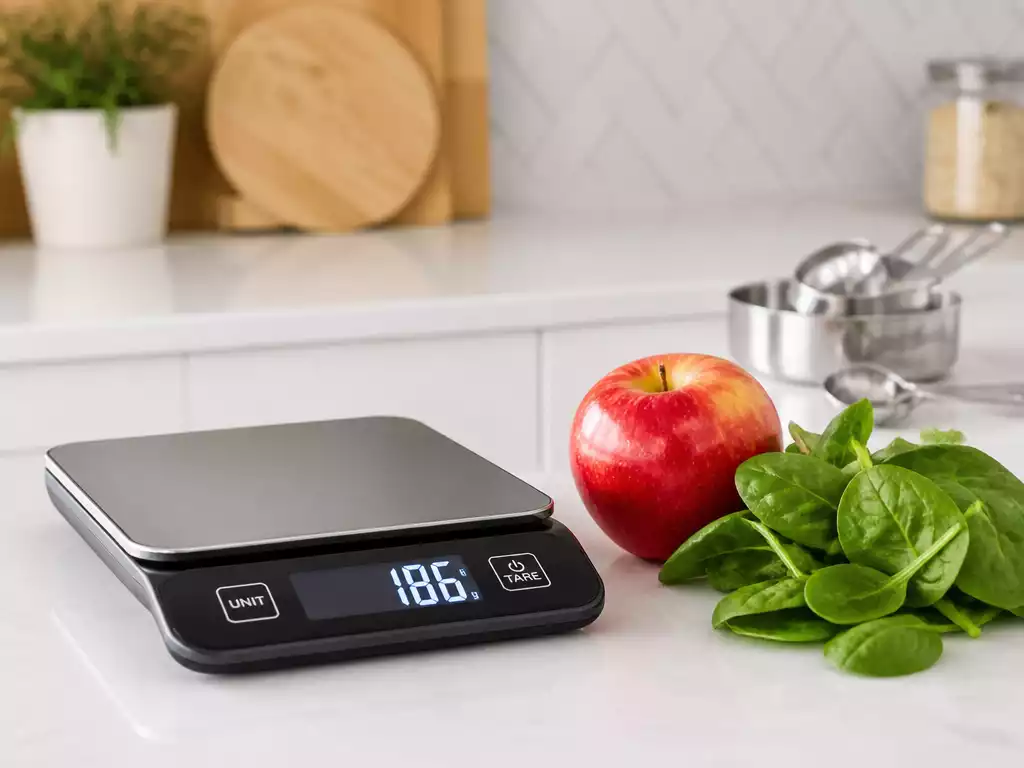
Food scales are essential tools in any kitchen, and understanding how they function can enhance your cooking experience! At their core, most digital food scales operate using load cells, strain gauges, and microprocessors. These components work together to provide precise measurements that can elevate your cooking and baking.
When you place an item on the scale, the load cell detects the weight and converts it into an electrical signal. The strain gauge measures the change in resistance as weight is applied, allowing for accurate readings. Finally, the microprocessor processes these signals to display the weight on the digital screen. This combination of technology ensures that you can weigh your ingredients accurately, which is crucial for consistent results!
The Science Behind Digital Food Scales
Understanding the science behind digital food scales can help you appreciate the technology that makes cooking easier. Load cells are central to this process, providing the backbone for weight measurement. Here’s a quick overview of how they function:
- Load Cells: These are the sensors that detect weight by measuring the force of gravity acting on an object.
- Strain Gauges: They work in tandem with load cells to measure the deformation of the load cell when weight is applied.
- Microprocessors: These tiny computers interpret the signals from the load cells and display the weight on your scale.
Knowing how these elements work together can help you select a scale that meets your culinary needs. As a food enthusiast, I find that using a reliable scale can make a world of difference in achieving perfect recipes.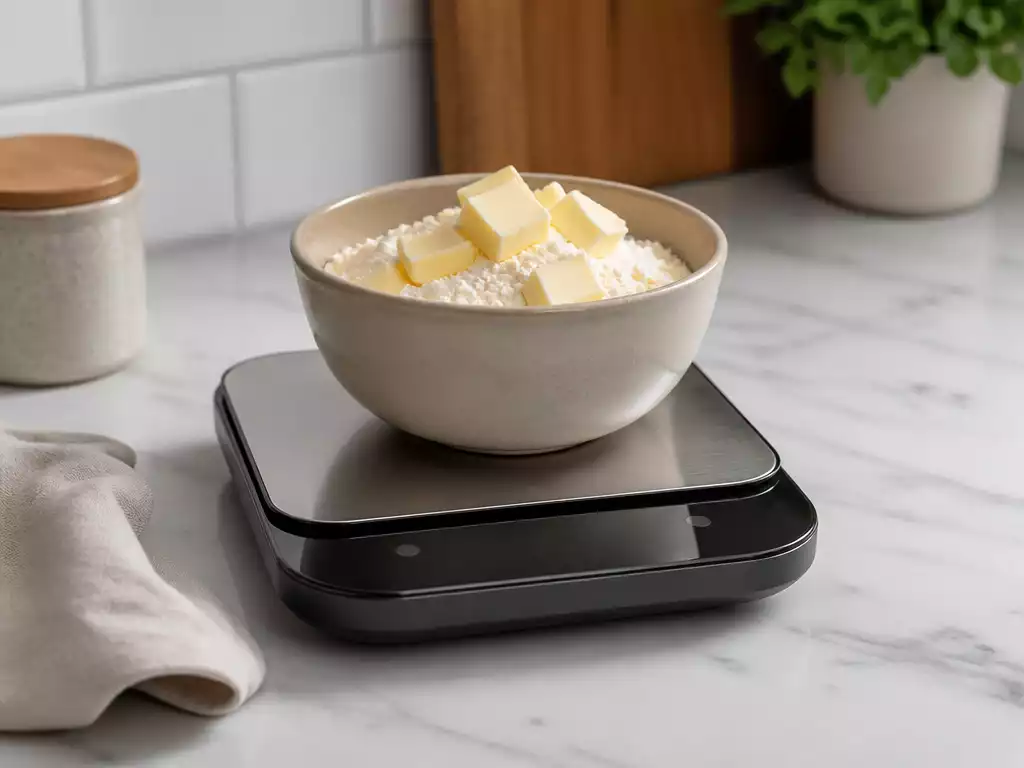
How Taring and Zeroing Enhance Precision
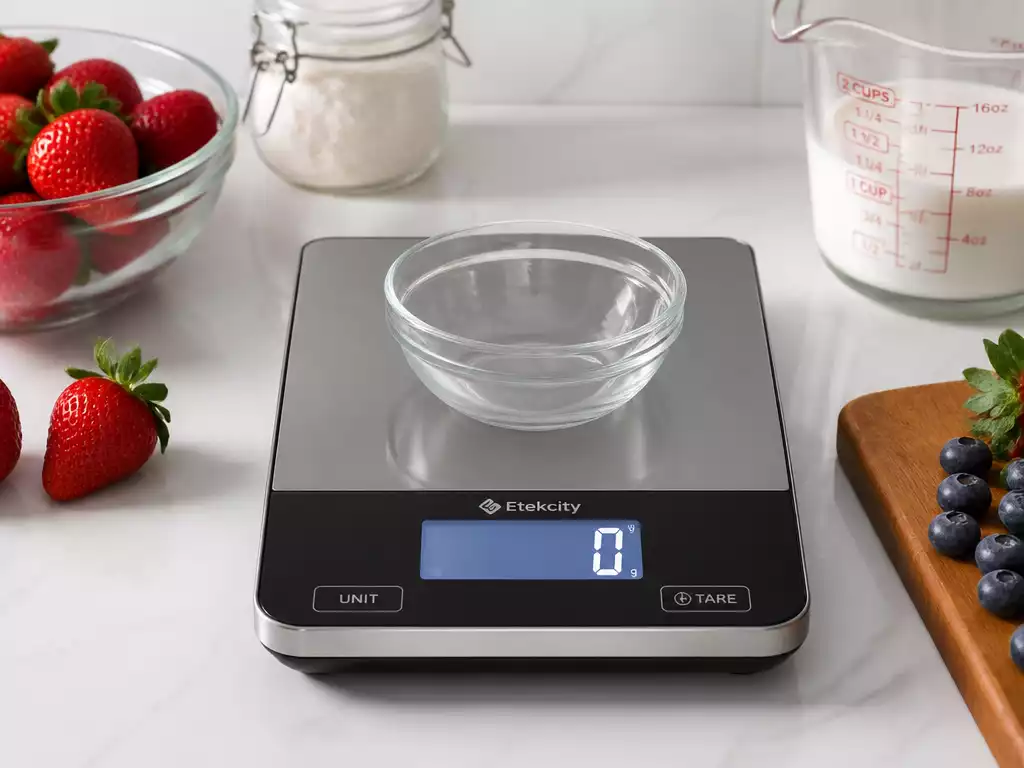
The terms “taring” and “zeroing” may sound technical, but they are simple functions that can significantly enhance the accuracy of your measurements. Taring allows you to subtract the weight of your container, so you only measure the ingredient itself. This is especially handy when using bowls or plates!
- How to Use the Tare Function: Place your empty container on the scale and press the tare button to reset the weight to zero.
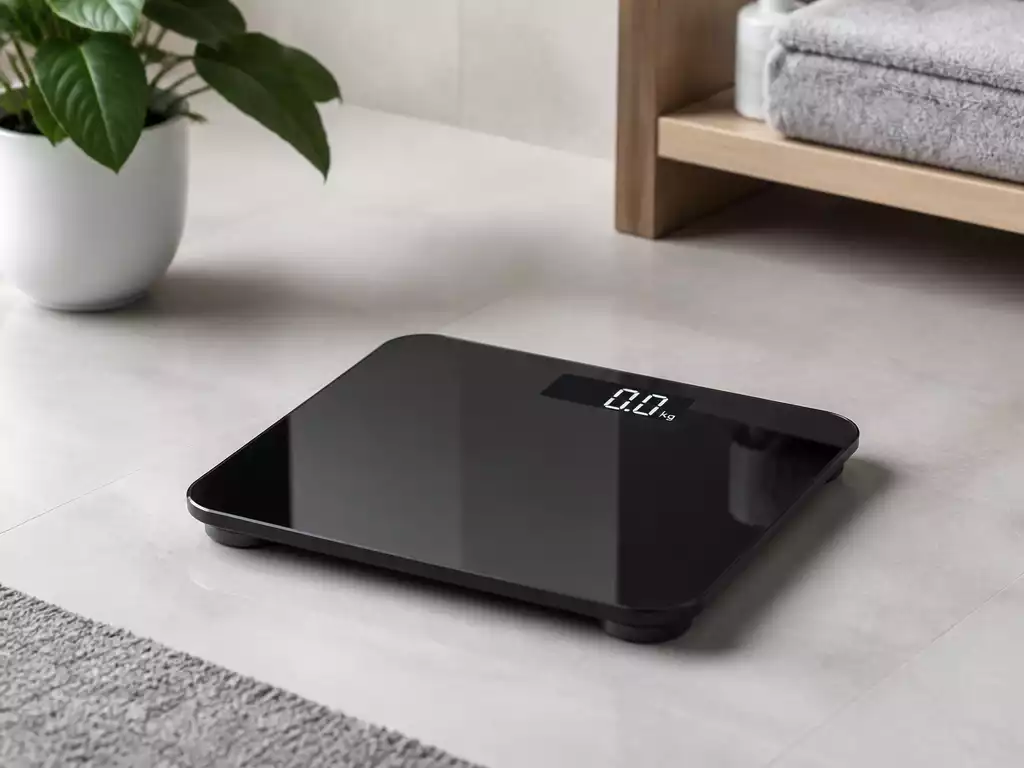
- Zeroing Tips: Always ensure your scale is on a flat, stable surface for the best accuracy.
By mastering these functions, you can achieve more precise measurements and improve your cooking results! It’s surprising how such small features can make a big difference in your kitchen routine.
Practical Applications of Food Scales in Your Kitchen
Food scales are not just for professional chefs; they can be incredibly beneficial for home cooks too! Using a food scale allows for accurate measurements, which is critical for both cooking and baking.
Here are some practical applications you can implement with a food scale:
- Measuring ingredients for cooking and baking
- Tracking macros and calorie counting
- Adjusting recipe quantities for different serving sizes
These practices can help you become more consistent in your culinary creations and help you stay on track with your dietary goals! As someone who loves to experiment in the kitchen, I can attest to the importance of having a reliable food scale on hand.
Pro Tip
Did you know? When measuring dry ingredients like flour or sugar, it’s best to spoon them into the measuring container and level them off with a straight edge. This prevents packing and ensures you get the right amount every time!
Summarizing the Benefits of Using a Food Scale
When it comes to cooking and baking, accuracy is key! Using a food scale can elevate your culinary game by ensuring that you measure ingredients precisely. This not only improves the taste of your dishes but also helps in maintaining consistency across your favorite recipes.
For anyone serious about nutritional tracking, a food scale can be a game-changer. It allows you to keep an eye on portion sizes and manage your calorie intake effortlessly. By weighing your food, you are more likely to achieve your health goals, whether that’s losing weight or just eating healthier!
- Enhanced accuracy in recipes
- Consistent results every time
- Better portion control for dietary needs
- Easier nutritional tracking for health goals
By integrating a food scale into your cooking routine, you not only simplify the process but also ensure that you are getting the most out of your ingredients. Each precise measurement contributes to a delicious outcome!
Making an Informed Decision: Is a Food Scale Worth It?
As you ponder whether to invest in a food scale, think about your cooking habits and dietary goals. If you find yourself often experimenting in the kitchen or following recipes that require precision, then a food scale might just be the perfect addition to your culinary tools!
Moreover, if you’re someone focused on maintaining a specific dietary regimen, having a food scale can be invaluable. It provides clarity on serving sizes and helps you stay on track with your nutrition goals. So, ask yourself:
- Do I cook regularly?
- Am I tracking calories or macros?
- Do I like to bake?
- Would I benefit from accurate measurements?
If you answered “yes” to any of these questions, investing in a food scale could be a smart move. It’s not just a kitchen gadget; it’s a tool that promotes healthier living and delicious cooking!
Enhancing Meal Prep with a Multi-Functional Food Scale
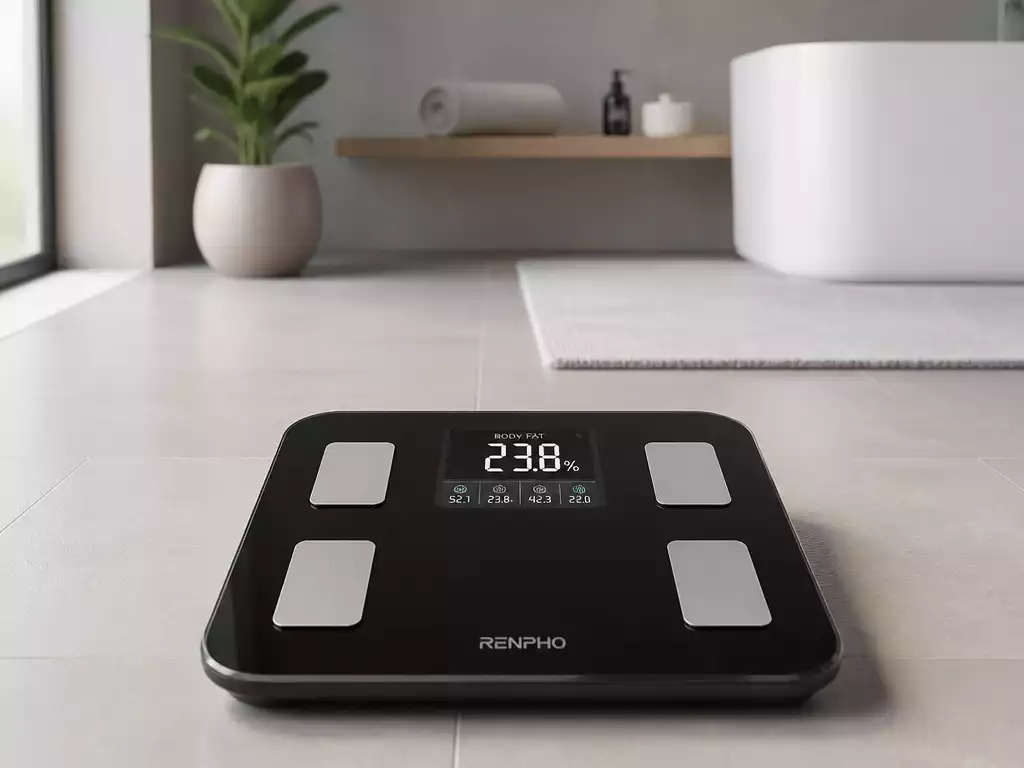
A multi-functional food scale can simplify your meal prep and enhance your food portioning experience! These scales often come equipped with features like nutrition tracking, multiple measurement units, and even recipe scaling, making them incredibly versatile.
Using a multi-functional food scale, you can easily measure and prepare ingredients for multiple meals at once, reducing waste and saving time. Here are some features that can further enhance your meal prep:
- Nutrition tracking to help with meal planning
- Multiple units of measurement for diverse cooking needs
- Recipe scaling functionalities for batch cooking
- Easy-to-read displays for quick referencing
With these capabilities, a food scale can be your best friend in the kitchen, allowing you to focus on what really matters: creating delicious, healthy meals for you and your loved ones!
Frequently Asked Questions About Food Scales
- How do digital food scales measure weight?
- Digital food scales primarily use load cells, strain gauges, and microprocessors. Load cells detect the weight, strain gauges measure the changes, and microprocessors process these signals to display the precise weight.
- What is the ‘tare’ function on a food scale?
- The ‘tare’ function allows you to reset the scale to zero after placing a container on it. This way, you only measure the weight of the ingredients you add, not the container itself, ensuring accurate measurements.
- Why is a food scale important for baking?
- In baking, precise measurements are crucial for consistent results. A food scale ensures that you measure ingredients accurately by weight, which is often more reliable than volume measurements, leading to better texture and flavor.
- Can a food scale help with nutritional tracking?
- Yes, absolutely! A food scale is an excellent tool for nutritional tracking as it allows you to accurately measure portion sizes, making it easier to monitor calorie intake and macronutrients to meet your dietary goals.
- What are the benefits of a multi-functional food scale?
- Multi-functional food scales offer features beyond basic weighing, such as nutrition tracking, multiple measurement units, and recipe scaling. These features streamline meal preparation, reduce waste, and help you achieve health goals more efficiently.
Recap of Key Points
Here is a quick recap of the important points discussed in the article:
- Food scales utilize load cells, strain gauges, and microprocessors for precise measurements.
- Taring and zeroing functions enhance accuracy by allowing you to measure only the ingredient weight.
- Food scales are beneficial for both cooking and baking, ensuring consistency in recipes.
- Using a food scale aids in nutritional tracking and better portion control.
- Multi-functional food scales offer features like nutrition tracking and recipe scaling for efficient meal prep.