Did you know that using a kitchen scale can drastically improve the consistency and flavor of your culinary creations? By embracing precision in your measurements, you open the door to a world of cooking possibilities!
What You Will Learn
- A kitchen scale ensures precise measurements, leading to improved recipe outcomes.
- Utilizing the tare function minimizes cleanup by allowing multiple ingredients to be weighed in one bowl.
- Digital scales offer quick readings and tare functions, while mechanical scales provide a more traditional experience.
- Smart scales connect to apps for recipe management and nutritional tracking, simplifying meal prep.
- Key practices include calibrating your scale regularly and using the appropriate measurement units for accuracy.
- Experimenting with different ingredients can enhance your understanding of weights and measurements in cooking.
Understanding Your Kitchen Scale and Its Importance
When it comes to cooking, having the right tools can make all the difference! A kitchen scale is one of those essential tools that can elevate your culinary game. It allows for precise measurements, ensuring that your ingredients are perfectly portioned, leading to better results in your recipes. Whether you’re baking bread or whipping up a batch of cookies, a kitchen scale helps achieve the consistency and flavor you desire.
Using a kitchen scale can also assist in following recipes accurately, especially those that list ingredients by weight rather than volume. This is particularly important for baking, where precision is key! Not only does it enhance your cooking, but it also promotes healthier eating habits by helping you monitor portion sizes.
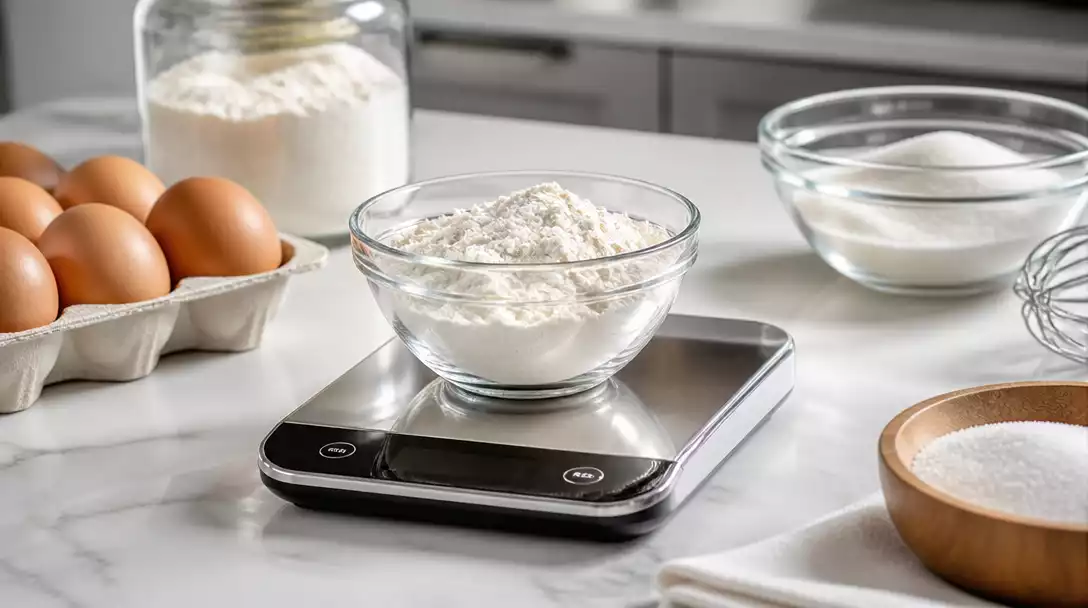
What is a Kitchen Scale and Why Use One?
A kitchen scale is a device that allows you to weigh ingredients for cooking and baking. It can be a game-changer, particularly when you are trying to follow recipes that require exact measurements. Using a scale can lead to better outcomes in your dishes, as every gram counts!
- Provides consistent results
- Helps in portion control
- Reduces the risk of ingredient errors
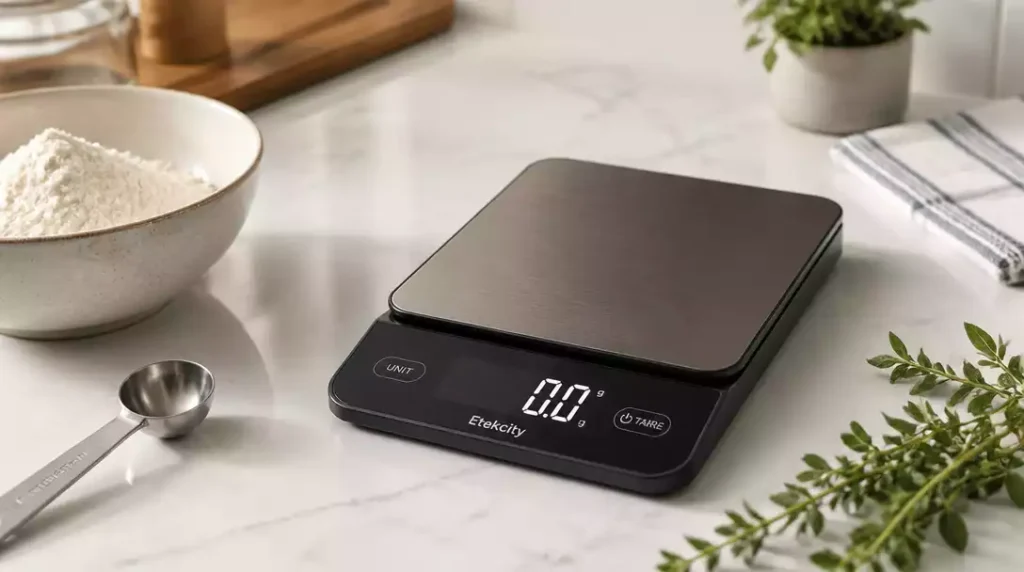
Moreover, a scale can minimize cleanup time. By using the tare function, you can weigh multiple ingredients in the same bowl without needing to transfer them to separate containers. This not only saves time but also makes the process smoother, especially in a busy kitchen environment! To learn more about this function, check out our guide on how tare works on a scale.
Types of Kitchen Scales: Digital vs. Mechanical
There are two main types of kitchen scales: digital and mechanical. Digital scales are known for their easy-to-read displays and precise measurements, while mechanical scales rely on a spring mechanism and are often viewed as more traditional.
- Digital Scales: Easy to use, often with tare functions, and give quick readings.
- Mechanical Scales: No batteries required, can be more durable, and offer a nostalgic feel.
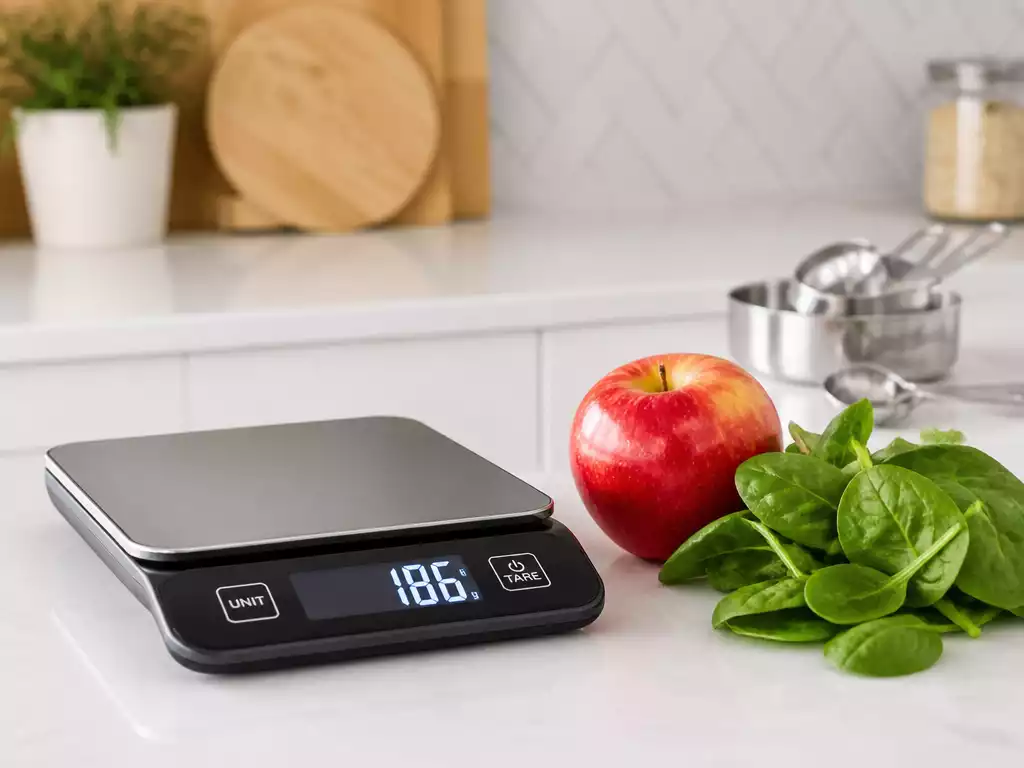
Choosing between a digital and a mechanical scale depends on your personal preference and cooking style. I personally love my digital scale because the readouts are quick and precise, making my baking experience so much more enjoyable! If you’re looking for more guidance, our article on how to choose a kitchen scale can help you make an informed decision.
Exploring the Benefits of Using a Smart Scale
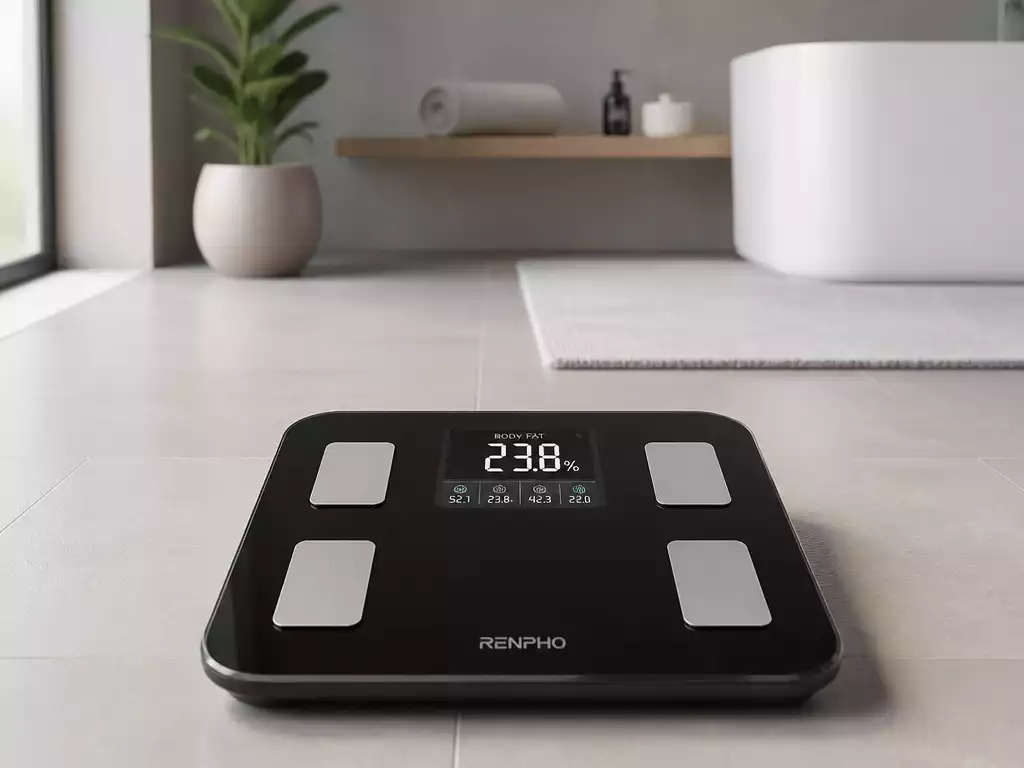
Smart scales are a recent entrant into the kitchen scale market, integrating technology to enhance your cooking experience. These scales can connect to your smartphone and help you track your ingredients, manage recipes, and even count calories.
- Syncs with mobile apps for recipe management
- Provides nutritional information
- Offers convenience with multiple measurement units
Having a smart scale in your kitchen can simplify the meal prep process, especially for those who are health-conscious or looking to experiment with new recipes. It’s like having a personal assistant in your kitchen!
Pro Tip
Did you know? Using a kitchen scale not only ensures precise measurements but can also help you adapt recipes to fit your dietary needs. By weighing ingredients, you can easily adjust portion sizes and track nutritional content—making cooking healthier and more enjoyable!
Frequently Asked Questions About Kitchen Scales
- Q: Why is precise measurement important in cooking and baking?
- A: Precise measurement ensures consistent results, enhances flavor and texture, and is crucial for recipes that rely on exact ingredient ratios, especially in baking.
- Q: What is the tare function and how does it help?
- A: The tare function allows you to zero out the weight of a container or previous ingredients, so you can weigh multiple ingredients in the same bowl without needing to transfer them, thus minimizing cleanup.
- Q: What’s the difference between digital and mechanical kitchen scales?
- A: Digital scales offer quick, precise readings with clear displays and often include a tare function. Mechanical scales are battery-free, durable, and provide a more traditional experience, relying on a spring mechanism.
- Q: How can a smart scale enhance my cooking experience?
- A: Smart scales connect to mobile apps for recipe management, provide nutritional information, and offer convenience with multiple measurement units, simplifying meal prep and tracking for health-conscious individuals.
- Q: How often should I calibrate my kitchen scale?
- A: It’s recommended to calibrate your kitchen scale regularly, ideally before each use or at least once a week, to ensure ongoing accuracy in your measurements.
Recap of Key Points for Using a Kitchen Scale
Mastering your kitchen scale can truly transform your cooking and baking experiences! By incorporating precise measurements, you not only ensure consistency but also elevate the flavors and textures of your dishes. Here’s a quick recap of the essential points to remember:
- Ensure your scale is on a flat, stable surface for accurate readings.
- Select the appropriate measurement units for your recipe.
- Utilize the tare function to zero out containers before adding ingredients.
- Weigh ingredients carefully and read the display for precision.
- Regularly calibrate your scale for ongoing accuracy.
These steps may seem simple, but they can make a significant impact on your culinary outcomes. I can’t stress enough how essential it is to practice these techniques consistently!
Final Thoughts on Mastering Your Kitchen Scale
Using a kitchen scale effectively is about more than just numbers; it’s a skill that improves with practice. My journey started with a simple scale, and now, it’s one of my most trusted kitchen tools. Embrace the learning curve, and soon enough, weighing ingredients will feel as natural as chopping vegetables!
Whether you are an amateur cook or a seasoned chef, mastering your kitchen scale can pave the way for delicious results. Trust me, the more you practice, the more intuitive it becomes. For those interested in tracking specific dietary components, learning how to use a food scale for macros can be incredibly beneficial.
Encouragement to Practice and Experiment with Weighing
I encourage you to take the plunge and start experimenting! Don’t be afraid to try new recipes that require precise measurements. The beauty of using a kitchen scale is that it opens a world of culinary possibilities!
- Try weighing different types of ingredients—like flour, sugar, and liquids—to see how they differ.
- Engage your kids or friends in the process to make it a fun activity!
- Document your successes and learn from any missteps along the way.
With a bit of practice, weighing ingredients will soon become second nature, and you’ll be amazed at how it enhances your cooking experiences!
Next Steps: Enhance Your Culinary Skills with Precision Measuring
Resources for Further Learning: Books and Online Tutorials
If you’re eager to dive deeper into precise measuring techniques, there are fantastic resources out there! Here are a few that I highly recommend:
- “The Science of Good Cooking” by Cook’s Illustrated—this book explores the principles behind cooking, including the importance of accurate measurements.
- Online courses on platforms like Skillshare or Coursera that focus on culinary skills.
- YouTube tutorials that provide visual demonstrations of using a kitchen scale effectively.
These resources can help you gain confidence and refine your skills, making your cooking experience even more enjoyable!
Cooking Tips for Perfect Measurements Every Time
As you embark on your journey of precise measuring, here are some tips to ensure perfect measurements every time:
- Always calibrate your scale before use to maintain accuracy. Our guide on how to calibrate a kitchen scale offers detailed instructions.
- Invest in a scale that displays measurements clearly—this makes reading results much easier!
- Consider using a bowl or container with a spout for easy pouring and less mess.
These simple tips can save you time and frustration in the kitchen, allowing you to focus on what truly matters: creating delicious meals!
Call to Action: Share Your Kitchen Scaling Experiences
I’d love to hear about your experiences with kitchen scaling! Have you tried any new recipes or found success in your measurements? Please share your stories with me. Your insights could inspire others to embrace the art of cooking with precision!
Let’s keep the conversation going—together, we can learn and grow as culinary enthusiasts!
Recap of Key Points
Here is a quick recap of the important points discussed in the article:
- Ensure your scale is on a flat, stable surface for accurate readings.
- Select the appropriate measurement units for your recipe.
- Utilize the tare function to zero out containers before adding ingredients.
- Weigh ingredients carefully and read the display for precision.
- Regularly calibrate your scale for ongoing accuracy.