In the quest for weight loss, many overlook a crucial ally: the humble food scale. This often underestimated tool not only helps with accurate portion control but also fosters a deeper understanding of our eating habits. It can redefine your relationship with food, making your weight loss journey not just effective, but also sustainable.
What You Will Learn
- A food scale enhances portion control, reducing the risk of overeating.
- Accurate measurements improve accountability in your weight loss journey.
- Weighing food simplifies tracking caloric intake and nutritional goals.
- Transitioning from scale use to intuitive eating builds a healthier relationship with food.
- Mindful eating habits and awareness of nutritional content are key to sustainable weight management.
The Role of a Food Scale in Weight Loss
A food scale is a simple yet powerful tool that can make a significant difference in your weight loss journey. By providing precise measurements, a food scale helps you keep track of your food intake more accurately. Many people overlook its importance, but once you start using it, you’ll see how it enhances your ability to manage portions effectively!
Using a food scale is not just about weighing your meals; it’s about creating awareness around what you’re consuming. When I first started my weight loss journey, using a food scale transformed my relationship with food. It helped me understand portion sizes better and made me more mindful of my eating habits.
What is a Food Scale and Why Use It?
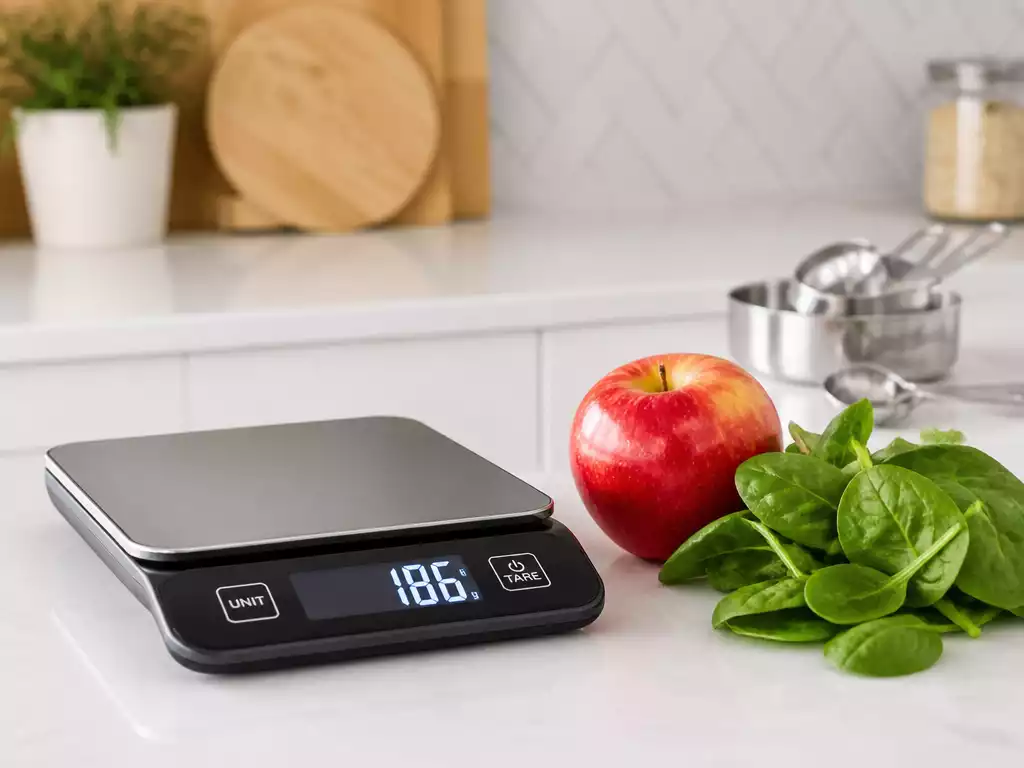
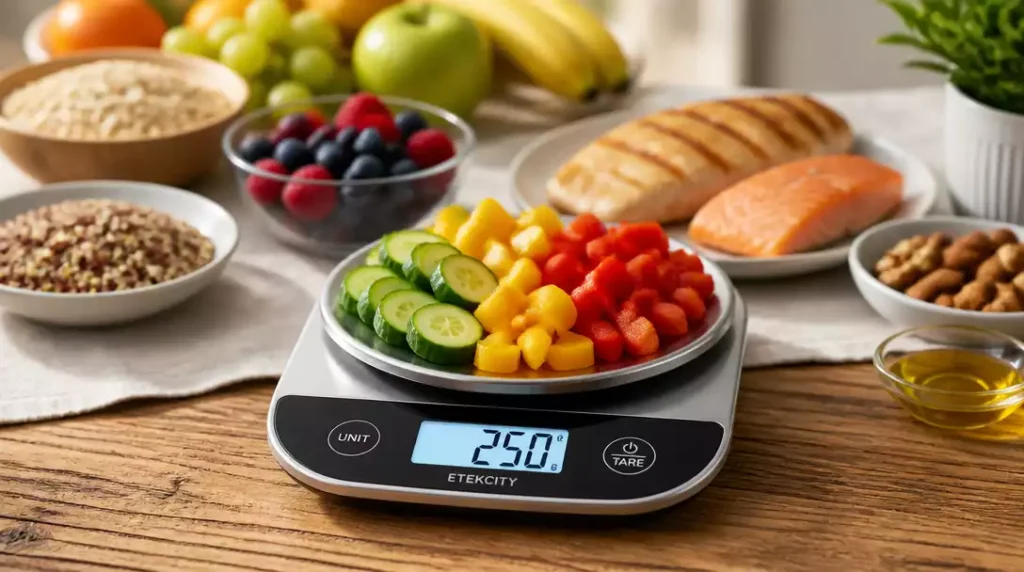
A food scale is a device specifically designed to measure the weight of food items accurately. Whether you’re measuring fruits, vegetables, grains, or proteins, a scale can provide a level of precision that estimating portion sizes simply can’t match. Plus, it’s incredibly easy to use!
- Helps in tracking precise food portions.
- Encourages mindful eating practices.
- Supports calorie counting and nutritional tracking.
Incorporating a food scale into your daily routine can be a game-changer. It allows you to take control of your diet and make informed choices, leading to healthier habits over time. To learn more about how these devices operate, consider reading how does a food scale work.

Benefits of Accurate Measurements for Weight Loss Success
One of the biggest advantages of using a food scale is the accuracy it brings to your dietary habits. When you measure food accurately, you get a better picture of your caloric intake, which is essential for weight loss. This precision can prevent unintentional overeating! Here are some benefits of accurate measurements:
- Improved portion control, which prevents excess calorie consumption.
- Better understanding of macronutrient ratios.
- Increased accountability in your weight loss journey.
With these benefits, it becomes clear why so many people find success when incorporating a food scale into their weight-loss strategies. The more accurate your measurements, the more effectively you can reach your goals!
How a Food Scale Aids in Tracking Caloric Intake
Tracking your caloric intake is crucial for weight loss, and a food scale simplifies this process. By weighing your food, you can log calories more accurately into your food diary or app. This ensures that you are aware of exactly how much you are consuming and can make adjustments as needed.
- Allows for easier calorie counting.
- Helps you understand serving sizes better, leading to informed decisions.
- Facilitates tracking of your daily nutrition goals.
In my experience, using a food scale has transformed my approach to calorie tracking. It’s not just about restricting yourself; it’s about knowing what you’re putting into your body and how it aligns with your health goals! For a detailed guide on tracking calories, check out how to use a food scale for calories.
Pro Tip
Did you know? Regularly calibrating your food scale can enhance its accuracy. Make it a habit to check your scale’s precision every few months to ensure you’re getting the most reliable measurements. This small step can make a big difference in your weight loss journey!
Summarizing the Benefits of Using a Food Scale for Weight Loss
Using a food scale can dramatically change the way you approach weight loss. Precision in measuring portions allows you to have a clearer picture of your caloric intake, which is essential for effective weight management. When you weigh your food, you’re not just counting calories; you’re gaining insights into portion sizes and nutritional values that can help you make better food choices!
One of the biggest advantages of this practice is the consistency it provides. With accurate measurements, you’re more likely to maintain a steady weight over time. This can prevent the dreaded yo-yo dieting that many experience. Remember, the key to successful weight loss is not just the numbers on the scale but how you feel and respond to your eating habits.
Consistent Weight Management Through Precision
By regularly using a food scale, you can achieve more reliable results in your weight loss journey. Here are some benefits of precise measurements:
- Enhanced awareness of portion sizes
- Ability to track progress accurately
- Reduced likelihood of overeating
- Better understanding of nutritional content
As you can see, the act of weighing food can lead to greater accountability. I often remind my clients that it’s not just about losing weight but also about developing a healthier relationship with food.
Transitioning from Scale Use to Intuitive Eating
Once you feel confident in your portion control and nutritional knowledge, you can start transitioning from using a food scale to intuitive eating. This is where you learn to listen to your body’s hunger and fullness cues. By this stage, the knowledge gained from weighing your food will have laid a solid foundation.
It’s important to recognize that moving away from the scale doesn’t mean abandoning your progress. Intuitive eating allows you the freedom to enjoy your meals while still being mindful of your choices. Start by asking yourself these questions:
- Am I hungry or just bored?
- What are my cravings telling me?
- How does this food make me feel?
These reflections will guide you as you transition away from the scale while still fostering a healthy eating pattern.
How Food Scales Support Sustainable Weight Loss Practices
Food scales not only help with immediate weight loss goals but also support sustainable practices that can last a lifetime. The knowledge you gain from weighing your food can empower you to make informed decisions even when you’re not measuring. Here’s how:
- Encourages mindful eating habits
- Promotes balanced nutrition through awareness
- Aids in identifying calorie-dense foods to balance your diet
- Encourages flexibility in meal planning
Incorporating a food scale into your routine can change your perspective on food. It’s not just about the numbers; it’s about creating a sustainable lifestyle that you can maintain. As I always say, healthy living is a journey, and a food scale is one of the best tools to help you along the way! If you’re looking for more tips on using your scale effectively, consider reading how to clean a food scale.
Frequently Asked Questions About Food Scales and Weight Loss
Here are some common questions about using food scales for weight loss:
- Why is a food scale important for weight loss?
A food scale is crucial because it provides accurate measurements of your food portions, which helps prevent overeating and ensures precise tracking of caloric intake. This accuracy is key for effective weight management and understanding your eating habits. - How does a food scale help with portion control?
By weighing your food, a food scale gives you an exact understanding of serving sizes, making it easier to stick to recommended portions. This eliminates guesswork and helps you manage your food intake more effectively to meet your weight loss goals. - Can a food scale help with calorie counting?
Absolutely. A food scale allows you to accurately measure ingredients, making calorie counting much more precise. This ensures that the calorie data you log into your food diary or app is reliable, enabling you to make informed adjustments to your diet. - When can I transition from using a food scale to intuitive eating?
You can start transitioning to intuitive eating once you’ve gained confidence in your portion control and nutritional knowledge through consistent food scale use. This typically involves learning to listen to your body’s hunger and fullness cues while still being mindful of your food choices. - What are the long-term benefits of using a food scale for weight loss?
Beyond immediate weight loss, a food scale supports sustainable practices by fostering mindful eating habits, promoting balanced nutrition, and increasing awareness of calorie-dense foods. This knowledge empowers you to make informed decisions and maintain a healthy lifestyle in the long run.
Recap of Key Points
Here is a quick recap of the important points discussed in the article:
- Using a food scale enhances portion control, helping you manage your food intake effectively.
- Accurate measurements support better understanding of your caloric intake and nutritional values.
- Tracking food with a scale aids in calorie counting and promotes mindful eating practices.
- Regular use of a food scale fosters consistency in weight management and reduces the risk of overeating.
- Transitioning to intuitive eating is possible once you have built a solid foundation with portion control and nutrition knowledge.
- Food scales encourage sustainable weight loss practices by promoting balanced nutrition and mindful eating habits.