

Have you ever wondered how much more you can learn about your health beyond just a number on the scale? Smart scales provide an insightful look into your body composition, empowering you to take control of your wellness journey!
What You Will Learn
- Smart scales use bioelectrical impedance analysis to measure body fat percentage, muscle mass, and hydration levels, offering a comprehensive health snapshot.
- Regularly tracking body composition metrics can help you make informed decisions about your diet and exercise routine for better results.
- Setting a consistent weighing schedule can enhance accuracy and help identify trends, making your health journey more manageable.
- Integrating health tracking apps with your smart scale can provide deeper insights and keep you motivated towards achieving your wellness goals.
Smart Scales: An Introduction to Body Composition Tracking
Smart scales are not just your ordinary weighing machines; they’re advanced tools that offer insights into your body composition. By utilizing bioelectrical impedance analysis, these scales measure various metrics that go beyond weight alone. Through a simple stand-on, smart scales can provide valuable data such as body fat percentage, muscle mass, and even hydration levels!
These devices work by sending a small electrical current through your body to assess your composition. The scales then transmit this data to a connected app on your smartphone, where you can easily track your progress over time. It’s like having a personal health assistant right at your fingertips!
What is a Smart Scale and How Does It Work?
At their core, smart scales offer a more comprehensive view of your health than traditional scales. Each time you step on the scale, it calculates metrics based on your specific profile and the electrical current it sends through your body. This makes it easy to monitor changes in your body composition without needing to visit a clinic!
- Weight: The most basic metric, but essential for tracking changes over time.
- Body Fat Percentage: Indicates how much of your weight is made up of fat.
- Muscle Mass: Helps you understand how much lean muscle you have.
- Water Percentage: Indicates your hydration levels, which are crucial for overall health.
These metrics can empower you to make informed decisions about your fitness and health journey. By regularly checking these numbers, I’ve found it easier to adjust my diet and exercise routine for optimal results. If you’re curious about how these devices compare to other weighing tools, you might find our guide on how a digital bathroom scale works insightful.
Benefits of Using a Smart Scale for Health Tracking
Integrating a smart scale into your health routine provides numerous benefits that go beyond just tracking weight. One of the main advantages is the ability to view trends over time, helping you stay motivated and accountable on your wellness journey. It’s like having a snapshot of your health that evolves with you!
- Comprehensive Insights: Get a clear picture of your overall health beyond just weight.
- Goal Setting: Set realistic targets for body fat and muscle gain, for example.
- Motivation: Seeing progress over time can keep you engaged.
In my experience, having a smart scale has provided me with motivation that traditional scales just couldn’t match. Insights into my body composition made the journey of achieving my health goals much more dynamic and engaging!
Insights into Body Composition Metrics: BMI, Muscle Mass, and Fat Percentage
When it comes to body composition, understanding metrics like BMI, muscle mass, and fat percentage can be crucial. For example, BMI (Body Mass Index) helps categorize your weight in relation to your height, serving as a quick health assessment tool. However, it’s not the whole story!
- Muscle Mass: Knowing your muscle mass can help you tailor your workout regime.
- Fat Percentage: This figure provides a clearer picture of your health compared to weight alone.
- Hydration Level: Staying hydrated is essential for optimizing performance and recovery.
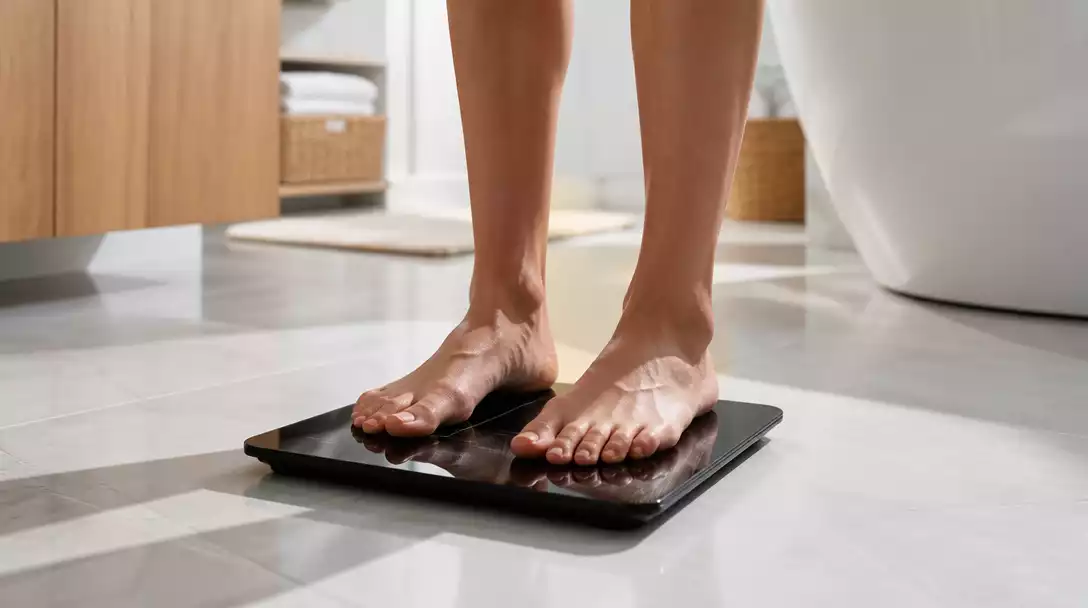
As I’ve tracked these metrics, I’ve gained a better understanding of my body, leading to improved fitness decisions. Trust me, these insights can significantly shape how you approach health and wellness!
Pro Tip
To enhance your experience with a smart scale, consider taking regular measurements at the same time each day. Consistency in timing helps to minimize fluctuations caused by daily activities, providing a clearer picture of your body composition trends over time!
Maximizing Your Smart Scale Experience: Tips and Insights
To truly make the most of your smart scale, it’s essential to create a routine that fosters effective weight and body composition tracking. Having a consistent schedule can help you gain valuable insights into your progress and keep you motivated along your health journey.
By establishing a habit around using your scale, you’ll not only track your weight but also monitor changes in muscle mass and fat percentage, which is crucial for a holistic view of your health. Here are some tips to create that routine:
- Weigh yourself at the same time each day for consistency.
- Take measurements under similar conditions, like after waking up.
- Keep your scale in a designated spot for easy access.
Integrating these practices will ensure that you’re getting the most accurate readings from your smart scale! For more general information on using scales, you might want to check out our guide on how a scale works.
When and How Often to Weigh Yourself for Accurate Trends
Finding the right frequency for weighing yourself can be tricky. While daily weigh-ins can provide a detailed picture, they might also lead to unnecessary stress. I recommend sticking to a routine that feels comfortable for you, whether that’s daily, weekly, or bi-weekly. Here’s a simple approach:
- Daily weigh-ins can help spot trends but might fluctuate due to factors like water retention.
- Weekly weigh-ins offer a more stable view of your progress.
- Monthly check-ins can provide insights into long-term trends without the daily fluctuations.
Ultimately, the goal is to track your progress in a way that keeps you motivated rather than discouraged!
Utilizing Health Tracking Apps for Comprehensive Wellness Monitoring
Smart scales often come with companion apps that enhance your tracking experience. Using these apps effectively can lead to a more comprehensive view of your health. Here are some ways to leverage health tracking apps:
- Log your weight and body composition metrics.
- Set personal goals and reminders to stay accountable.
- View historical data to track your progress over time.
By staying engaged with the app, you’ll find it easier to identify trends and make informed decisions about your health.
Integrating Smart Scales with Fitness Apps and Wearables
Consider integrating your smart scale with other fitness apps and wearables. This offers a holistic view of your health and fitness journey. Here’s how to do it:
- Sync your smart scale with fitness trackers to correlate activity with body composition changes.
- Use food diary apps in conjunction with your scale to monitor caloric intake versus weight changes.
- Explore community features in apps for support and shared experiences.
By combining the data from your smart scale with other health tracking tools, you’ll gain deeper insights into your wellness journey!
Frequently Asked Questions About Smart Scales
- What is a smart scale?
- A smart scale is an advanced weighing device that uses bioelectrical impedance analysis to measure various body composition metrics beyond just weight, such as body fat percentage, muscle mass, and hydration levels.
- How do smart scales work?
- Smart scales work by sending a small, safe electrical current through your body. The resistance encountered by this current is used to estimate different components of your body composition. This data is then transmitted to a linked app on your smartphone for tracking.
- What are the key metrics measured by a smart scale?
- Key metrics include weight, body fat percentage, muscle mass, water percentage (hydration levels), and often BMI (Body Mass Index).
- What are the benefits of using a smart scale?
- Benefits include comprehensive insights into your overall health, ability to set realistic fitness goals, increased motivation through tracking progress over time, and the convenience of having data automatically logged in an app.
- How often should I weigh myself with a smart scale for accurate trends?
- The ideal frequency varies. Daily weigh-ins can show short-term fluctuations, while weekly or bi-weekly weigh-ins offer a more stable view of your progress. Consistency in timing (e.g., every morning) and conditions is more important than daily checks for identifying accurate trends.
- Can smart scales be integrated with other fitness apps and wearables?
- Yes, many smart scales can sync with popular fitness apps and wearables to provide a more holistic view of your health, combining body composition data with activity levels and dietary intake. If you encounter issues with connectivity, our guide on how to connect a smart scale might be helpful.
Recap of Key Points
Here is a quick recap of the important points discussed in the article:
- Smart Scales: These advanced tools provide insights into body composition, measuring metrics beyond just weight.
- Key Metrics: Track essential metrics including body fat percentage, muscle mass, and hydration levels for a comprehensive health overview.
- Routine Weighing: Establish a consistent routine for weighing yourself to gain valuable insights into your progress and maintain motivation.
- Health Tracking Apps: Utilize companion apps for logging metrics, setting goals, and viewing historical data to enhance your tracking experience.
- Integration: Sync your smart scale with fitness apps and wearables for a holistic view of your health journey and to correlate activity with body composition changes.





