In the world of cooking, precision is key! Every home chef knows that even the smallest miscalculation can lead to vastly different outcomes in flavor and texture. This article will equip you with the essential knowledge needed to calibrate your kitchen scale effectively, ensuring your culinary creations are always on point.
What You Will Learn
- Calibration is crucial for ensuring your kitchen scale provides accurate measurements.
- Understanding how to calibrate your scale can enhance your cooking confidence and guarantee recipe consistency.
- Accurate measurements improve flavor, texture, and overall dish quality, especially in baking.
- Regular maintenance and calibration can prolong the life and accuracy of your kitchen scale.
Understanding Calibration for Your Digital Kitchen Scale
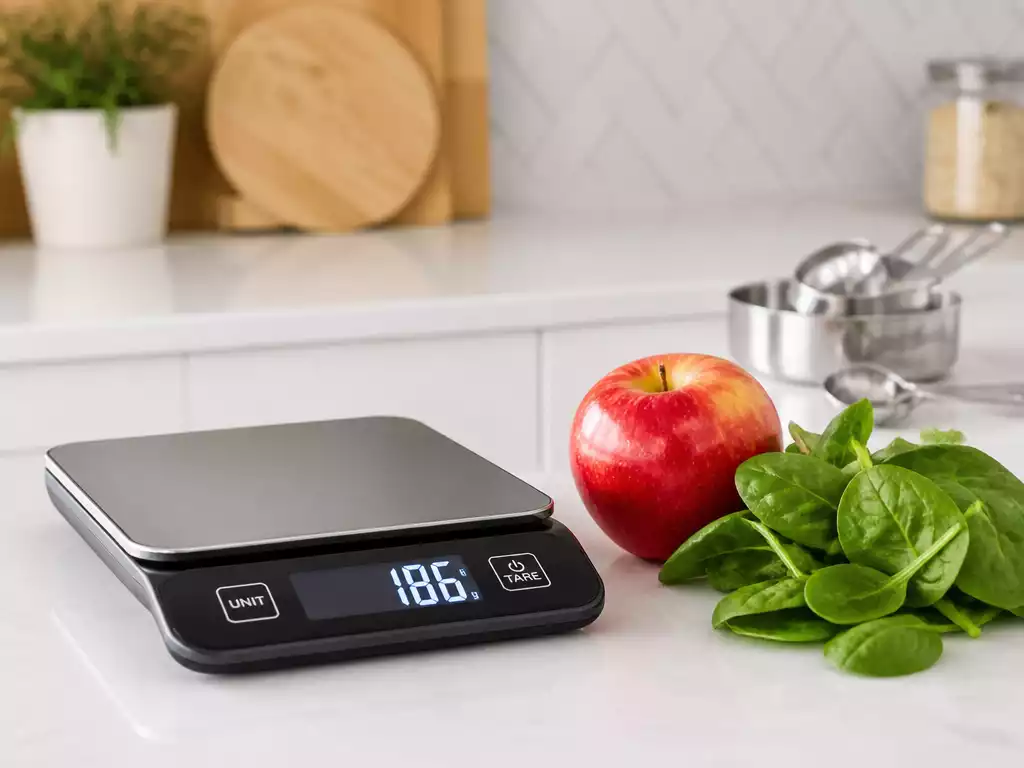
When it comes to cooking, precision is everything! Calibration is a crucial process that ensures your digital kitchen scale provides accurate measurements. It involves adjusting the scale to ensure that it reads weights correctly. Whether you’re measuring flour for a cake or portioning out ingredients for dinner, calibrating your scale helps achieve the best results.
Many home cooks overlook the calibration of their kitchen scales, but it’s essential for anyone who wants to guarantee their recipes turn out consistently. By understanding how to calibrate your scale, you’ll not only improve your cooking but also increase your confidence in the kitchen!
What Does It Mean to Calibrate a Kitchen Scale?
Calibrating your kitchen scale means setting it to a known standard, so it measures accurately every time. This process typically involves using a specific weight to adjust the scale’s reading. It’s not a complicated task, but it’s one that can make a significant difference in your cooking.
- Ensure your scale displays zero with no weight on it.
- Use a certified weight or known object to set the scale.
- Follow your scale’s specific calibration instructions.
By performing these steps, you’re helping your scale maintain its precision. After calibration, you can trust that every measurement is spot on, allowing for flawless baking and cooking.
Importance of Accurate Measurements in Cooking and Baking
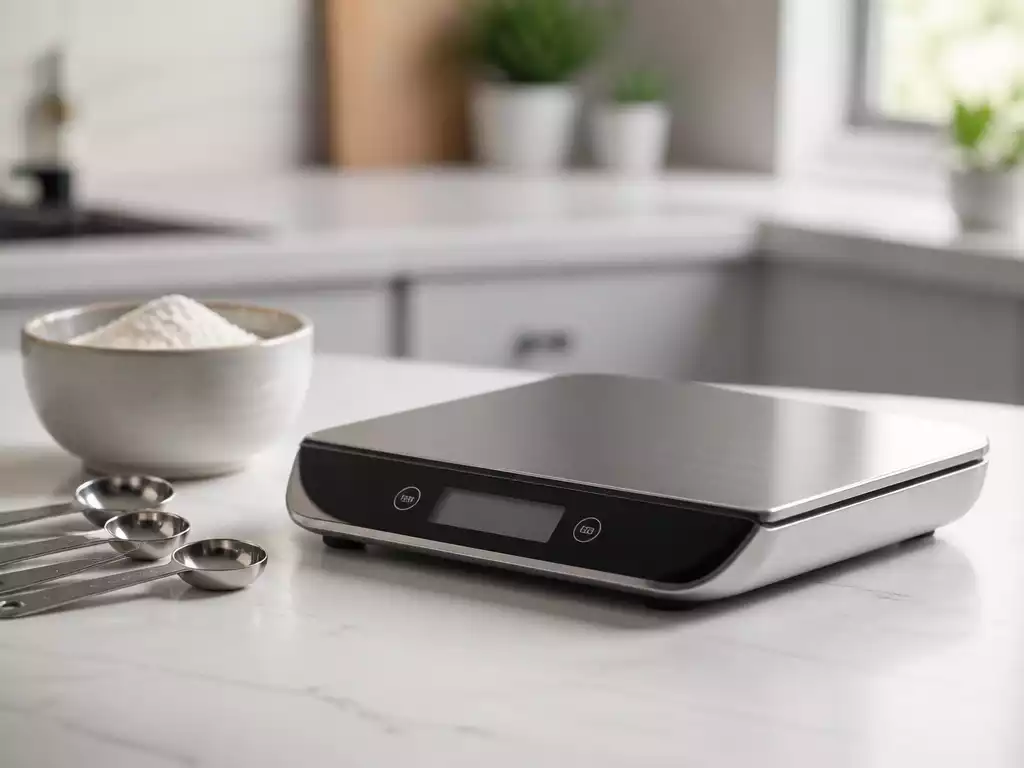
Accurate measurements are the backbone of successful cooking and baking. In baking, for instance, the ratio of ingredients can determine whether your cake rises perfectly or falls flat. Using a calibrated kitchen scale ensures that you’re measuring your flour, sugar, and other ingredients correctly.
Moreover, cooking often involves balancing flavors and textures. A precise measurement of ingredients can elevate a dish from ordinary to extraordinary. Imagine the difference in taste when you nail that perfect ingredient balance!
- Consistency in flavor and texture
- Reduced waste of ingredients
- Enhanced confidence in your cooking skills
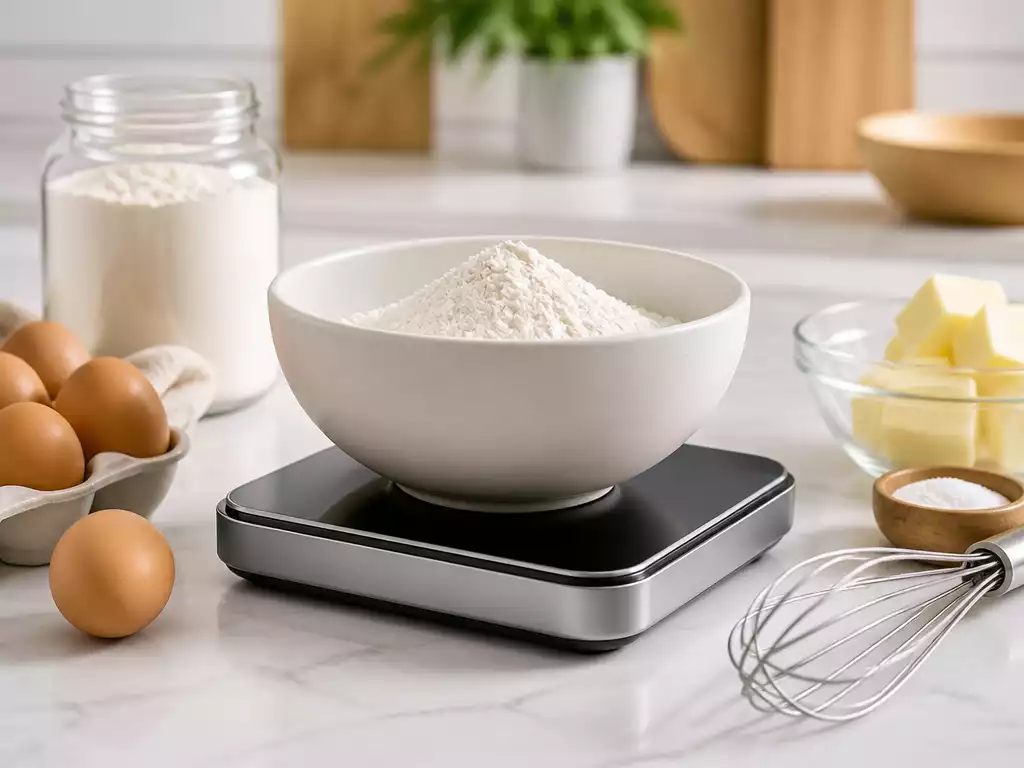
Precision Measurement: The Key to Perfect Cooking
The secret to becoming a great home cook is understanding that even minor miscalculations can lead to major changes in your dish. Precision measurement leads to better control over your cooking process. For example, too much salt can ruin a meal, while too little can leave it bland!
By ensuring that your kitchen scale is calibrated correctly, you are setting the stage for culinary success. It allows for experimentation with new recipes while giving you the assurance that your measurements are accurate. This way, you can enjoy the cooking process without second-guessing yourself.
Pro Tip
Did you know? Regularly calibrating your kitchen scale not only improves accuracy but also helps build your confidence in the kitchen. Make it a habit to check your scale before significant baking sessions or when trying new recipes. This small step can lead to consistent culinary success!
Ensuring Long-Term Accuracy of Your Kitchen Scale
When it comes to cooking, the accuracy of your kitchen scale plays a pivotal role in achieving the perfect recipe. Without proper care and maintenance, even the most reliable scales can become inaccurate over time. As someone who loves spending time in the kitchen, I can assure you that a little attention now can save you from major culinary mishaps later!
In this section, we’ll discuss the best practices for storing and maintaining your scale, and the importance of regular calibration. Trust me, following these tips will help ensure your kitchen scale remains a trusty tool in your cooking arsenal.
Best Practices for Storing and Maintaining Your Scale
Proper storage of your kitchen scale can significantly prolong its lifespan and accuracy. Here are some best practices to consider:
- Keep your scale in a dry, cool place away from direct sunlight.
- Avoid placing heavy objects on top of the scale when it’s not in use.
- Regularly clean the surface with a soft cloth, ensuring no food particles are stuck.
- Store your scale on a flat surface to prevent any bending or warping.
By following these simple maintenance steps, you can prevent unnecessary wear and tear. Remember, the goal is to keep your scale functioning optimally so it can deliver precise measurements every time you cook!
The Role of Calibration Frequency in Maintaining Measurement Accuracy
Calibration is not just a one-time task; it’s essential to make it a regular part of your kitchen routine. But how often should you calibrate your kitchen scale? Here are some guidelines:
- After moving your scale to a different location.
- Before starting a big baking project, especially if you’re trying a new recipe.
- Every few months as part of routine maintenance, even if you use it less frequently.
By calibrating regularly, you’ll catch any inaccuracies early. This proactive approach will help maintain your scale’s reliability, ensuring you can measure ingredients confidently. Trust me, there’s nothing worse than realizing halfway through baking that your scale isn’t giving the right readings!
Frequently Asked Questions (FAQs)
- Q: Why is calibration important for a kitchen scale?
- A: Calibration ensures your digital kitchen scale provides accurate measurements, which is crucial for consistent cooking results, especially in baking where ingredient ratios are vital. It helps maintain flavor, texture, and overall dish quality.
- Q: How often should I calibrate my kitchen scale?
- A: It’s recommended to calibrate your scale after moving it, before significant baking projects (especially new recipes), and every few months as part of routine maintenance, even with infrequent use.
- Q: What does it mean to calibrate a kitchen scale?
- A: Calibrating means setting your scale to a known standard so it measures accurately. This usually involves placing a specific, known weight on the scale and adjusting its reading according to the manufacturer’s instructions.
- Q: What are the benefits of accurate measurements in cooking?
- A: Accurate measurements lead to consistent flavor and texture, reduce ingredient waste, and enhance your confidence in the kitchen. They are key to achieving perfect culinary results and successful experimentation with new recipes.
- Q: How can I prolong the life and accuracy of my kitchen scale?
- A: To prolong its life and accuracy, store your scale in a dry, cool place away from direct sunlight, avoid placing heavy objects on it when not in use, regularly clean its surface, and store it on a flat surface to prevent warping. Regular calibration is also essential.
Recap of Key Points
Here is a quick recap of the important points discussed in the article:
- Calibration is essential for accurate measurements in cooking and baking.
- Always ensure your scale is zeroed before use and follow specific calibration instructions.
- Proper storage and maintenance can prolong the life and accuracy of your kitchen scale.
- Regular calibration should be part of your kitchen routine, especially after moving the scale or before significant baking projects.
- Accurate measurements lead to consistent flavors, reduced waste, and increased confidence in cooking.