
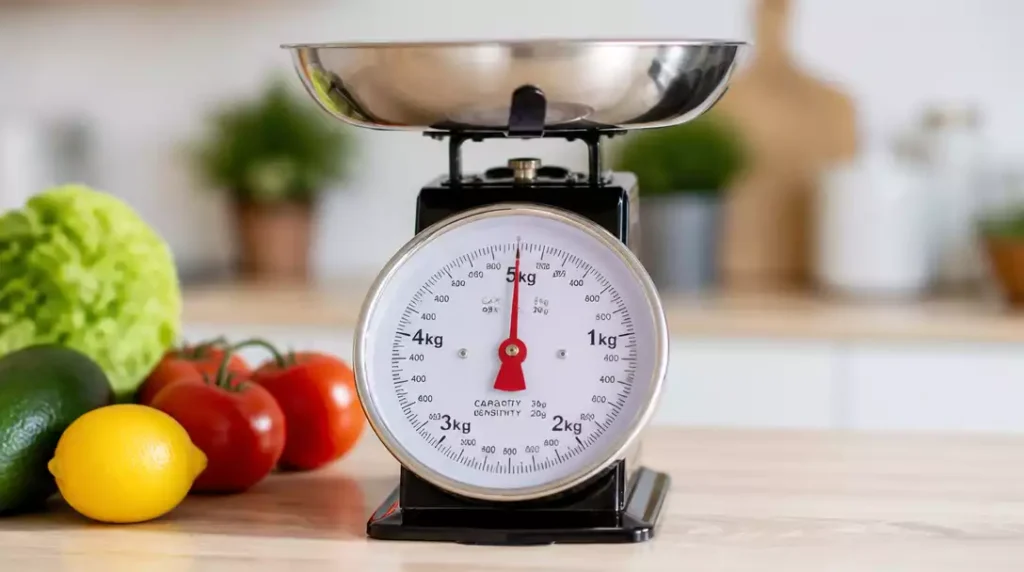
When thinking about your weighing needs, consider the timeless reliability of mechanical scales—devices that have stood the test of time in both kitchens and bathrooms. Their straightforward operation and durability can significantly enhance your daily routine.
What You Will Learn
- Mechanical scales operate without electricity, making them reliable and easy to maintain.
- There are two primary types of mechanical scales: bathroom scales for body weight and kitchen scales for ingredients.
- Key features to consider when choosing a mechanical scale include weight capacity, dial readability, and construction quality.
- For accurate measurements, always place your scale on a flat surface, zero it before use, and clean it regularly.
Mechanical Scales: A Brief Overview
Mechanical scales have been a staple in kitchens and bathrooms for years. Their straightforward design makes them easy to use and reliable for getting weight measurements without the need for batteries or advanced technology. I love how these scales blend simplicity with functionality, providing accurate results with just a few simple steps.
At their core, mechanical scales operate using a system of gears and springs. This means you can count on them for consistent performance. If you’re looking to incorporate one into your daily routine, it’s essential to know what to look for and how to use them effectively!
What is a Mechanical Scale?
A mechanical scale is a weighing device that uses a mechanical mechanism to display weight. Unlike digital scales, which rely on electronic components, mechanical scales show weight through a needle and dial system. This makes them incredibly durable and less likely to malfunction due to dead batteries!
- Operates without electricity
- Simple construction for easy maintenance
- Often more affordable than digital counterparts
Due to their simplicity, mechanical scales are great for anyone who prefers a no-frills approach to weight measurement. Plus, they can add a touch of vintage charm to your home!
Types of Mechanical Scales: Bathroom vs. Kitchen
When it comes to mechanical scales, you’ll find that they come in two primary types: bathroom scales and kitchen scales. Each serves a different purpose, tailored to fit specific needs in your daily life. For more detailed guidance on getting the most out of your body weight measurements, explore how to use a bathroom scale effectively.
- Bathroom Scales: Designed to measure body weight, these scales typically feature larger dials for easy reading.
- Kitchen Scales: These are smaller and meant for weighing ingredients. They often come with bowl attachments for convenience.
Choosing the right type depends on what you plan to use the scale for. If you’re watching your weight, a bathroom scale will do the trick. On the other hand, if you love cooking, a kitchen scale is your best friend!
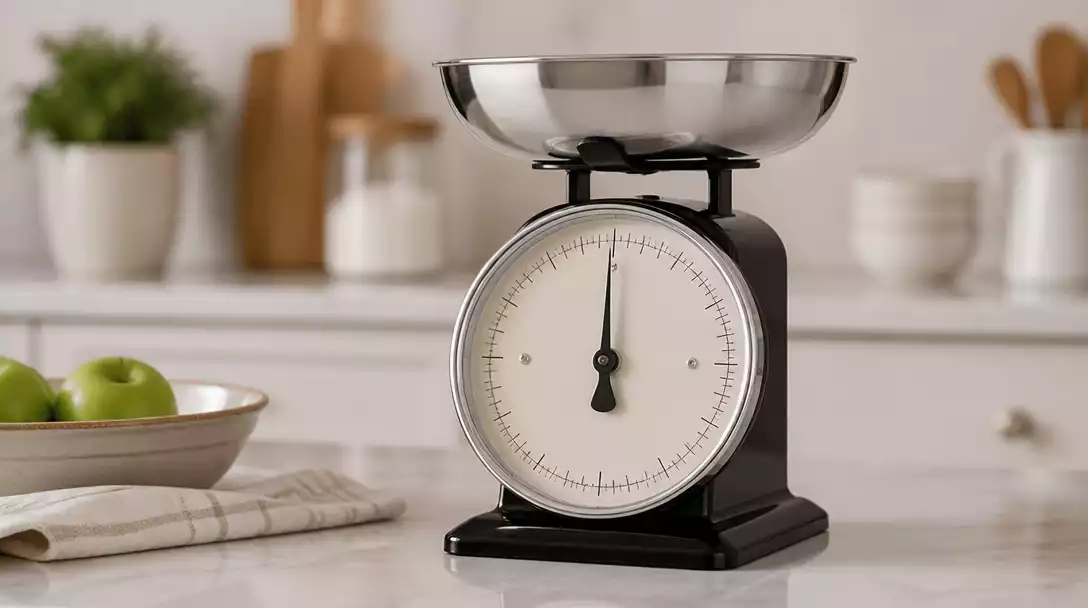
Key Features of Mechanical Scales to Consider
When selecting a mechanical scale, there are some key features to keep in mind. Not all scales are created equal, and picking the right one can make a big difference in your weighing experience.
- Weight Capacity: Ensure the scale can handle the maximum weight you plan to measure.
- Dial Readability: Look for clear markings on the dial for easy reading.
- Construction Quality: A sturdy scale will last longer and provide more accurate readings.
By considering these features, you’ll find a mechanical scale that suits your needs perfectly. After all, the right scale can make your life so much easier, whether in the kitchen or bathroom!
Pro Tip
Did you know? Regularly checking the calibration of your mechanical scale can significantly enhance the accuracy of your measurements. Make it a routine to calibrate your scale at least once a month, or before starting any weight tracking regimen. This simple practice can save you from potential discrepancies and ensure you stay on track with your health goals! If you’re looking for instructions on maintaining accuracy, learn how to calibrate a bathroom scale to keep your readings precise.
Wrapping Up: Key Takeaways on Using Mechanical Scales
As we wrap up our exploration of mechanical scales, it’s essential to keep in mind some key takeaways that can enhance your weighing experience. Mechanical scales are reliable tools, but to get the most out of them, it’s crucial to follow best practices. From setup to maintenance, every step matters!
By ensuring proper placement, regular calibration, and using correct weighing techniques, you can achieve accurate measurements every time. Now, let’s delve into some final tips that will help you on your journey with mechanical scales.
Final Tips for Accurate Measurements
To ensure you’re getting the most precise readings from your mechanical scale, consider these tips:
- Always place your scale on a flat, stable surface to avoid measurement discrepancies.
- Make it a habit to zero your scale before each use—this simple step guarantees accuracy.
- Stand still and centered on the scale for the duration of the reading to prevent fluctuations.
- Regularly clean your scale to maintain its condition and performance over time.
These practices will keep your scale functioning optimally, allowing you to focus on your health and wellness goals with confidence!
Comparing Mechanical vs. Digital Scales: Which is Right for You?
When considering whether to invest in a mechanical or digital scale, it’s helpful to weigh the pros and cons of each. Mechanical scales offer a vintage charm and don’t require batteries, while digital scales provide more precise readings and often come with additional features. Here’s a quick comparison:
- Mechanical Scales: No batteries needed, durable, and often less expensive.
- Digital Scales: More precise measurements, various features (like memory functions), and easier to read.
- Considerations: Think about your weighing needs and preferences when making your choice.
Each type of scale serves different preferences, so choose what aligns best with your lifestyle!
Exploring Popular Brands and Market Variations in Mechanical Scales
There are a variety of brands and models available in the market, each offering unique features and design aesthetics. Some popular brands known for their quality mechanical scales include:
- Salter: Known for its classic designs and durability.
- Tanita: Offers precision engineering and reliable performance.
- WeightWatchers: Focuses on user-friendly designs, often incorporating wellness features.
When selecting a mechanical scale, consider not only the brand but also the specific features that cater to your needs. This ensures you’ll find a scale that not only fits your style but also meets your functionality requirements! For those interested in culinary precision, understanding how to choose a kitchen scale can help you find the perfect tool for your gastronomic adventures.
Frequently Asked Questions about Mechanical Scales
Here are some common questions about mechanical scales to help you better understand and utilize them.
How do mechanical scales work?
Mechanical scales operate using a system of springs and gears. When weight is applied, these components move a needle across a dial to display the measurement, without the need for electricity or batteries.
What are the main advantages of mechanical scales?
The main advantages include their durability, reliability (as they don’t require batteries), ease of maintenance, and often lower cost compared to digital scales. They are also known for their simple, no-frills operation.
Can mechanical scales be as accurate as digital scales?
While digital scales generally offer higher precision and can display results to more decimal places, well-maintained and properly calibrated mechanical scales can provide sufficiently accurate readings for most household applications, such as body weight or cooking ingredients.
How often should I calibrate my mechanical scale?
It’s recommended to calibrate your mechanical scale at least once a month, or whenever you notice inconsistencies in readings. This ensures optimal accuracy and helps maintain its performance over time.
What should I do if my mechanical scale isn’t accurate?
First, ensure it’s on a flat, stable surface and that you’ve zeroed it before use. If issues persist, check for any visible damage or debris, and then attempt to recalibrate it according to the manufacturer’s instructions. If it still reads inaccurately, it might be time to consider a replacement.
Why Is My Mechanical Scale Not Zeroing Properly?
If you find that your mechanical scale isn’t returning to zero, it could be due to uneven flooring, accumulated dirt, or a need for calibration. Make sure the surface is level and clean—this can resolve many issues!
How Do I Calibrate My Mechanical Bathroom Scale?
Calibrating your scale is straightforward. First, set it on a flat surface and adjust the zero adjustment knob until the pointer aligns with zero. This will ensure accurate measurements every time you use it!
What Are The Health Standards for Weight Measurement with Scales?
Health standards for weight measurement vary by region, but generally, it is recommended that scales be regularly calibrated and maintained to ensure accuracy. This is especially critical in settings like medical facilities.
Recap of Key Points
Here is a quick recap of the important points discussed in the article:
- Mechanical scales are easy to use and operate without electricity, making them reliable and durable.
- Two main types of mechanical scales are bathroom scales (for body weight) and kitchen scales (for ingredients).
- Key features to consider when choosing a mechanical scale include weight capacity, dial readability, and construction quality.
- Best practices for accurate measurements include placing the scale on a flat surface, zeroing it before use, and standing still during readings.
- When comparing mechanical and digital scales, consider your personal preferences for features and precision.
- Popular brands for mechanical scales include Salter, Tanita, and WeightWatchers, each offering unique features and designs.





