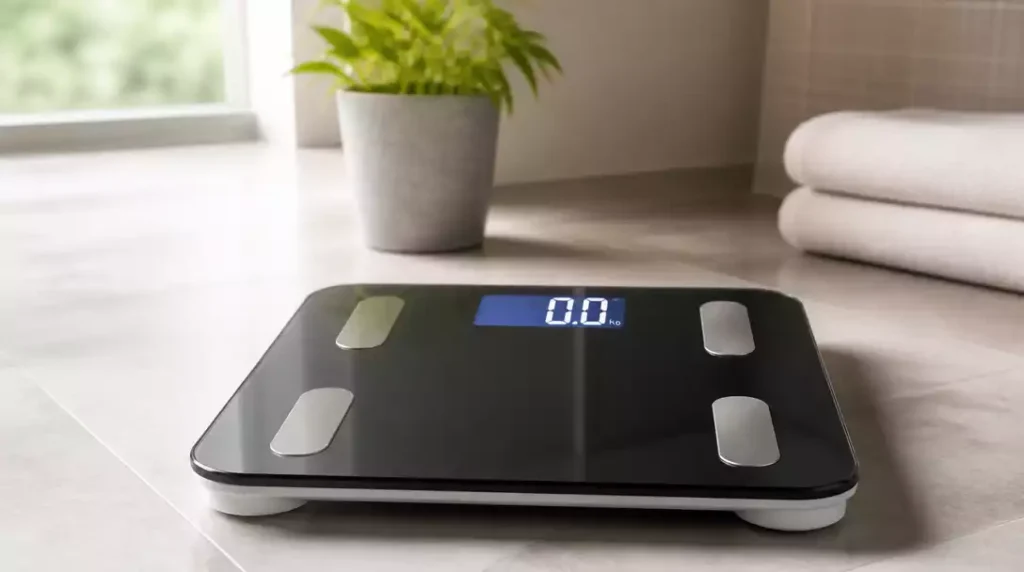
Tracking your weight is more than just a number; it’s a key part of understanding your health journey. By mastering the effective use of a bathroom scale, you can make informed decisions that support your wellness goals.
What You Will Learn
- Different types of bathroom scales include digital and analog, each with distinct features and usage requirements.
- For accurate readings, always place your scale on a hard, flat surface and use it under consistent conditions.
- Establishing a routine, such as weighing yourself at the same time daily, helps track weight more effectively.
- Incorporating smart scale technology can provide valuable insights and enhance your weight management journey.
How to Use a Bathroom Scale Effectively
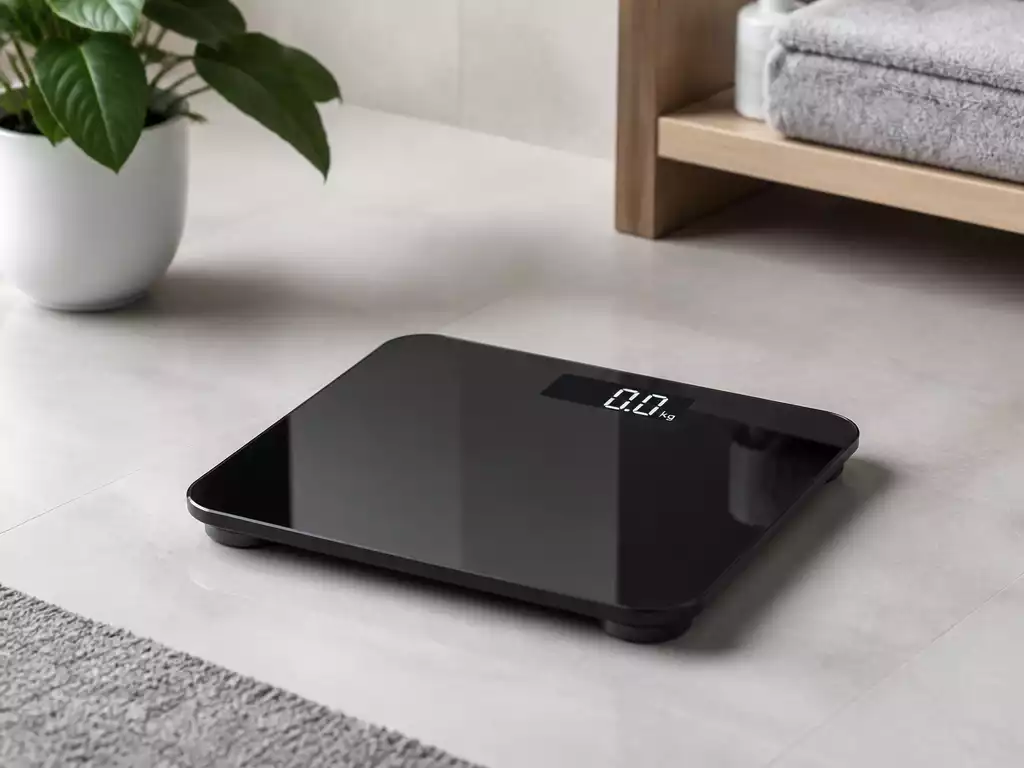
Using a bathroom scale can feel straightforward, but there’s more to it than just stepping on and reading the number. It’s important to know how different types of scales work and how to use them effectively. The most common types you’ll encounter are digital and analog scales. Digital scales provide a precise digital readout, while analog scales show weight on a dial. Both types can be accurate, but they require proper usage for the best results.
Understanding the mechanics behind these scales will help you choose the right one for your weight management journey. Digital scales typically offer features like memory storage for past weights, making it easier to track progress over time. Analog scales, on the other hand, tend to be more durable but may require calibration to ensure accuracy.
What is a Bathroom Scale and How Does It Work?
Bathroom scales operate based on weight measurement principles. When you step onto the scale, it measures the force exerted by your body against gravity. This measurement gets converted into a weight reading, which is displayed for you to see. To make the most out of your scale, it’s vital to understand its specific workings depending on the model you have.
- Digital scales typically use strain gauge technology to measure weight.
- Analog scales rely on a spring mechanism, which can sometimes be less precise.
- Battery-operated scales may require periodic battery changes to maintain accuracy.
Knowing these details not only helps in selecting a scale but also ensures you use it correctly. It’s all about being informed so you can track your weight accurately!
Essential Steps for Accurate Weighing
To get accurate weight measurements, there are a few essential steps you need to follow, starting with preparing the scale. Always place your bathroom scale on a hard, flat surface. Carpets or uneven floors can lead to incorrect readings. If you’re not sure about the surface, try using a piece of wood or tile to ensure stability.
Preparing the Scale for Use
To avoid fluctuations in weight results, make sure the scale is clean and has adequate space around it. This preparation can make a significant difference. Additionally, stepping on the scale at the same time each day—ideally in the morning before eating—can help you track your weight more consistently.
How to Weigh Yourself Correctly
Once you’ve prepared the scale, it’s time for the actual weighing process. Follow these steps:
- Tap the scale to wake it up, ensuring it’s ready to record your weight.
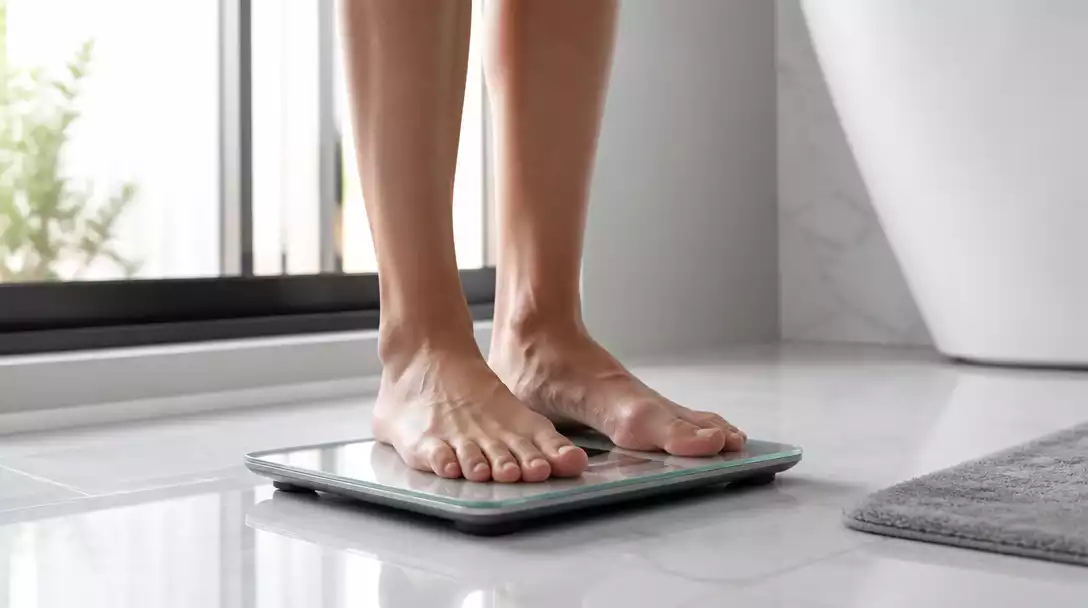
- Step on gently and stand still in the center of the scale.
- Wait for the reading to stabilize before looking down.
Taking these steps seriously will help keep your measurements consistent and accurate. Remember, it’s not just about the number; it’s about understanding your health journey and making informed decisions!
Pro Tip
Did you know? Regularly calibrating your bathroom scale can significantly improve its accuracy. To do this, simply follow the manufacturer’s instructions, which usually involve placing the scale on a flat surface and adjusting it to zero before each use. This practice ensures that you’re getting the most reliable readings, helping you make informed decisions about your health journey!
Summing Up the Best Practices for Using a Bathroom Scale
As we wrap up our discussion on using a bathroom scale effectively, it’s important to recap some essential steps and tips for achieving accurate measurements. By incorporating these practices into your routine, you can confidently track your progress and reach your weight management goals!
Remember to consistently calibrate your scale, weigh yourself at the same time each day, and always use the same conditions for the best results. Following these guidelines will help ensure that your numbers accurately reflect your efforts.
Encouragement to Track Progress with Smart Technology
Establishing a routine with your scale is a game-changer! Incorporating health apps that sync with smart scales can greatly enhance your journey. Here are a few benefits of tracking your progress with technology:
- Data Tracking: Visualize your progress over time with graphs and charts.
- Goal Setting: Set achievable milestones and receive reminders to stay on track.
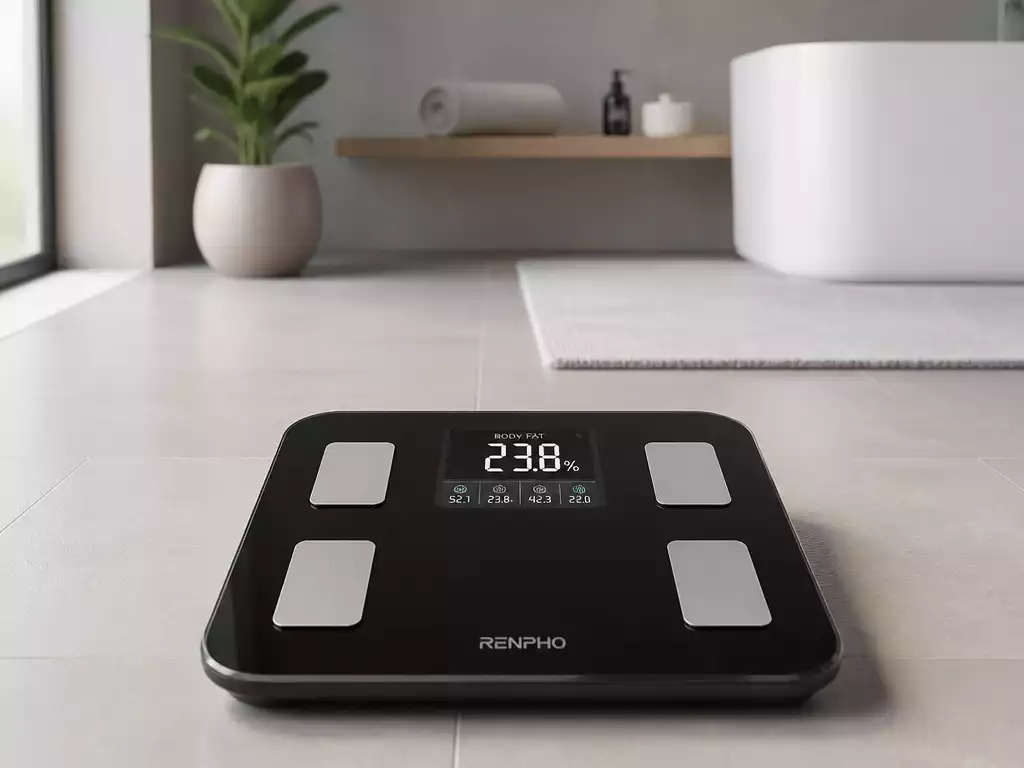
- Health Insights: Access additional metrics like body composition and hydration levels.
By utilizing these tools, you can better understand your body and make informed decisions about your health journey!
Engagement and Further Reading
FAQs About Bathroom Scales
Many of you might have questions about bathroom scales, and I’m here to help address some common queries. Here are a few frequently asked questions:
- Can I use my scale on carpet? It’s best to use a scale on a hard, flat surface for accurate readings.
- Why do my weight readings fluctuate? Fluctuations can be caused by hydration levels, time of day, and even clothing.
- How do I maintain my scale? Keep it clean, store it in a dry place, and calibrate it regularly to ensure accuracy.
- What’s the difference between digital and analog scales? Digital scales provide precise numerical readouts and often have extra features, while analog scales use a dial and are generally more durable.
- How often should I weigh myself? Weighing yourself at the same time each day, ideally in the morning, helps track progress consistently.
- How can smart scales enhance weight management? Smart scales sync with health apps, offering data tracking, goal setting, and insights like body composition, which can motivate and inform your health journey.
Understanding these aspects can help you get the most out of your bathroom scale!
Get Started with Your Weight Journey Today
I’m excited for you to implement these tips and start tracking your weight with confidence! Remember, consistency is key. Share your experiences with weight trends and fitness routines, and don’t hesitate to reach out if you have any questions. Let’s embrace this journey together! For more tips on maintaining your scale, read our article on how to clean a digital scale.
Recap of Key Points
Here is a quick recap of the important points discussed in the article:
- Choose between digital and analog scales based on your needs; digital scales offer precise readouts, while analog scales are durable.
- Place your scale on a hard, flat surface to avoid inaccurate readings.
- Weigh yourself at the same time each day for consistent tracking.
- Follow the proper steps for weighing: tap to wake, stand still in the center, and wait for the reading to stabilize.
- Consider using smart technology and health apps to track your progress and gain insights into your health journey.
If you’re interested in setting up a new smart scale, check out our guide on how to set up a smart scale.