What if you could master the art of using analog scales and enhance your cooking and fitness routines at the same time? With a little practice and understanding, you can unlock the full potential of these classic tools!
What You Will Learn
- Analog scales use a mechanical mechanism that provides a visual representation of weight through a dial and needle.
- They are commonly used in cooking, fitness, and industrial settings, showcasing their versatility.
- Key differences between analog and digital scales include display type, power source, and precision.
- To achieve accurate readings, ensure the scale is zeroed, familiarize yourself with tick marks, and consider the unit of measurement.
Analog Scales and Their Uses
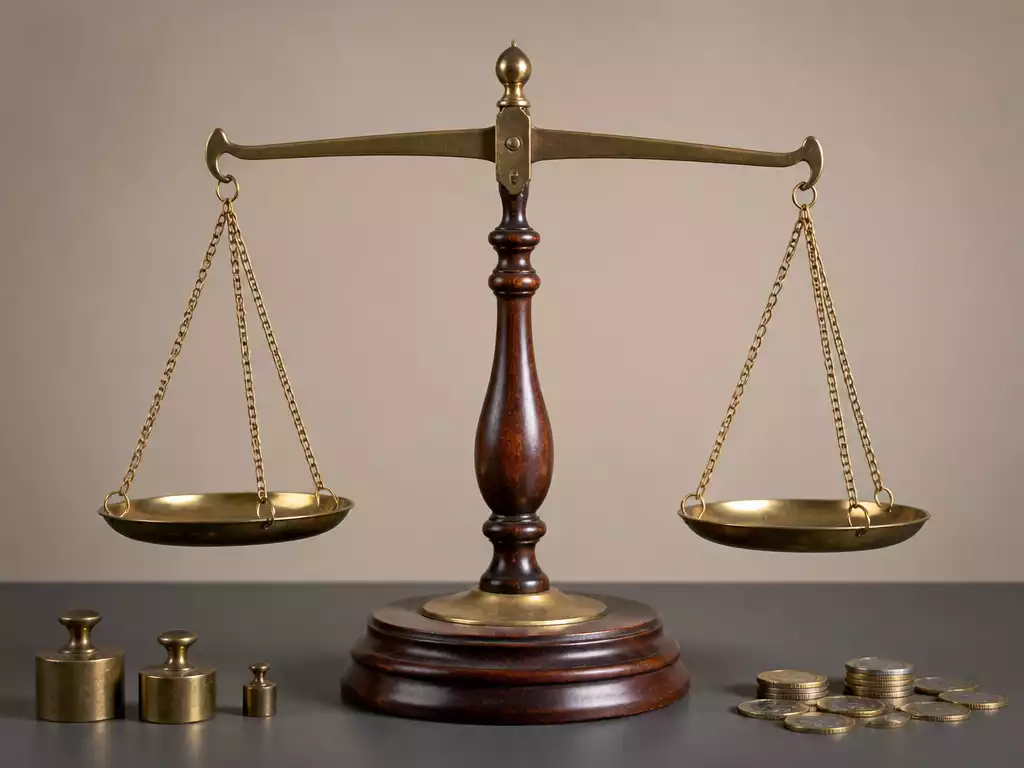
Analog scales are fascinating tools that have been around for centuries! They measure weight through a simple yet effective mechanism, using a dial and a needle to provide a visual representation of the measurement. Unlike digital scales, which display numbers, analog scales rely on mechanical parts that engage every time you place an item on them.
These scales often have a classic appeal, making them a popular choice in many households, kitchens, and even gyms. They can be a reliable way to track weight or ingredients, with many users appreciating the tactile feel and straightforward operation.
What is an Analog Scale?
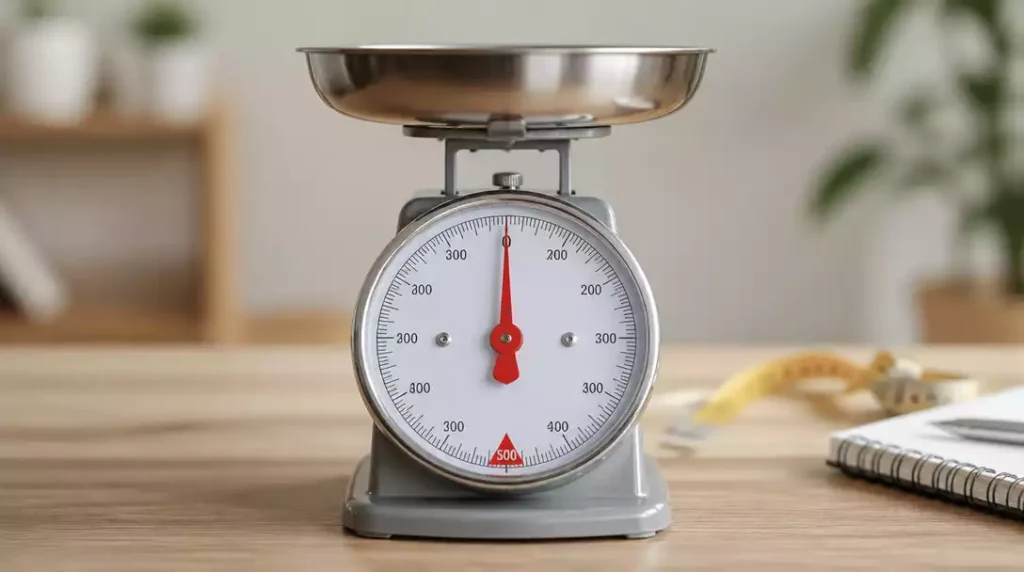
An analog scale is a weighing device that uses a dial and a pointer (or needle) to show weight. The pointer moves in response to the weight applied, indicating the measurement on a graduated scale. This design is not only user-friendly but also provides a clear visual representation of weight, which can be easier for some people to interpret than a digital readout.
- Mechanical mechanism: Utilizes gears and levers to function.
- Visual feedback: Offers an immediate reading through a needle on a dial.
- Durability: Often built to last and can withstand various environments.
Many people enjoy using analog scales for their simplicity and reliability. It’s all about finding the right fit for your needs!
Common Applications of Analog Scales
Analog scales can be found in various settings, each serving unique purposes. They are commonly used for:
- Cooking: Ideal for weighing ingredients precisely in the kitchen.
- Fitness: Popular for personal weight tracking, especially in home gyms.
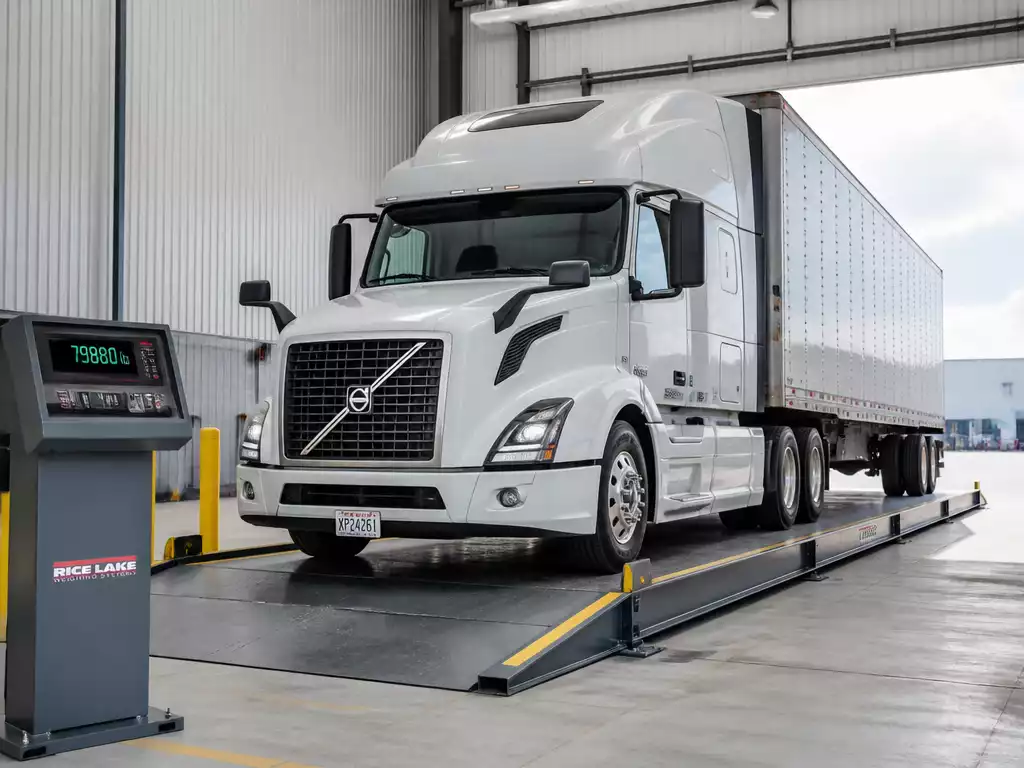
- Industrial settings: Used in warehouses for weighing packages and materials.
These applications highlight the versatility of analog scales, allowing users to engage in activities ranging from preparing meals to managing logistics. I find that having a reliable scale can make a huge difference!
Differences Between Analog and Digital Scales
While both analog and digital scales serve the same primary function, they do differ significantly in design and usage. Here are some key differences:
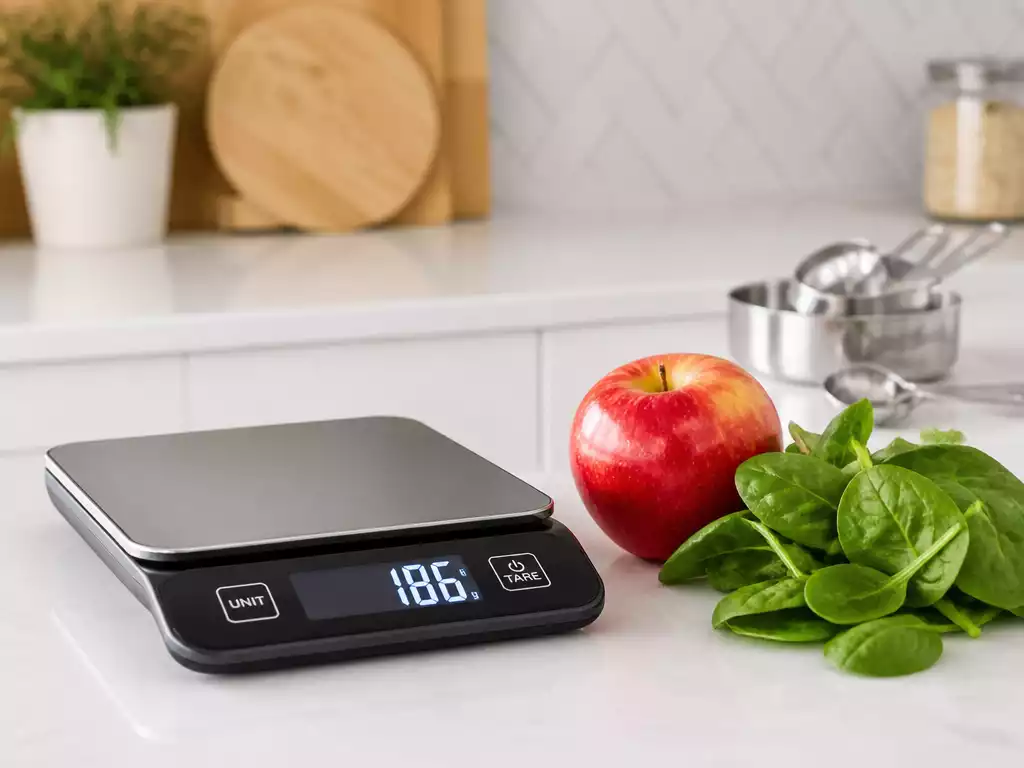
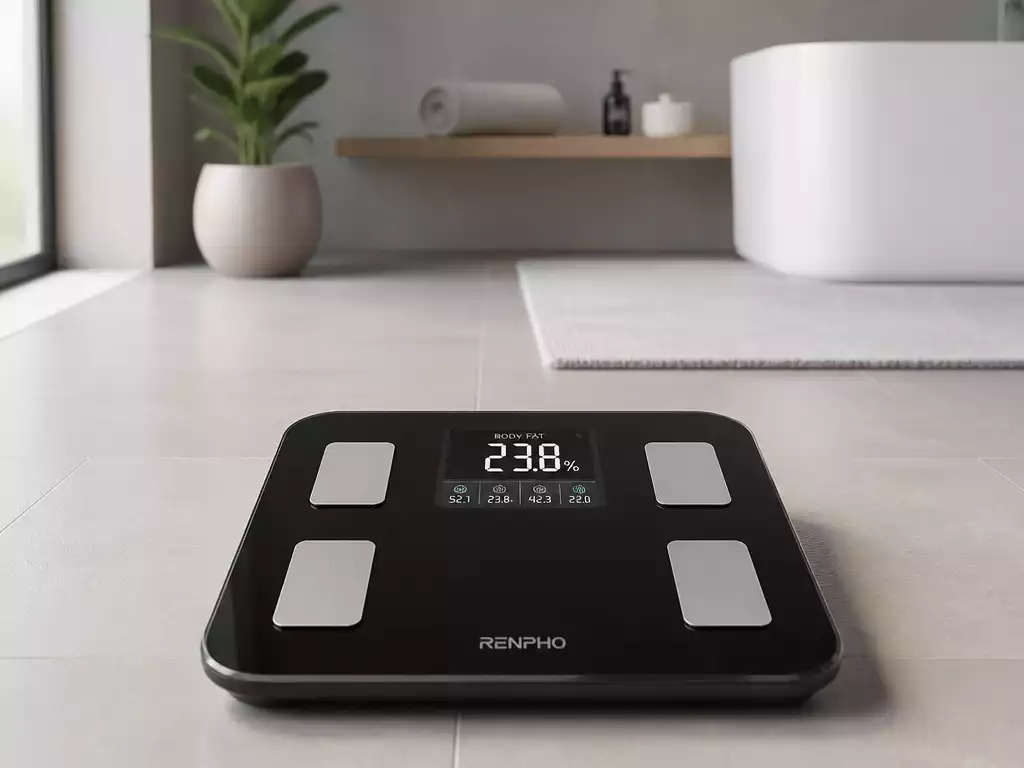
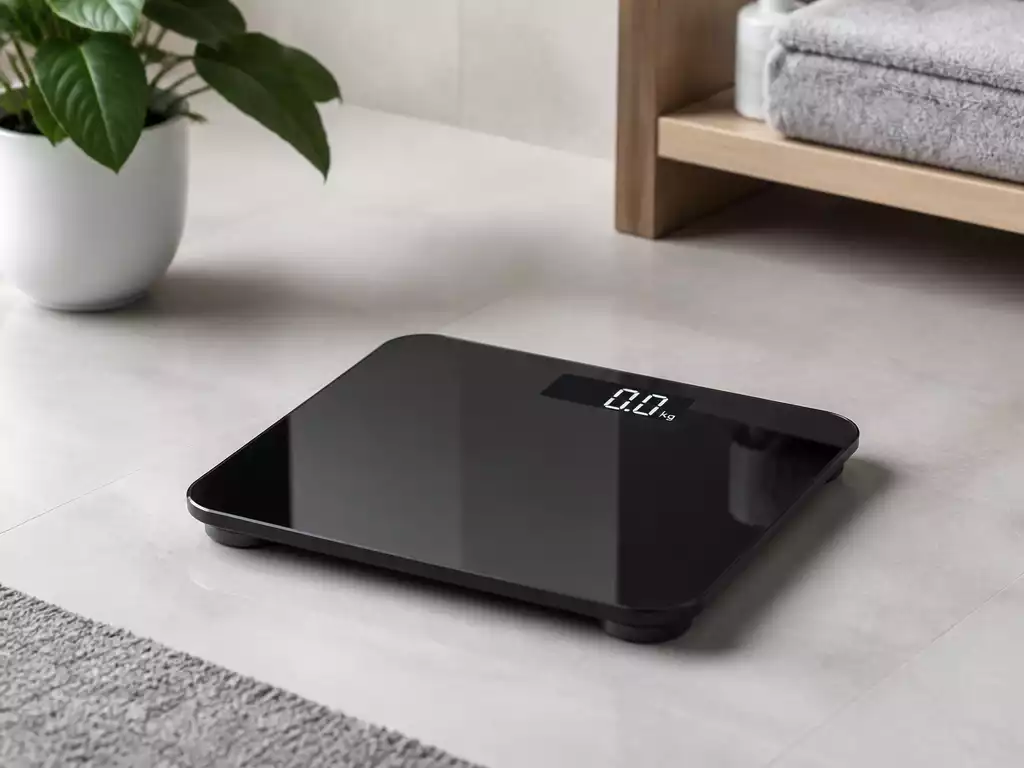
- Display: Analog scales use a dial; digital scales show numbers on a screen.
- Power source: Analog scales are typically mechanical, while digital scales require batteries.
- Precision: Digital scales are often more precise, but analog scales can be just as reliable for many everyday tasks.
Understanding these differences can help you choose the right scale for your specific needs. I always recommend considering how you plan to use the scale before making a decision! For instance, if you’re looking for extreme accuracy in culinary tasks, you might want to learn how to read a kitchen scale effectively.
Pro Tip
Did you know? Maintaining your analog scale is essential for accurate readings. Regularly check the calibration by placing a known weight on the scale to see if it aligns with the reading. If it doesn’t, adjust it according to the manufacturer’s instructions to ensure reliable measurements every time!
Recap of Key Takeaways for Reading Analog Scales
As we wrap up our exploration of analog scales, it’s essential to recall the core steps to ensure accurate readings. Mastering these aspects not only boosts your confidence but also enhances your overall experience when using analog scales.
In summary, here are the key steps to accurately read an analog scale:
- Ensure the scale is properly zeroed before each use.
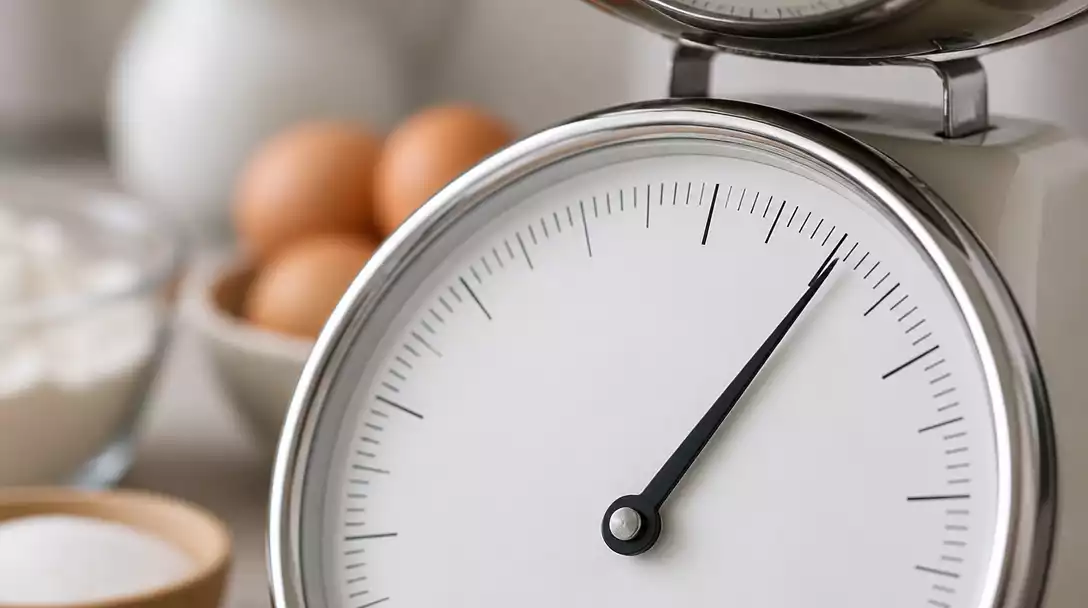
- Familiarize yourself with major and minor tick marks for precise readings.
- Consider the unit of measurement being used, whether it’s grams, kilograms, or pounds.
- Maintain proper posture to achieve the most accurate results. If you want to dive deeper into this, you can learn more about how to properly stand on a scale.
- Stay aware of potential sources of error, such as parallax and surface inconsistencies.
Final Thoughts on Mastering Analog Scale Readings
Mastering analog scales is a journey worth taking! With practice, you’ll find that your skills improve, making your readings more consistent and reliable. Remember, I’m always here to help you navigate through any challenges you may face along the way.
As you become more familiar with your scale, don’t hesitate to reach out and share your experiences. I love hearing from others who are on the same journey. Whether you’re weighing ingredients for a recipe or monitoring your weight, every little insight counts!
Engaging with Your Analog Scale Knowledge
Encouragement to Practice and Share Experiences
Now that you have a solid grasp on how to read analog scales, it’s time to put your knowledge into practice! I encourage you to weigh items regularly and notice how your understanding develops. Feel free to share your experiences with me. It’s always exciting to see how others are using their skills!
Additionally, I invite you to connect with friends or family who also use analog scales. Sharing tips and tricks can enhance your learning experience even further.
Opportunities for Further Learning on Measurement Tools and Techniques
There’s a world of knowledge out there when it comes to measurement tools! If you’re eager to expand your expertise, consider exploring different types of scales and their specific applications. Each scale has unique features that can enhance your understanding of weight and measurement.
- Research various analog scales used in different industries.
- Investigate digital scales and how they compare to analog models.
- Look into specialized scales for specific activities like cooking or fitness.
Accessing Educational Resources and Tutorials on Weight Management
To further support your journey, there are numerous educational resources available online. Websites, videos, and tutorials can provide you with additional insights and techniques that enhance your understanding of analog scales.
Don’t forget to check out resources that focus on weight management as well. They often cover best practices for using scales effectively, which can elevate your overall approach to measurements.
Recap of Key Points
Here is a quick recap of the important points discussed in the article:
- Analog scales provide a mechanical way to measure weight using a dial and needle.
- They are widely used in cooking, fitness tracking, and industrial applications.
- Key differences between analog and digital scales include display method and precision.
- Ensure the scale is zeroed, familiarize with tick marks, and maintain proper posture for accurate readings.
- Stay aware of potential errors such as parallax and surface inconsistencies when reading the scale.
Frequently Asked Questions About Analog Scales
- Q: What is the primary difference between analog and digital scales?
- A: Analog scales display weight using a dial and a moving needle, relying on mechanical parts, while digital scales show numerical readings on an electronic screen and typically require batteries or an electrical power source.
- Q: Are analog scales less accurate than digital scales?
- A: Digital scales are generally considered more precise, but analog scales can be highly reliable for many everyday tasks like cooking and personal weight tracking, especially when properly maintained and calibrated. For specialized measurements, you might want to understand how to read a micrometer scale.
- Q: What are common uses for analog scales?
- A: Analog scales are widely used in cooking for precise ingredient measurement, in fitness for personal weight tracking, and in industrial settings for weighing packages and materials due to their durability and straightforward operation.
- Q: How can I ensure accurate readings on an analog scale?
- A: To ensure accuracy, always zero the scale before use, understand the major and minor tick marks, be mindful of the unit of measurement, maintain proper posture when weighing yourself, and be aware of potential errors like parallax (reading the needle from an angle) and unstable surfaces.
- Q: Do analog scales require batteries?
- A: Most analog scales are purely mechanical and do not require batteries or an external power source, which is one of their key advantages over digital scales.