
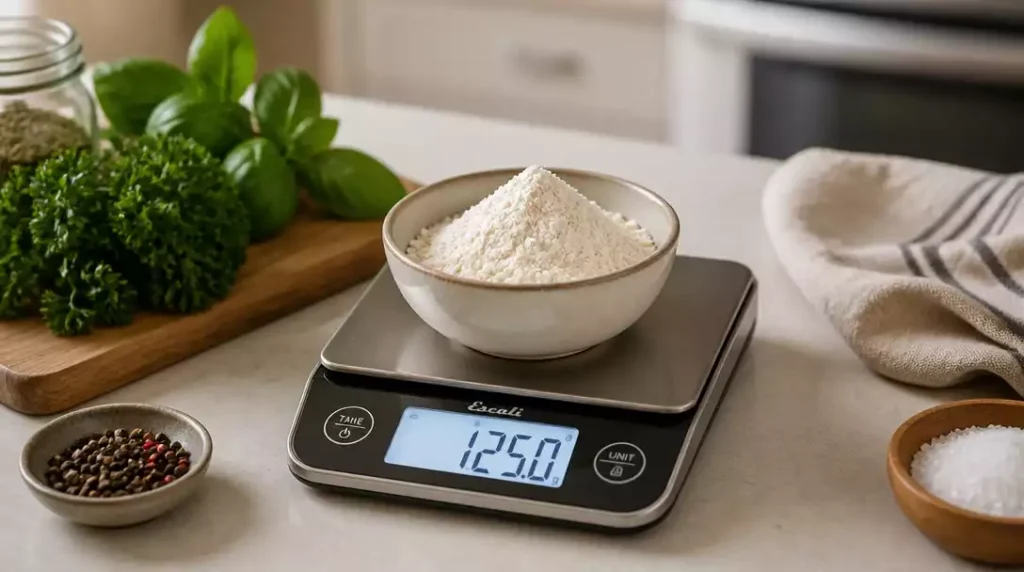
Ever wondered how professional chefs achieve consistent results in their dishes? The secret often lies in their tools—especially a kitchen scale. By measuring ingredients accurately, you can elevate your cooking game and enjoy the benefits of precision in the kitchen.
What You Will Learn
- A kitchen scale ensures precise measurements, leading to consistent cooking and baking results.
- Using a scale promotes portion control, helping you maintain a healthier diet.
- Digital scales are user-friendly and provide quick readings, making cooking easier.
- Accurate measurements can significantly reduce food waste during meal preparation.
- Understanding your kitchen scale can help troubleshoot common issues, such as inaccurate readings.
- Weighing ingredients aids in precise caloric counting and macro tracking for better dietary management.
- Scaling recipes using a kitchen scale guarantees consistency in your culinary outcomes.
Understanding Your Kitchen Scale: A Practical Guide
A kitchen scale is an indispensable tool for anyone who loves to cook or bake! It allows you to measure ingredients accurately, which is crucial for achieving the best results in your recipes. Whether you’re a seasoned chef or a beginner, using a kitchen scale can greatly enhance your culinary experience. The benefits of having a kitchen scale are numerous, including consistency in your cooking and the ability to follow recipes precisely.
There are various types of kitchen scales available on the market today, ranging from digital to mechanical. Each type has its unique features and advantages, catering to different cooking styles and preferences. Adopting a kitchen scale in your kitchen routine not only improves your accuracy but also helps in portion control, minimizing food waste, and making meal prep a breeze!
What is a Kitchen Scale and Why Use One?
- Provides precise measurements for consistent cooking and baking
- Helps in portion control for healthier eating
- Reduces food waste by allowing exact ingredient usage
- Simplifies meal prep and recipe scaling
Using a kitchen scale isn’t just about following a recipe; it’s a way to make cooking easier and more enjoyable! This tool can help you adjust portion sizes to fit your dietary needs or preferences. Plus, weighing ingredients can often yield better results than measuring by volume, especially with items like flour, which can vary in weight depending on how it’s packed.
Exploring the Types of Kitchen Scales: Digital vs. Mechanical
When choosing a kitchen scale, you’ll typically come across two main types: digital and mechanical. Digital scales are user-friendly, often featuring a clear display and can switch between measurement units with ease. They’re great for precise measurements and are usually more compact and easy to store. If you’re wondering how to choose a kitchen scale that best suits your needs, consider the accuracy and convenience offered by digital models.
- Digital Scales: Quick readings, easy to use, and most models have a tare function
- Mechanical Scales: No batteries needed, often have a classic design
- Ideal for those who prefer a straightforward approach to cooking
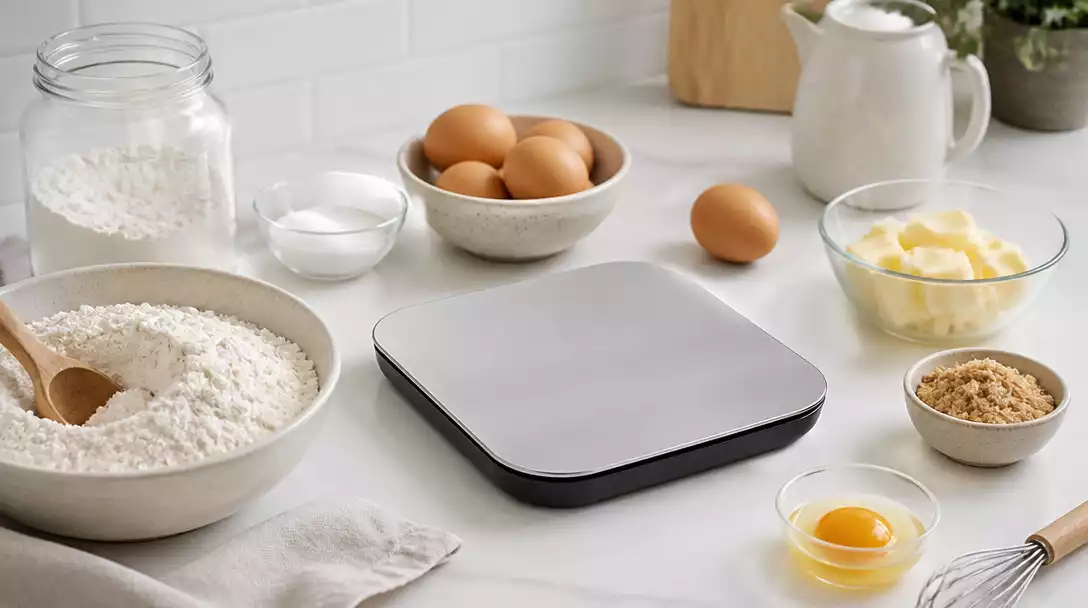
Mechanical scales, while a bit less common nowadays, have their charm and can work well for those who appreciate a vintage style. They don’t require batteries, making them reliable during power outages and adding a touch of nostalgia to your kitchen! Each type has its merits, so consider your cooking habits when selecting the best scale for you.
Basic Operation of a Kitchen Scale
Using a kitchen scale is straightforward once you get the hang of it! The first step is to set it up correctly. Make sure to place your scale on a flat, stable surface to ensure accurate readings. Uneven surfaces can throw off measurements, so take a moment to check.
Step 1: Setting Up on a Flat Surface
Begin by finding a stable, level surface in your kitchen. This is crucial for accurate measurement, as any tilt or bump could lead to incorrect readings!
Step 2: Powering On and Stabilizing the Scale
Next, power on the scale. Most digital scales will automatically calibrate themselves, but it’s a good idea to wait a few seconds for the reading to stabilize before you start weighing your ingredients.
Step 3: Understanding the Display Readings
Finally, familiarize yourself with the display. Most kitchen scales will show the weight in grams or ounces, and many allow you to switch units easily. Understanding how to read the display will help you measure ingredients correctly and confidently! For more specific guidance on different units, you might find our guide on how to read a gram scale helpful.
Pro Tip
Did you know? When using a kitchen scale, always weigh your ingredients in their final container. This way, you can utilize the tare function to zero out the weight of the container, ensuring you measure only the ingredients. This method not only enhances accuracy but also simplifies cleanup!
Addressing Common Questions and Troubleshooting
What to Do When Your Scale Displays Inaccurate Readings
If your kitchen scale shows inaccurate readings, don’t panic! Here are some troubleshooting steps to help you get it back on track:
- Check the batteries: Weak batteries can lead to faulty readings.
- Ensure a flat surface: An uneven surface can cause instability in measurements.
- Reset the scale: Sometimes, a simple reset can solve the problem.
- Calibrate the scale: Follow the manufacturer’s instructions for calibration to ensure accuracy. If you need help with this, learn how to calibrate a kitchen scale effectively.
After going through these steps, try weighing an object you know the weight of to verify accuracy. If the problem persists, consult your user manual or reach out to customer service for assistance!
FAQ: Quick Answers to Your Kitchen Scale Queries
Here are some frequently asked questions about kitchen scales that can help clear up any confusion:
- How do I switch between units? Most digital scales have a button to toggle between grams, ounces, and pounds.
- What’s the best scale for baking? A digital scale is often preferred for its precision.
- Can I measure liquids on my kitchen scale? Yes! Use the tare function to zero the container for accurate liquid measurements.
- How do I clean my kitchen scale? Wipe it down with a damp cloth and avoid submerging it in water.
These answers should help you feel more confident in using your scale. For more detailed information, always refer to the user manual or contact the manufacturer!
Practical Uses Beyond Cooking: Meal Prep and Diet Tracking
Using Your Kitchen Scale for Meal Preparation
Your kitchen scale can be a game changer when it comes to meal prep! It helps with portion control and ensures you’re preparing the right amounts. Here’s how:
- Portion Control: Weighing ingredients can help you maintain balanced meals.
- Meal Planning: Use your scale to measure out portions for the week to simplify your cooking process.
- Reducing Waste: Accurate measurements can prevent over-preparation and food waste.
By using your scale in meal prep, you’ll not only save time but also ensure that you’re sticking to your dietary goals!
Tracking Nutritional Values Accurately
Keeping track of your nutritional intake can be challenging, but a kitchen scale makes it easier! Here’s how:
- Caloric Counting: Weighing your food allows for precise calorie counting.
- Macro Tracking: Knowing the weight of your ingredients helps in balancing proteins, fats, and carbs.
- Portion Sizes: Helps ensure you’re consuming the right portion sizes for your nutritional needs.
With the help of your kitchen scale, you can create a more structured approach to your diet, leading to better health outcomes!
Scaling Recipes with Kitchen Scales for Cooking Accuracy
When it comes to baking or cooking, precision is key! Here’s how to effectively scale recipes using your kitchen scale:
- Convert Measurements: Use your scale to convert measurements from cups to grams for accuracy.
- Adjusting Servings: Scale the ingredient amounts based on the number of servings you need.
- Consistency in Results: Weighing ingredients ensures that you replicate the same great results every time.
With your kitchen scale, you can maintain consistency in your cooking, leading to delicious results that impress!
Your Next Steps with Kitchen Scales
Now that you’re armed with this knowledge, it’s time to practice using your scale! Try measuring different ingredients and see how it changes your cooking experience. Don’t forget to share your experiences with us at [Business Name]!
Additionally, explore our other resources or products that can enhance your kitchen scale usage, making your culinary adventures even more enjoyable!
Recap of Key Points
Here is a quick recap of the important points discussed in the article:
- A kitchen scale enhances accuracy in cooking and baking, leading to better results.
- Digital scales offer user-friendly features, while mechanical scales provide a classic, battery-free option.
- Proper setup and understanding of display readings are crucial for accurate measurements.
- Troubleshooting tips include checking batteries, ensuring a flat surface, and calibrating the scale.
- Using a kitchen scale aids in meal prep, portion control, and tracking nutritional values effectively.
- Scaling recipes with a kitchen scale guarantees consistency and precision in cooking.





