
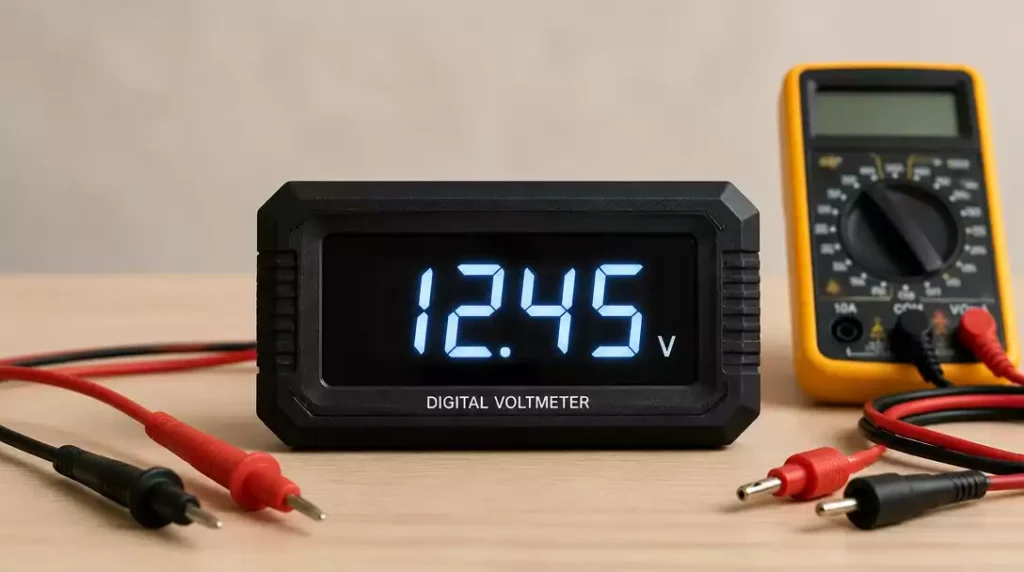
In the world of electrical work, precision is key. A voltmeter is one tool that can make all the difference, whether you’re troubleshooting issues or ensuring everything runs smoothly. Understanding how to effectively use this instrument is essential for anyone involved in electrical systems.
What You Will Learn
- The fundamental function of a voltmeter, which measures the electrical potential difference in circuits.
- Key differences between analog and digital voltmeters, including their advantages and typical use cases.
- How to accurately identify DC and AC voltage and why it matters for your measurements.
- Essential steps for reading voltmeter scales to ensure accurate voltage readings.
- The importance of consistent practice with voltmeters to build confidence and proficiency.
Understanding the Basics of a Voltmeter Scale
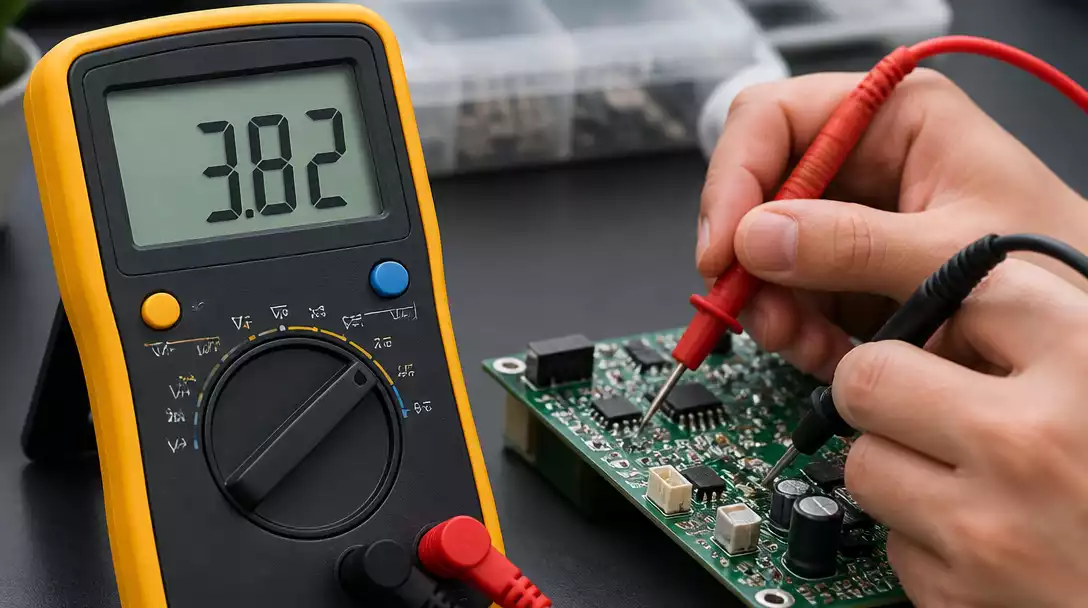
A voltmeter is an essential tool for anyone working with electrical systems, whether you’re a professional electrician or a DIY enthusiast. It measures the electrical potential difference between two points in a circuit. This measurement is crucial for troubleshooting and ensures everything operates smoothly. In essence, a voltmeter provides you with the insights needed to make informed decisions about your electrical work!
The way a voltmeter works is quite straightforward. It connects to a circuit and displays the voltage on a scale. This can be either analog or digital, each offering unique advantages. By understanding how to read these measurements correctly, you can avoid potential hazards and ensure the efficiency of your electrical systems.
What Is a Voltmeter and How Does It Work?
At its core, a voltmeter functions by measuring the voltage drop across electrical components. When you place the probes of a voltmeter across two points in a circuit, it calculates the potential difference, giving you a precise reading. This allows you to identify issues such as shorts or faulty connections early on!
- The voltmeter typically has two leads: positive (red) and negative (black).
- It can measure both AC (alternating current) and DC (direct current) voltages.
- Some voltmeters come with additional features, such as the ability to measure resistance or current.
By using a voltmeter effectively, you’re not just detecting problems; you’re also enhancing your understanding of the electrical systems in play. Now, let’s explore the two primary types of voltmeters!
Types of Voltmeters: Analog vs Digital
Voltmeters come in two main varieties: analog and digital. Both serve the same purpose but do so in different ways. Analog voltmeters use a needle and dial to display readings, while digital voltmeters present information numerically. Each type has its fans and specific use cases.
- Analog Voltmeters: These are often appreciated for their simplicity and quick response time.
- Digital Voltmeters: They provide precise readings that are easier to interpret, especially for beginners.
Choosing between them often depends on personal preference and the specific requirements of your project. If you need quick, real-time readings, an analog voltmeter might be your best bet. However, for accuracy and ease of use, a digital voltmeter can’t be beaten.
Key Electrical Measurements: DC Voltage and AC Voltage
When working with voltmeters, understanding the difference between DC voltage and AC voltage is crucial. DC voltage remains constant and is typically used in batteries and solar panels. On the other hand, AC voltage alternates direction and is commonly found in household power outlets.
- DC Voltage: Steady flow; ideal for applications like electronics and battery-powered devices.
- AC Voltage: Fluctuates over time; perfect for powering homes and large appliances.
Knowing which type of voltage you’re dealing with can significantly affect your approach to measurements. As a result, choosing the right setting on your voltmeter is essential for accurate readings!
Pro Tip
For accurate readings, always ensure your voltmeter is calibrated properly before use. A simple calibration check can save you from erroneous measurements and potential mishaps in your electrical projects!
Summarizing Key Takeaways for Accurate Voltmeter Readings
As we wrap up this guide, let’s recap the essential steps you need to follow for effective voltmeter readings. Familiarizing yourself with the scale and understanding its components are crucial first steps. Here’s a quick checklist:
- Identify the needle position in relation to the scale.
- Select the correct range to ensure accuracy.
- Watch out for common reading errors, such as parallax.
- Practice interpreting different voltage ranges.
By keeping these key points in mind, you’ll find your confidence in using voltmeters grows significantly!
Recap of Essential Steps in Reading a Voltmeter Scale
When it comes to accurately reading voltmeter scales, a structured approach can make all the difference. First, ensure that you know how to identify both major and minor markings on the scale. Understanding these will help you gauge the voltage correctly. Next, don’t overlook the importance of selecting the proper range; this is crucial to prevent any overloads that might damage your meter. Similar attention to detail is required when learning how to read a micrometer scale, where precision in identifying markings is equally vital.
- Check the needle’s position against the scale.
- Choose the appropriate voltage range.
- Be aware of any external factors like lighting that might affect your reading.
Taking the time to follow these steps will lead to more precise and reliable measurements.
The Importance of Consistent Practice and Familiarization
Like any skill, mastering the use of voltmeters requires practice. Regularly using a voltmeter in various scenarios can help solidify your understanding and boost your confidence. I encourage you to experiment with different types of voltmeters, including both analog and digital versions.
- Try using a voltmeter on various devices to see real-world applications.
- Engage with different voltage ranges to familiarize yourself with the readings.
- Keep a notebook of your readings to track your progress.
With consistent practice, the process of interpreting voltmeter scales will become second nature.
Frequently Asked Questions
- What is the primary function of a voltmeter?
A voltmeter measures the electrical potential difference, or voltage, between two points in an electrical circuit. This is crucial for troubleshooting and ensuring proper operation of electrical systems. - What are the main types of voltmeters?
The two main types are analog voltmeters, which use a needle and dial, and digital voltmeters, which display readings numerically. Analog meters offer quick response, while digital meters provide precise, easy-to-read measurements. - Why is it important to distinguish between DC and AC voltage?
DC (direct current) voltage is constant and found in batteries, while AC (alternating current) voltage fluctuates and is used in household power. Knowing which type you are measuring is essential for selecting the correct setting on your voltmeter and ensuring accurate readings. - How can I ensure accurate readings with a voltmeter?
To ensure accuracy, always identify major and minor markings on the scale, select the appropriate voltage range, and be aware of potential reading errors like parallax. Regular practice and proper calibration are also key. - What safety precautions should I take when using a voltmeter?
Always check the voltage level before connecting the voltmeter, use insulated tools, wear appropriate safety gear, and avoid touching live wires directly. Safety should always be the top priority.
Next Steps: How to Apply Your Knowledge in Real-World Scenarios
Encouragement to Practice with Various Voltmeters
I always tell my students that hands-on experience is invaluable! Practicing with multiple voltmeters will give you a deeper understanding of how each one operates. Whether you’re working on home projects or in a professional setting, using different meters will expose you to a variety of scales and layouts. This hands-on approach is similar to learning how to read a mechanical beam scale, where practical engagement leads to mastery.
- Try reading voltmeters in both controlled and field environments.
- Test voltmeters with different devices to see how readings can vary.
- Discuss your findings with peers or mentors to gain additional insights.
Resources for Further Learning and Troubleshooting
If you’re looking to deepen your knowledge, there are plenty of resources available! Books, online tutorials, and forums can all provide valuable information. Here are some places to start:
- Online video tutorials on YouTube that demonstrate practical voltmeter usage.
- DIY electronics books that discuss voltage measurements in detail.
- Forums like Reddit’s r/electronics where you can ask questions and share experiences.
Engaging with these resources will help you troubleshoot any issues and enhance your voltage measurement skills.
Electrical Safety Guidelines When Using Measuring Instruments
Safety should always be your top priority when using voltmeters or any electrical measuring instruments. Remember to follow these essential guidelines:
- Always check the voltage level before connecting the voltmeter.
- Use insulated tools and wear appropriate safety gear.
- Avoid touching live wires directly when taking measurements.
By adhering to these safety practices, you can prevent accidents and ensure a smooth and secure measuring experience. Just as you would carefully learn how to read a hydrometer scale for accurate fluid density measurements, precision and safety are paramount with electrical tools.
Recap of Key Points
Here is a quick recap of the important points discussed in the article:
- A voltmeter measures the electrical potential difference between two points in a circuit, crucial for troubleshooting.
- Understand the difference between analog and digital voltmeters to choose the right one for your needs.
- Familiarize yourself with DC and AC voltage, as they require different handling and settings on the voltmeter.
- Practice reading voltmeter scales accurately by checking needle positions and selecting the correct range.
- Safety first: Always check voltage levels and use insulated tools when measuring.





