
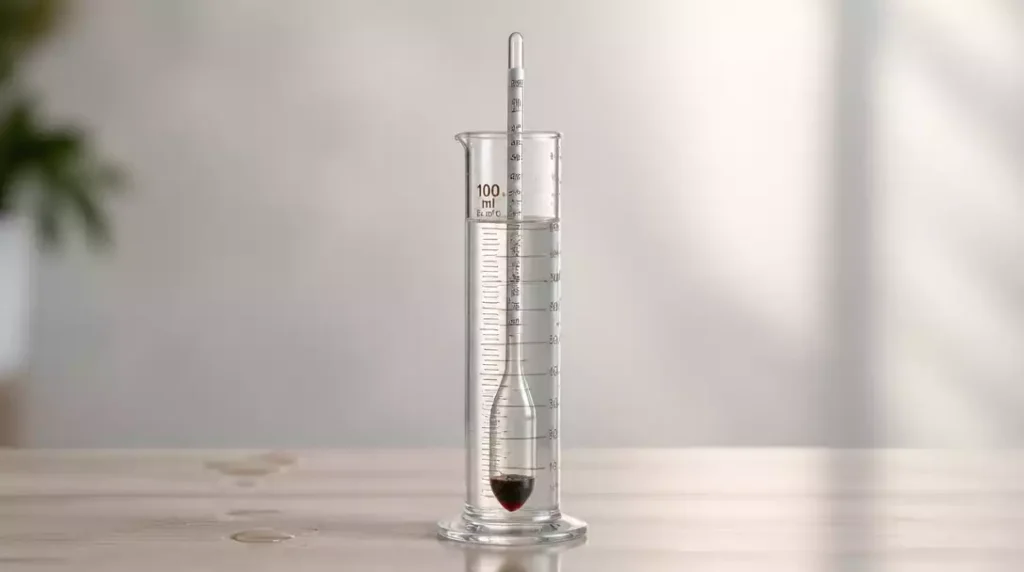
Did you know that the accuracy of your measurements can greatly influence the quality of your brew? Whether you’re a novice or an expert, understanding the tools you use is crucial in the brewing process.
What You Will Learn
- The primary function of a hydrometer is to measure the density of liquids, helping you determine specific gravity.
- Different types of hydrometers serve unique purposes, such as brewing, alcohol measurement, and sugar concentration.
- Calibrating your hydrometer and knowing how to read the scale is essential for precise measurements.
- Stable measurement conditions and checking the meniscus at eye level are key to accurate readings.
Hydrometers and Their Scales
A hydrometer is a fascinating tool used for measuring the density of liquids. It provides a clear indication of specific gravity, which can tell you a lot about the liquid’s composition, especially for brewers like myself! Understanding how to use this instrument opens up a world of possibilities in various fields, including brewing, winemaking, and even scientific research.
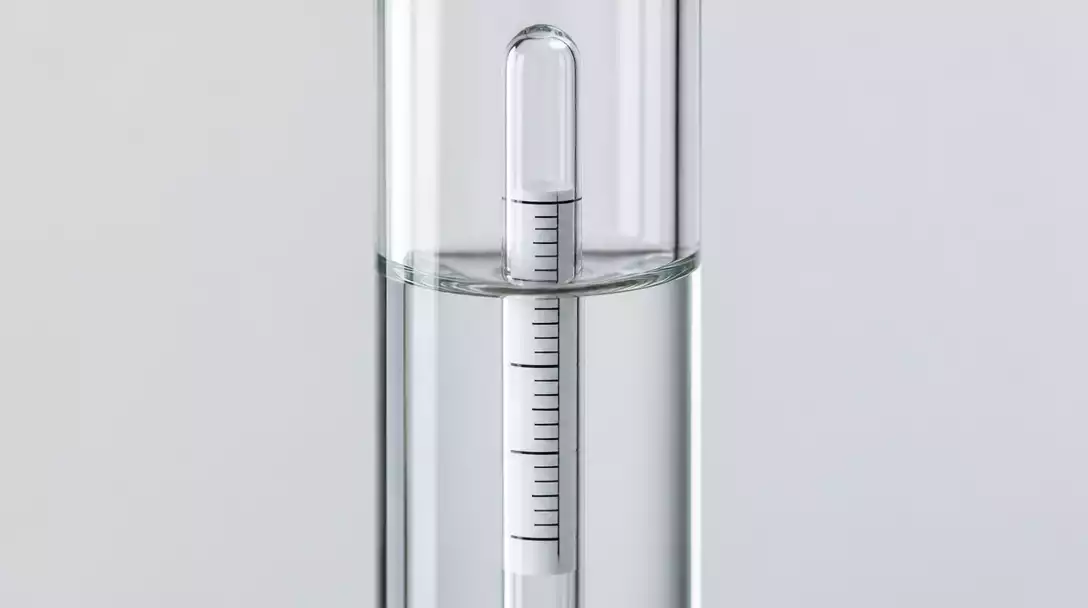
The primary function of a hydrometer is to float in a liquid and determine its density based on how deep it sinks. The scale on the hydrometer indicates the specific gravity of the liquid, which is essential for evaluating its properties. This measurement is particularly crucial for brewers, as it helps in monitoring fermentation and ensuring product quality.
The Role of a Hydrometer in Measurement
Hydrometers have been around for centuries and are still widely used today. Their simplicity and effectiveness make them a staple in various industries. As someone who has spent years experimenting with different brewing techniques, I can attest to how vital a hydrometer is in achieving the perfect brew!
- Determining fermentation progress
- Measuring sugar content in liquids
- Calculating alcohol content in beverages
- Assessing liquid purity and density
Each of these measurements provides essential insights, making the hydrometer a must-have tool for anyone serious about their craft. Whether you’re a novice or an experienced brewer, understanding these roles can enhance your overall brewing experience.
Types of Hydrometers and Their Specific Scales
Not all hydrometers are created equal. There are different types tailored for specific uses, which can make a big difference in your measurements. For instance, a brewing hydrometer measures alcohol content, while a wine hydrometer may be calibrated differently. Having the right type is crucial for accuracy!
- Brewing Hydrometer: Often specific for beer and wine, measuring sugar and alcohol levels.
- Alcohol Hydrometer: Tailored for measuring the alcohol content in spirits.
- Brix Hydrometer: Used primarily in the sugar industry to measure sugar concentration.
- API Hydrometer: Common in the petroleum industry for measuring oil density.
Each type of hydrometer is designed to be specific to the needs of the industry it serves. Hence, it’s essential to select the right one for your task to avoid any discrepancies in your readings.
Exploring Different Hydrometer Types for Various Liquids
Choosing the correct hydrometer for the liquid you’re measuring can significantly impact your results. For example, using a standard brewing hydrometer for measuring the density of oil could lead to inaccurate readings. It’s crucial to match the hydrometer type to your application for precise measurement!
- Use a brewing hydrometer for beer and wine.
- Opt for an alcohol hydrometer for spirits.
- Select a Brix hydrometer for fruit juices.
By understanding the different hydrometers and their designated uses, you can ensure that you get accurate measurements consistently! For more general information on precise measurements, you might find our guide on how to read a kilogram scale helpful.
Understanding Calibration Marks and Their Importance
Calibration marks are the numbers you see on a hydrometer scale, and they tell you how dense the liquid is. These marks are critical because they provide essential information at a glance. Missing these marks can lead to miscalculations in your measurements, which can affect the final product.
Each hydrometer is calibrated to specific standards, and knowing how to read these marks accurately is vital for precise measurements. So, always make sure to check your hydrometer’s calibration before taking a reading! For more insights into calibration, consider reading about how to calibrate a digital scale.
Pro Tip
When using your hydrometer, remember to always sanitize it before and after each use. This simple step prevents contamination and ensures that your measurements are accurate, especially in brewing where even the slightest change in density can affect your final product!
Key Takeaways on Reading a Hydrometer Scale
Reading a hydrometer scale accurately can seem complex at first, but with practice, you can master it! Here are the essential steps to ensure your measurements are precise:
- Select the correct hydrometer for your liquid type.
- Ensure your measurement conditions are stable and calm.
- Always check the meniscus at eye level for an accurate reading.
- Use a thermometer to monitor temperature for corrections.
By following these steps, you can significantly improve the accuracy of your hydrometer readings, whether you’re measuring specific gravity or alcohol content. It’s all about being meticulous and patient!
Final Thoughts on Hydrometer Usage and Measurement
Hydrometers are invaluable tools in various fields, from brewing to laboratory work. As someone who has spent countless hours working with these instruments, I appreciate their role in achieving precise measurements. A well-calibrated hydrometer can help you achieve fantastic results in your projects!
Remember, practice makes perfect. Don’t shy away from making a few attempts before you rely on your readings for critical decisions. The more familiar you become with your hydrometer, the more intuitive the process will feel.
Next Steps and Additional Resources
Where to Find Reliable Hydrometer Guides and Tools
To enhance your hydrometer skills, you might want to explore various guides and tools available online. Here are some resources that I personally recommend:
- Homebrew forums for tips and shared experiences.
- YouTube channels specializing in brewing techniques.
- Books on fluid measurements and brewing science.
These resources can provide you with further knowledge and confidence in your hydrometer usage. Plus, they’re a great way to connect with other enthusiasts!
Engaging with the Community: Questions and Feedback
Don’t forget to reach out to the community! Engaging with others can lead to invaluable insights and support. Whether you have questions or feedback, sharing experiences can deepen your understanding of hydrometer readings.
Exploring Homebrew and Laboratory Equipment Resources
Many websites focus on both homebrewing and laboratory equipment, offering useful articles and product reviews. Personally, I’ve found that visiting these sites can help you make informed decisions on purchasing hydrometers and other essential tools. Here are a few to check out:
- Local homebrew supply shops for tailored advice.
- Online marketplaces with user reviews for specific products.
- Discussion boards where you can ask questions directly.
By utilizing these resources, you can enhance your hydrometer reading skills and become a more confident brewer or researcher!
Frequently Asked Questions About Hydrometers
- What is the primary function of a hydrometer?
- A hydrometer’s primary function is to measure the density of liquids, which helps in determining their specific gravity. This is crucial for understanding the composition of the liquid, especially in brewing and winemaking.
- How many types of hydrometers are there?
- There are several types of hydrometers, each designed for specific purposes. Common types include brewing hydrometers (for beer and wine), alcohol hydrometers (for spirits), Brix hydrometers (for sugar concentration), and API hydrometers (for petroleum products).
- Why is calibration important for hydrometers?
- Calibration marks on a hydrometer scale indicate the liquid’s density. Understanding and accurately reading these marks is vital for precise measurements, as miscalculations can affect the final product or experimental results.
- What steps ensure accurate hydrometer readings?
- To ensure accurate readings, you should select the correct hydrometer for your liquid, maintain stable and calm measurement conditions, check the meniscus at eye level, and use a thermometer to monitor temperature for necessary corrections.
- Can I use any hydrometer for any liquid?
- No, it is crucial to match the hydrometer type to your specific application. Using a standard brewing hydrometer for measuring the density of oil, for example, would lead to inaccurate results. Each hydrometer is calibrated for specific liquid types and industries.
For additional resources on various measurement tools, you might be interested in learning how to measure liquid on a scale.
Recap of Key Points
Here is a quick recap of the important points discussed in the article:
- A hydrometer measures the density of liquids and provides specific gravity readings essential for brewing and winemaking.
- Different types of hydrometers (brewing, alcohol, Brix, and API) serve specific industries and purposes.
- Accurate readings depend on selecting the right hydrometer for your liquid type and understanding calibration marks.
- Key steps for accurate readings include ensuring stable conditions, checking meniscus at eye level, and monitoring temperature.
- Engaging with the brewing community and utilizing online resources can enhance your hydrometer skills and knowledge.





