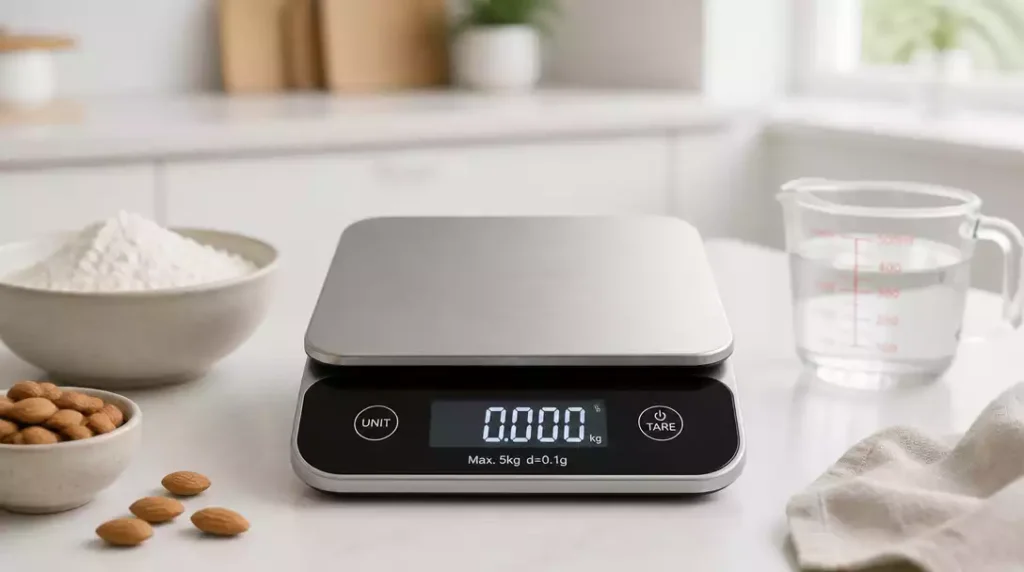
Want to improve your cooking or scientific measurements? Understanding how to read a kilogram scale is essential for accuracy and precision in various tasks. Let’s explore the vital lessons you can take away from mastering this skill.
What You Will Learn
- A kilogram scale measures weight specifically in kilograms (kg) and grams (g), the standard units in the metric system.
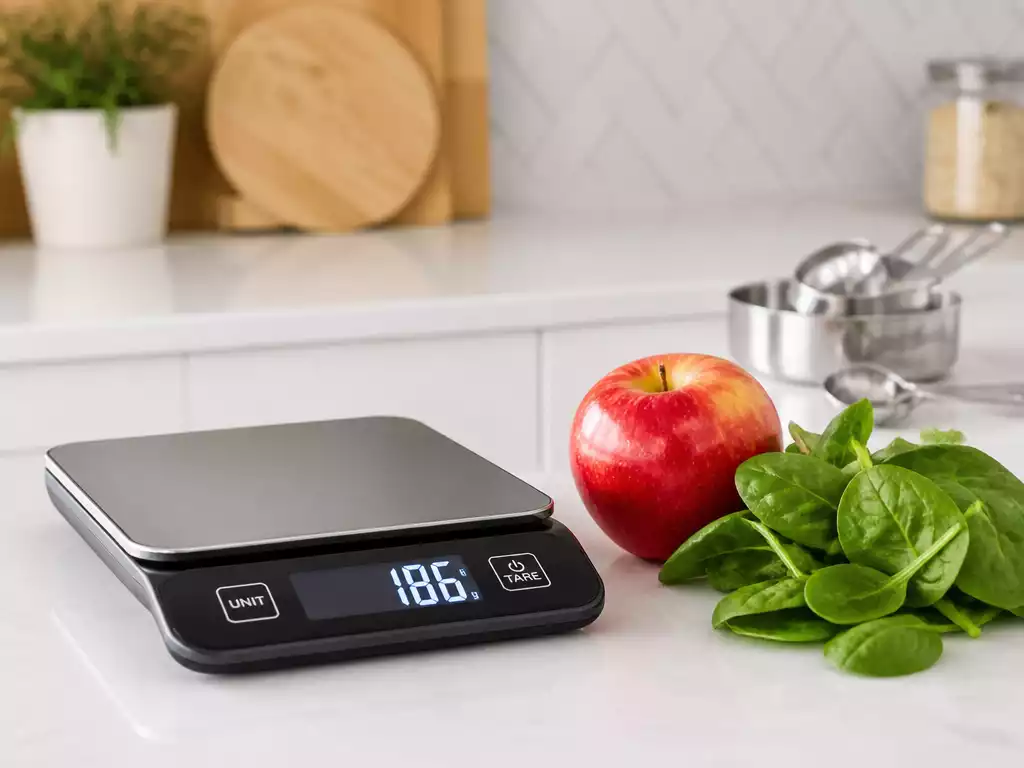
- Digital scales are easier to use with LCD displays, while analog scales require careful reading of the dial.
- Routine calibration is crucial to maintain scale accuracy and reliability over time.
- Understanding the difference between kilograms and grams is vital for precise measurements, especially in cooking.
Understanding How to Read a Kilogram Scale
Reading a kilogram scale is simpler than it might seem! Whether you’re a home cook weighing ingredients or a professional needing precise measurements, knowing how to read a scale will enhance your accuracy. A kilogram scale is designed specifically to measure weight, generally in kilograms (kg) and grams (g), which are the standard units for weight in the metric system.

These scales come in two main types: digital and analog. Each type has its unique features and methods of operation, but they both serve the same fundamental purpose. So, let’s dive into what a kilogram scale really is.
What Is a Kilogram Scale?
A kilogram scale is a tool that measures weight according to the metric system, where 1 kilogram equals 1,000 grams. This system is used globally for its simplicity and precision. In fact, many countries use kilograms as the standard unit of weight for a variety of applications, from grocery shopping to scientific research.
Defining Weight Measurement in Kilograms and Grams
In weight measurement, knowing the distinction between kilograms and grams is crucial. Here’s a quick breakdown:
- 1 kilogram (kg) = 1,000 grams (g)
- Common items measured in kilograms include fruits, meats, and packaged goods.
- Grams are often used for smaller items, like spices or single ingredients.
This metric measurement system is favored globally due to its straightforward conversion and ease of use. It’s essential to grasp these basics when using a scale, so you can ensure accurate measurements every time!
The Importance of Accurate Measurements
Accurate measurements can make a significant difference in many aspects of life, especially in cooking, baking, and even in scientific experiments. For instance, a 5-gram difference in a recipe can alter the taste or texture of a dish. This is why knowing how to read a scale properly is so important.
Why Knowing How to Read a Scale Matters
- Precision in recipes ensures the best results.
- Accurate measurements are crucial for nutrition tracking.
- Proper weight measurements can prevent wastage of ingredients.
Ultimately, being proficient in reading a scale not only enhances your cooking skills but can also improve your overall experience in the kitchen! For more tips on precise measurements, check out our guide on how to measure food on a scale.
Understanding Scale Accuracy and Calibration
The accuracy of a scale can affect your measurements. Regular calibration is recommended to ensure the scale provides reliable results. Typically, you can calibrate your scale by:
- Using calibration weights to test its accuracy.
- Adjusting settings according to the manufacturer’s instructions.
- Checking for zero reading before weighing items.
By maintaining accuracy through calibration, you can trust your scale for all your measurement needs! If you’re wondering how to tell if your scale is providing incorrect readings, you might find our article on how to know if a scale is wrong particularly helpful.
Pro Tip
Did you know? Regularly calibrating your scale can enhance its accuracy significantly. Make it a habit to check your scale’s calibration before important measurements, especially when precision is crucial, like in baking or scientific experiments. A simple test with known weights can keep your scale in top shape!
Frequently Asked Questions (FAQs)
Here are some common questions about using and understanding kilogram scales:
- What is the main difference between a digital and an analog kilogram scale?
- Digital scales typically feature an LCD display that shows the weight in numbers, making them easy to read. Analog scales, on the other hand, require you to read a dial with tick marks, which can sometimes be less precise.
- Why is calibration important for a kilogram scale?
- Calibration ensures that your scale provides accurate and reliable measurements. Over time, scales can lose their accuracy due to wear and tear or environmental factors. Regular calibration helps correct these deviations, keeping your measurements precise.
- How many grams are in a kilogram?
- There are 1,000 grams in 1 kilogram. This straightforward conversion is a key aspect of the metric system, simplifying weight measurements.
- Can I use a kilogram scale for very small measurements, like spices?
- While a kilogram scale can measure grams, for very small and precise measurements (e.g., a few grams of spice), a more sensitive kitchen scale designed for smaller increments might be more appropriate. However, for general use, most kilogram scales will suffice for gram measurements.
- What should I do if my scale gives inconsistent readings?
- If your scale gives inconsistent readings, first ensure it’s on a flat, stable surface. Then, check its calibration. If it’s an analog scale, ensure the needle is at zero before use. For digital scales, try replacing the batteries if applicable. If issues persist, refer to the manufacturer’s manual or consider professional servicing.
Summarizing Key Points on Reading a Kilogram Scale
As we’ve explored throughout this article, knowing how to read a kilogram scale is crucial for accurate weight measurement. Whether you’re weighing ingredients for a recipe, managing your fitness goals, or conducting scientific experiments, accuracy is key! In this section, we’ll summarize essential learning points to reinforce your understanding and confidence.
Recap of Essential Learning Points
- A kilogram scale is designed to measure weight in kilograms and grams.
- Digital scales are user-friendly, often featuring LCD displays with clear readings.
- Analog scales require careful reading of the dial and understanding tick marks.
- Common conversion is straightforward: 1 kg equals 1000 g.
- Routine calibration ensures your scale’s accuracy over time.
It’s important to remember that every scale operates differently, and familiarity with your specific model is important. Practicing with different items can help reinforce these key concepts and boost your confidence in using your scale.
Encouragement to Practice and Apply Your Knowledge
Now that you have a grasp on the basics of reading a kilogram scale, I encourage you to put your knowledge into practice! Start weighing everyday items at home or even in a professional setting. You’d be surprised how much you can learn by simply experimenting. Each time you weigh something, take a moment to reflect on your technique and accuracy.
Feeling unsure? That’s perfectly normal. We all start somewhere! Take it step by step, and soon you’ll find yourself confidently reading any scale.
Take Action: Master Your Scale Reading Skills
Start Weighing Items with Confidence Today
Ready to take the plunge? Begin by gathering a few items around your home—perhaps a bag of flour or some fruits. Weigh them using your selected scale, and remember to note the readings. This hands-on approach will solidify your skills and help you feel more comfortable with the process. The more you practice, the easier it will become!
Further Resources for Deepening Your Understanding
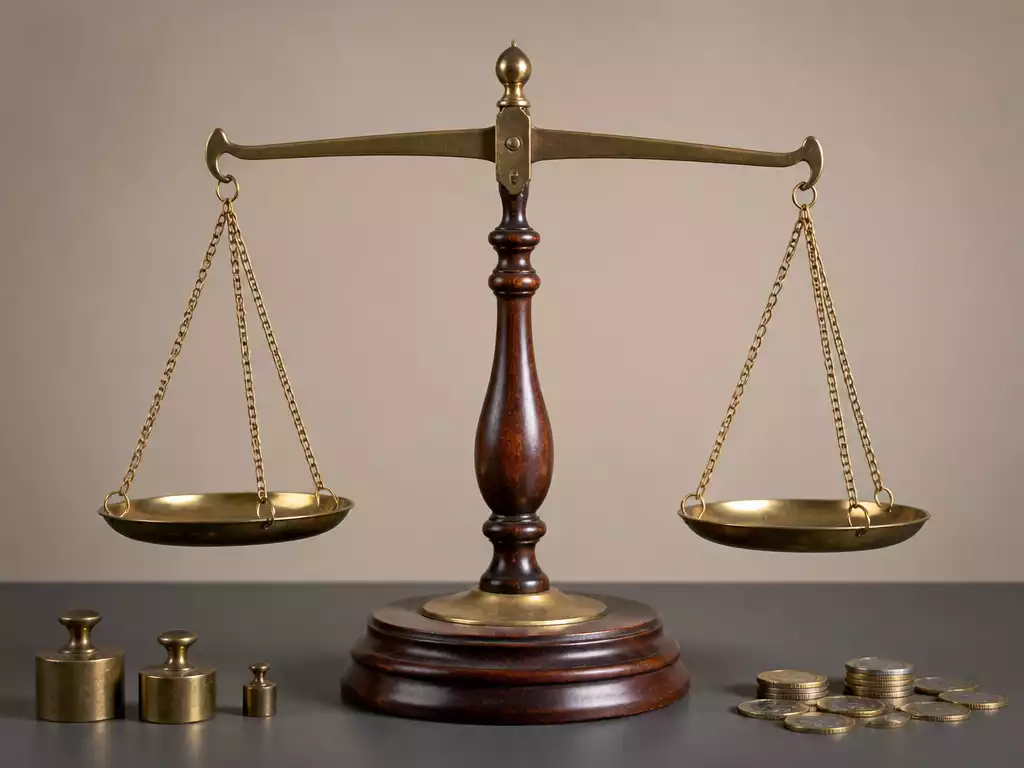
If you find yourself wanting to learn more, there are plenty of resources available. Consider looking for instructional videos online that demonstrate various weighing techniques. Additionally, manuals specific to your scale can provide insights into unique features that can enhance your weighing experience. For those interested in different types of scales, our article on how to read a balance scale offers another perspective.
- Online tutorials and videos on weighing techniques.
- Manufacturer manuals for specific scale features.
- Books on measurement and cooking for practical applications.
Understanding the Importance of Scale Maintenance
Finally, don’t forget that maintaining your scale is just as important as knowing how to use it! Regular checks and calibrations will ensure that your scale remains accurate and reliable. This is especially vital if you rely on your scale for important measurements, whether at home or in a business setting.
So, take a moment to clean your scale after each use and make a habit of checking its calibration periodically. Your scale will thank you—and so will your measurements! For specific guidance on calibration, you can read our detailed post on how to calibrate a kitchen scale.
Recap of Key Points
Here is a quick recap of the important points discussed in the article:
- A kilogram scale measures weight in kilograms and grams.
- Digital scales feature LCD displays for easy reading, while analog scales require careful interpretation of the dial.
- 1 kilogram equals 1,000 grams, making conversion straightforward.
- Regular calibration is essential for maintaining scale accuracy.
- Familiarity with your specific scale model enhances measurement confidence.