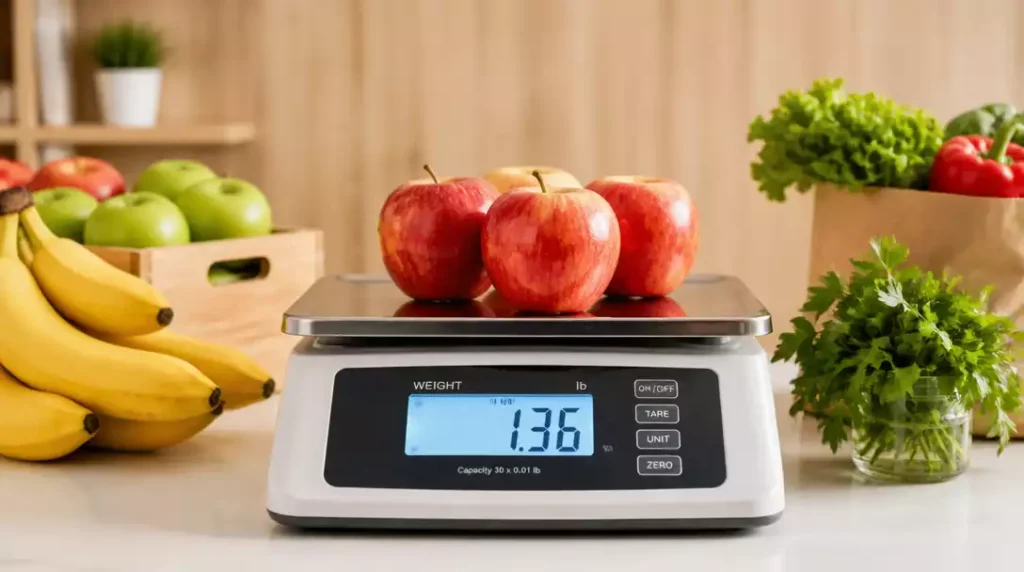
In a world where grocery prices fluctuate constantly, mastering the skill of reading scales can significantly impact your budget and purchasing choices. Are you ready to take control of your grocery shopping and make informed decisions?
What You Will Learn
- Understanding how to read grocery store scales helps in creating accurate budgets and reducing unnecessary spending.
- Digital scales offer easy-to-read weight displays, while mechanical scales require careful interpretation of dials.
- Taring the scale is essential for excluding packaging weight and ensuring you only pay for the product itself.
- Familiarity with unit pricing and weight calculations can help you find the best deals and avoid common shopping mistakes.
Grocery Store Scales: A Guide to Reading Weights
Being able to accurately read grocery store scales is essential for effective budgeting and savings on your grocery trips. Without this knowledge, you might end up overspending or miscalculating your total costs. As someone who’s navigated the grocery aisles for years, I can assure you that mastering this skill will empower you to make better purchasing decisions!
Understanding how to read a scale helps you track your spending and ensures you’re getting the value you expect from your purchases. Whether it’s buying fresh produce or deli meat, knowing the weight can significantly influence your overall grocery bill.
Why Knowing How to Read a Grocery Store Scale Matters
- Helps in creating accurate budgets
- Reduces food waste by buying only what you need
- Ensures you pay a fair price for your groceries
In a world where prices can fluctuate, knowing how to read grocery store scales allows you to be a more informed shopper. You can compare prices per pound and find the best deals, which is particularly important when you’re trying to stay within a budget. For more advanced techniques, consider learning how to read a kilogram scale.
Types of Grocery Store Scales: Digital vs. Mechanical
When you step into a grocery store, you’ll typically find two types of scales: digital and mechanical. Each type has its own way of presenting weight readings, and understanding these differences can help you make the most of each scale.
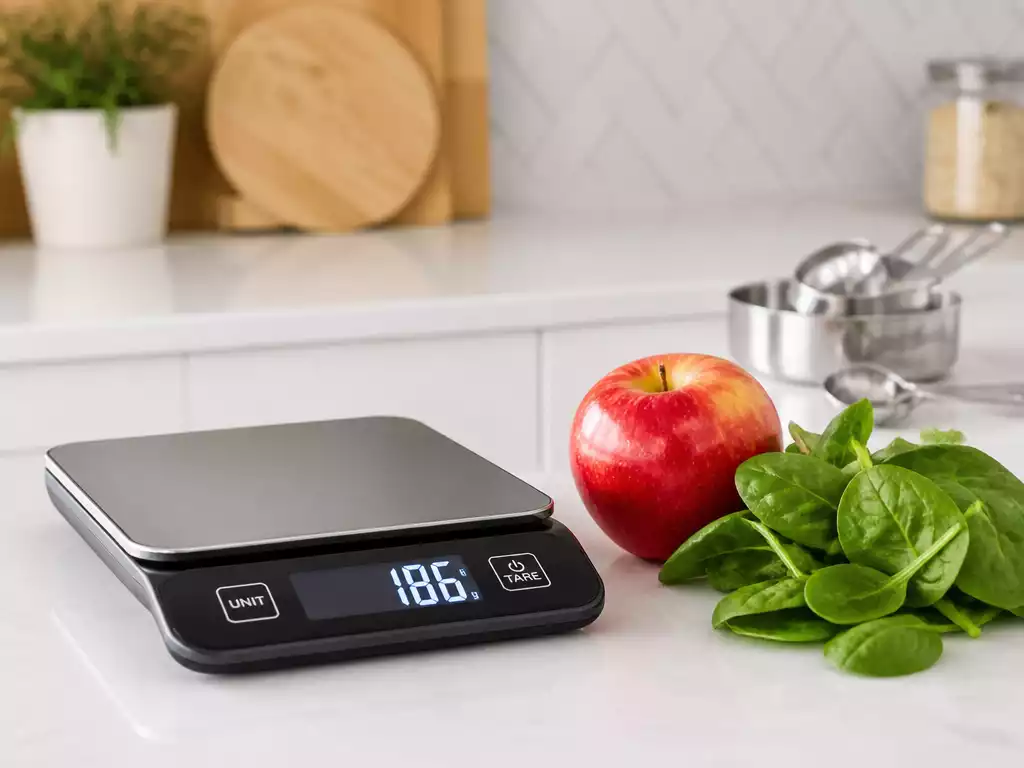
- Digital Scales: These scales display weight readings on an electronic screen, making them easy to read and often more precise.
- Mechanical Scales: These use a dial and needle to indicate weight, which can sometimes be less intuitive, especially for new shoppers.
Both types of scales serve the same purpose, but your choice might depend on personal preference or the specific items you’re weighing. While digital scales may offer more accuracy, many people still appreciate the classic feel of a mechanical scale!
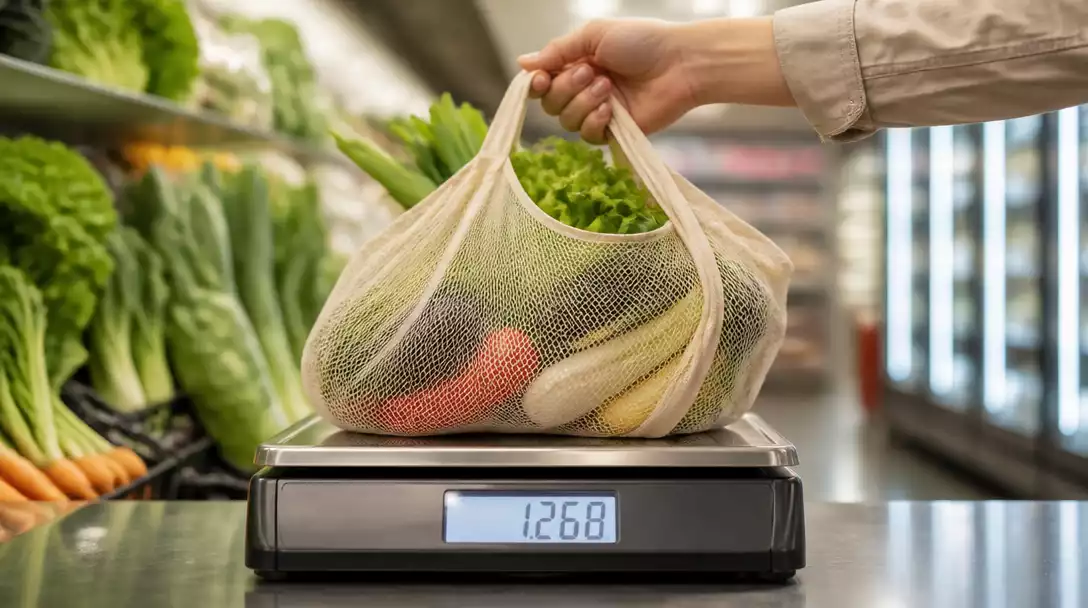
Step-by-Step Instructions for Using Grocery Store Scales
How to Tare and Zero the Scale for Accurate Measurements
Taring a scale is a crucial step for getting accurate weight readings. It allows you to exclude the weight of packaging or containers, which can lead to overpaying for your groceries. To tare the scale, simply place the empty container on the scale and press the tare button—this resets the display to zero! For a deeper dive into this function, read about how tare works on a scale.
Once the scale is tared, you can add your items without worrying about the extra weight of the container. This simple step can make a big difference in your grocery budget!
Reading Results: Interpreting Digital and Analog Measurements
Digital Scale Readings: Navigating the Display
Reading a digital scale is straightforward. The screen will display the weight in either pounds or kilograms, often with a quick visual update as you add or remove items. Look for other indicators like “lb” or “kg” to ensure you’re interpreting the weight correctly.
Analog Scale Readings: Understanding the Dial
For mechanical scales, you’ll need to read the dial carefully. The needle points to the weight, and the scale usually has tick marks to indicate smaller increments. It can take a bit of practice, but soon you’ll be able to read these scales like a pro!
Interactive Poll: Your Grocery Scale Experience
How confident do you feel about reading grocery store scales? Share your thoughts below:
Frequently Asked Questions About Grocery Store Scales
- Why is reading grocery store scales important?
Reading grocery store scales is important for effective budgeting, ensuring you pay a fair price, and making informed purchasing decisions. It helps you avoid overspending and track your grocery costs accurately. - What are the main types of grocery store scales?
The main types are digital scales, which display weight on an electronic screen, and mechanical scales, which use a dial and needle to indicate weight. - What does “taring” a scale mean?
Taring a scale means resetting its display to zero after placing an empty container on it. This excludes the weight of the packaging or container, ensuring you only pay for the product inside. - How do I read a digital scale?
Digital scales are straightforward; the weight is displayed numerically on an electronic screen, usually in pounds (“lb”) or kilograms (“kg”). - How do I read a mechanical (analog) scale?
For mechanical scales, you read the weight by observing where the needle points on the dial, interpreting the tick marks for smaller increments. It may require some practice. - How can I use scale knowledge to save money?
By understanding how to read scales and unit pricing, you can compare prices per pound, buy only what you need, and consider how packaging affects cost, leading to better deals and savings.
Recap of Key Points for Using Grocery Store Scales Effectively
Now that we’ve explored the ins and outs of grocery store scales, let’s summarize the essential steps for reading and calculating costs effectively. Getting comfortable with these tools can truly enhance your shopping experience!
- Always tare the scale to exclude packaging weight.
- Know how to read both digital and analog scales accurately.
- Use the unit price to calculate the total cost based on weight.
- Avoid common mistakes, such as misreading the scale or neglecting to account for packaging.
By keeping these key points in mind, you’ll be well on your way to making more informed decisions at the grocery store. Remember, it’s all about making your shopping trips smoother and more budget-friendly!
Take Control of Your Grocery Shopping: Make Informed Choices
With your new skills in reading grocery store scales, it’s time to take charge of your shopping habits! Being informed not only helps in saving money but also encourages smarter choices.
- Compare prices per pound to find the best deals.
- Use your knowledge of weights to buy only what you need.
- Consider how packaging affects weight and cost.
Empower yourself by applying these practices each time you shop. I often find that a little knowledge goes a long way in making the most of my grocery budget! To ensure precision, you might also want to learn how to measure food on a scale at home.
Food Labels and Their Importance in Grocery Shopping
Food labels are more than just fancy graphics; they play a crucial role in your grocery shopping decisions. Understanding these labels can help you make informed choices about the products you buy.
- Nutrition facts provide essential dietary information.
- Ingredient lists help identify any allergens or unwanted additives.
- Unit pricing on labels allows for easy cost comparisons between items.
By paying attention to food labels, you can ensure that you’re making choices that align with your health goals and budget. Remember, knowing what you’re buying is just as important as knowing how much it weighs!
Recap of Key Points
Here is a quick recap of the important points discussed in the article:
- Always tare the scale to exclude packaging weight.
- Know how to read both digital and analog scales accurately.
- Use the unit price to calculate the total cost based on weight.
- Avoid common mistakes, such as misreading the scale or neglecting to account for packaging.
- Compare prices per pound to find the best deals.
- Use your knowledge of weights to buy only what you need.
- Consider how packaging affects weight and cost.