
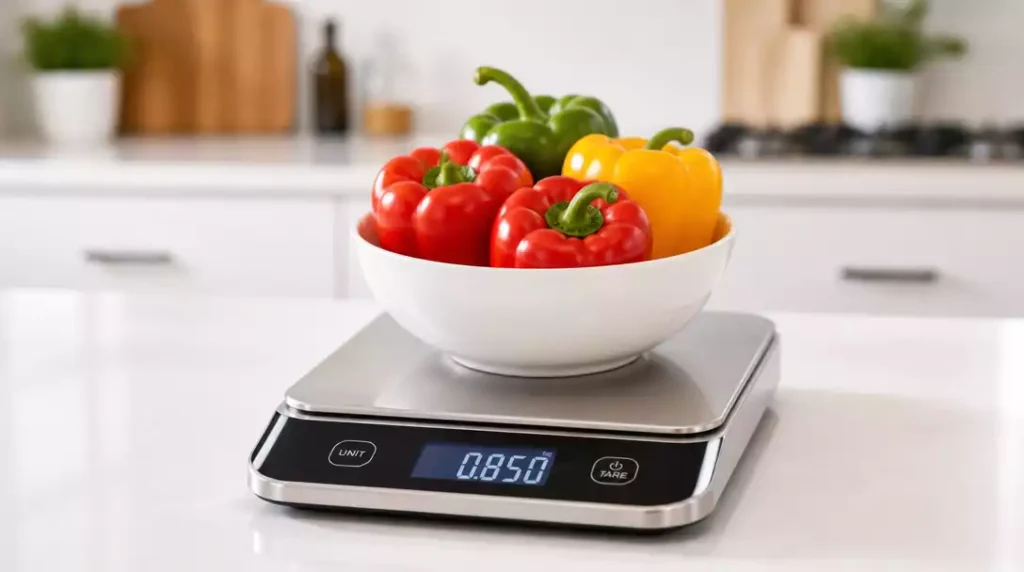
Did you know that weighing your food can significantly enhance both your cooking and nutritional accuracy? By adopting this simple practice, you can improve your meal outcomes and health tracking!
What You Will Learn
- Weighing ingredients improves recipe accuracy and enhances flavors in your dishes.
- Precision cooking helps with portion control and reduces food waste.
- Digital scales offer greater accuracy and are ideal for baking and meal prep.
- Accurate food measurement supports better dietary tracking and health management.
- Using a food scale can transform your cooking experience and lead to healthier eating habits.
- Familiarizing yourself with measurement units and practicing regularly can enhance your weighing skills.
Basics of Using a Food Scale
Weighing food is a crucial step in both cooking and nutrition. It allows for precise measurements that can enhance flavor and ensure consistent results. By using a food scale, you can improve your cooking accuracy and monitor your nutritional intake more effectively!
Many home cooks often guess measurements, leading to dishes that don’t turn out as expected. Whether you’re baking a cake or portioning your next meal, weighing your ingredients can make a significant difference. If you’re concerned about your scale’s accuracy, learn how to know if a scale is wrong to ensure reliable measurements.
Why Weighing Food Matters for Cooking and Nutrition
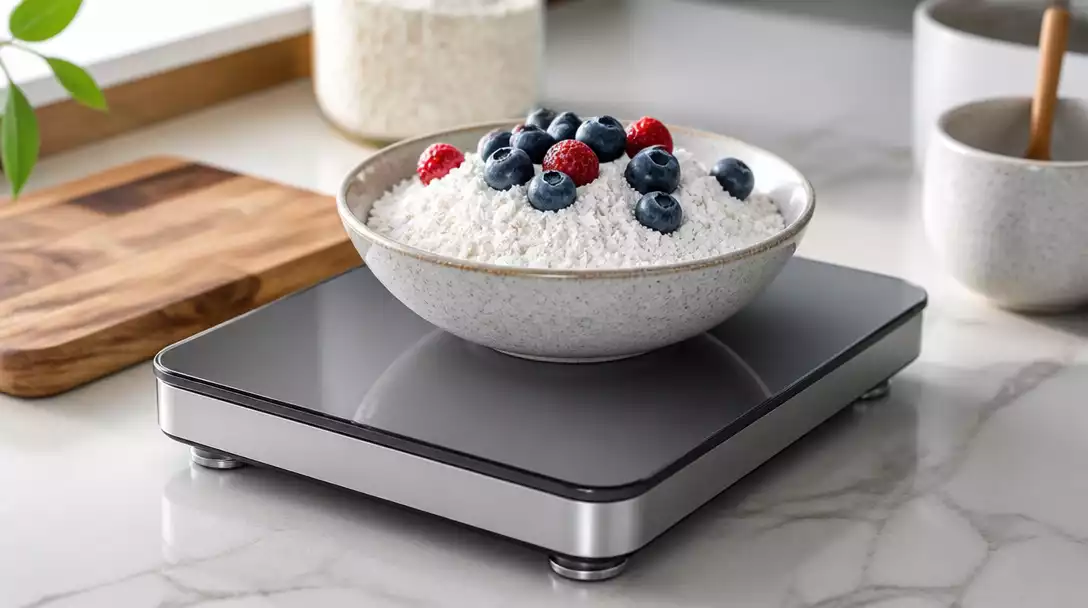
When it comes to cooking, measuring ingredients by weight can lead to better consistency and flavor in your dishes. Here are some reasons why weighing food matters:
- Enhances recipe accuracy
- Helps with portion control
- Reduces food waste by preventing over-preparation
- Supports dietary goals, especially for weight management
In terms of nutrition, knowing the exact weight of your food allows you to track your caloric intake more effectively. This can be especially helpful if you’re following specific dietary guidelines or trying to achieve certain health results.
Types of Food Scales: Digital vs. Mechanical
Choosing the right food scale can be a game changer in your kitchen. There are primarily two types: digital and mechanical. Each has its own set of advantages:
- Digital Scales: These are usually more accurate, easy to read, and often have features like tare functions.
- Mechanical Scales: They don’t require batteries and can be simpler to use, but may not offer the same level of precision.
As someone who enjoys cooking, I find that digital scales are more versatile for various tasks, especially when baking, where precision is key! You can also explore how a food scale works to better understand its mechanics.
Precision Weighing and Its Benefits
Precision weighing is all about getting accurate measurements, which is essential for both cooking and health tracking. Using a food scale helps eliminate guesswork when it comes to portion sizes.
- Ensures recipe success
- Facilitates meal prepping with precise ingredient amounts
- Allows for better dietary tracking and understanding of food intake
By weighing your food, you can enjoy the benefits of enhanced cooking results and a well-managed diet. It’s a small step that can lead to significant changes in your kitchen and health!
We Want to Hear From You!
What has been your experience with using a food scale? Have you found it beneficial for cooking and nutritional tracking? Share your thoughts below:
Frequently Asked Questions About Food Scales
Here are some common questions about using food scales for cooking and nutrition:
- Q: Why is weighing food more accurate than using measuring cups?
- A: Weighing food provides a more precise measurement because volume can vary based on how an ingredient is packed or its density. For example, a cup of flour can weigh differently depending on whether it’s sifted or compacted. Weight offers a consistent, exact value.
- Q: What are the main benefits of using a digital food scale?
- A: Digital food scales offer high accuracy, are easy to read, and often include a tare function, which allows you to weigh multiple ingredients in the same bowl by resetting the scale to zero after each addition. They are generally preferred for baking and precise meal prep.
- Q: Can a food scale help with weight management?
- A: Yes, absolutely! By accurately weighing your food, you can precisely track your caloric and nutritional intake, which is crucial for portion control and managing dietary goals, including weight loss or gain.
- Q: How do I ensure my food scale provides accurate readings?
- A: To ensure accuracy, always place your scale on a stable, flat surface. Remember to tare the scale before adding ingredients, and if your scale has a calibration function, use it periodically to maintain precision. Keeping the scale clean also helps prevent errors.
- Q: What should I look for when buying a new food scale?
- A: Consider factors like capacity (how much weight it can handle), accuracy (usually measured in grams or ounces), ease of cleaning, and features like a tare function, unit conversion, and backlighting for the display. Digital scales are generally recommended for their precision and features.
Wrapping Up: The Importance of Accurate Food Measurement
As we conclude our discussion on accurate food measurement, it’s essential to recognize the significant impact it has on both health and cooking precision. Weighing food accurately not only helps you follow recipes more diligently but also plays a vital role in maintaining a balanced diet. By taking this simple step, you can ensure that you’re preparing meals that align with your nutritional goals!
In my own experience, I’ve found that using a food scale has transformed how I approach cooking. It’s not just about the right ingredients; it’s about knowing exactly how much to use. This practice leads to better meal planning, portion control, and an overall healthier lifestyle.
Benefits of Accurate Weighing for Health and Cooking Precision
When you weigh your ingredients accurately, you unlock a world of benefits, including:
- Improved Recipe Consistency: Achieve the same delicious results every time.
- Nutritional Accuracy: Monitor your intake better by knowing exactly what you eat.
- Waste Reduction: Use only what you need, helping to cut down on food waste.
- Enhanced Cooking Techniques: Perfect your skills by focusing on precise measurements.
These advantages not only elevate your cooking skills but also support your health journey. By weighing food, you gain insights into portion sizes and nutritional content, allowing you to make informed decisions about your meals.
Final Tips for Using Your Food Scale Effectively
To wrap things up, here are some final tips to ensure that you get the most out of your food scale:
- Keep your scale on a stable, flat surface to ensure accurate readings.
- Always tare your scale before weighing ingredients to avoid incorrect measurements.
- Familiarize yourself with the different measurement units and when to use them.
- Practice measuring various ingredients to refine your technique over time.
Remember, practice makes perfect! The more you weigh your food, the more comfortable and accurate you’ll become. So don’t hesitate to experiment and find what works best for you!
Take Action: Start Weighing Your Food Today
Resources for Selecting the Right Food Scale
If you’re ready to get started, choosing the right food scale is crucial. Here are some resources to help you select one that fits your needs:
- Online reviews and comparisons of top-rated food scales.
- Videos demonstrating how to use different scales effectively.
- Guides on features to look for in a food scale, such as capacity and accuracy. For example, understanding how tare works on a scale can significantly improve your weighing process.
These resources can guide you to make an informed decision and find a food scale that you’ll love using in your kitchen!
Join the Community: Share Your Weighing Experiences and Tips
We’d love to hear from you! Join our community and share your experiences with weighing food. Whether you have tips, tricks, or favorite recipes that rely on precise measurements, your input can help others looking to improve their cooking and nutrition.
Exploring Dietary Guidelines for Effective Food Tracking
To enhance your food tracking journey, consider exploring dietary guidelines that can assist you in understanding portion sizes and nutritional requirements. Here are some useful resources:
- USDA’s MyPlate guidelines for balanced meals.
- Apps that help track your food intake and nutritional values.
- Books and articles on meal planning and dietary management.
By utilizing these tools, you can take control of your health and improve your relationship with food. Remember, every step you take towards precise food measurement is a step towards a healthier you!
Recap of Key Points
Here is a quick recap of the important points discussed in the article:
- Weighing food enhances recipe accuracy and ensures consistent cooking results.
- Using a food scale helps with portion control and reduces food waste.
- Digital scales offer better accuracy and features compared to mechanical scales.
- Precision weighing facilitates meal prepping and dietary tracking.
- Key tips include keeping the scale stable, taring before weighing, and practicing measuring different ingredients.





