Have you ever considered how vital accurate liquid measurements are in the kitchen? It’s amazing how a simple misstep can transform a culinary creation into a disaster!
What You Will Learn
- Consistency in recipes leads to reliable results every time.
- Achieving flavor balance is crucial for enhancing your dish’s taste.
- Understanding the difference between volume and weight measurements can improve accuracy.
- Familiarity with various liquid measurement units simplifies cooking processes.
- Using the right tools, like measuring cups and scales, is essential for precision.
- Practicing with different liquids helps you understand their varying densities.
- Consistency in measuring enhances confidence and creativity in the kitchen.
- Incorporating precision balances can elevate your cooking to a professional level.
Basics of Liquid Measurement
When it comes to cooking, precise liquid measurement is crucial. Whether you’re baking a cake or making a sauce, getting the right amount of liquid can make all the difference in the outcome of your dish. That’s why we need to dive into why accuracy matters. Trust me, I’ve been there—overpouring or underpouring can lead to kitchen disasters!
In my experience, using the correct measurements not only enhances flavors but also helps maintain the desired textures in your recipes. Understanding how to measure liquids accurately is a skill every home cook should have, and I’m excited to share it with you!
Why Accurate Liquid Measurement Matters in Cooking
Accurate liquid measurement is essential for several reasons:
- Consistency: Ensures that your dishes turn out the same every time.
- Flavor Balance: Helps achieve the right taste by balancing ingredients correctly.
- Texture Control: Affects the final texture, especially in baking.
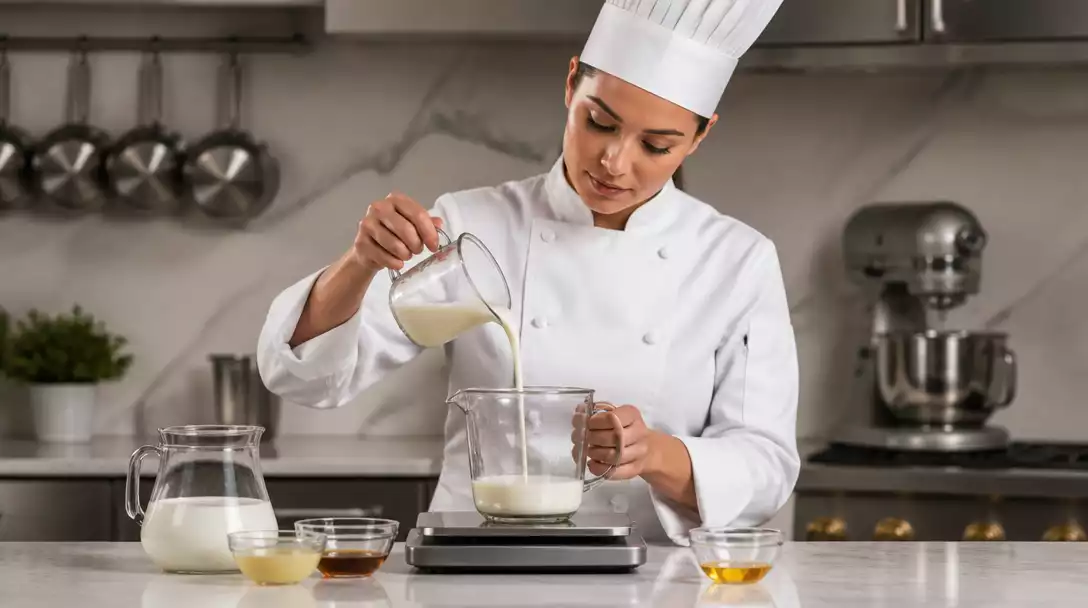
By measuring correctly, you can avoid mishaps that come from too much or too little liquid. My personal tip? Always re-check your measurements if you’re unsure—it’s better to take a moment than to risk ruining your dish!
The Difference Between Volume and Weight Measurements
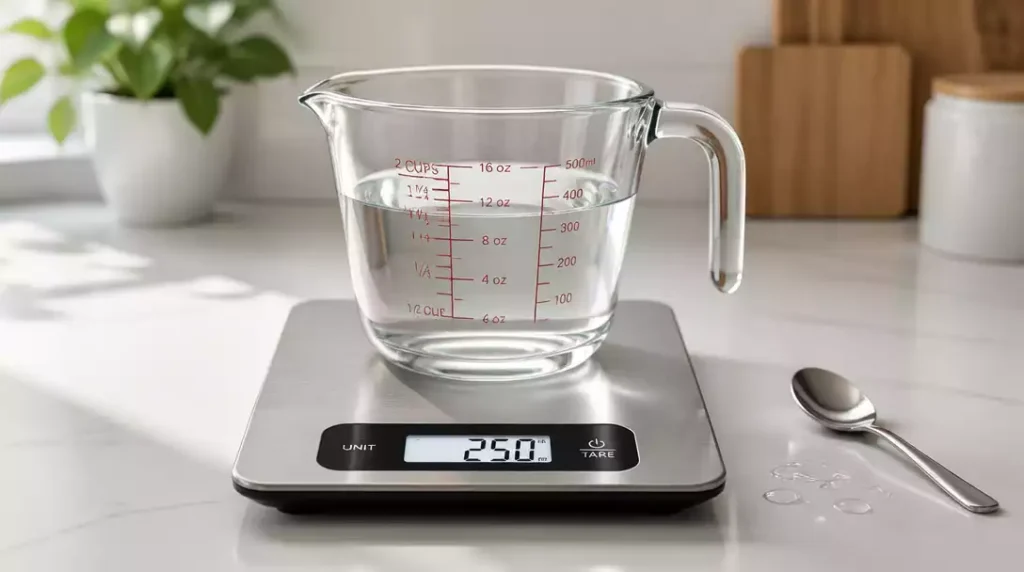
Understanding the difference between volume and weight is key to mastering liquid measurements. Volume measures how much space a liquid occupies, typically using cups or fluid ounces. Weight, on the other hand, measures how heavy the liquid is, typically using grams or ounces.
- Volume Measurements: Commonly used in recipes and are often easier in cooking.
- Weight Measurements: More precise, especially for ingredients that can vary in density.
When I’m creating a new recipe, I tend to prefer weight measurements for liquids when possible. They offer a level of precision that takes the guesswork out of cooking!
Exploring Liquid Measurement Units: Fluid Ounces, Milliliters, and Liters
There are a few key units of measurement you’ll encounter when measuring liquids:
- Fluid Ounces: Commonly used in the U.S.; these are typically found on liquid measuring cups.
- Milliliters: A metric measurement often used in many countries and recipes.
- Liters: Useful for larger quantities, particularly in beverage recipes or cooking in bulk.
As someone who loves experimenting in the kitchen, having a good grasp of these units has helped me adapt recipes from various cuisines. Plus, knowing which unit to use can simplify your cooking process significantly!
Pro Tip
To ensure accuracy in your liquid measurements, consider investing in a set of measuring cups that include both metric and imperial units. This will make it easier to follow recipes from different regions and help you adapt various cuisines into your cooking repertoire!
Summarizing the Importance of Accurate Liquid Measurement
As we dive deeper into the world of cooking and baking, it’s easy to overlook the significance of accurate liquid measurement. Whether you’re a home cook whipping up a weeknight dinner or a professional chef crafting culinary masterpieces, understanding how to measure liquids can greatly impact your results. From flavor balance to texture, precision in measuring can make all the difference!
Here are some key takeaways that highlight the importance of mastering liquid measurement:
- Improved consistency in recipes, leading to reliable results.
- Enhanced flavors by ensuring the right ingredient ratios.
- Better texture in baked goods and sauces, preventing mishaps.
- Increased confidence in experimentation and creativity in the kitchen.
With these fundamentals in mind, it becomes clear why taking the time to focus on measuring liquids accurately pays off. It’s not just about following a recipe; it’s about creating dishes that delight the palate.
Key Takeaways for Home Cooks and Professionals
When it comes to cooking, I always remind fellow chefs and home cooks that precision is key! Here are some essential points to keep in mind:
- Utilize the right tools for the job, such as measuring cups, spoons, and kitchen scales.
- Always be aware of whether you’re measuring volume or weight, as this can affect your results.
- Practice measuring with different types of liquids to get familiar with varying densities.
- Don’t shy away from using conversion charts or apps to help with measurement accuracy.
By committing to these takeaways, both home cooks and culinary professionals can elevate their cooking game and reduce the stress that comes with preparing meals.
Taking Your Liquid Measurement Skills to the Next Level
Now that we’ve emphasized the importance of accurate liquid measurements, let’s explore practical applications that can enhance your skills. Remember, every drop counts!
Practical Applications in Everyday Cooking and Baking
Everyday cooking can greatly benefit from precise liquid measurements. I love to share these practical applications with my kitchen students:
- Adjusting sauces and dressings: Knowing how to measure liquids accurately allows you to tweak flavors without altering the overall balance.
- Baking precision: The right amount of liquid can mean the difference between fluffy cakes and dense, soggy ones.
- Creating stocks and soups: Accurate measurements ensure your base is rich and flavorful.
- Fermenting and pickling: When following these processes, precise ratios are crucial for success.
By implementing these applications, you’ll find that your dishes not only taste better but also have the perfect consistency!
Encouraging Consistency and Accuracy in Your Recipes
Consistency is the hallmark of a great cook. When you consistently measure your liquids, you create dishes that are reliable and delicious every time. Here are a few strategies to encourage this practice:
- Develop a routine for measuring ingredients before cooking, setting you up for success.
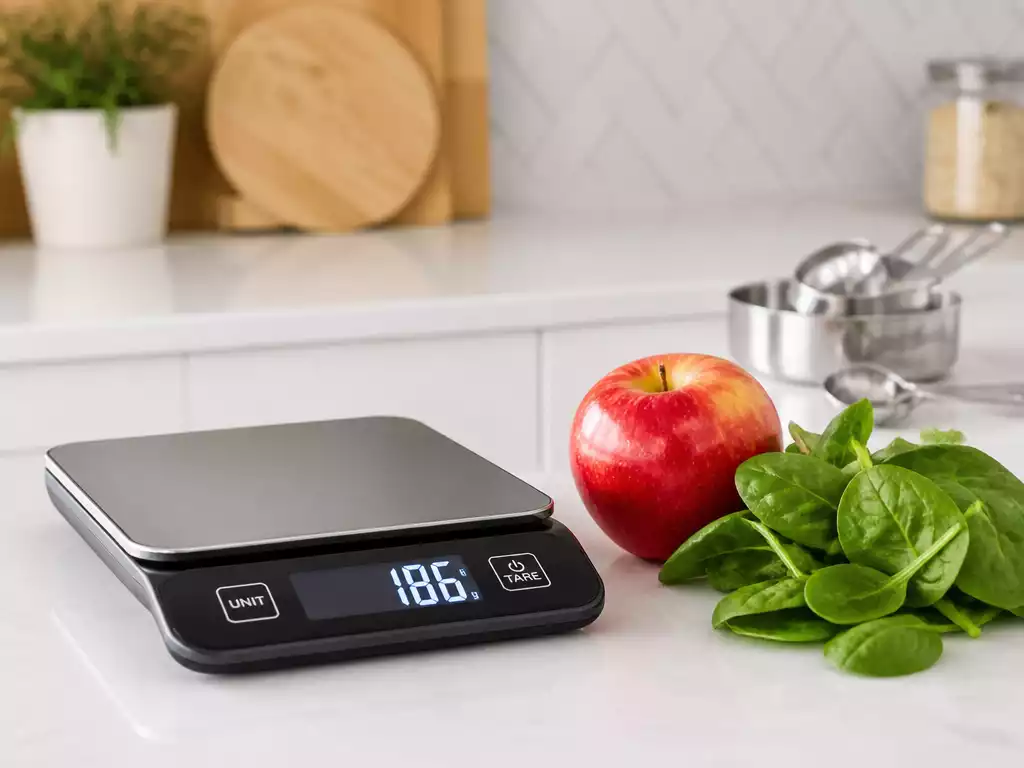
- Keep a digital scale handy for quick and precise measurements.
- Label your measuring cups and spoons, so you’re always aware of the sizes you’re using.
- Regularly check your measuring tools for accuracy—they can drift over time!
By focusing on these aspects, you’ll become a more confident cook and ensure your meals are consistently fantastic!
The Benefits of Using Precision Balances and Laboratory Scales
As we explore advanced liquid measurement techniques, consider incorporating precision balances and laboratory scales into your cooking toolkit. These tools offer several benefits:
- Higher accuracy: Precision scales provide exact measurements, which is especially useful when working with small quantities.
- Quick adjustments: Easily measure ingredients as you go, allowing you to perfect your recipes on the fly.
- Versatility: These scales can handle a variety of liquid types, from water to viscous substances like honey.
Investing in these tools not only enhances your liquid measurement skills but also elevates your cooking and baking to a professional level. I often encourage aspiring chefs to explore what precision tools can do for their culinary creations!
Frequently Asked Questions About Liquid Measurement in Cooking
- Q: Why is accurate liquid measurement so important in cooking?
- A: Accurate liquid measurement ensures consistency in recipes, helps achieve the right flavor balance, and controls the final texture of dishes, especially in baking. Small variations can significantly impact the outcome.
- Q: What’s the difference between volume and weight measurements for liquids?
- A: Volume measurement (e.g., cups, fluid ounces) indicates the space a liquid occupies, while weight measurement (e.g., grams, ounces) indicates its heaviness. Weight measurements are generally more precise, especially for ingredients with varying densities.
- Q: What are the common units for measuring liquids?
- A: Common units include fluid ounces (U.S.), milliliters (metric), and liters (metric, for larger quantities). Understanding these units is crucial for adapting recipes from different regions.
- Q: What tools are essential for accurate liquid measurement?
- A: Essential tools include liquid measuring cups (with clear markings), measuring spoons, and kitchen scales. For higher precision, especially with small quantities, precision balances and laboratory scales are beneficial.
- Q: How can I improve my liquid measurement skills?
- A: To improve, practice measuring different liquids to understand their densities, use appropriate tools, develop a routine for measuring ingredients, and regularly check your measuring tools for accuracy.
Recap of Key Points
Here is a quick recap of the important points discussed in the article:
- Accurate Measurements: Essential for consistency, flavor balance, and texture control in cooking.
- Understanding Units: Familiarize yourself with fluid ounces, milliliters, and liters for effective liquid measurement.
- Volume vs. Weight: Recognize the difference between volume and weight measurements for more precise cooking results.
- Utilizing the Right Tools: Use proper measuring cups, spoons, and scales to enhance accuracy.
- Consistency Practices: Develop routines and regularly check measuring tools for accuracy to ensure reliable cooking outcomes.