
Did you know that regular maintenance can significantly enhance the longevity and precision of your digital scales? Understanding the factors that contribute to scale drift is essential for anyone relying on accurate measurements.
What You Will Learn
- What digital scale drift is and its impact on measurement accuracy.
- Common causes of scale drift, including environmental factors and wear and tear.
- The importance of regular maintenance to prevent inaccuracies in weight measurements.
- Key troubleshooting steps to rectify drift issues quickly and effectively.
- How to implement a routine check-up schedule for optimal scale performance.
Digital Scale Drift and Its Causes
Digital scale drift is a common issue that many users face, and it can lead to inaccurate readings if not addressed promptly. It occurs when a scale’s readings fluctuate or deviate from the true weight over time. This phenomenon can be frustrating, especially if you’re relying on your scale for precise measurements. Understanding what causes this drift is essential for maintaining accuracy.
In many cases, users may not even realize their scales have drifted until they see a variance in weight. Recognizing the signs early can save you time and money, ensuring your operations run smoothly.
What is Digital Scale Drift?
Digital scale drift refers to the gradual loss of accuracy in weight measurement. Factors contributing to this issue can vary widely, from environmental changes to the scale’s internal mechanics. Essentially, a scale that drifts may provide weight readings that are higher or lower than the actual weight, which can mislead users and affect overall efficiency.
- Normal operational wear and tear
- Environmental changes impacting the scale
- Internal component failures
Being aware of what digital scale drift entails can help you take effective steps to rectify the issue. Regular monitoring and maintenance are key!
Common Causes of Digital Scale Drift
Understanding the common culprits behind digital scale drift is crucial to prevent it from occurring in the first place. Various factors can influence the accuracy of your scale, and being proactive can help maintain its precision. Below are some common causes:
- Calibration errors
- Wear and tear from regular use
- Environmental changes such as humidity and temperature
Environmental Factors Affecting Accuracy
Environmental factors play a significant role in the performance of digital scales. For instance, high humidity levels can cause the internal components to corrode, affecting the scale’s ability to measure weight accurately. Similarly, any vibrations or movements in the area where the scale is situated can lead to inconsistent readings. If you’re encountering issues with inaccurate readings, you might find our guide on how to fix a scale that is off particularly helpful.
- Humidity levels above 60% can cause issues
- Vibrations from nearby machinery
- Unstable surfaces where the scale is placed
Battery and Power Issues
Power supply problems are another common cause of drift. A weak or dying battery can lead to fluctuations in accuracy, making it imperative to check your scale’s power source regularly. If you notice that your scale is inconsistent, consider replacing the battery as a quick fix. Learn more about how to change the battery in a digital scale to keep your measurements accurate.
- Check battery life regularly
- Use high-quality batteries for reliability
Load Cell Complications
The load cell, a critical component of digital scales, can also lead to drift if it becomes damaged or misaligned. Ensuring proper load cell maintenance can help mitigate this issue. If you experience persistent drift, it might be time to inspect the load cell for any signs of wear or malfunction.
Impact of Temperature and Humidity on Scale Performance
Temperature and humidity variations can have profound effects on your scale’s performance. For instance, extreme temperatures can cause parts to expand or contract, which can lead to measurement inaccuracies. Understanding how these environmental conditions influence your scales can help you devise strategies to mitigate their effects.
- Maintain a stable room temperature
- Avoid placing scales near air vents or windows
- Use a dehumidifier if necessary
By being aware of these common causes of digital scale drift, you can take proactive measures to maintain accuracy in your measurements. Don’t hesitate to reach out if you need assistance with troubleshooting or maintenance!
Pro Tip
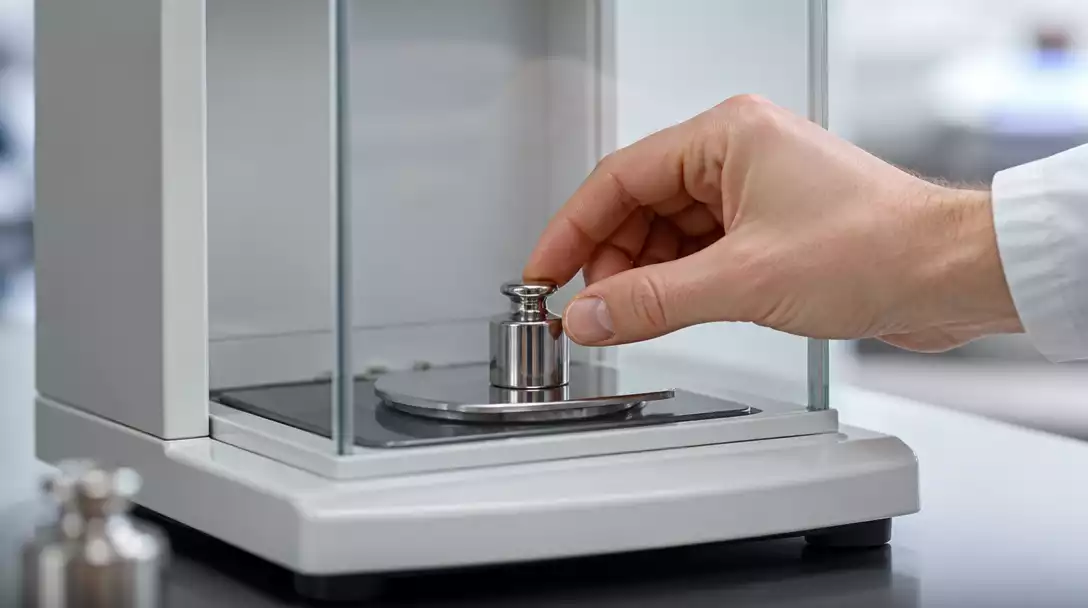
Did you know? Regularly calibrating your digital scale using verified weights can significantly enhance its accuracy. Aim to perform this calibration at least once a month to ensure that your measurements remain consistent and reliable. This small yet crucial step can save you from costly errors in your business operations!
Recap of How to Fix Digital Scale Drift
In our last discussion, we explored the common reasons for digital scale drift and how to troubleshoot them effectively. Now, let’s summarize the key troubleshooting steps you can take to ensure your scale remains accurate. By following these steps, you can avoid unnecessary disruptions in your measurement processes!
- Perform a zero reset to recalibrate your scale.
- Check and replace the batteries for consistent power.
- Adjust the scale’s surface level to ensure stability.
- Monitor the environment to mitigate humidity and temperature effects.
- Calibrate the scale using appropriate weights regularly.
These steps not only help address immediate issues but also set a strong foundation for maintaining the accuracy of your digital scale. Remember, regular checks can save you time and money in the long run!
Frequently Asked Questions About Digital Scale Drift
Q1: What is digital scale drift?
A1: Digital scale drift refers to the gradual loss of accuracy in a scale’s weight measurements, leading to readings that fluctuate or deviate from the true weight over time.
Q2: What are the main causes of digital scale drift?
A2: Common causes include calibration errors, normal wear and tear from regular use, environmental factors like humidity and temperature changes, battery and power supply issues, and complications with the load cell.
Q3: How can environmental factors impact scale accuracy?
A3: High humidity can cause internal components to corrode, while extreme temperatures can lead to expansion or contraction of parts. Vibrations and unstable surfaces can also cause inconsistent readings.
Q4: How often should I calibrate my digital scale?
A4: It is recommended to perform calibration at least once a month using verified weights to ensure consistent and reliable measurements.
Q5: What are the key steps to fix digital scale drift?
A5: Key steps include performing a zero reset, checking and replacing batteries, adjusting the scale’s surface level, monitoring the environment for humidity and temperature effects, and regularly calibrating the scale with appropriate weights.
Taking Action for Accurate Measurements
Encouraging Regular Maintenance for Long-Term Accuracy
As the owner of a scale service business, I can’t stress enough the importance of regular maintenance! By committing to a routine care schedule, you can significantly enhance your scale’s longevity and precision. Here are a few maintenance tips I recommend:
- Inspect your scale’s components regularly for wear and tear.
- Clean the surface of the scale to prevent dust accumulation. For tips on how to clean a digital scale effectively, refer to our comprehensive guide here.
- Keep calibration weights on hand for periodic checks.
- Document all maintenance activities for future reference.
Implementing these practices will help you catch potential issues before they escalate, ensuring your measurements remain spot on.
Next Steps: Implementing a Routine Check-Up Schedule
Creating a check-up schedule can make all the difference in maintaining your scale’s accuracy! Here’s a simple plan to get you started:
- Weekly: Check the scale’s zero point and perform a quick visual inspection.
- Monthly: Calibrate using weights and record the results.
- Quarterly: Conduct a thorough cleaning and battery check.
- Annually: Have a professional service to ensure everything is functioning optimally.
By sticking to this schedule, you’ll not only preserve the functionality of your scale but also instill confidence in your measurements.
The Importance of Using Verification Weights in Calibration
Verification weights play a pivotal role in the calibration process. They ensure that your scale provides accurate readings, which is crucial for businesses that rely on precise measurements. Using calibrated weights allows you to:
- Identify any discrepancies in weight readings.
- Ensure compliance with industry standards.
- Maintain confidence in your measurement processes.
- Save costs on potential product losses due to inaccuracies.
Incorporating verification weights into your routine calibration checks can truly enhance your scale’s performance. It’s a small investment that yields significant returns in accuracy and reliability!
Recap of Key Points
Here is a quick recap of the important points discussed in the article:
- Digital scale drift affects accuracy and can be caused by environmental factors, wear and tear, and calibration errors.
- Regular monitoring and maintenance are essential to prevent drift and ensure precise measurements.
- Establish a routine check-up schedule for your scale to maintain its functionality and accuracy.
- Use verification weights during calibration to ensure compliance with industry standards and enhance measurement reliability.
- Address power supply issues by regularly checking and replacing batteries to avoid fluctuations in accuracy.