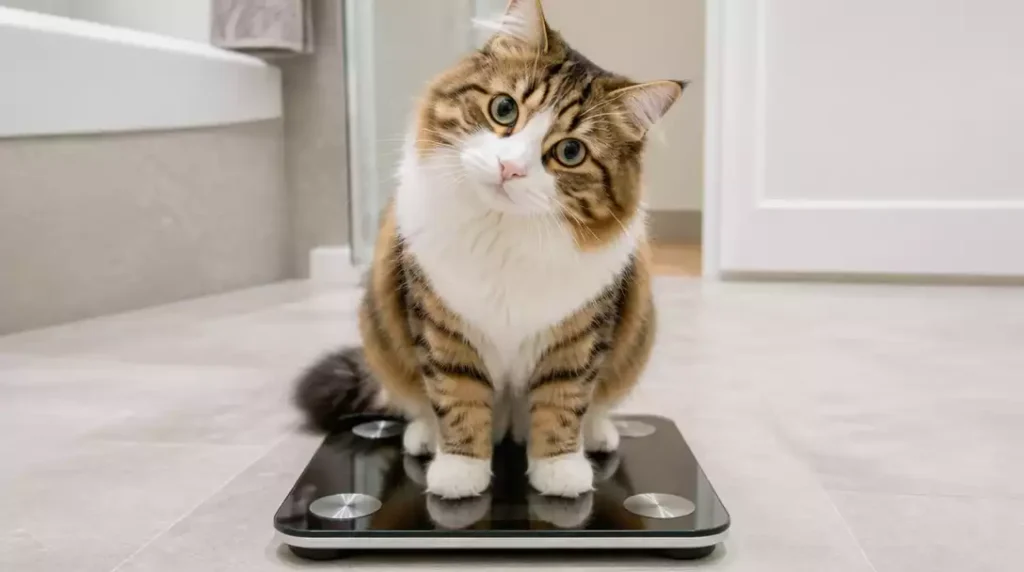
Every cat owner knows that a healthy pet is a happy pet, but do you realize how crucial weight management is for your feline friend? Keeping track of your cat’s weight can prevent serious health issues and enhance their quality of life.
What You Will Learn
- Regularly weighing your cat helps detect early signs of health issues.
- Obesity in cats can lead to severe health risks like diabetes and arthritis.
- Creating a consistent weighing routine can simplify pet health monitoring.
- Utilizing a pet weight chart can visually track your cat’s weight and health trends.
- Consult your veterinarian when noticing significant weight fluctuations.
Importance of Cat Weight Management
Managing your cat’s weight is essential for their overall health and happiness! Just like us, cats can face numerous health issues related to their weight. By keeping an eye on their weight, you can help prevent these issues before they become serious problems.
Regular weight checks allow you to monitor changes that could indicate health concerns. It’s all about being proactive in ensuring your furry friend leads a long, active life. Remember, a healthy weight enhances your cat’s vitality and quality of life!
Why Weighing Your Cat Matters for Health
Getting into the habit of weighing your cat regularly can make a big difference. When you track their weight, you can better assess their health and adjust their diet and activity levels accordingly. Here are some reasons why weighing matters:
- Detecting early signs of health issues
- Adjusting dietary needs as they age
- Ensuring your cat maintains a healthy weight
With this knowledge, you can easily tailor their meal portions or increase their playtime! As a dedicated pet owner, I always recommend incorporating regular weigh-ins into your routine. For tips on accurate measurements, learn how to read a kitchen scale, which can be adapted for small pets.
Common Weight-Related Issues in Cats
Weight-related issues can be more common than you think! Overweight and underweight cats can face various health dilemmas. Here’s a look at some prevalent issues:
- Diabetes
- Joint problems
- Heart disease
- Reduced lifespan
By being mindful of your cat’s weight, you can help prevent these conditions. I’ve seen firsthand how a slight change in diet or exercise can dramatically improve a cat’s life. Let’s make sure our feline friends stay healthy!
Feline Obesity and Its Health Risks
Feline obesity is a significant concern and can lead to severe health risks. An overweight cat is at an increased risk for various ailments, including:
- Arthritis and mobility issues
- Liver disease
- Endocrine disorders
As a pet owner, it’s crucial to recognize that obesity is not just a cosmetic issue but a serious health concern. Regular weigh-ins can help you catch weight gain early and adjust your cat’s lifestyle as needed. For accurate monitoring, understanding how a digital bathroom scale works can be beneficial, even if you’re using a smaller scale for your cat. Together, we can help our beloved pets live their best lives!
Pro Tip
Did you know? Incorporating playtime into your cat’s daily routine can significantly aid in weight management! Engaging your cat in fun activities not only helps burn calories but also strengthens your bond. Consider interactive toys or laser pointers to keep them active and entertained!
Summarizing Effective Cat Weighing Techniques
In this section, let’s recap some key points about how to effectively weigh your cat. Using the right techniques can make a huge difference in maintaining your feline friend’s health. Remember that it’s not just about the number on the scale, but what those numbers mean for your cat’s well-being!
Here are the main takeaways that can help ensure successful weighing:
- Choose a consistent weighing method that works for you and your cat.
- Make sure to weigh your cat at the same time each week for consistency.
- Always be calm and patient during the weighing process to reduce stress.
- Keep a record of your cat’s weight to observe any changes over time.
By following these tips, you’re setting the foundation for a healthier lifestyle for your cat!
Final Thoughts on Monitoring Your Cat’s Weight Health
As a passionate cat owner, I can’t emphasize enough the importance of monitoring your cat’s weight. Regular check-ins can help you catch any potential health issues early. Remember, a healthy cat is a happy cat!
It’s also beneficial to incorporate this practice into your routine. Take a moment to weigh your cat each week; it could lead to important insights about their health. If you notice any significant changes, don’t hesitate to reach out to your veterinarian for advice!
Encouraging Consistent Monitoring and Follow-Up
Creating a Regular Weighing Routine for Pet Health Monitoring
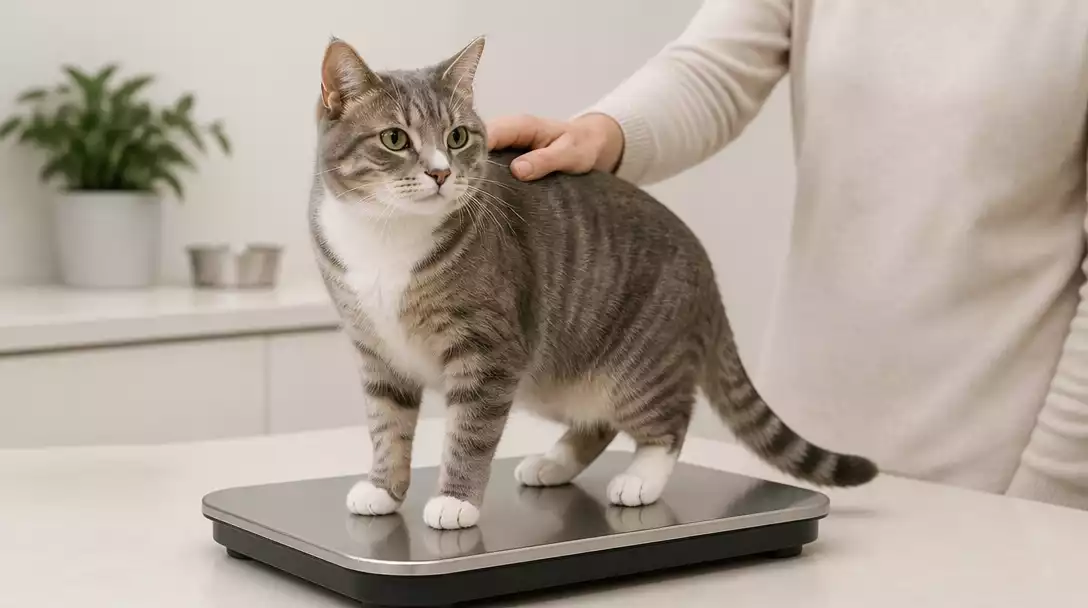
Establishing a consistent routine can make weighing your cat a breeze. I suggest setting a specific day and time for this task, much like you would for your own health check-ups. This will help you stay on track!
Consider using these tips to create a routine:
- Choose a day that is easy to remember, like the first day of the week.
- Pair weighing with another routine activity, such as feeding or grooming.
- Set reminders on your phone or calendar to keep you accountable.
With a little planning, monitoring your cat’s weight can become a simple part of your week!
When to Consult Your Veterinarian About Weight Concerns
If you notice your cat’s weight fluctuating significantly, it’s time to consult with your veterinarian. They can help assess your cat’s overall health and recommend any necessary changes to diet or exercise.
Here are a few signs that might indicate it’s time to seek professional guidance:
- Sudden weight loss or gain.
- Changes in appetite or energy levels.
- Visible signs of distress or discomfort.
Your vet is your best resource for ensuring your cat stays healthy and happy!
Utilizing a Pet Weight Chart for Ongoing Weight Management
Keeping a pet weight chart is an excellent way to visually track your cat’s weight over time. This can help you notice patterns or inconsistencies that may not be apparent at first glance.
To create an effective weight chart, consider these elements:
- Record the date and weight each time you weigh your cat.
- Include notes about any changes in diet or lifestyle.
- Review your chart regularly to identify trends.
This simple tool can be a game-changer in maintaining your cat’s ideal weight and overall health!
Frequently Asked Questions About Cat Weight Management
- Why is cat weight management important?
- Cat weight management is crucial for preventing serious health issues, enhancing their quality of life, and detecting early signs of health problems.
- What are common health risks associated with feline obesity?
- Feline obesity can lead to diabetes, joint problems (like arthritis), heart disease, liver disease, endocrine disorders, and a reduced lifespan.
- How often should I weigh my cat?
- It is recommended to weigh your cat regularly, ideally at the same time each week, to ensure consistency and track changes effectively.
- What should I do if my cat’s weight fluctuates significantly?
- If you notice sudden weight loss or gain, changes in appetite, or visible signs of distress, you should consult your veterinarian immediately for guidance.
- How can a pet weight chart help?
- A pet weight chart helps you visually track your cat’s weight over time, allowing you to notice patterns, identify trends, and make informed decisions about their health and diet.
- What are some effective tips for creating a regular weighing routine?
- To create an effective routine, choose a specific, easy-to-remember day, pair weighing with another routine activity (like feeding), and set reminders on your phone or calendar.
When weighing your cat, you might use a variety of scales. If you’re using a digital scale you already own, it’s good to know how to reset a digital scale to ensure accurate readings for your pet.
Recap of Key Points
Here is a quick recap of the important points discussed in the article:
- Regular weight checks help in detecting early signs of health issues in cats.
- Feline obesity can lead to serious health risks such as arthritis, liver disease, and endocrine disorders.
- Establishing a consistent weighing routine can simplify the monitoring process for pet owners.
- Consult your veterinarian if you notice significant weight fluctuations or changes in your cat’s behavior.
- Utilizing a pet weight chart can help track your cat’s weight and identify trends over time.