Ever found yourself in the kitchen without a scale, wondering how to measure your ingredients? You’re not alone! Many home cooks face this challenge, and the good news is that you can achieve precision using simple techniques. Let’s explore how to measure food without a scale and enhance your cooking experience.
What You Will Learn
- Accurate measurements ensure consistency in taste and texture across your dishes.
- Proper measuring techniques can help manage portion sizes, aiding in health and weight control.
- Understanding when to estimate versus weigh can enhance your cooking style and confidence.
- Utilizing everyday items, like your hand or measuring cups, allows for effective measurement without a scale.
Food Measurement Without a Scale
Accurate measurements are crucial in both cooking and dieting. Whether you’re whipping up a delicious recipe or managing your calorie intake, knowing how much of each ingredient to use is essential. It can be frustrating to rely solely on a scale, especially if you don’t have one handy. That’s why I’m here to share some effective techniques to measure food without a scale!
In my kitchen, I’ve learned that using the right measurements can greatly enhance both the flavor and nutritional value of my meals. If you’ve ever tried a recipe only to find out you used too much or too little of an ingredient, you know how important it is to get it right. Let’s dive into why accurate measurements matter!
The Importance of Accurate Measurements in Cooking and Dieting
Accurate food measurements play a significant role in achieving desired cooking results and adhering to dietary goals. For instance, if you’re following a specific diet plan, even slight inaccuracies can lead to unwanted outcomes. Here are a few reasons why precise measurements are so important:
- Consistency: Using the same measurements every time helps ensure that your dishes taste the same.
- Health Benefits: Proper measuring can help manage portion sizes, aiding in weight control.
- Recipe Success: Many recipes are designed with exact measurements for a reason—you want your cake to rise, right?
In my experience, when I accurately measure ingredients, I feel more confident in my cooking abilities! Plus, it often leads to less food waste, as I’m not scrambling to correct a recipe gone wrong. For tips on using a scale when you do have one, check out our guide on how to measure food on a scale.
When to Use Estimations vs. Exact Weighing Techniques
There are times when estimating can be perfectly acceptable, especially in casual cooking. For example, when you’re making a hearty soup or stew, a little extra or less of an ingredient can still yield delicious results. Let’s look at scenarios where either approach is beneficial:
- Estimations: Great for everyday cooking and when you’re familiar with a recipe.
- Exact Weighing: Ideal for baking and when following a strict diet plan.
- Combination: Sometimes, a mix of both methods is the best approach, especially when experimenting with flavors.
I’ve found that developing a feel for ingredients can be empowering! As you become more confident in your cooking, you’ll learn when to trust your instincts and when to measure carefully.
Pro Tip
Did you know? Using a standard coffee mug can help you estimate portion sizes effectively. A typical mug holds about 1.5 to 2 cups, making it a great tool for measuring ingredients like grains or vegetables when you don’t have a scale handy!
Frequently Asked Questions About Measuring Without a Scale
- Q: Why are accurate measurements important in cooking?
- A: Accurate measurements ensure consistency in taste and texture, help manage portion sizes for health benefits, and are crucial for recipe success, especially in baking.
- Q: What are some basic techniques for measuring food without a scale?
- A: Basic techniques include using measuring cups and spoons for precise volumes, estimating portions with your hand (e.g., a palm for protein, a cupped hand for grains), and comparing quantities to everyday objects.
- Q: When is it okay to estimate measurements instead of being exact?
- A: Estimating is perfectly acceptable for casual cooking, such as making soups or stews, where slight variations won’t significantly impact the outcome. Exact measurements are more critical for baking or strict diet plans.
- Q: How can I improve my confidence in measuring without a scale?
- A: Practice is key! Regularly apply these techniques in your cooking. The more you experiment and gain a feel for ingredient quantities, the more intuitive and enjoyable the process will become.
- Q: Can using these methods help with portion control?
- A: Yes, using hand measurements and understanding common household item equivalents can significantly aid in managing portion sizes, which is beneficial for health and weight control.
Summarizing Effective Measurement Techniques
As we wrap up our discussion, it’s essential to reflect on the various ways we can measure food without relying on a scale. Accurate measurements can enhance both cooking and dieting experiences. Remember, the key techniques we explored include using measuring cups and spoons, hand measurements, and creative comparisons with everyday objects. Each method has its place, and understanding when to use them can make a significant difference in your meal prep! If you’re encountering issues with a digital scale you might own, you can learn how to fix a digital scale display.
Here’s a quick recap of our key points:
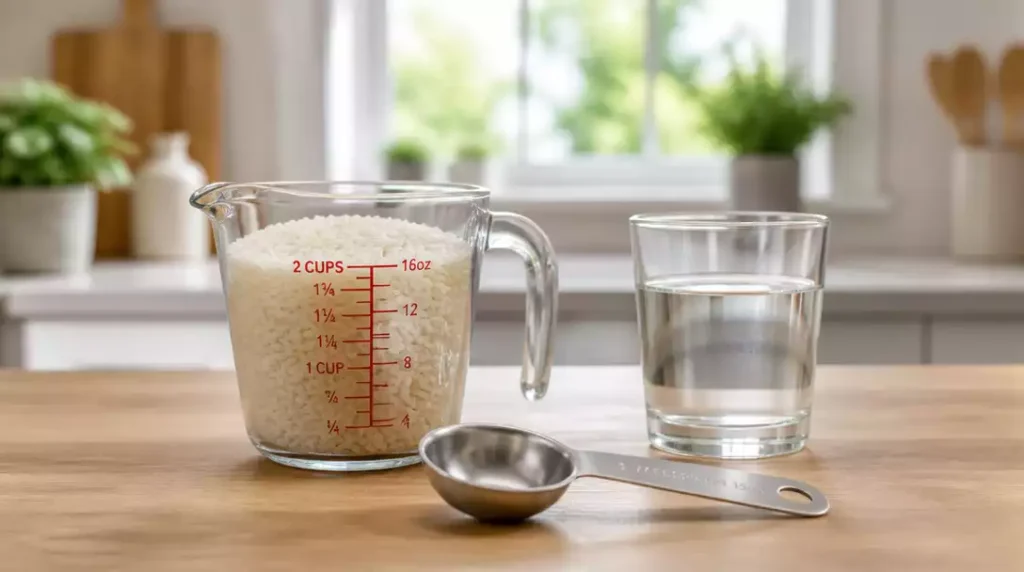
- Utilize measuring cups and spoons to get precise volumes.
- Estimate portions using your hand for quick and effective measurements.
- Use everyday items for creative comparisons in portion sizes.
These techniques not only streamline your cooking process but also help you maintain portion control. By incorporating these methods into your cooking routine, you’ll find it easier to manage serving sizes and create delicious meals without the fuss of a scale.
Encouraging Practical Application: Try These Methods in Your Next Recipe
Now that you’re equipped with these effective measurement techniques, I encourage you to put them into practice in your next recipe! Whether you’re whipping up a comforting dish or planning a healthy meal, applying these methods can make cooking more intuitive and enjoyable.
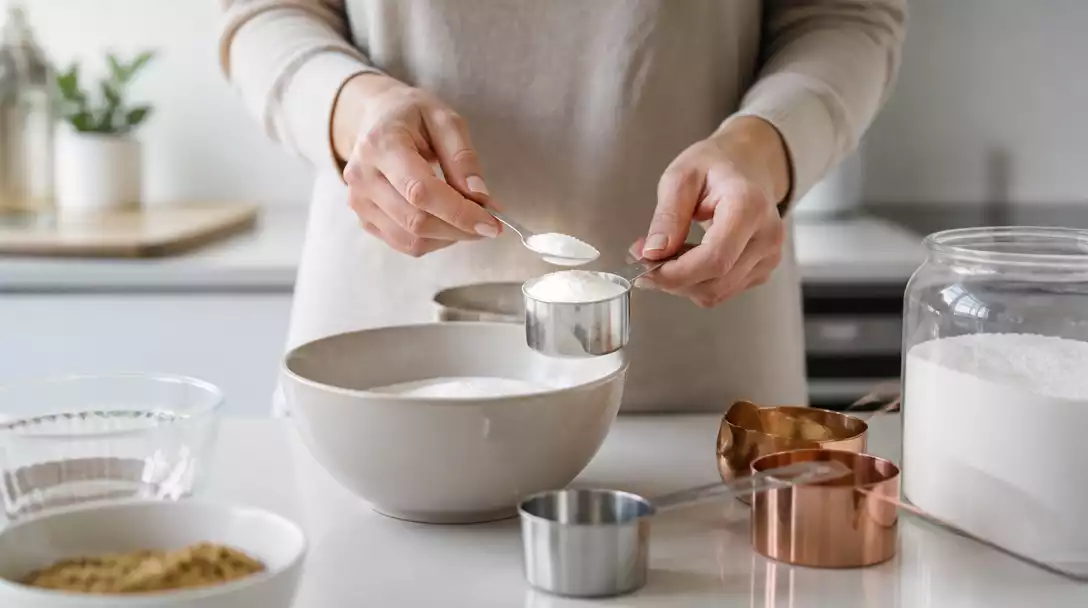
For example, the next time you’re baking, try using a measuring cup to gauge your flour instead of weighing it. Or, for a quick salad, use your palm to estimate a portion of leafy greens. Trust me, once you get the hang of these measurements, it’ll become second nature! For those interested in alternative measurement methods, we also have an article on how to calculate calories without a scale.
Don’t be afraid to experiment, and remember that cooking should be fun and adaptive. The more you practice these techniques, the more confident you’ll become in your cooking skills!
Engaging with Our Community
Share Your Thoughts: How Do You Measure Without a Scale?
I’d love to hear from you! How do you manage your food measurements without a scale? Are there particular methods or tricks that work well for you? Sharing your experiences can help others in our community learn and improve their cooking methods.
Feel free to drop a comment or reach out directly. Let’s build a supportive space where we can share tips and inspire one another!
Subscribe for More Tips on Cooking and Healthy Eating Practices
If you enjoyed this article and want to stay updated on more cooking tips and healthy eating practices, consider subscribing to our newsletter! You’ll receive regular insights, helpful guides, and delicious recipes that will elevate your culinary journey.
Join our community of food enthusiasts today and let’s cook better together!
Recap of Key Points
Here is a quick recap of the important points discussed in the article:
- Utilize measuring cups and spoons to get precise volumes for accurate cooking.
- Estimate portions using your hand for quick and effective measurements.
- Use everyday items for creative comparisons in portion sizes.
- Understand when to use estimations versus exact measurements for different cooking scenarios.
- Practice these techniques to enhance your confidence and enjoyment in cooking.