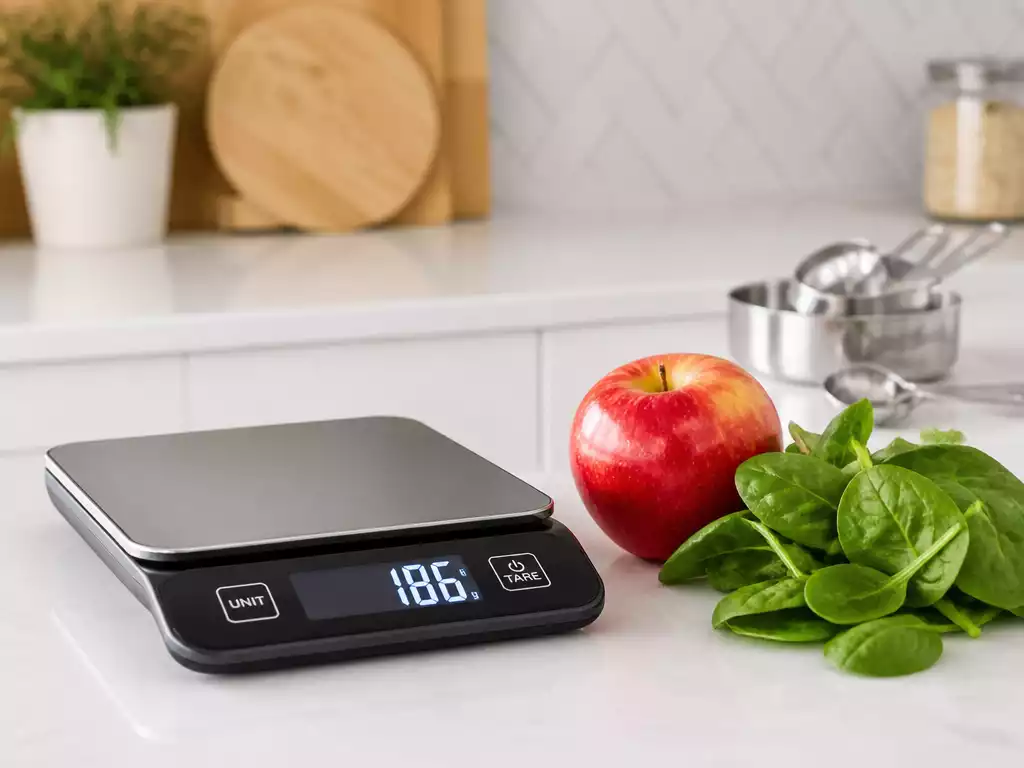
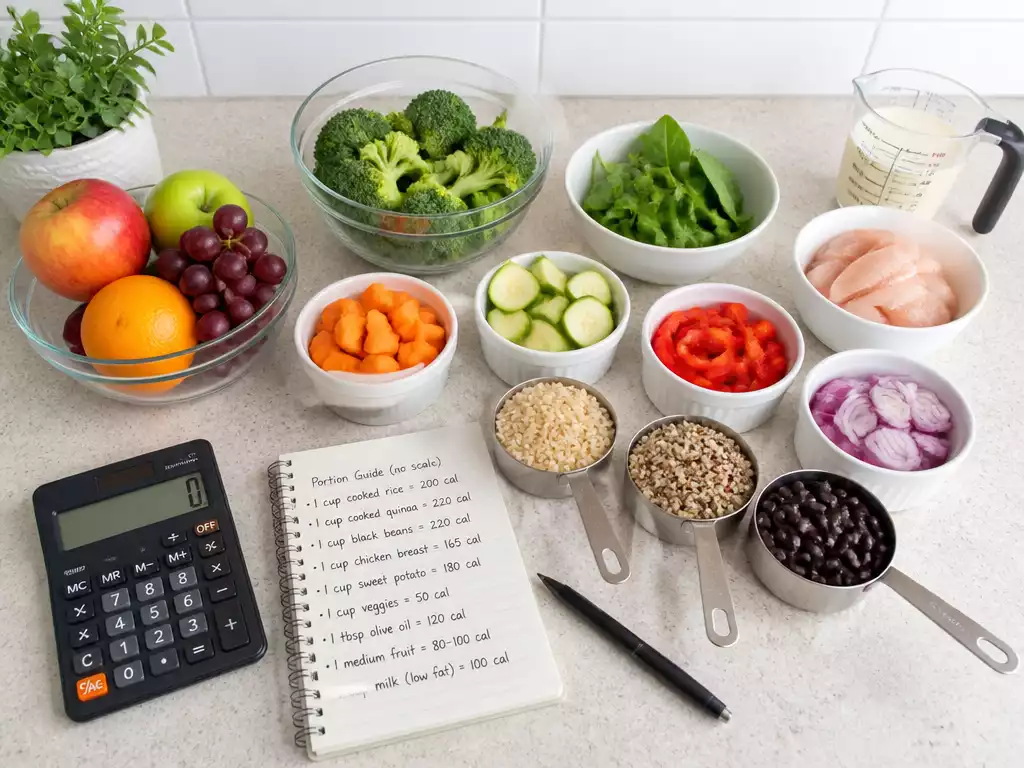
What if you could manage your health and weight without the hassle of constantly weighing your food? Mastering calorie estimation can make meal planning simpler and more intuitive while supporting your wellness goals.
What You Will Learn
- Calorie estimation saves time and reduces stress, making it easier to maintain healthy eating habits.
- Understanding portion sizes is crucial for making informed dietary choices without precision weighing.
- Common challenges in calorie tracking include inconsistent portion sizes and varying caloric densities in foods.
- Tracking macronutrients—carbohydrates, proteins, and fats—is essential for balanced nutrition and effective weight management.
- Utilizing tools such as downloadable cheat sheets and recommended apps can enhance your calorie tracking experience.
Understanding Calorie Estimation Without Weighing
In today’s fast-paced world, many of us are looking to manage our health and weight, but not everyone has the time or desire to weigh their food constantly. This is where calorie estimation without weighing comes into play. Whether you’re trying to drop a few pounds or just maintain a balanced diet, understanding how to estimate your calorie intake without a scale can be liberating and effective!
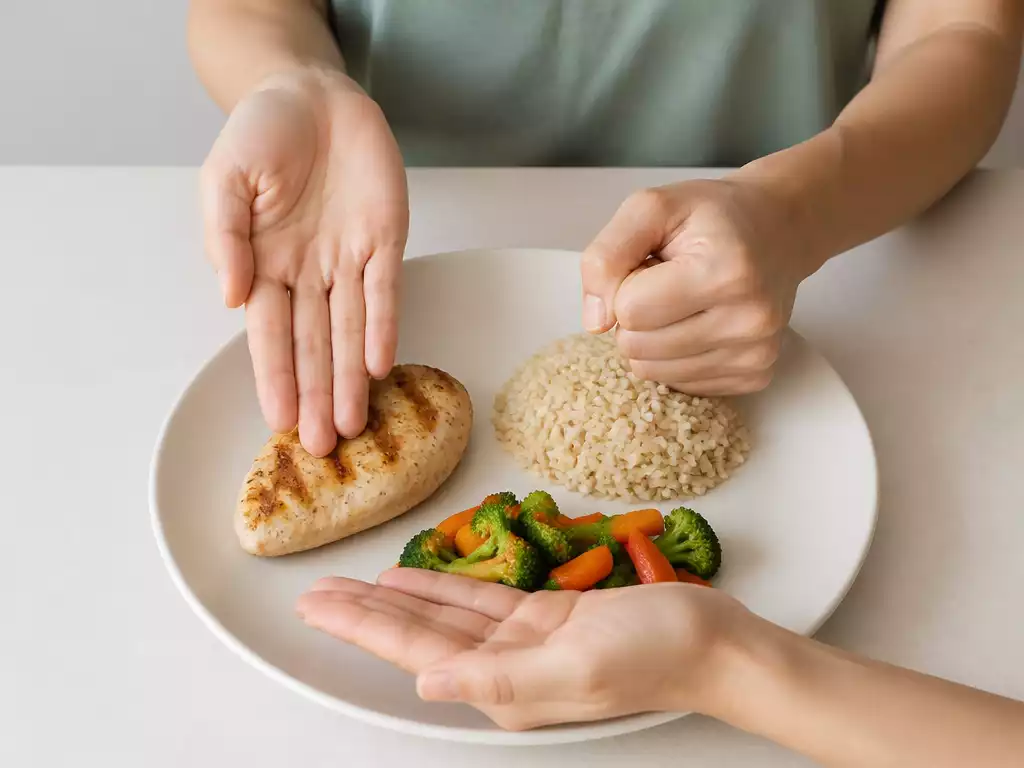
Many people find that weighing food can be tedious and sometimes impractical. By learning to estimate calories using various methods, you can simplify your meal planning while staying mindful about your nutrition. In this section, we’ll dive into why tracking calories without a scale might be beneficial, the common challenges you may face, and the importance of tracking macronutrients.
Why You Might Want to Calculate Calories Without a Scale
Calculating calories without a scale can be a game-changer for those who want a more flexible approach to their diet! Many clients I work with at my practice share that they find weighing food cumbersome, especially when eating out or preparing meals in a hurry. By mastering calorie estimation, you can enjoy food without the stress of precision weighing.
- It saves time and reduces stress during meal prep.
- It encourages a more intuitive relationship with food.
- It allows for greater flexibility when dining out or on the go.
Moreover, learning to estimate calories helps you develop a better understanding of portion sizes, which is essential for sustainable eating habits. This knowledge can empower you to make healthier choices without feeling restricted!
Common Challenges in Calorie Tracking
While calorie estimation can be beneficial, it does come with its challenges. One of the biggest hurdles is the accuracy of your estimates. Many people underestimate portion sizes or forget to include certain ingredients, leading to inconsistencies in their tracking. This can be frustrating, especially when you’re working hard to reach your health goals!
- Inconsistent portion sizing can lead to inaccurate calorie counts.
- Not all foods have the same caloric density.
- It can be hard to estimate calories in mixed dishes or restaurant meals.
Identifying these common challenges can help you develop strategies to overcome them. Remember, the key is to remain mindful and adjust your estimates as you become more aware of your eating habits!
The Importance of Tracking Macronutrients for Health and Weight Management
When it comes to maintaining a healthy diet, it’s not just about tracking calories; it’s also essential to understand macronutrients. Macronutrients include carbohydrates, proteins, and fats, and each plays a crucial role in our overall health. By focusing on these nutrients, we can ensure our bodies get the right balance of energy and nutrition!
- Carbohydrates: They provide energy and are vital for brain function.
- Proteins: Essential for muscle repair and growth, important for weight management.
- Fats: Necessary for hormone production and nutrient absorption.
Tracking macronutrients can help you not only in weight management but also in achieving overall wellness. When you understand how different foods affect your body, you can make informed choices that support your health goals!
Frequently Asked Questions About Calorie Estimation
- Q: Why should I estimate calories instead of weighing my food?
- A: Estimating calories offers a more flexible and less time-consuming approach to managing your diet. It reduces stress, allows for intuitive eating, and provides greater flexibility when dining out, all while helping you develop a better understanding of portion sizes.
- Q: What are the biggest challenges with calorie estimation?
- A: The main challenges include inaccurate portion sizing, varying caloric densities among different foods, and difficulty estimating calories in mixed dishes or restaurant meals. Consistency and mindfulness are key to overcoming these.
- Q: Why are macronutrients important in calorie tracking?
- A: Tracking macronutrients (carbohydrates, proteins, and fats) is crucial because they each play a vital role in your overall health and energy. It ensures a balanced intake for muscle repair, energy, hormone production, and effective weight management, beyond just calorie count.
- Q: When should I consider weighing my food for accuracy?
- A: Weighing food is recommended if you are following a specific nutrition plan, have dietary restrictions that require precise measurements, or if you notice inconsistencies in your estimated calorie counts leading to unexpected weight changes. It helps ensure accurate adherence to dietary goals.
- Q: What tools can help with calorie estimation without a scale?
- A: Useful tools include downloadable cheat sheets for portion estimation (like hand guides or plate method visuals), and calorie tracking apps such as MyFitnessPal, Lose It!, Cronometer, or FatSecret. Other apps like Yummly and Eat This Much can assist with personalized meal planning.
We Want to Hear From You!
How do you currently estimate your calorie intake without weighing your food? Share your thoughts or methods below:
Summarizing Your Calorie Estimation Journey
As we wrap up our exploration of calorie estimation without the use of a scale, it’s essential to emphasize some key takeaways that can lead to successful calorie tracking. Being mindful of portion sizes and using methods that resonate with you can streamline your journey toward better health and weight management. Remember, the goal isn’t just to count calories, but to develop a sustainable relationship with food!
Additionally, I encourage you to experiment with different methods we discussed. Whether it’s the hand portion method, plate method, or visual comparison, finding what works best for you is crucial. Your body is unique, and so is your approach to nutrition!
Key Takeaways for Successful Calorie Tracking
- Estimate portions using your hand as a guide for simplicity.
- Utilize the plate method to visualize balanced meals.
- Leverage visual comparison objects to gauge food amounts.
- Incorporate photo logging as a fun way to track your meals.
- Stay aware of caloric differences in homemade versus restaurant meals.
These strategies can help you gain a comprehensive understanding of your dietary intake without the hassle of weighing your food. It’s about making informed choices that align with your lifestyle!
When to Consider Weighing Foods for Precision
While many methods allow for effective calorie estimation, there are times when weighing foods becomes necessary. If you are following a specific nutrition plan or have certain dietary restrictions, precision in measurements can play a pivotal role. Weighing your ingredients can help ensure that you are accurately following your prescribed caloric intake.
Additionally, if you notice inconsistencies in your estimated calorie counts leading to unexpected weight changes, it may be time to bring out the scale for a period of time. It’s all about finding the right balance that works for you!
Practical Tools and Resources for Better Calorie Tracking
To further assist you on your journey, there are several practical tools and resources available that can enhance your calorie tracking experience. These resources can make it easier to estimate your portions and maintain an accurate food diary.
Utilizing these tools can enable you to stay on track with your goals, whether you aim to lose weight, maintain your current weight, or simply eat healthier!
Downloadable Cheat Sheets for Portion Estimation
One of the easiest ways to improve your calorie estimation is by using downloadable cheat sheets. These handy guides provide quick references for portion sizes and caloric values of common foods. You can print them out or save them on your phone for convenience while cooking or dining out!
- Hand Portion Cheat Sheet
- Plate Method Visual Guide
- Common Food Caloric Values
Having these resources at your fingertips can boost your confidence in making healthy choices without needing a scale!
Recommended Apps and Tools for Calorie Tracking Without a Scale
In today’s digital world, there are many apps designed to assist with calorie tracking. Some of my go-to recommendations include:
- MyFitnessPal
- Lose It!
- Cronometer
- FatSecret
These applications often include features that allow you to input your meals quickly and even utilize barcode scanning for packaged foods. They can help you stay consistent with calorie estimates without needing precise measurements!
Exploring Dietary Tracking Apps Beyond MyFitnessPal
If you’re looking for alternatives to MyFitnessPal, there are several other diet tracking apps that offer unique features. For example, some focus on specific dietary patterns like keto or paleo, while others emphasize whole foods or vegetarian options. Tools like Yummly and Eat This Much can offer personalized meal planning based on your dietary goals.
- Yummly: Great for recipe ideas tailored to your preferences.
- Eat This Much: Automated meal planning that fits your caloric goals.
- FatSecret: Excellent for engaging with a community for support.
Exploring these options can provide you with the flexibility to find an app that truly works for your lifestyle!
Recap of Key Points
Here is a quick recap of the important points discussed in the article:
- Estimating calories without weighing can save time and reduce meal prep stress.
- Understanding portion sizes is crucial for sustainable eating habits.
- Common challenges include inaccurate portion sizes and varying caloric densities.
- Tracking macronutrients is essential for overall health and effective weight management.
- Experimenting with different estimation methods can help find what works best for you.
- Utilize helpful resources like downloadable cheat sheets and apps to enhance your calorie tracking experience.