
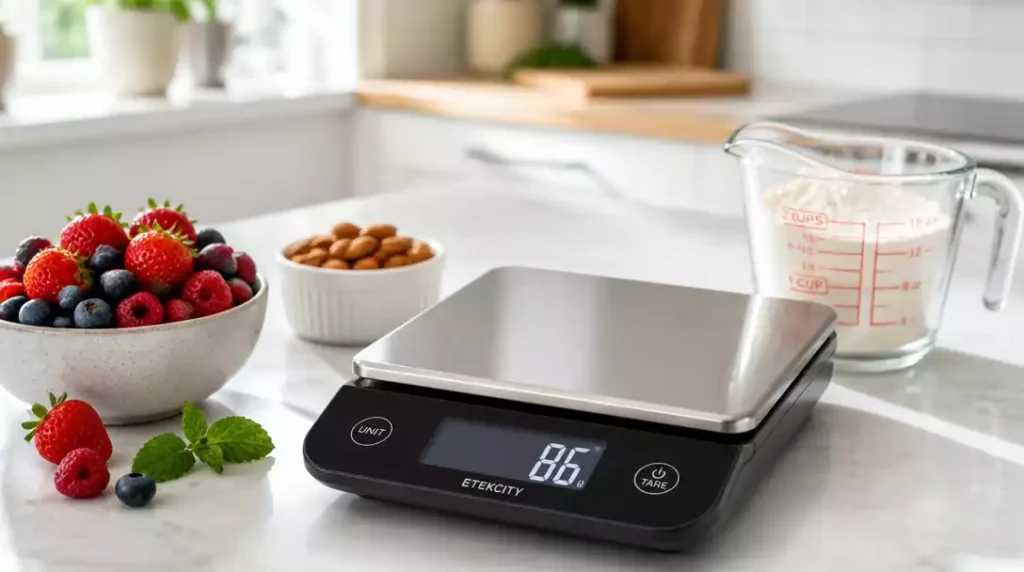
Have you ever considered how a simple tool like a food scale could revolutionize your cooking? By measuring ingredients accurately, you can unlock new heights of culinary precision and creativity.
What You Will Learn
- A food scale enhances precision, leading to better results, especially in baking.
- Using weight as a measure promotes consistency across your culinary creations.
- Digital scales offer user-friendly features that can save time and improve accuracy.
- Regular calibration and proper use of the tare function are essential for precise measurements.
Basics of a Digital Kitchen Scale
When it comes to cooking and baking, having the right tools can make all the difference. One essential tool that I can’t recommend enough is a food scale. You might wonder, what exactly is a food scale, and why should you use one? Simply put, a food scale helps you measure ingredients accurately, which is crucial for achieving consistent results in your recipes!
Using a scale eliminates the guesswork involved in measuring by volume, leading to more precise cooking. Whether you’re a beginner or a seasoned cook, you’ll find that a good scale opens up a world of possibilities in the kitchen. To learn more about selecting the right device for your needs, read our guide on how to choose a kitchen scale.
What is a Food Scale and Why Use It?
A food scale is a kitchen tool designed to measure the weight of food items. There are many reasons to include one in your culinary toolkit:
- Precision: Accurate ingredients lead to better results, especially in baking.
- Portion Control: A scale can help you manage serving sizes effectively.
- Consistency: Using weight as a measure ensures the same outcome every time you cook.
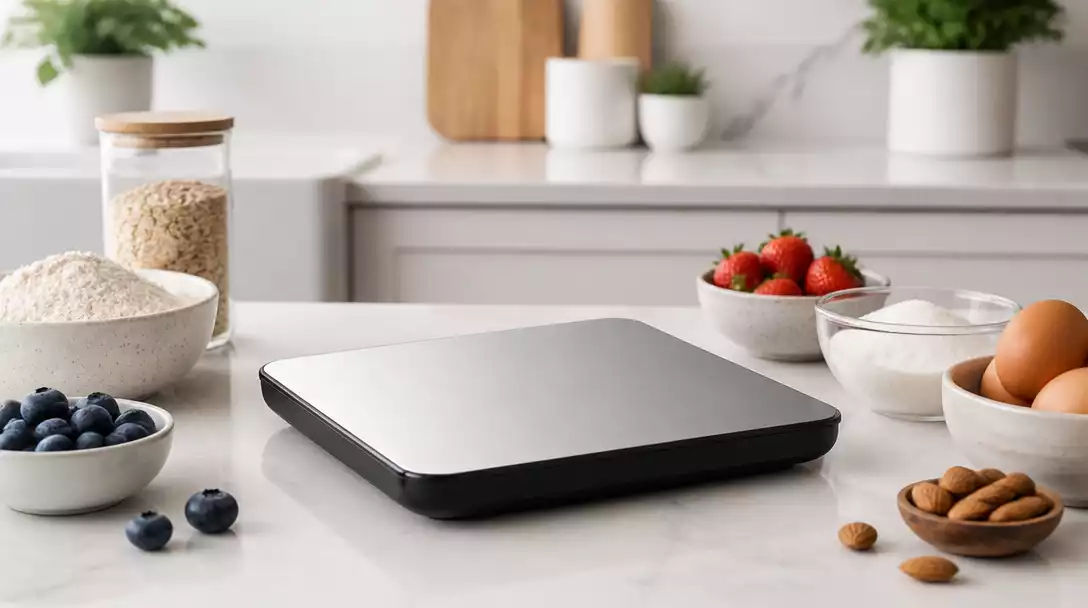
In my experience, having a food scale transforms cooking into a more scientific and enjoyable process. You’ll be able to replicate your favorite dishes with ease, knowing exactly how much of each ingredient to use!
Types of Kitchen Scales: Digital vs. Mechanical
When choosing a kitchen scale, you’ll mainly encounter two types: digital and mechanical. Each has its pros and cons that cater to different preferences:
- Digital Scales: These are powered by batteries and provide quick, easy-to-read measurements. They often come with features like a tare function, which is incredibly handy.
- Mechanical Scales: These use springs to measure weight and don’t require batteries. They can be more durable, but might not offer the precision of their digital counterparts.
Personally, I prefer digital scales for their user-friendly features. They not only save time but also help ensure accuracy in every dish I prepare!
The Role of Kitchen Tools in Cooking and Baking
Kitchen tools, like a food scale, play a crucial role in both cooking and baking. Having the right tools at your disposal makes any recipe easier to follow and reduces the likelihood of mistakes. A few essential kitchen tools beyond a food scale include:
- Measuring cups and spoons
- Mixing bowls
- Whisks and spatulas
While each tool has its function, a food scale stands out for its versatility. Whether you’re weighing flour for a baking project or portioning out ingredients for a meal prep session, it’s an invaluable asset in any kitchen. Trust me, once you start using one, you’ll wonder how you ever cooked without it!
Pro Tip
Did you know? To maximize the efficiency of your food scale, always keep it on a level surface and ensure it’s calibrated correctly before use. This simple practice can significantly improve the accuracy of your measurements, especially when baking, where precision is key!
Wrapping Up: Mastering the Use of Your Food Scale
As we wrap up our journey into the world of food scales, it’s essential to review the key steps that ensure accurate ingredient measurements. By following these practices, you’ll find that cooking and baking become more enjoyable and precise!
- Always place your scale on a stable, flat surface for accurate readings.
- Utilize the tare function to zero out containers before adding ingredients.
- Measure in grams for consistent results, especially for baking.
- Regularly calibrate your scale to maintain accuracy.
These straightforward steps will not only boost your confidence in the kitchen but also elevate the quality of your culinary creations. Remember, a little practice goes a long way!
Final Tips for Consistent and Accurate Measurements
To achieve perfect results every time, here are some final tips I swear by:
- Keep your scale clean and free from spills to prevent incorrect readings.
- Use a designated container for weighing, especially with moist or sticky ingredients.
- Double-check the unit of measurement before you start weighing.
- Weigh multiple ingredients in one go by recalibrating with the tare function in between.
These tips can make a world of difference in your cooking process. Remember, it’s all about being consistent and mindful!
Frequently Asked Questions About Food Scales
- Q: What is a food scale used for?
- A: A food scale is primarily used to measure the weight of food ingredients accurately. This is crucial for precision in cooking and baking, portion control, and ensuring consistency in recipes.
- Q: Why should I use a food scale instead of measuring cups?
- A: Food scales provide more precise measurements by weight, which is especially important in baking where even small variations can affect the outcome. Measuring cups, which measure by volume, can be less accurate due to variations in how ingredients are packed.
- Q: What’s the difference between digital and mechanical kitchen scales?
- A: Digital scales are battery-powered, offer quick and precise readings, and often include features like a tare function. Mechanical scales use springs, don’t require batteries, and can be more durable, but typically offer less precision than digital models.
- Q: How do I ensure accurate measurements with my food scale?
- A: To ensure accuracy, always place your scale on a stable, flat surface, use the tare function to zero out containers, measure in grams for consistency, and regularly calibrate your scale.
- Q: Can a food scale help with dietary plans?
- A: Yes, by accurately measuring ingredients and portion sizes, a food scale can significantly aid in food tracking, helping you understand nutritional content and make informed choices to support your health and dietary goals.
Your Journey to Precise Cooking Begins Here
Encouragement to Practice Using Your Food Scale
Embrace the art of measuring! I encourage you to practice using your food scale regularly. The more you familiarize yourself with it, the more intuitive it will become. Plus, you’ll notice how exact measurements can enhance the flavors and textures of your dishes. Want to know more about how these essential kitchen gadgets work? Check out our article on how does a food scale work.
Call to Action: Share Your Measuring Experiences and Tips
Have you tried using a food scale? I’d love to hear about your experiences! Share your tips and tricks in the comments below. Your insights could help someone else on their cooking journey!
How Food Tracking Can Enhance Your Cooking and Dietary Plans
Lastly, let’s talk about how food tracking can really transform your cooking and dietary plans. By measuring ingredients accurately, you can better understand nutritional content and portion sizes, leading to informed choices. This not only supports your health goals but also allows you to experiment with new recipes confidently! For a deeper dive into calorie management, consider reading our guide on how to use a food scale for calories.
So, grab your scale and let the adventures in your kitchen begin!
Recap of Key Points
Here is a quick recap of the important points discussed in the article:
- Using a food scale ensures precision in ingredient measurements, leading to better cooking and baking results.
- Digital scales are preferred for their ease of use and quick readings, while mechanical scales are more durable.
- Essential kitchen tools, including measuring cups and mixing bowls, complement the functionality of a food scale.
- Key practices for using a food scale include placing it on a stable surface, utilizing the tare function, and measuring in grams.
- Regular cleaning and calibration of the scale can help maintain accuracy in measurements.





