
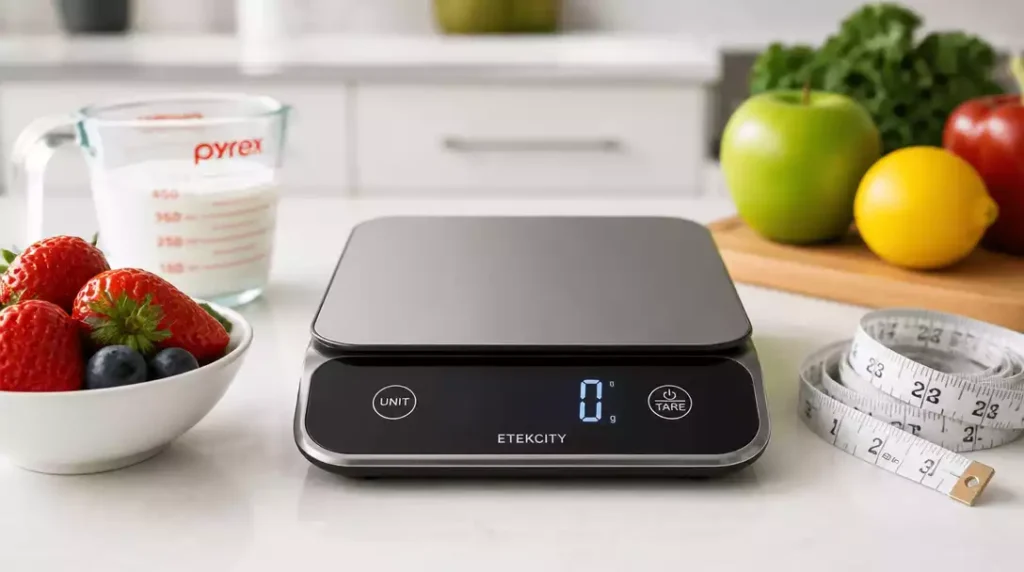
Have you ever considered how a simple device could transform your approach to health and fitness? A digital scale is more than just a tool; it’s a gateway to understanding your body better!
What You Will Learn
- Digital scales provide precise weight measurements using electronic sensors, making them more reliable than traditional scales.
- Choosing the right type of digital scale—bathroom, kitchen, or precision—can enhance your weight-tracking experience.
- Best practices for using a digital scale include weighing yourself on a flat surface and at the same time each day to ensure accuracy.
- Avoid common mistakes, such as not zeroing your scale or weighing on uneven surfaces, to maintain the reliability of your readings.
- Keeping a food diary alongside weight measurements can help you identify patterns and make informed dietary choices.
Basics of a Digital Scale for Weight Measurements
A digital scale is a reliable tool for measuring weight that uses electronic sensors to provide precise readings. Unlike traditional analog scales, which rely on springs, digital scales deliver accurate results displayed on an easy-to-read screen. This technology can be particularly valuable if you’re keen on tracking your weight for health or fitness goals!
When you step onto a digital scale, it measures the force exerted by your body against gravity using load cells. These sensors convert the force into a digital signal, which is then processed to show your weight. The result is a quick, clear reading that you can trust for your daily routine.
What is a Digital Scale and How Does It Work?
Digital scales come equipped with various features, some including advanced functionalities like Bluetooth connectivity. This can help you connect to health apps on your smartphone, allowing you to track your weight trends over time. Understanding these features makes it easier to choose the scale that fits your lifestyle!
- Load cells: The core technology used to measure weight.
- Digital display: Shows your weight clearly and immediately.
- Smart features: Some models sync with apps to help you monitor weight loss goals.
By opting for a digital scale, you not only ensure precision but also get access to features that can make your weight-tracking journey more interactive and effective. For more detailed insights into how these devices function, explore how a digital bathroom scale works.
Benefits of Using a Digital Scale for Accurate Weight Tracking
Using a digital scale offers numerous advantages over traditional scales, especially when it comes to accuracy. For instance, these scales can detect even the slightest changes in weight, helping you stay informed about your body’s fluctuations. This is crucial for anyone serious about maintaining their health!
- Precision: Digital scales provide accurate readings every time.
- Ease of use: Simply step on for an instant reading.
- Memory functions: Some scales remember previous weights, making it easier to monitor progress.
With these benefits, a digital scale can be a game-changer in your health journey, allowing for consistent monitoring and adjustments as needed.
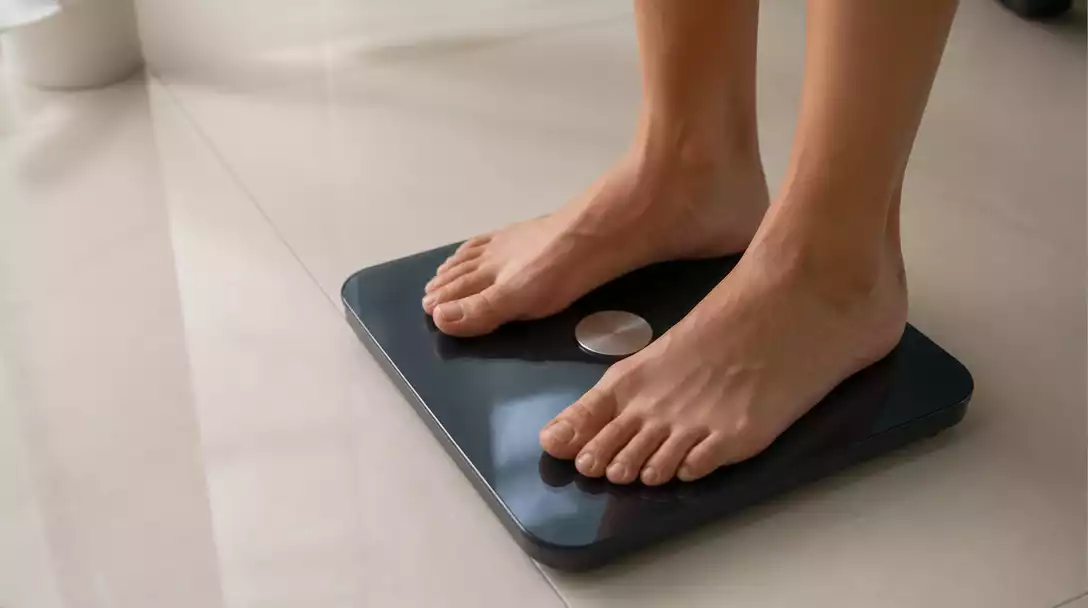
Exploring Different Types of Digital Scales: Bathroom, Kitchen, and Precision
Digital scales come in various forms, each designed for specific purposes. While bathroom scales typically help track body weight, kitchen scales are perfect for measuring food portions accurately! Having the right type of scale can significantly enhance your nutritional habits. If you’re looking to accurately measure ingredients for cooking or baking, learning how to use a food scale for calories can be incredibly beneficial.
- Bathroom scales: Ideal for tracking your overall body weight.
- Kitchen scales: Great for measuring ingredients while cooking.
- Precision scales: Useful for more detailed measurements, such as for baking or dietary control.
Choosing the right scale can elevate your tracking experience, whether you’re focusing on weight loss, meal prep, or fitness goals. Each type offers unique features tailored to meet specific needs.
Pro Tip
Did you know? To get the most accurate readings from your digital scale, always ensure that you are weighing yourself under similar conditions. This means weighing at the same time of day, wearing similar clothing, and using the scale on a hard, flat surface. Consistency is key to tracking your weight effectively!
Summarizing Key Takeaways for Using Your Digital Scale
As we wrap up our discussion on digital scales, it’s essential to focus on best practices that can enhance your experience and accuracy. Using a digital scale isn’t just about measuring weight; it’s about doing it right! Here are some key practices to ensure you get the most accurate readings every time:
- Use the scale on a hard, flat surface.
- Weigh yourself at the same time each day for consistency.
- Avoid measuring after meals or heavy workouts.
- Calibrate your scale regularly, especially after moving it.
Following these best practices will help ensure that your readings are consistent and reliable, allowing you to track your weight effectively. Remember, every little detail counts!
Common Mistakes to Avoid When Using a Digital Scale
While digital scales are generally straightforward, it’s easy to make mistakes that can lead to inaccurate readings. Here are some common pitfalls to watch out for:
- Not zeroing the scale before use.
- Weighing on an uneven or carpeted surface.
- Ignoring the scale’s maintenance instructions.
- Changing unit settings mid-measurement.
Avoiding these mistakes can significantly impact your weight tracking journey. Always ensure that you’re using the scale as intended to get the most accurate results!
Tracking Your Progress: The Importance of a Food Diary and Measurement Conversion
To truly succeed in your health journey, it’s crucial to track your progress accurately. A food diary can be a game changer! By keeping a log of what you eat alongside your weight measurements, you can identify patterns and make necessary adjustments.
- Record daily food intake to understand your eating habits.
- Note your weight at regular intervals, ideally weekly.
- Convert measurements when necessary to ensure you’re comparing like with like.
This level of tracking not only helps you stay accountable but also empowers you to make informed choices based on your data. Trust me, when you combine weight measurements with dietary habits, you’ll be amazed at what you can achieve!
Taking the Next Steps: Engaging with Your Digital Scale Journey
Now that you’re armed with knowledge about using your digital scale effectively, it’s time to engage actively in your journey. Consistent habits are essential for better health!
Encouraging Consistent Weighing Habits for Better Health
Developing a consistent routine around weighing yourself can significantly enhance your ability to monitor changes over time. Here’s how you can develop these habits:
- Set a specific time each day for weighing in.
- Incorporate weighing into your morning routine.
- Use visual cues, like a reminder on your fridge, to prompt you.
By making weighing a regular part of your day, you’ll gain valuable insights and maintain motivation on your health journey.
FAQs: Answering Your Top Questions About Digital Scales
It’s common to have questions about digital scales, especially if you’re just starting out. Here are a few frequently asked questions that I often receive:
Frequently Asked Questions About Digital Scales
- How often should I calibrate my digital scale?
It’s recommended to calibrate your digital scale regularly, especially if you move it frequently or notice inconsistent readings. For optimal accuracy, calibrate at least once a month, or refer to your scale’s user manual for specific recommendations. You can find more information on how to calibrate a digital scale here.
- What if my digital scale shows different readings at different times?
Variations in readings can be due to several factors, including changes in body hydration, food intake, or even the surface the scale is placed on. Ensure you weigh yourself at the same time each day (preferably in the morning before eating) on a hard, flat surface to minimize discrepancies.
- Can I use my kitchen scale for body weight measurements?
No, kitchen scales are designed for measuring food ingredients and typically have a much lower weight capacity and different precision levels than bathroom scales. Using a kitchen scale for body weight would likely damage it and provide inaccurate readings.
- Are digital scales more accurate than analog scales?
Yes, digital scales are generally more accurate and precise than analog scales. They use electronic sensors (load cells) to provide readings with finer increments, often down to 0.1 pounds or kilograms, compared to the spring mechanism of analog scales.
- What are smart features on a digital scale, and how do they benefit me?
Smart features include Bluetooth connectivity, which allows your scale to sync with health apps on your smartphone or other devices. These features enable you to track weight trends over time, monitor progress toward goals, and often provide additional metrics like BMI, body fat percentage, and muscle mass, offering a more comprehensive view of your health.
Don’t hesitate to ask questions! Understanding your scale and how to use it effectively leads to better health outcomes.
Leveraging Digital Weighing Apps for Enhanced Weight Management
In today’s tech-savvy world, there are excellent apps designed to complement your digital scale. These apps allow for better tracking and management of your weight goals. Here’s what you should look for in a digital weighing app:
- Integration with your digital scale.
- User-friendly interface for easy logging.
- Features that allow you to set goals and track your progress.
Embracing technology can enhance your weight management journey, making it more engaging and insightful. Trust me, you won’t regret giving these tools a try!
Recap of Key Points
Here is a quick recap of the important points discussed in the article:
- Digital scales provide precise weight measurements using load cells.
- Features like Bluetooth connectivity can enhance tracking through health apps.
- Consistent weighing habits lead to more accurate tracking of weight changes.
- Best practices include using a hard surface, weighing at the same time daily, and regular calibration.
- Avoid common mistakes such as not zeroing the scale and weighing on uneven surfaces.
- Tracking food intake alongside weight measurements is crucial for achieving health goals.





