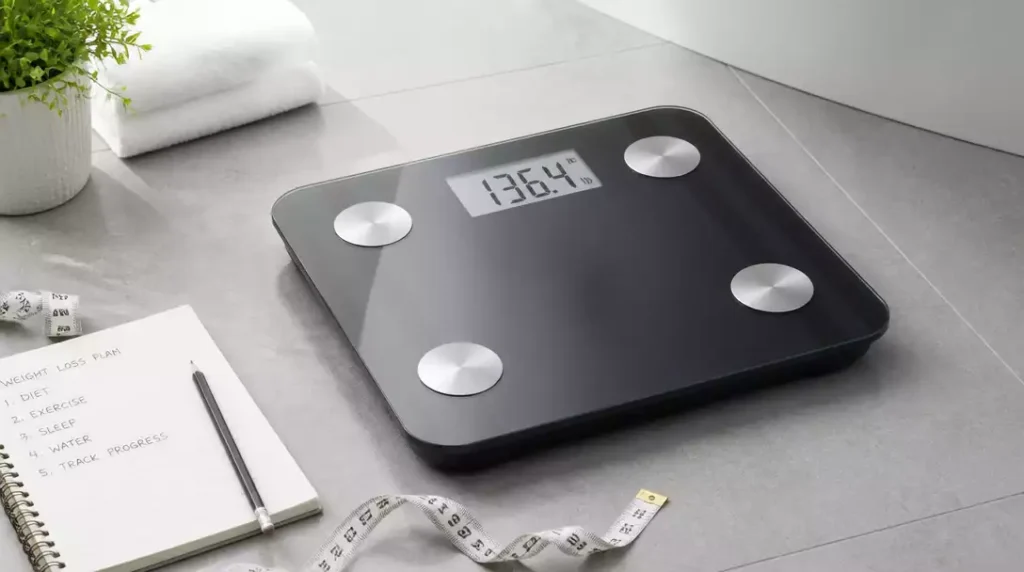
What if a small adjustment in your bathroom routine could lead to more accurate weight readings? Setting up your scale correctly plays a crucial role in your health journey, and understanding how to manage it can improve your tracking significantly.
What You Will Learn
- Understand the differences between digital, analog, and smart scales to choose the best one for your needs.
- Learn how to place your scale on a hard, flat surface to ensure accurate measurements.
- Follow step-by-step instructions for setting up each type of scale, including battery installation and calibration.
- Identify common issues with scales and troubleshoot effectively to maintain accuracy.
- Test your scale using known weights to verify its accuracy, and recalibrate as necessary.
- Utilize features on digital and smart scales, such as body composition analysis and weight history tracking, to enhance your weight management.
- Adopt best practices for caring for your scale to ensure long-term accuracy, including regular cleaning and optimal storage.
- Monitor battery health to avoid issues, recognizing when to replace them for consistent performance.
- Track your weight fluctuations effectively during your fitness journey for better insights into your progress.
Essential Steps for Setting Up Your Bathroom Scale
Setting up your bathroom scale properly is the first step to achieving accurate weight measurements. It’s important to know the type of scale you have, whether it’s a digital, analog, or smart model, as this will affect how you set it up. Let’s dive into the key differences between these types of scales to ensure you have the right setup instructions tailored to your device!
Digital, Analog, and Smart Models
Each scale type has unique features and setup methods. Here’s a quick breakdown:
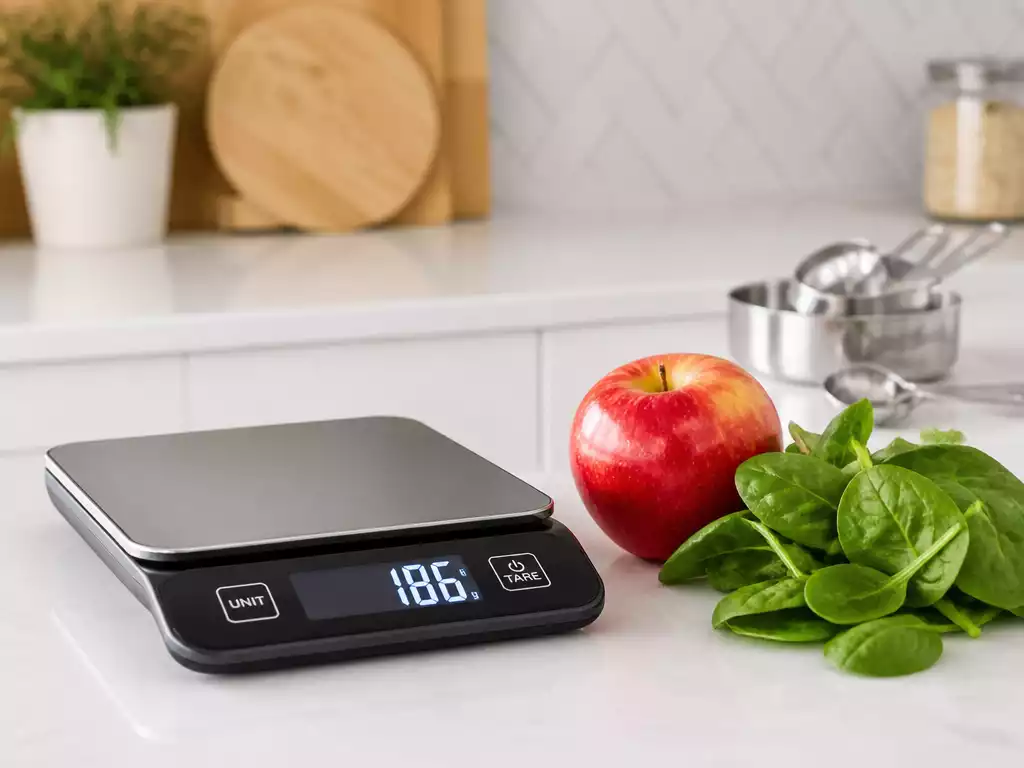
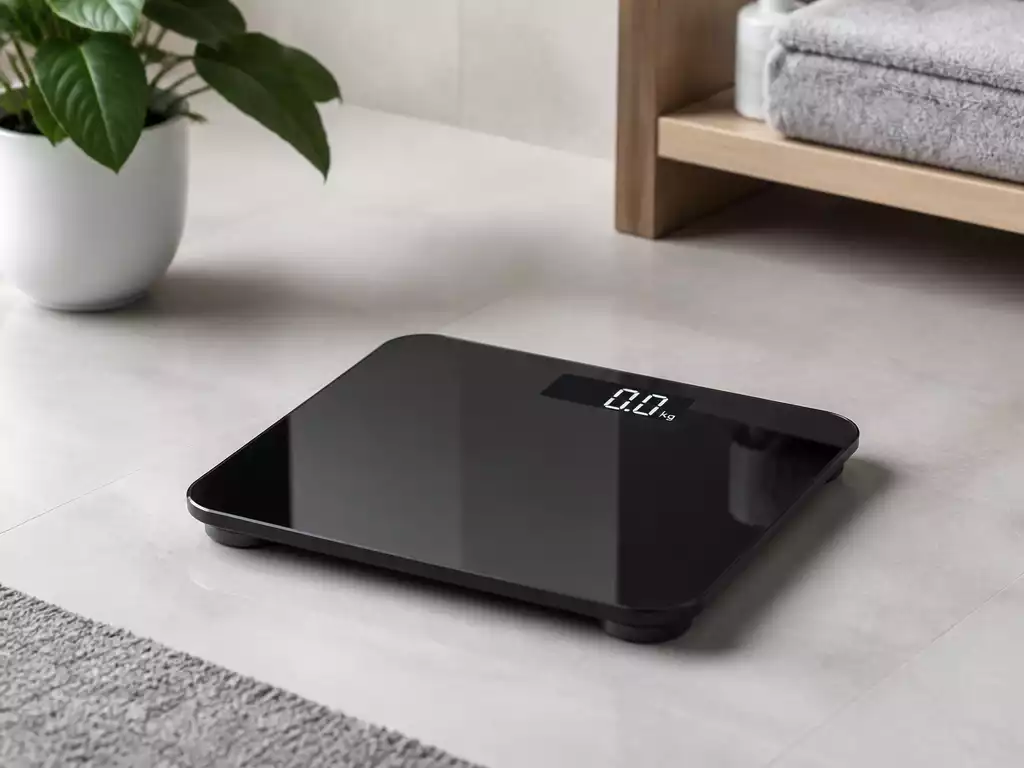
- Digital Scales: These provide a digital readout, often with added features like memory settings or Bluetooth connectivity.
- Analog Scales: Mechanical scales that use a dial; they require manual adjustments for accuracy.
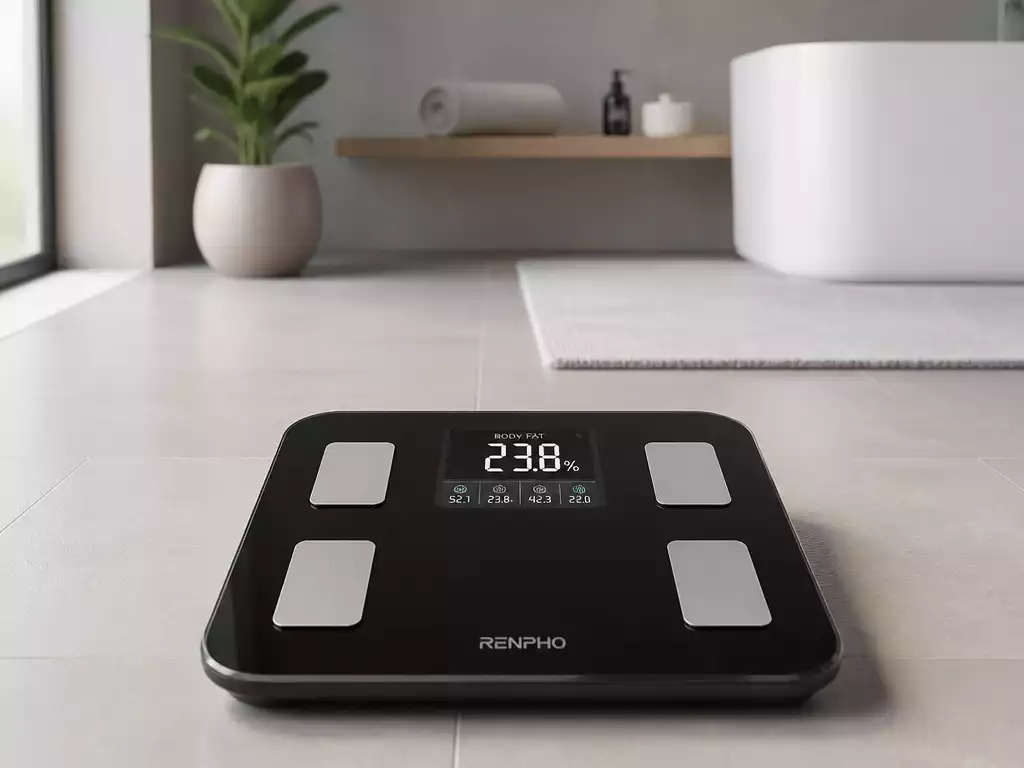
- Smart Scales: These connect to your smartphone or other devices, offering insights like body composition and weight history.
Choosing the right scale depends on your specific needs, but understanding the differences will help you set them up correctly. Always refer to the manufacturer’s manual for specific instructions as well!
Choosing the Right Surface for Accurate Measurements
The surface you place your scale on can significantly impact its accuracy. Ideally, your scale should sit on a hard, flat surface to ensure precise readings. Soft or uneven surfaces like carpets can lead to inconsistent measurements, making it essential to find the right spot in your home.
- Look for a level area in your bathroom or bedroom.
- Avoid placing the scale near walls or furniture that could interfere with readings.
- Check for any debris or moisture on the surface before using the scale.
By ensuring that your scale is on a suitable surface, you’ll have a much better weighing experience. This simple step can make all the difference in getting reliable results every time you step on the scale!
Step-by-Step Guide to Setting Up Your Bathroom Scale
Initial Setup for Digital Scales
Setting up a digital scale is straightforward. Start by installing the batteries, typically found in the back compartment. Once that’s done, turn on the scale and make sure to zero it out before your first use. If your scale has app connectivity, follow the manufacturer’s instructions to download and set up the app. For specific guidance on calibrating various digital scales, you might find our article on how to calibrate a digital scale helpful.
Setting Up Analog Scales: Zeroing and Calibration
For analog scales, you’ll need to adjust the dial. Ensure the needle is pointing at zero when the scale is empty. If it’s not, simply turn the dial until it aligns with the zero mark. This calibration step is crucial for ensuring accurate readings each time.
Smart Scale Setup: Connecting and Configuring
Smart scales offer modern conveniences that can enhance your tracking. Start by installing the corresponding app on your smartphone. Create an account, and then follow the prompts to connect your scale via Bluetooth. Make sure to allow any necessary permissions for the app to sync your data!
Common Issues and Troubleshooting Tips
Sometimes, your scale might not function as expected. Common issues include zero drift and inconsistent readings. If you experience this, try the following:
- Recalibrate your scale by zeroing it out again.
- Ensure the scale is on a stable surface.
- Check for low battery indicators if you have a digital or smart scale.
By addressing these common problems, you can maintain your scale’s accuracy and reliability over time!
Testing Your Scale for Accuracy
To ensure your scale is providing reliable readings, conduct a simple accuracy test using known weights. This could be a dumbbell or any item with a known weight. Place it on the scale and see if the reading matches. If not, recalibrate your scale as needed to achieve more accurate results! For more detailed instructions on how to reset a bathroom scale effectively, see our guide on how to reset a bathroom scale.
Utilizing Your Scale’s Features for Weight Tracking
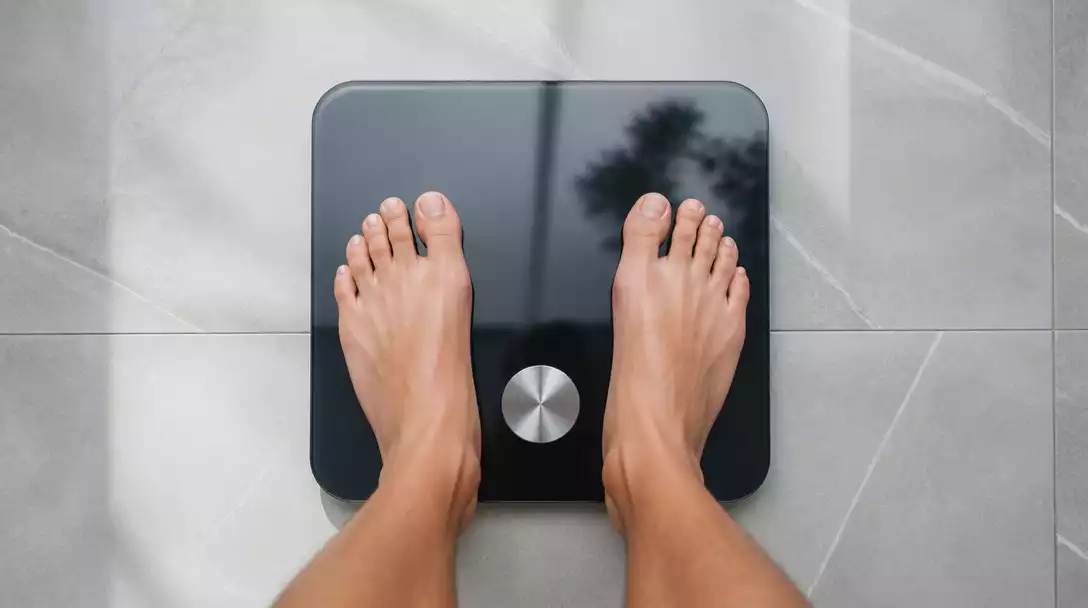
Many digital and smart scales come with features that help you manage your weight effectively. You can leverage functionalities like:
- User settings for personalized tracking.
- Body composition analysis to understand your health better.
- Weight history tracking to monitor your progress over time.
Using these tools can significantly boost your weight management efforts, making it easier to meet your health goals. Embrace the technology to stay on track!
We Want to Hear From You!
What features do you find most useful in your bathroom scale? Share your thoughts below:
Maintaining Your Bathroom Scale for Long-Term Accuracy
Best Practices for Care and Storage
To keep your scale functioning accurately, it’s essential to follow a few simple care and storage practices. I always suggest cleaning the sensor feet regularly to prevent dust and grime from affecting readings. Here are some best practices that I personally follow:
- Wipe the scale with a soft, damp cloth to remove any spills or dirt.
- Store the scale on a flat surface in a dry location, away from moisture.
- Avoid placing heavy items on the scale when not in use to prevent wear and tear.
By adopting these habits, your scale can maintain its precision for a long time. Additionally, it’s important to avoid extreme temperatures or humidity, which can impact the electronics and sensors in your scale.
When to Replace Batteries and Recognizing Error Messages
Batteries play a vital role in the functionality of your bathroom scale, especially for digital and smart models. If you notice your scale behaving oddly, such as displaying error messages or inconsistent readings, it might be time to replace the batteries. Here’s how to tell:
- If the display is dim or flickering, it’s usually a sign that the batteries are low.
- Look for specific error messages on the display; consult the user manual for guidance.
- Replace batteries every six months, or sooner if you use the scale frequently.
Keeping an eye on these indicators can save you from frustration and ensure your scale remains accurate. Always have spare batteries on hand, so you’re prepared when the time comes! For detailed instructions on how to change the battery in your bathroom scale, check out our guide on how to change battery in bathroom scale.
Frequently Asked Questions (FAQs)
Q1: Why is the surface I place my bathroom scale on so important?
A1: The surface significantly impacts accuracy. Placing your scale on a hard, flat, and level surface like tile or hardwood ensures precise and consistent readings. Soft or uneven surfaces, such as carpets, can lead to inaccurate measurements due to uneven pressure distribution.
Q2: How do I calibrate an analog bathroom scale?
A2: To calibrate an analog scale, ensure it is empty and then manually adjust the dial until the needle points exactly to the zero mark. This simple step is crucial for maintaining accurate readings with each use.
Q3: What are the key differences between digital, analog, and smart scales?
A3: Digital scales provide a clear numerical readout and may have basic additional features. Analog scales are mechanical, using a dial and requiring manual zeroing. Smart scales connect to apps, offering advanced features like body composition analysis and historical data tracking.
Q4: How often should I replace the batteries in my digital or smart bathroom scale?
A4: It’s generally recommended to replace batteries every six months or sooner if you use the scale frequently. Look for signs like a dim or flickering display, or specific error messages, which indicate low battery power.
Q5: How can I test my bathroom scale for accuracy?
A5: You can test your scale’s accuracy by placing an item with a known weight on it, such as a dumbbell. If the reading doesn’t match the known weight, recalibrate your scale as needed.
Ensuring a Consistent Weighing Experience
Placement Effects on Scale Accuracy
The surface you choose for your scale can significantly influence its accuracy. I’ve personally noticed that placing a scale on carpet or uneven flooring can lead to inaccurate readings. Here are some tips to ensure you set it up correctly:
- Always position your scale on a hard, flat surface.
- Avoid using it on carpets; instead, use tiles or hardwood for better stability.
- Check if the floor is level; if not, consider using a small piece of cardboard to even it out.
By being mindful of placement, you can make sure that your readings reflect your true weight. It’s a small adjustment that can lead to significant improvements in accuracy.
Tips for Tracking Weight Fluctuations During Your Weight Loss Journey
Tracking your weight can be a crucial part of your fitness journey, and I recommend utilizing both your scale and technology to help. Here are some tips I’ve found effective:
- Record your weight consistently at the same time of day for accurate tracking.
- Sync your smart scale with health apps to keep an ongoing record of your progress.
- Be aware that fluctuations are normal; look for trends over time rather than day-to-day changes.
Incorporating these practices can help you stay motivated and focused on your weight loss goals. Remember, progress is often not a straight line, so tracking helps you see the bigger picture!
Final Thoughts: Achieving Reliable Weight Measurements
Maintaining your bathroom scale and understanding how to use it correctly can lead to more reliable weight measurements. By following these outlined steps and tips, you can ensure accuracy and consistency in your readings. Embrace your journey and remember, every step counts towards achieving your health goals!
Recap of Key Points
Here is a quick recap of the important points discussed in the article:
- Identify the type of scale (digital, analog, or smart) for proper setup.
- Place the scale on a hard, flat surface to ensure accurate readings.
- Follow specific setup instructions for digital, analog, and smart scales.
- Regularly calibrate and maintain your scale for long-term accuracy.
- Utilize your scale’s features, like user settings and body composition analysis, for better weight management.
- Track your weight consistently and be mindful of fluctuations over time.