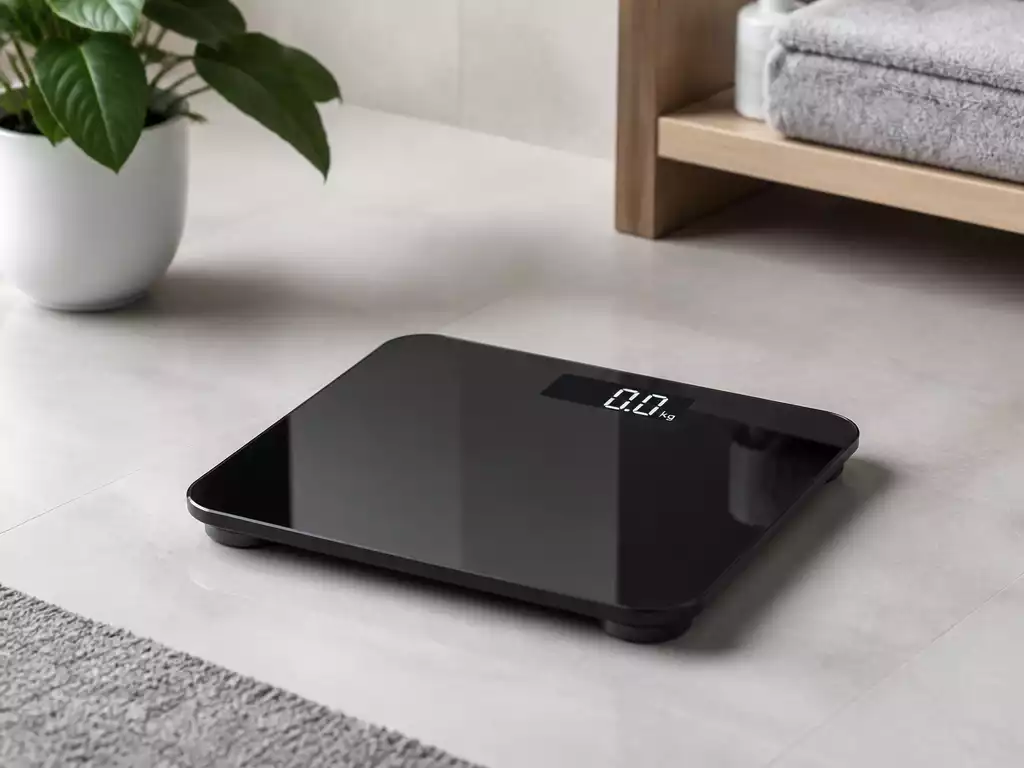
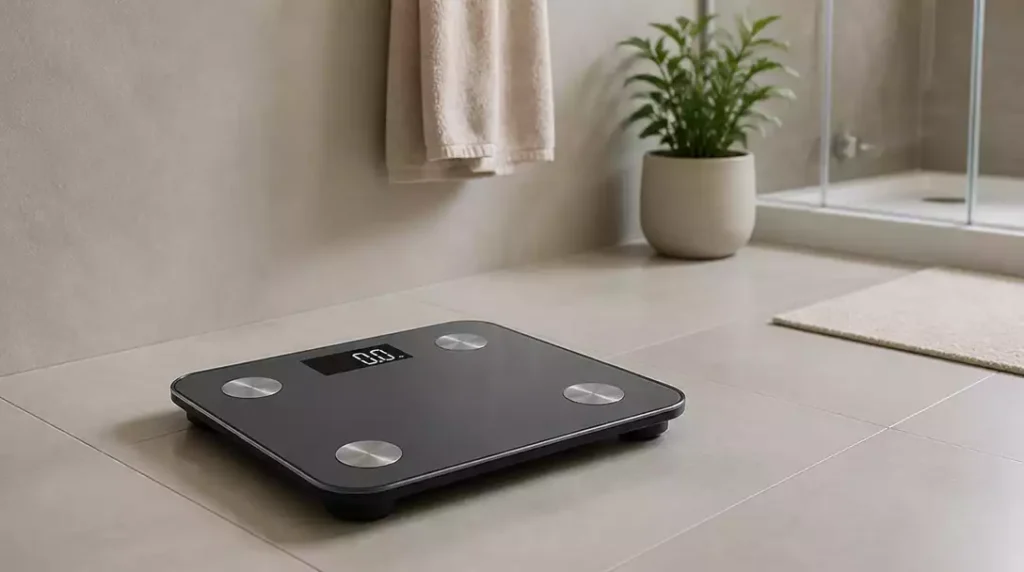
Regular maintenance of your bathroom scale can lead to more accurate weight tracking and a smoother health journey. Here are some essential insights to help you keep your scale in top shape.
What You Will Learn
- Regularly resetting your scale ensures accurate readings and can prevent frustration.
- Factors such as surface changes, battery status, and cleanliness can affect your scale’s performance.
- Recognize when it’s time to replace your scale if it frequently provides inconsistent readings.
- Calibration is vital; checking it periodically enhances measurement accuracy and extends the scale’s lifespan.
- Post-reset checks, like ensuring a flat surface and battery condition, are crucial for reliable results.
- Regular maintenance, including cleaning and periodic calibration, helps sustain your scale’s functionality.
- Foot pads play a key role in stability and accuracy; ensure they are clean and in good condition.
The Importance of Resetting Your Bathroom Scale
Let’s dive into why it’s essential to reset your bathroom scale regularly. Over time, scales can become inaccurate for various reasons, which can lead to frustration. If you’ve recently moved your scale, changed its batteries, or simply haven’t calibrated it in a while, it’s likely time for a reset. These factors can throw off your readings, making it crucial to take action. For a detailed guide on how to reset various digital scales, you can refer to how to reset a digital scale.
It’s common to overlook the scale until it shows an unexpected number. However, a little maintenance goes a long way in ensuring you get the most reliable results. If you’re looking to track your weight accurately, resetting your scale should be a regular part of your routine.
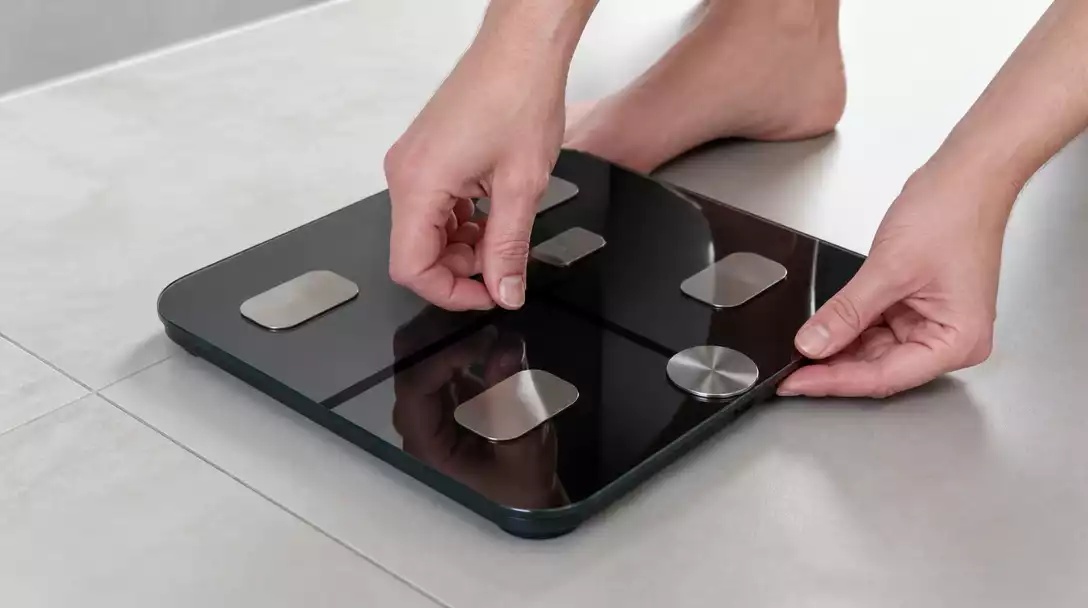
Why You Might Need to Reset Your Scale
- Inaccurate readings due to surface changes
- Moving the scale to a new location
- Changing batteries, which can affect performance
- Accumulation of dust or debris affecting function
In my experience, I’ve found that minor changes like shifting the scale to a carpeted area can significantly alter its accuracy. Therefore, resetting it to its original settings can help restore precise measurements. Keeping your scale in a consistent spot is a simple way to maintain its accuracy.
When to Consider Calibration Versus Replacement
There’s a fine line between needing a simple reset and realizing it’s time to invest in a new scale. If your scale frequently shows inconsistent readings despite calibration, it might be time for a replacement. Here are some signs to consider:
- Repeatedly inaccurate readings even after resetting
- Physical damage to the scale or its components
- It’s an older model and has seen better days
In my opinion, recognizing these signs early can save you both time and frustration. Sometimes, a fresh start with a new scale can give you the accuracy and assurance you need for effective weight tracking.
Importance of Regular Calibration for Accurate Weight Measurement
Calibration is vital to maintaining your scale’s accuracy. Regular checks ensure that any minor discrepancies are addressed before they lead to significant inaccuracies. A well-calibrated scale provides peace of mind, especially if you’re tracking your weight for health reasons. To learn more about calibrating your bathroom scale, check out our guide on how to calibrate a bathroom scale.
For me, I make it a point to check my scale every few months, just to be sure it’s delivering the best results. Taking these small steps not only enhances accuracy but also increases the lifespan of your scale!
Pro Tip
Did you know? Regularly checking the calibration of your bathroom scale can significantly improve the accuracy of your readings. Aim to calibrate your scale once every few months, especially if you notice any inconsistencies. This small habit can make a big difference in your weight tracking journey!
Final Checks After Resetting Your Scale
After you’ve gone through the process of resetting your bathroom scale, it’s crucial to ensure everything is working accurately. A few simple checks can help confirm that your scale is ready for use and will provide reliable readings. Remember, an accurate scale is essential for tracking your weight and supporting your health journey!
Post-Reset Accuracy Checklist
Here’s a handy checklist to help you confirm your scale’s accuracy after a reset:
- Ensure the scale is on a flat, hard surface to avoid any discrepancies.
- Check the batteries and replace them if they’re low or corroded. For instructions on changing batteries, you can visit how to change battery in bathroom scale.
- Make sure the scale is level and not near any walls or furniture that might interfere.
- Allow the scale to stabilize for a moment before stepping on it for the first reading.
These steps will help ensure that your readings are as accurate as possible. I’ve personally found that taking the time for these checks really makes a difference!
Regular Maintenance Tips for Your Bathroom Scale
To keep your scale functioning properly and to minimize the need for resets in the future, consider these maintenance tips:
- Regularly clean the scale with a damp cloth to remove dust and debris.
- Store it in a dry place to prevent moisture damage.
- Check and replace batteries every few months, even if the display seems fine.
- Calibrate your scale periodically to ensure ongoing accuracy.
By following these simple tips, you’ll not only prolong the life of your scale but also ensure that it delivers dependable results every time you use it. I often remind my clients that a little care goes a long way!
The Role of Foot Pads in Scale Stability and Accuracy
Foot pads are an important but often overlooked feature of your bathroom scale. These pads help support the scale and can have a significant impact on its performance. If the foot pads are worn out or not positioned correctly, you might end up with inaccurate readings.
- Check for even wear on the foot pads; replace them if they are damaged.
- Ensure the pads are clean and free from debris to maintain proper contact with the floor.
- Consider using anti-slip mats for additional stability, especially on slippery surfaces.
Taking care of the foot pads can enhance your scale’s accuracy and help you avoid the frustration of inconsistent measurements. Trust me, maintaining your scale this way can save you a lot of time and effort down the road!
Frequently Asked Questions (FAQs)
- Q: Why is it important to reset my bathroom scale regularly?
- A: Resetting your bathroom scale regularly is crucial because factors like moving the scale, changing batteries, or even minor surface changes can lead to inaccurate readings over time. A reset helps re-establish its original settings for precise measurements.
- Q: How often should I calibrate my bathroom scale?
- A: It’s recommended to calibrate your bathroom scale every few months, or whenever you notice inconsistent readings. Regular calibration helps maintain accuracy and extends the lifespan of your scale.
- Q: What are the signs that I might need to replace my bathroom scale instead of just resetting it?
- A: You should consider replacing your scale if it consistently provides inaccurate readings even after multiple resets and calibrations, if it has physical damage, or if it’s an older model that frequently malfunctions.
- Q: What should I check after resetting my scale to ensure accuracy?
- A: After resetting, ensure the scale is on a flat, hard surface, check and replace batteries if needed, confirm it’s level and not touching walls or furniture, and allow it to stabilize before stepping on it.
- Q: How do foot pads affect my scale’s accuracy?
- A: Foot pads are vital for stability and proper contact with the floor. If they are worn, damaged, or dirty, they can cause the scale to wobble or not sit evenly, leading to inaccurate readings. Ensuring they are clean and in good condition is important for optimal performance.
Recap of Key Points
Here is a quick recap of the important points discussed in the article:
- Regularly reset your bathroom scale to ensure accurate readings.
- Check for surface changes, battery issues, or debris that may affect scale performance.
- Recognize signs that indicate when it’s time to replace your scale, such as repeated inaccuracies.
- Calibrate your scale regularly to maintain its accuracy.
- Follow a post-reset accuracy checklist to confirm your scale’s reliability.
- Implement maintenance tips, like cleaning and battery checks, to prolong your scale’s lifespan.
- Ensure foot pads are in good condition and clean for optimal scale performance.