
What You Will Learn
- Taylor Scales come in three main types: Bathroom, Body Fat, and Smart scales, each serving different health tracking needs.
- Bathroom scales are user-friendly and ideal for simple weight tracking, while body fat scales provide comprehensive insights into body composition.
- Smart scales offer features like data syncing and multiple user profiles, enhancing the tracking experience significantly.
- Regular maintenance, including calibration checks and battery monitoring, is crucial for ensuring long-term accuracy of your Taylor Scale.
- Digital scales tend to be more accurate and easier to read than mechanical scales, but the latter offers durability without needing batteries.
- Signs that your scale may need new batteries include a dim display, failure to power on, or slow response times.
- Every scale has a lifespan; be on the lookout for signs of wear such as visible damage or consistently inaccurate readings to know when to replace it.
Overview of Features and Types of Taylor Scales
When it comes to monitoring our health and fitness, Taylor Scales has a solid reputation for quality and reliability. These scales come with a variety of features tailored to meet different needs, whether you’re just stepping onto a scale for the first time or you’re a fitness enthusiast wanting the latest tech. Let’s delve into the different models available and what sets them apart!
From simple bathroom scales that give you weight readings to advanced models that measure body fat percentage, Taylor offers a solution for everyone. In this section, I’ll share insights on what you need to know about the various types of Taylor Scales to help you choose the right one for your lifestyle.
Exploring the Different Models of Taylor Scales
There are three main categories of Taylor Scales that I think are worth exploring:
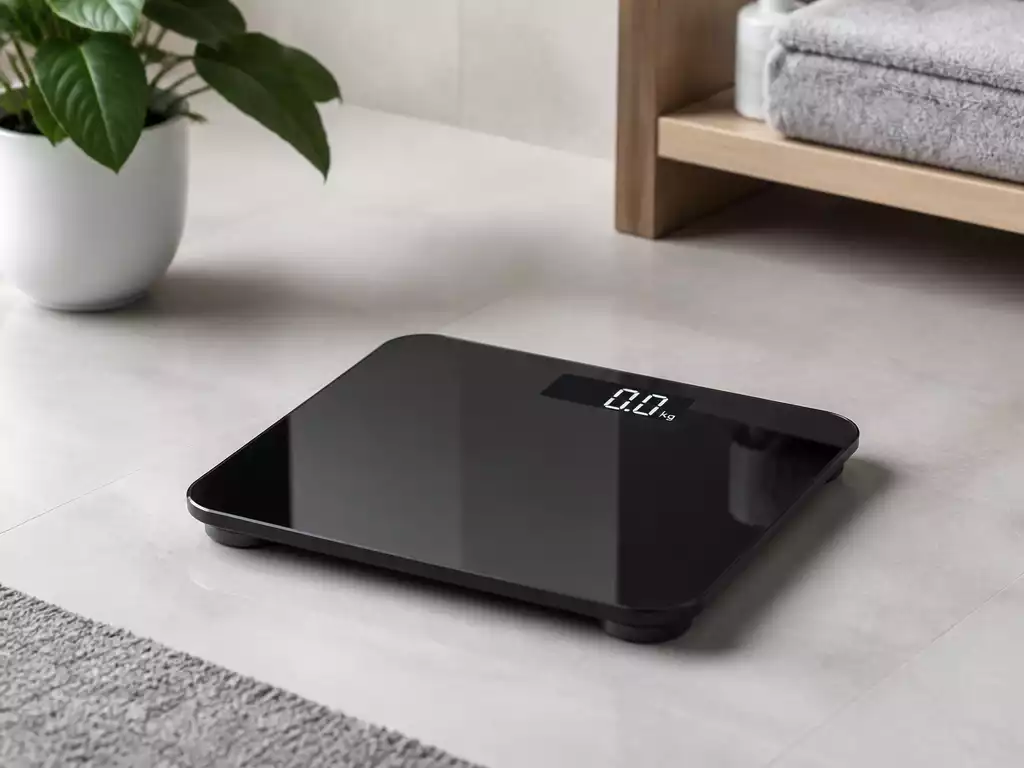
- Bathroom Scales: The most common type, ideal for quick weight checks.
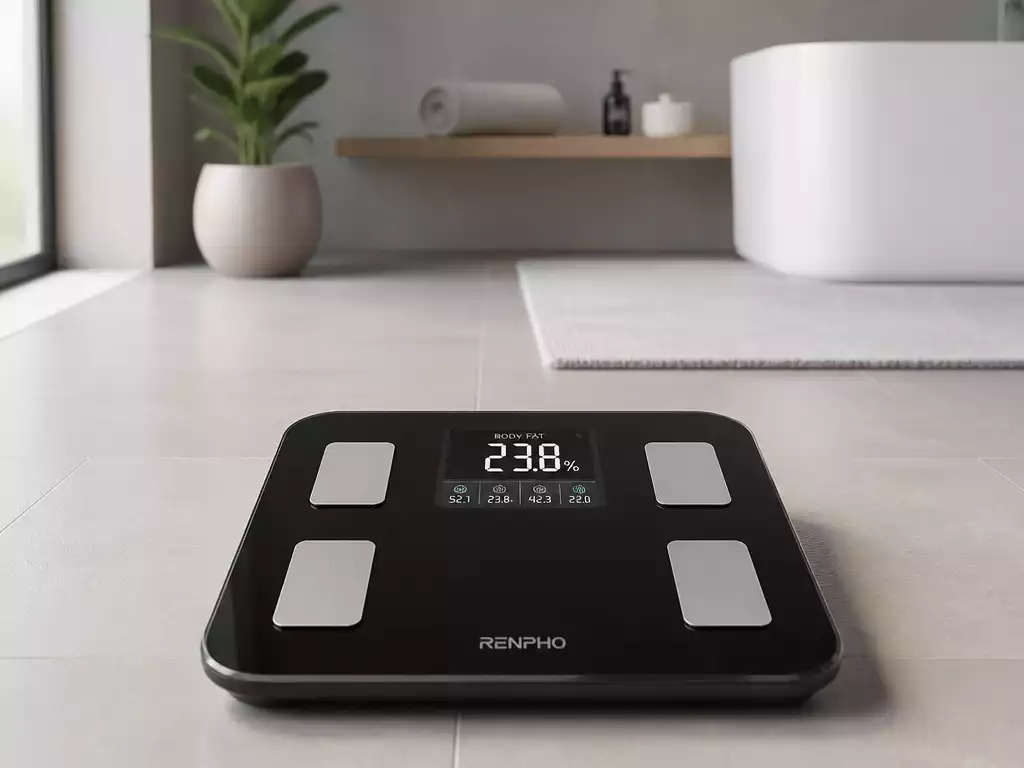
- Body Fat Scales: These provide detailed insights into your body composition.
- Smart Scales: Equipped with technology to sync data to your smartphone.
Each model offers unique benefits. For example, bathroom scales are great for straightforward weight tracking, while body fat scales are perfect for those interested in more detailed health metrics. Smart scales, on the other hand, integrate with apps to help you keep track of your progress over time!
Bathroom Scales vs. Body Fat Scales: What’s the Difference?
So, what’s the main difference between bathroom scales and body fat scales? Bathroom scales typically measure just weight, while body fat scales use bioelectrical impedance to estimate body fat, muscle mass, and other metrics. This added information can be incredibly helpful for anyone looking to maintain a balanced fitness routine.
- Bathroom Scales: Simple, straightforward, and user-friendly.
- Body Fat Scales: More complex but provide a comprehensive view of your health.
Choosing between them depends on your personal goals. If you’re mainly interested in tracking weight, a bathroom scale might suffice. However, if you’re venturing into fitness and want to understand your body composition, a body fat scale would be the better choice.
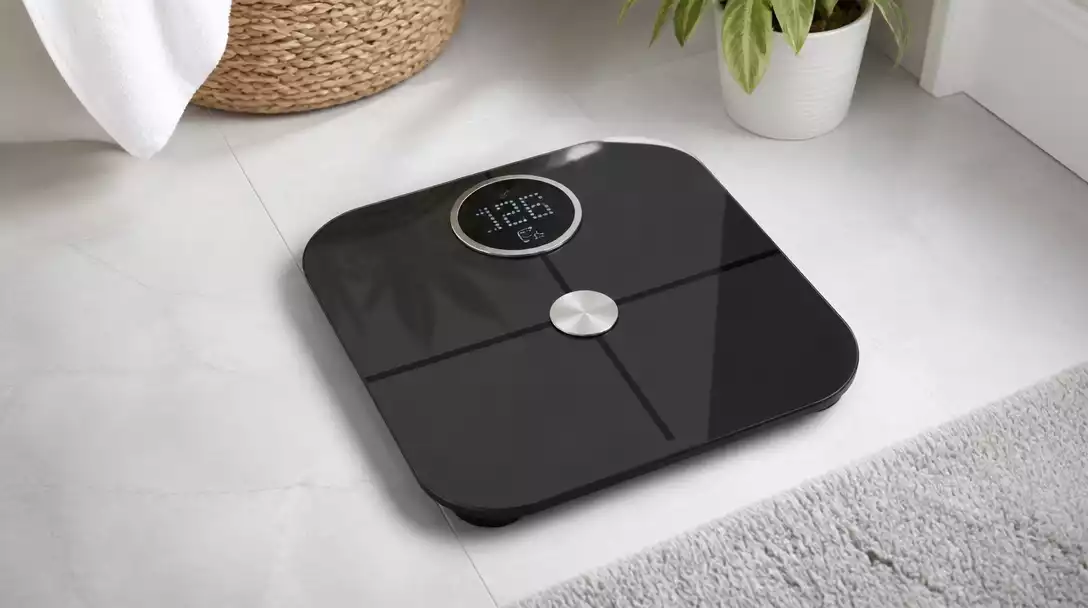
Smart Scales: Benefits and Setup Considerations
Smart scales have become increasingly popular, and for good reason! They offer a range of features that can enhance your tracking experience, such as syncing with fitness apps and tracking your progress over time.
- Data Syncing: Easily track changes with your smartphone.
- Multiple Users: Can store profiles for different users.
- Detailed Metrics: Provides insights beyond just weight.
However, setting up smart scales can require a bit more effort. You’ll need to ensure that your scale is connected to your home Wi-Fi or Bluetooth and download the necessary app. But trust me, once it’s set up, it’s a game-changer for your fitness journey! For more detailed instructions on connecting devices, you might find our guide on how to connect a smart scale useful.
Comparing Digital and Mechanical Scales: Which is Right for You?
Another consideration is whether to choose a digital or a mechanical scale. Digital scales are often more precise and easier to read, while mechanical scales have a classic appeal and don’t require batteries. Here’s a quick comparison:
- Digital Scales: Accurate, easy to read, and often feature additional metrics.
- Mechanical Scales: Durable, no batteries needed, but may require manual calibration.
Your choice may depend on personal preference and how you plan to use the scale. Digital scales offer convenience, while mechanical scales can be more straightforward.
Pro Tip
Did you know? Regularly updating the app connected to your smart scale can enhance its functionality. Updates often include new features, improved accuracy, and better integration with other fitness apps, making it easier to track your health metrics over time!
Ensuring Long-term Accuracy: Maintenance Tips for Your Taylor Scale
To keep your Taylor Scale providing accurate readings, regular maintenance is essential! By taking care of your scale, you’ll ensure that it lasts longer and remains reliable. Here are some key maintenance tips to keep in mind:
- Regularly check for calibration needs
- Keep the scale clean and dust-free
- Monitor battery levels to avoid power issues
Making maintenance a routine part of your scale usage will help you catch any issues early. Plus, it can be as simple as giving the surface a quick wipe-down and checking the battery status!
How Often Should You Recalibrate Your Scale?
Recalibrating your Taylor Scale is critical for accurate weight measurements, especially if it’s been moved or used heavily. I recommend recalibrating your scale at least once every few months. However, if you notice inconsistent readings, it may be time to check the calibration sooner. Here’s a quick checklist for when to recalibrate:
- After moving the scale to a different location
- When you notice fluctuations in weight readings
- If the scale has been dropped or bumped
Following these guidelines ensures that your scale remains a trusted partner in your weight management journey! It’s worth taking a moment to ensure accuracy. If you own a Taylor digital scale, you might want to learn how to calibrate a Taylor digital scale specifically.
Battery Management: Signs Your Scale Needs New Batteries
Battery management is another crucial aspect of scale maintenance. If your Taylor Scale is digital, weak batteries can lead to inaccurate readings and unreliable performance. Watch out for these signs that indicate it’s time for a battery change:
- The display is dim or flickering
- The scale fails to power on
- You notice slow response times when stepping on the scale
Keeping fresh batteries on hand will help prevent disruptions in your weighing routine. Don’t forget to check your scale’s battery type so you can always be prepared! For those needing to replace batteries, our guide on how to change battery in Taylor scale provides step-by-step instructions.
Understanding the Lifespan of Your Scale and Signs of Wear
Every Taylor Scale has its lifespan, typically lasting several years with proper care. However, signs of wear will eventually appear over time. If you notice any of the following, it might be time to consider a new scale:
- Visible damage to the scale’s surface
- Consistently inaccurate readings
- Parts that are loose or not functioning properly
By being proactive and observant, you can extend the life of your scale and ensure that it continues meeting your needs. Remember, a well-maintained scale is a dependable one!
Frequently Asked Questions About Taylor Scales
What are the main types of Taylor Scales?
Taylor Scales primarily come in three types: Bathroom Scales (for simple weight tracking), Body Fat Scales (for detailed body composition analysis), and Smart Scales (which sync data to apps and often offer multiple user profiles).
How do body fat scales work compared to regular bathroom scales?
Regular bathroom scales measure only weight. Body fat scales, however, use bioelectrical impedance to send a small, safe electrical current through your body to estimate body fat percentage, muscle mass, and other metrics, providing a more comprehensive view of your health.
What are the benefits of a smart scale?
Smart scales offer several benefits, including data syncing with fitness apps, the ability to store multiple user profiles, and providing detailed metrics beyond just weight. This connectivity helps users track progress over time and gain deeper insights into their health journey.
How often should I recalibrate my Taylor Scale?
It’s recommended to recalibrate your Taylor Scale at least once every few months, or more frequently if you move the scale, notice inconsistent readings, or if it has been dropped or bumped. This ensures continued accuracy of measurements.
What are the signs that my digital Taylor Scale needs new batteries?
Signs that your digital Taylor Scale needs new batteries include a dim or flickering display, the scale failing to power on, or slow response times when you step on it. Keeping fresh batteries ensures reliable performance and accurate readings.
Recap of Key Points
Here is a quick recap of the important points discussed in the article:
- Taylor Scales offer a variety of models including bathroom scales, body fat scales, and smart scales.
- Bathroom scales are ideal for quick weight checks; body fat scales provide detailed insights into body composition.
- Smart scales sync data to smartphones and can store profiles for multiple users.
- Regular maintenance, such as checking calibration and cleaning, is essential for long-term accuracy.
- Recalibrate your scale every few months or when moving it to a new location.
- Watch for signs of battery issues to ensure reliable performance from digital scales.
- Be proactive about identifying signs of wear to extend the lifespan of your scale.