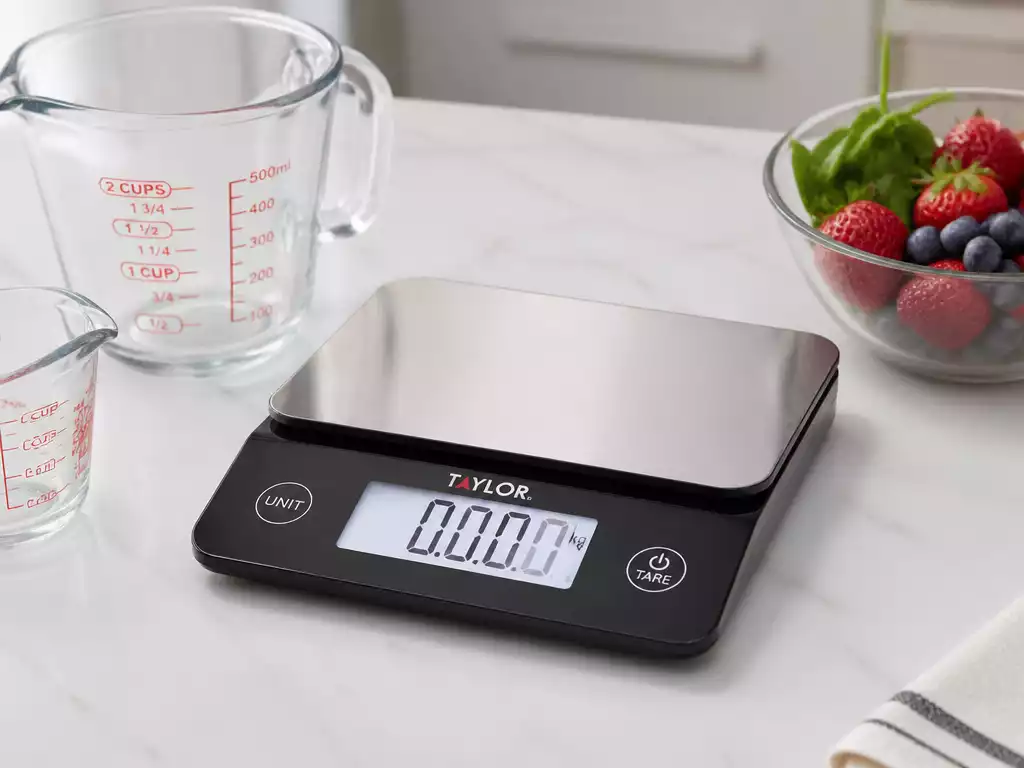
Regular calibration is key to ensuring your Taylor digital scale provides reliable and accurate measurements. Understanding this crucial process can save you from inconsistencies in your readings and enhance your trust in the scale’s performance.
What You Will Learn
- Calibration is essential for accuracy; it aligns your scale with known measurement standards.
- Environmental factors like humidity and temperature can affect your scale’s calibration.
- Using certified calibration weights is crucial for achieving precise adjustments.
- Regular checks and maintenance routines can prolong your scale’s accuracy and lifespan.
- Recalibrate your scale after moving it or if you notice any discrepancies in readings.
Understanding Calibration for Your Taylor Digital Scale
Calibration is a critical process for ensuring your Taylor digital scale provides accurate readings. In simple terms, calibration means adjusting your scale to align with a known standard. This process is essential because even small inaccuracies can lead to significant discrepancies, especially when precise measurements are vital for things like dieting, cooking, or health monitoring.
Without proper calibration, you might find yourself struggling with inconsistent readings. This can happen due to various factors, including changes in environmental conditions or even the scale’s aging components. By routinely calibrating your scale, you can maintain its accuracy and reliability.
What Does Calibration Mean for Digital Scales?
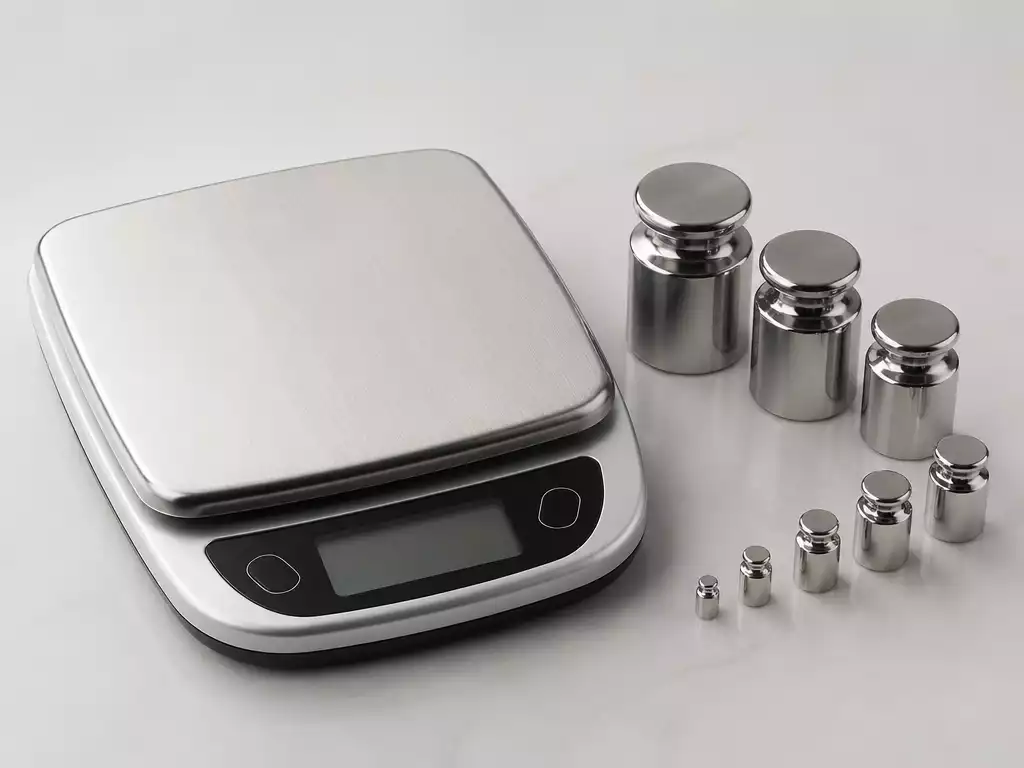
For digital scales, calibration involves resetting the scale to ensure it reads weight accurately. This process typically includes using calibration weights to adjust the scale’s readings to a known standard. It’s a straightforward yet vital procedure that guarantees your scale performs optimally, giving you confidence in the measurements you take.
- Accuracy: Ensures precise weight measurements.
- Consistency: Provides reliable readings over time.
- Trust: Builds confidence in your scale’s performance.
In essence, calibration is about trust. You want to know that your measurements are correct, whether for weighing ingredients for a recipe or monitoring your weight. Regular calibration helps you achieve that peace of mind.
Why You May Need to Calibrate Your Taylor Scale
There are several reasons why you might find it necessary to calibrate your Taylor scale. Changes in usage, such as moving the scale from one location to another or adjusting the weight it measures, can impact its accuracy. Environmental factors like humidity, temperature, and even dust can interfere with performance.
- Moving the scale to a different room can affect its calibration.
- Changes in temperature or humidity can impact accuracy.
- Using the scale differently than intended may require recalibration.
As a dedicated user of Taylor scales, I often encounter these scenarios. It’s crucial to recognize when calibration is necessary to ensure your scale remains reliable and accurate. By staying proactive, you can avoid potential frustrations in the future.
Importance of Calibration Weights for Accuracy
Calibration weights play an integral role in the calibration process, serving as the standard against which your scale is measured. Using them ensures you’re adjusting your scale accurately, providing consistent and trustworthy readings. Calibration weights come in various values, so it’s essential to use weights that are suitable for your scale’s capacity.
- Use known weights to compare against your scale’s readings.
- Ensure weights are certified for precision to avoid discrepancies.
- Regularly verify the condition of your calibration weights.
Incorporating calibration weights into your routine ensures that you’re not just guessing at your scale’s accuracy but are instead relying on precise measurements. This practice enhances the integrity of your measurements and provides the consistency you need.
Step-by-Step Guide to Calibrating a Taylor Digital Scale
Now that we’ve covered the importance of calibration, let’s dive into the step-by-step guide for calibrating your Taylor digital scale. Following these instructions will help you maintain its accuracy and reliability for all your weighing needs!
Pro Tip
Did you know? Regularly checking your scale’s battery levels can prevent unexpected inaccuracies. A low battery can often lead to unreliable readings, so make it a habit to replace the batteries when necessary to ensure optimal performance!
Summary of Calibration Practices for Taylor Scales
Calibrating your Taylor digital scale is essential for achieving accurate weight measurements. In this recap, I’ll highlight the key steps and troubleshooting tips to ensure your scale is performing at its best. Remember, calibration is not just a one-time task but an ongoing process that will help maintain precision.
To simplify, here are the main points to keep in mind:
- Regular Calibration: Make sure to calibrate your scale regularly, especially after moving it or if you notice discrepancies in readings.
- Use Calibration Weights: Always utilize known calibration weights to ensure your scale is set correctly.
- Zero the Scale: Don’t forget to zero your scale before starting the calibration process.
Following these practices will help mitigate issues and enhance the reliability of your scale, making your measurements consistent and trustworthy!
Next Steps for Accurate Measurements
Maintaining Your Scale for Long-Term Accuracy
To keep your Taylor digital scale in top shape, it’s crucial to follow some regular maintenance practices. I recommend creating a routine to check the scale’s performance and calibrate it as needed. This will help ensure you always get accurate readings and extend the life of your scale.
Here are some easy maintenance tips:
- Keep the scale clean and free from dust or spills.
- Store the scale on a flat, stable surface.
- Replace batteries as needed to avoid low power issues.
Implementing these practices will help your scale stay reliable for years to come!
Calibration Frequency: How Often Should You Calibrate?
Determining how often to calibrate your scale can depend on several factors, including how frequently you use it and the environment in which it operates. For most users, calibrating your Taylor scale every few months works well, but if you notice any inconsistencies, don’t hesitate to recalibrate.
- If you use your scale daily, a monthly calibration check is recommended.
- For occasional users, calibrating every 3-6 months should be sufficient.
- Always recalibrate after moving the scale or after a significant temperature change.
By staying on top of calibration, you can ensure that your measurements are always accurate and reliable!
Frequently Asked Questions (FAQs)
It’s common to have questions about calibrating your Taylor scale, especially if you’re new to it. Here are some frequently asked questions that I often hear from users:
- What is calibration and why is it important for my Taylor digital scale?
Calibration is the process of adjusting your scale to align with a known standard, ensuring it provides accurate and consistent readings. It’s crucial for reliable measurements, especially for tasks requiring precision like cooking or health monitoring.
- How do environmental factors affect my scale’s accuracy?
Factors like humidity, temperature changes, and even dust can interfere with your scale’s performance and accuracy. Moving the scale to different locations can also impact its calibration, necessitating recalibration.
- What are calibration weights and why are they necessary?
Calibration weights are known, precise weights used as a standard to adjust your scale. They are essential for accurate calibration, ensuring your scale is set correctly and provides trustworthy readings. Always use certified weights suitable for your scale’s capacity.
- How often should I calibrate my Taylor digital scale?
The frequency depends on usage. For daily users, a monthly check is recommended. For occasional users, calibrating every 3-6 months should suffice. Always recalibrate after moving the scale or if you notice any inconsistencies or significant temperature changes.
- What should I do if my scale won’t enter calibration mode or gives inconsistent readings?
First, check the battery level and ensure the scale is placed on a stable, flat surface. If the problem persists, it may indicate an underlying issue with the scale. You can also try using known calibration weights to verify accuracy. If problems continue, professional support may be needed.
Get Support for Your Taylor Digital Scale
If you find yourself still struggling with calibration issues or have questions beyond this guide, I encourage you to reach out for professional support. At [Your Business Name], we’re here to help you troubleshoot and ensure your Taylor digital scale operates flawlessly. Don’t hesitate to contact us for assistance!
Recap of Key Points
Here is a quick recap of the important points discussed in the article:
- Regular Calibration: Make sure to calibrate your scale regularly, especially after moving it or if you notice discrepancies in readings.
- Use Calibration Weights: Always utilize known calibration weights to ensure your scale is set correctly.
- Zero the Scale: Don’t forget to zero your scale before starting the calibration process.
- Maintain Environmental Stability: Keep the scale in a stable environment to avoid inaccuracies caused by humidity and temperature changes.
- Regular Maintenance: Keep your scale clean, store it properly, and replace batteries as necessary to ensure optimal performance.