
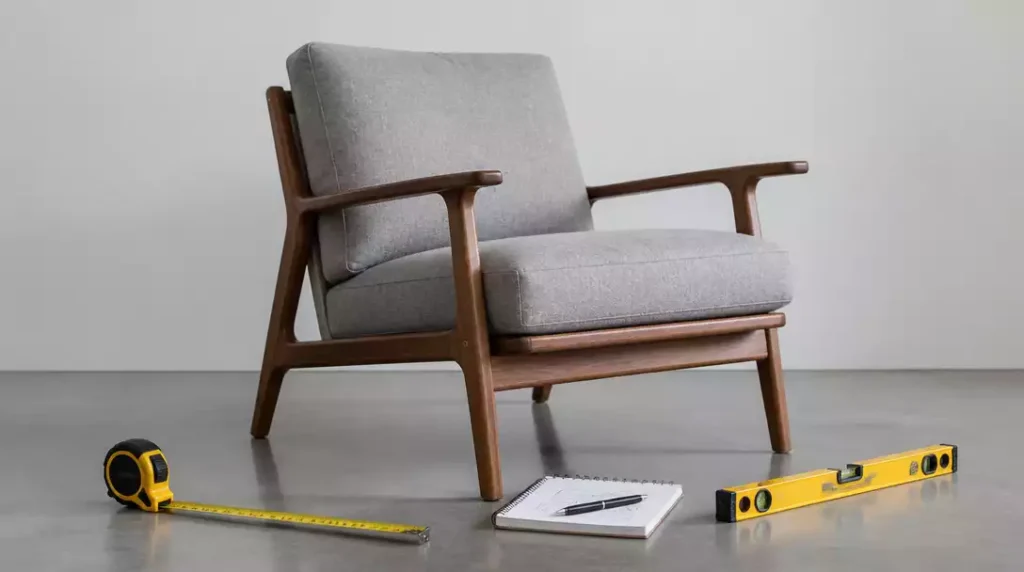
In the realm of interior design, mastering furniture scaling is not just an art; it’s a science that can dramatically transform spaces. Understanding how to scale furniture effectively ensures that your rooms not only look aesthetically pleasing but also function well. Let’s explore some essential insights that can elevate your design game.
What You Will Learn
- Furniture scaling is about the size and proportion of furniture in relation to the room’s dimensions.
- Balancing furniture size creates a harmonious flow and maximizes usability within a space.
- Key dimensions to consider include height, width, and depth for effective scaling.
- Transitioning from design to reality requires careful planning and potential adjustments.
- Anticipating common challenges, such as misjudging space, can enhance your design process.
- Custom furniture options allow for tailored solutions that perfectly fit your space and style.
Basics of Furniture Scaling
When it comes to interior design, furniture scaling is a fundamental concept that we often overlook. It’s not just about picking pretty pieces; it’s about ensuring that each item fits seamlessly within your space. Understanding how to effectively scale furniture can transform an ordinary room into a cohesive, inviting environment.
Scaling means adjusting the size of furniture relative to the room it occupies. This means both ensuring that furniture is appropriately sized for the space and that it feels balanced within the overall layout. As someone who has spent years curating unique interiors, I can’t stress enough how crucial this concept is in creating spaces that feel just right!
Defining Furniture Scale: What Does It Mean?
At its core, furniture scale refers to the size and proportion of furniture in relation to the dimensions of a room. Essentially, it’s about finding the right fit! When you select pieces that are too large for a small room, it can feel cramped; conversely, tiny furniture in a large room can make the space feel empty and uninviting.
- Scale refers to the physical size of the furniture.
- Proportion relates to how the size of the furniture compares to surrounding elements.
- Balance ensures that no one piece overwhelms or underwhelms the overall space.
By grasping these concepts, you empower yourself to make informed decisions that enhance your living areas, creating a welcoming environment that reflects your personal taste.
Why Scaling Furniture Matters in Interior Design
Scaling furniture is vital because it directly affects the functionality and aesthetics of a room. When you choose items that suit your space perfectly, the room not only looks better but also feels more comfortable to live in. Imagine trying to entertain guests in a space where you can barely move—this is where scaling comes into play!
- It maximizes the usability of your space.
- It creates a harmonious flow throughout the room.
- It enhances the visual appeal by ensuring balance.
As a design enthusiast, I’ve seen how the right furniture can transform a space from ordinary to extraordinary. Scaling helps bring that vision to life! For more insights on precision and measurements, you might find our guide on how to read a micrometer scale useful, even if it’s for a different type of scaling, the principle of careful measurement remains key.
Key Furniture Dimensions to Consider for Effective Scaling
When scaling furniture, it’s essential to keep in mind a few vital dimensions that can guide your selection:
- Height: Ensure that furniture pieces don’t dwarf the space or feel too low.
- Width: Consider how wide a piece is in relation to your room’s available floor space.
- Depth: Pay attention to how deep a sofa or table is, especially in tight areas.
These dimensions not only help you visualize the layout but also prevent any awkward moments when you realize a beautiful chair just won’t fit through the door! With a bit of planning, you’ll be equipped to make furniture choices that truly complement your unique space.
Pro Tip
To ensure your furniture scaling is successful, always visualize the space with a mock setup. Use tape to outline furniture dimensions on the floor, helping you see how pieces will fit together before making a purchase. This technique allows you to better understand flow and accessibility, ensuring a harmonious layout!
Bringing Your Scaled Plans to Life
Once you’ve created your scaled plans, it’s time to transform those drawings into reality! Implementing your layout requires careful planning and consideration. You’ll need to take into account the furniture selections, the overall flow of the room, and how each piece interacts within the space.
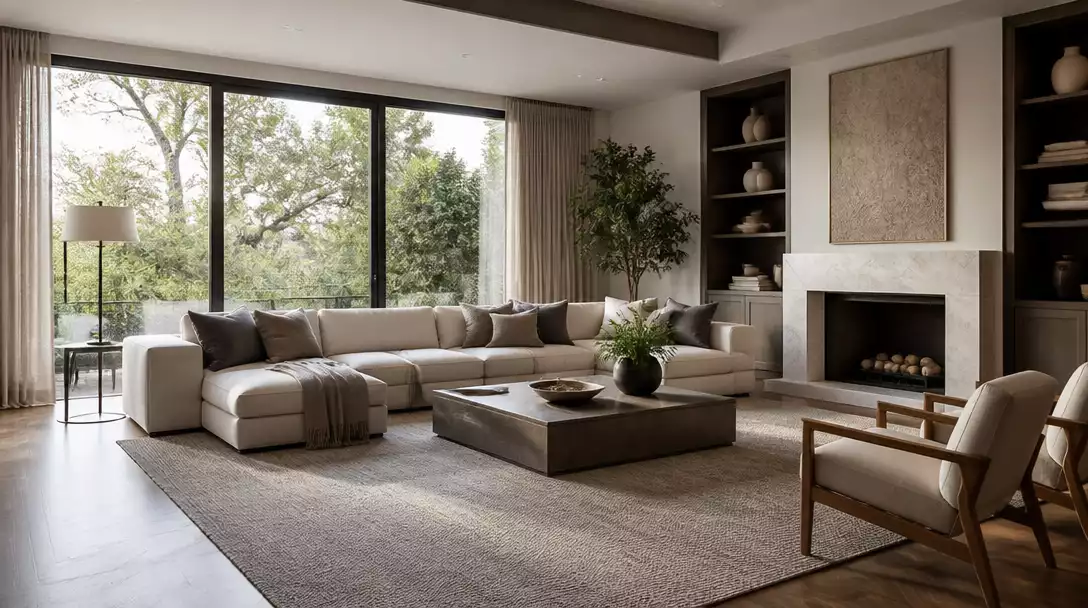
I find the process rewarding, as it’s where creativity meets functionality. Expect to make adjustments as you go; no design ever turns out perfectly on the first try. Take a deep breath and embrace the journey! If you ever need to reset a digital device, similar principles of methodical steps apply, just like when you need to reset a digital scale.
From Drawing to Reality: What to Expect When Implementing Your Layout
Transitioning from a drawing to the physical arrangement involves several steps. First, you should gather all your materials and ensure your furniture fits within the dimensions you’ve outlined. Remember, what looks good on paper may require some tweaks in real life.
- Check your measurements twice
- Lay out furniture pieces in the room according to your plan
- Adjust for flow and accessibility
- Incorporate existing architectural features
Implementing your design can be a collaborative effort, especially if you’re working with a team. Don’t hesitate to ask for feedback or adjust your layout as necessary to achieve the best possible outcome!
Common Challenges and Solutions When Scaling Furniture
Even with the best plans, challenges can arise. Here are some common hurdles you might face, along with solutions to keep you on track:
- Misjudging Space: Always double-check your furniture dimensions against your room size.
- Scaling Issues: If something feels off, reassess your scale drawing and make necessary adjustments.
- Flow Problems: Ensure there is sufficient room for movement; consider using negative space effectively.
- Style Conflicts: Harmonize your furniture with existing decor to avoid a disjointed look.
By anticipating challenges and preparing solutions, you’ll turn potential setbacks into opportunities for creativity! Sometimes, even professionals face challenges with equipment; for instance, understanding how a spring scale works can help troubleshoot if mechanics are involved in your design tools.
Exploring Custom Furniture Options for Tailored Solutions
If your space demands something unique, custom furniture might be the answer. This option allows you to design pieces that perfectly fit your layout and style. Whether it’s a bespoke sofa or a custom coffee table, tailored solutions can elevate your overall design.
- Collaborate with local artisans for personalized pieces
- Invest in quality materials that resonate with your aesthetic
- Consider multifunctional furniture to maximize utility
- Ensure your custom choices align with comfort and ergonomics
As you explore custom options, always keep in mind your space’s dimensions and the overall layout. Doing so ensures that what you create fits harmoniously into your design vision.
Frequently Asked Questions About Furniture Scaling
What is furniture scaling in interior design?
Furniture scaling refers to the size and proportion of furniture in relation to the dimensions of a room. It’s about ensuring that each piece of furniture is appropriately sized for the space it occupies, preventing the room from feeling cramped or empty.
Why is scaling furniture important?
Scaling furniture is crucial because it directly impacts both the functionality and aesthetics of a room. Proper scaling maximizes usability, creates a harmonious flow, and enhances the visual appeal by ensuring balance among all elements in the space.
What key dimensions should be considered when scaling furniture?
When scaling furniture, consider height, width, and depth. These dimensions help you visualize how a piece will fit and function within the room, preventing issues like furniture being too tall, wide, or deep for the available space.
How can I visualize furniture scaling before making a purchase?
A great pro tip is to use tape to outline the dimensions of potential furniture pieces on your floor. This mock setup helps you visualize the fit, flow, and accessibility within the room before you commit to a purchase, ensuring a harmonious layout.
What are common challenges in implementing furniture layouts, and how can they be solved?
Common challenges include misjudging space, incorrect scaling, flow problems, and style conflicts. Solutions involve double-checking measurements, reassessing scale drawings, ensuring sufficient room for movement (using negative space), and harmonizing new furniture with existing decor.
When should custom furniture options be considered?
Custom furniture should be considered when your space demands unique solutions that perfectly fit your layout and style. This is ideal for bespoke pieces that align precisely with your aesthetic, maximize utility, and ensure comfort and ergonomics.
Recap of Key Points
Here is a quick recap of the important points discussed in the article:
- Furniture scaling is essential for achieving a balanced and inviting interior space.
- Understanding scale, proportion, and balance helps ensure that furniture fits well within the room.
- Proper scaling enhances the functionality and aesthetics of a room.
- Key dimensions to consider include height, width, and depth of furniture pieces.
- Anticipating challenges such as misjudging space and flow problems can lead to better design outcomes.
- Custom furniture can provide tailored solutions for unique spaces, enhancing both style and utility.