In today’s precision-driven world, every milligram counts. Whether you’re a hobbyist or a professional, mastering the use of milligram scales can drastically improve your accuracy in measurements and outcomes.
What You Will Learn
- The definition and function of milligram scales, crucial for precise measurements.
- The importance of milligram measurements in fields like pharmaceuticals and culinary arts.
- The differences between digital scales and analytical balances, helping you choose the right tool.
- Common troubleshooting tips for unstable readings and calibration issues.
- When to use a milligram scale for maximum efficiency in various applications.
Understanding Milligram Scales: What You Need to Know
Milligram scales are specialized tools designed for precise measurements, essential in various fields like chemistry, cooking, and pharmaceuticals. If you’re venturing into the world of accurate weighing, it’s crucial to know what milligram scales are and how they function. In this guide, I’ll break down the essentials to help you get started!
These scales measure weight in milligrams, allowing for highly accurate readings that are vital in settings where even the smallest discrepancies can lead to significant errors. Whether you’re a hobbyist baker or a seasoned lab technician, understanding these devices opens up a world of possibilities in your measurements.
What is a Milligram Scale?
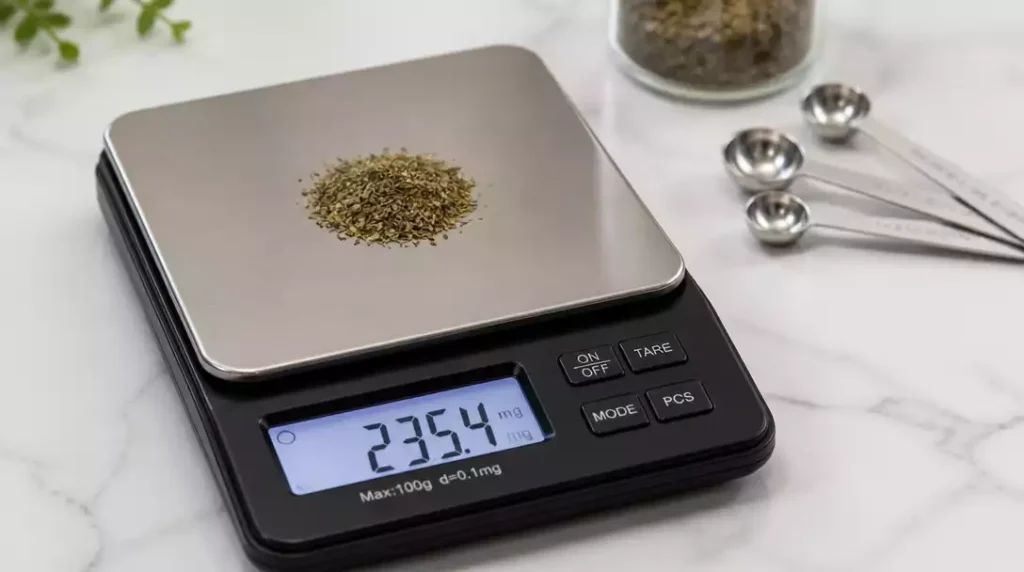
A milligram scale is a precision instrument that can measure weights as small as one milligram. Unlike standard kitchen scales, these devices are designed to provide the highest level of accuracy. They often use advanced technology to detect even the slightest changes in weight, making them indispensable for anyone needing precise measurements.
- Measures weights in milligrams
- High precision for accurate results
- Essential in laboratories and specialized cooking
When using a milligram scale, it’s essential to consider factors like calibration and the environment in which you’re weighing items. This ensures that you get the right measurements every time!
Importance of Milligram Measurement in Various Fields
The ability to measure in milligrams is crucial across multiple industries. In pharmaceuticals, for example, the correct dosage can mean the difference between effective treatment and dangerous side effects. Similarly, in culinary arts, precise measurements can impact the flavor and texture of dishes. If you’re curious about how other scales work, you might be interested in learning how a food scale works.
- Pharmaceuticals: for accurate medication dosages
- Culinary arts: ensuring perfect recipes
- Laboratories: for scientific experiments requiring precision
These examples illustrate just how pivotal milligram measurements are, not just for professionals but also for enthusiasts who want to ensure the best results in their work.
Types of Milligram Scales: Digital vs. Analytical Balance
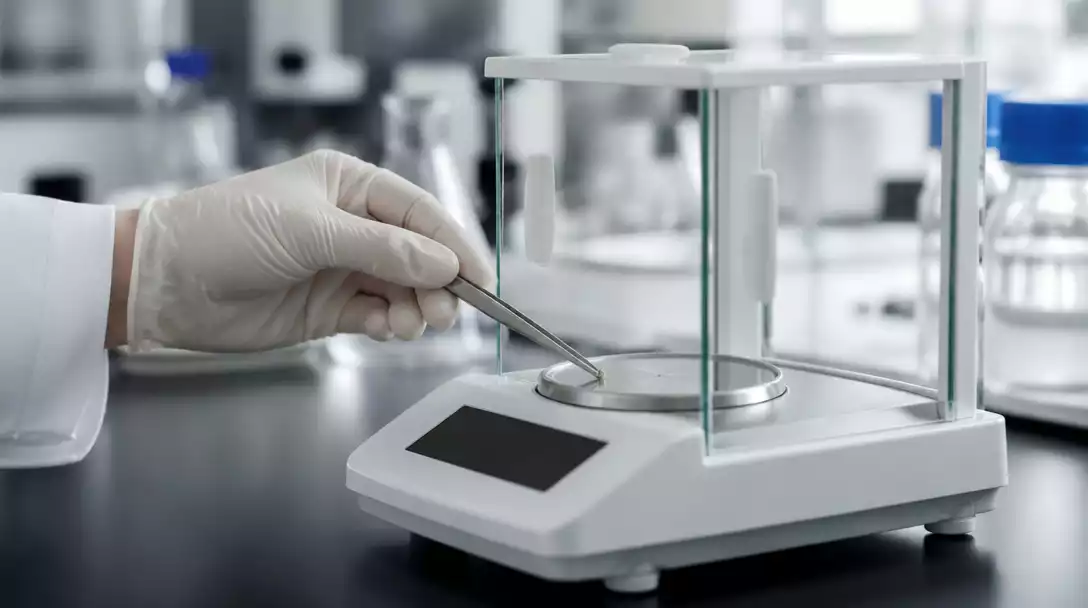
When choosing a milligram scale, you’ll generally encounter two main types: digital scales and analytical balances. Digital scales are user-friendly and offer quick readings, ideal for home use or casual applications. On the other hand, analytical balances provide the utmost accuracy and are typically found in laboratory settings.
- Digital Scales: Easy to use, suitable for everyday tasks
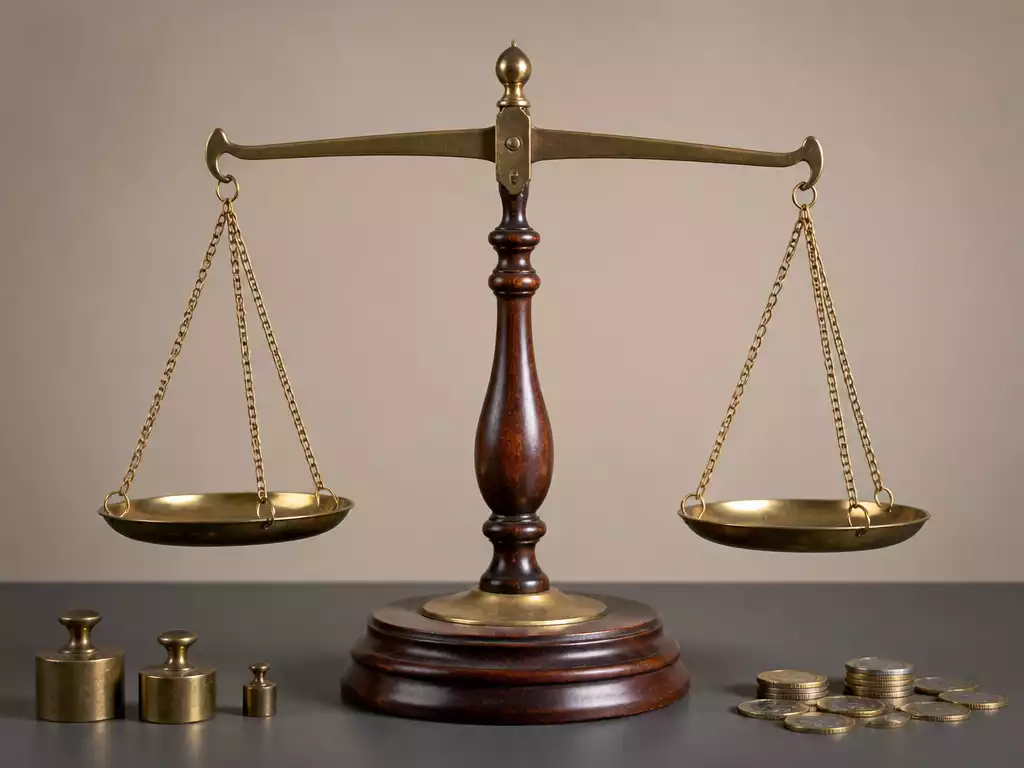
- Analytical Balances: High precision, used in scientific research
Both types have their specific advantages, and selecting the right one depends on your individual needs. If you require extreme precision, an analytical balance is likely the way to go, but for general use, a digital milligram scale may suffice perfectly!
Pro Tip
Did you know? Regularly calibrating your milligram scale can significantly improve its accuracy and reliability. Even small changes in the environment, such as temperature and humidity, can affect scale performance. Make it a habit to check the calibration before each use, especially in critical applications!
Troubleshooting Your Milligram Scale: Common Issues and Solutions
Having trouble with your milligram scale can be frustrating, especially when you rely on it for precise measurements. In my experience, these scales are generally reliable, but they can encounter some common issues. Let’s dive into troubleshooting some of those pesky problems!
What to Do If Your Scale Gives Unstable Readings
If your scale is producing unstable readings, it can be quite alarming. But don’t worry! There are a few simple steps you can take to resolve this issue.
- Ensure the scale is on a stable, flat surface.
- Check if the scale is level using the built-in leveling bubble.
- Allow the scale to warm up if it’s been in a cold environment.
- Make sure there are no drafts or vibrations nearby affecting the readings.
By following these tips, you should be able to pinpoint the cause of the unstable readings and get your milligram scale back to functioning properly!
Addressing Calibration Problems and Misreadings
Calibration issues can be a major source of frustration for scale users. If you’re encountering misreadings, it’s vital to recalibrate your scale. For more detailed instructions on maintaining accuracy, you might want to learn how to calibrate a digital scale.
- Use a certified calibration weight that matches the scale’s capacity.
- Follow the manufacturer’s instructions for recalibration procedures.
- Regularly check the scale’s calibration, especially after moving it.
Taking the time to ensure your scale is calibrated correctly will help maintain accuracy in your measurements. Trust me, it’s worth the effort!
Identifying and Resolving Scale Errors
Every milligram scale can display errors from time to time. Recognizing these errors is the first step to resolving them. Here are some common errors and how to fix them!
- “ERR” or “E” on the display: This usually indicates a calibration error; recalibrate your scale.
- “LO” on the display: This signifies low battery; change the batteries immediately.
- Inconsistent readings: Clean the weighing platform and recheck the level.
By keeping these error messages in mind, you can quickly identify the problem and find a solution, ensuring your milligram scale remains reliable!
When to Use a Milligram Scale: Practical Applications and Recommendations
Deciding when to use a milligram scale can significantly impact the accuracy of your work. Whether you are in the kitchen or a lab, knowing when to reach for your scale is key!
Understanding Different Scale Types and Their Uses
Not all milligram scales are created equal! Each type has its specific uses, and recognizing which one you need is essential.
- Digital Milligram Scales: Great for everyday use, especially in kitchens and crafts.
- Analytical Balances: More precise, ideal for scientific labs and research.
- Portable Scales: Handy for on-the-go measurements, perfect for fieldwork.
Identifying the right type for your needs will enhance your measurement accuracy and efficiency.
Is a Milligram Scale Necessary for Your Needs?
Before investing in a milligram scale, it’s essential to assess whether it’s necessary for your specific applications. Here are a few scenarios where having one might be beneficial:
- When precise ingredient measurements are crucial in baking or cooking.
- For accurate chemical measurements in scientific experiments.
- When you need to weigh small quantities in herbalism or crafting.
Taking the time to determine your needs will help you make informed decisions and ultimately lead to better results!
Practical Applications of Milligram Scales in Laboratories and Kitchens
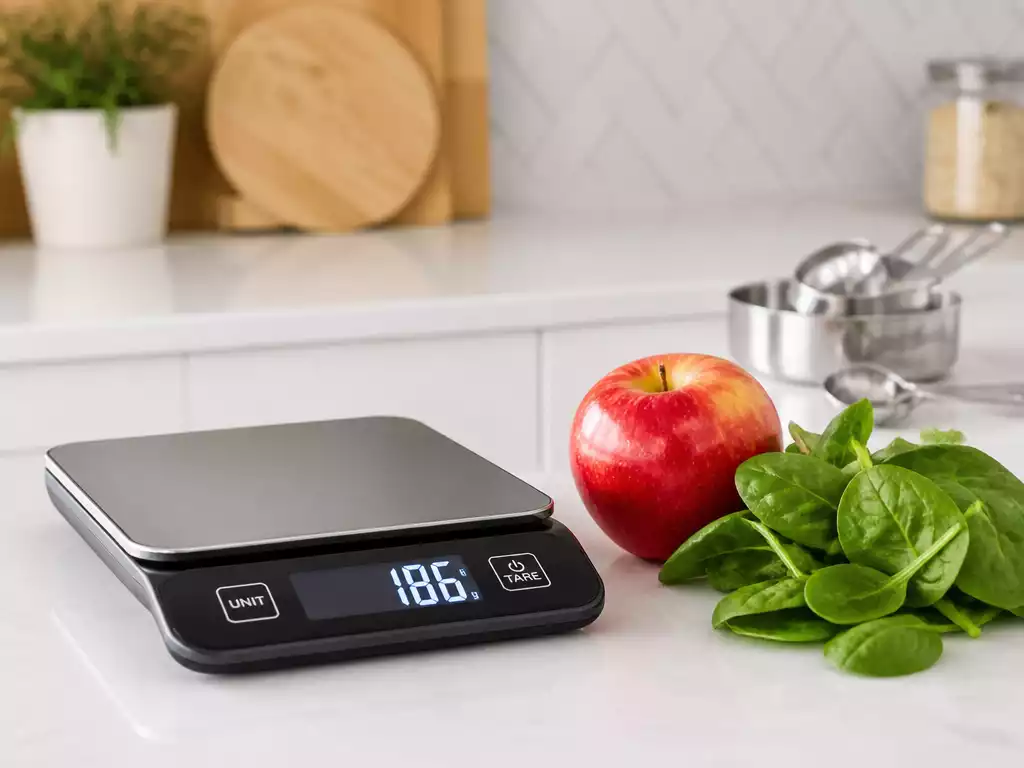
Milligram scales find their place in various domains, from laboratories to kitchens. Understanding these applications can help maximize their utility! For instance, understanding how to read a kitchen scale can be helpful for culinary applications.
- In laboratories, they are used for weighing chemicals and reagents accurately.
- In kitchens, they’re perfect for measuring spices, additives, or medicines.
- For home crafting, they ensure precise amounts of materials like resin or paint.
Regardless of your field, a milligram scale is a valuable tool that can enhance your precision and efficiency in achieving desired outcomes.
Frequently Asked Questions About Milligram Scales
Q1: What is the primary function of a milligram scale?
A1: A milligram scale is a precision instrument designed to measure weights as small as one milligram, providing highly accurate readings crucial for various fields.
Q2: Why are milligram measurements important in pharmaceuticals?
A2: In pharmaceuticals, precise milligram measurements are vital for ensuring correct medication dosages, which can significantly impact treatment effectiveness and patient safety.
Q3: What’s the difference between a digital milligram scale and an analytical balance?
A3: Digital milligram scales are user-friendly and suitable for everyday tasks, while analytical balances offer extreme precision and are typically used in scientific research and laboratory settings.
Q4: What should I do if my milligram scale gives unstable readings?
A4: If your scale gives unstable readings, ensure it’s on a stable, flat surface, check its level, allow it to warm up, and eliminate any drafts or vibrations in the vicinity.
Q5: How often should I calibrate my milligram scale?
A5: It’s recommended to calibrate your milligram scale regularly, especially before critical applications or after moving it, to maintain accuracy and reliability.
Recap of Key Points
Here is a quick recap of the important points discussed in the article:
- Milligram scales offer high precision for accurate measurements, essential in fields like pharmaceuticals and culinary arts.
- There are two main types of milligram scales: digital scales for everyday use and analytical balances for scientific research.
- Ensure proper calibration and stable conditions to avoid common issues like unstable readings and misreadings.
- Identify the right scale type based on your specific needs, whether for baking, lab work, or crafting.
- Regular maintenance and understanding error messages can help in troubleshooting and maintaining scale accuracy.