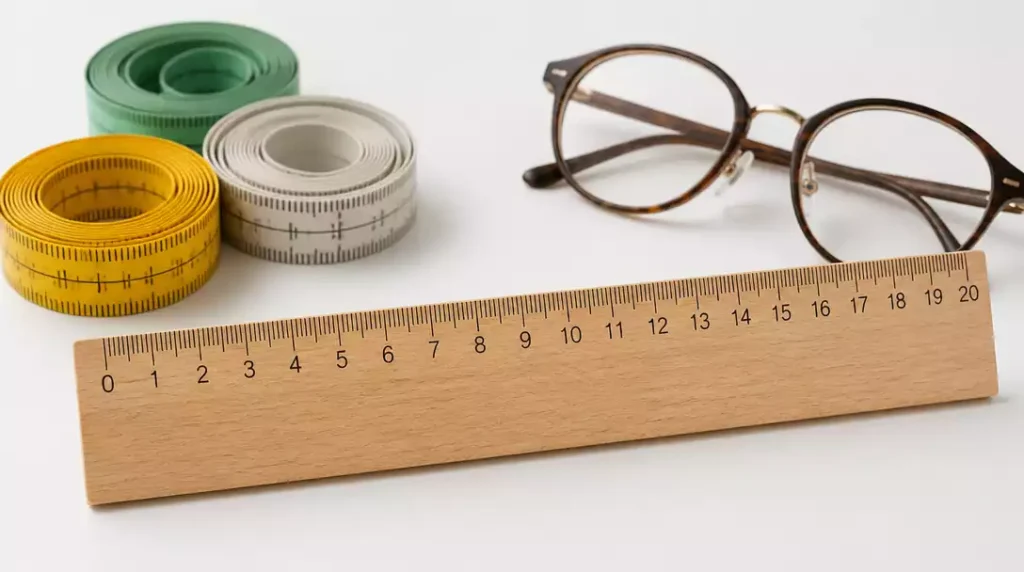
Height measurement is more than just a number; it’s a key indicator of health and growth. Have you ever wondered how a simple height scale can influence health assessments and development tracking? Here’s what you will discover about the importance of accurate height measurements.
What You Will Learn
- Height scales are vital in various settings, including schools and gyms, impacting health assessments and growth tracking.
- Centimeters are the preferred unit of measurement globally, providing clarity and precision in height tracking.
- Proper techniques and body positioning are crucial for accurate height measurements, ensuring consistency and reliability.
- Understanding measurement practices across different contexts helps interpret height data effectively for health and fitness evaluations.
- Embracing height-related statistics can inform health initiatives and promote better awareness of growth trends in populations.
Height Scales: What You Need to Know
Height scales are essential tools we encounter in various settings, from schools to gyms. They play a crucial role in accurately measuring a person’s height, which can affect everything from health assessments to growth tracking in children. It’s not just about knowing how tall someone is; it’s about understanding the implications that height can have on overall well-being!
In my experience as a professional in this field, I’ve seen how important having precise height measurements is. Whether you’re a parent wanting to track your child’s growth or a fitness enthusiast monitoring your progress, a reliable height scale can make all the difference.
The Basics of Height Measurement in Centimeters
When it comes to height measurement, centering around centimeters is the most common practice globally. This unit of measurement allows for greater precision, especially when tracking small changes over time. For example, a height scale might show someone as 170 cm, which provides a clearer picture than just saying they’re around 5’7″.
- Centimeters provide a familiar metric for most medical professionals.
- Using centimeters can help avoid confusion that may arise with different measurement systems.
- Height measurement in centimeters is widely accepted in research and health studies.
In our clinics, we often emphasize the importance of using centimeters to ensure everyone understands their height in a standardized way. This consistency is vital, especially when comparing measurements across different contexts.
What is a Height Scale and How Does it Work?
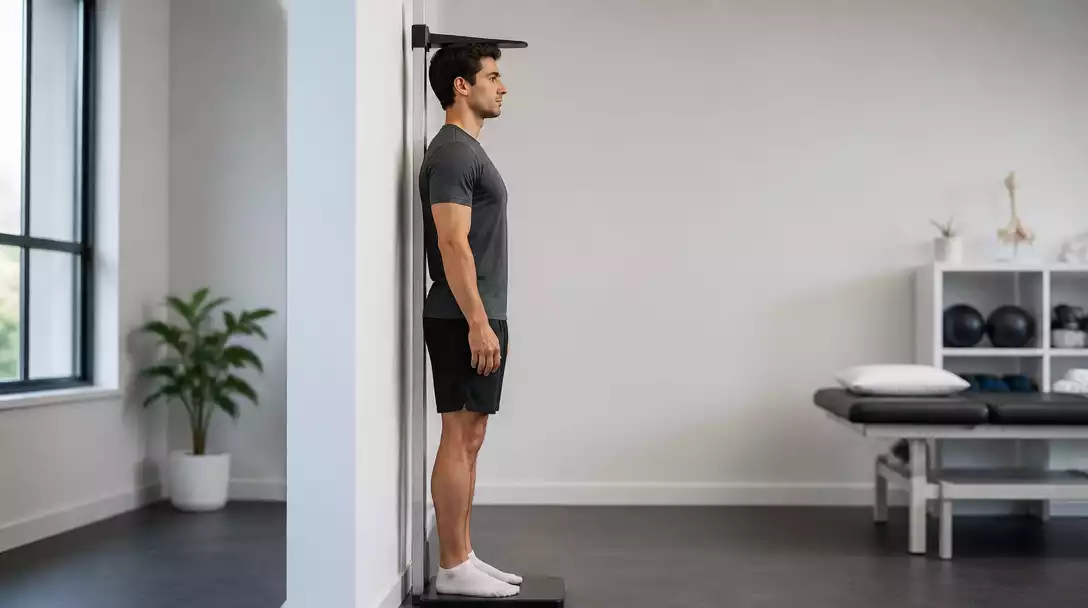
A height scale is a device designed specifically to measure a person’s height accurately. One of the most common types is the stadiometer, which features a vertical measuring rod and a sliding horizontal arm. Users simply stand straight against the scale, and the arm is lowered until it rests on the highest point of their head!
In my practice, I always ensure that users know how to operate the stadiometer correctly. It’s straightforward, but understanding how it works helps everyone get accurate readings every time. A solid grasp of this tool contributes significantly to reliable height assessments.
Height Standards: Understanding Measurement Practices Across Different Contexts
Height measurement practices can vary widely depending on the setting. For instance, schools often measure children’s height as part of health assessments, while clinics might require more precise measurements for medical evaluations. Similarly, fitness assessments may focus on measuring height regularly to monitor progress.
- Schools often measure height annually to track growth and development.
- Clinics may require precise measurements for BMI calculations and health check-ups.
- In fitness settings, height can impact exercise regimens and performance assessments.
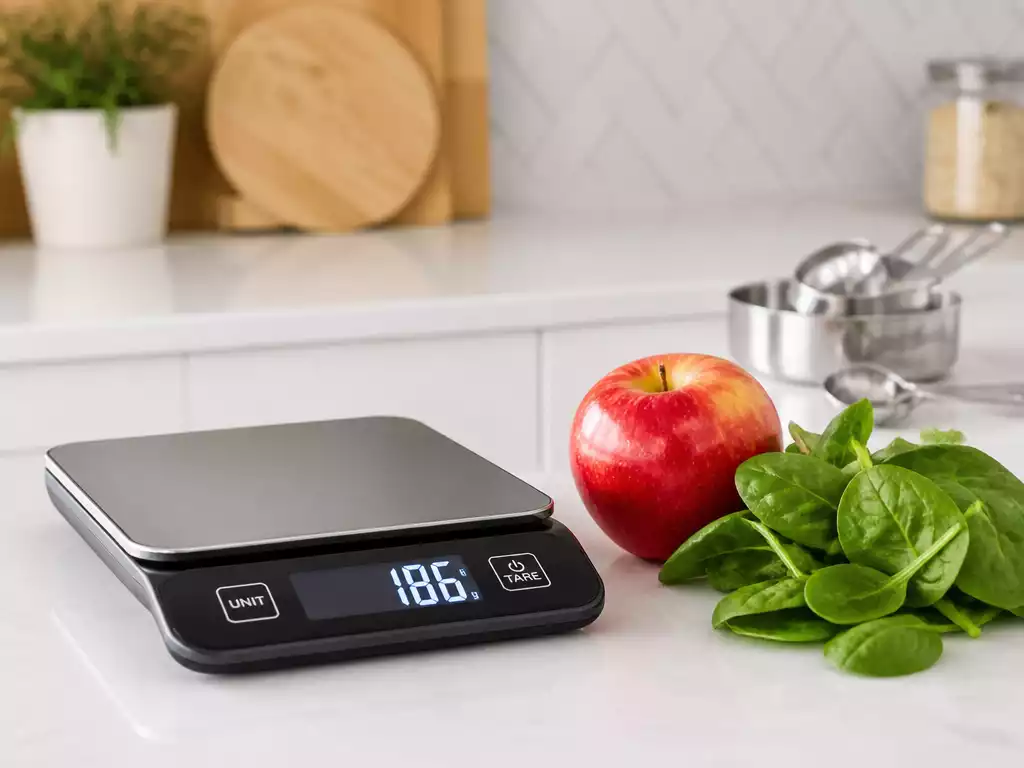
Understanding these practices ensures that we can communicate effectively with clients about their height measurements and their significance in various circumstances. So, whether you’re measuring in a school or a gym, knowing the context can lead to better interpretations of the data! For example, understanding how to read a scale accurately is as crucial for a kitchen scale as it is for a height scale, ensuring you always get the right measurements for any purpose.
Pro Tip
Did you know? To ensure the most accurate height measurement, always measure at the same time of day. Height can fluctuate slightly throughout the day due to factors like gravity and spinal compression, so morning measurements are often the most reliable.
Summarizing Key Takeaways for Accurate Height Measurement
Recap of Proper Techniques and Best Practices
As we wrap up our exploration of height measurement, it’s essential to highlight the key techniques that lead to accurate readings. First and foremost, ensure you’re familiar with the increments on your height scale, as they can vary between whole centimeters and millimeters.
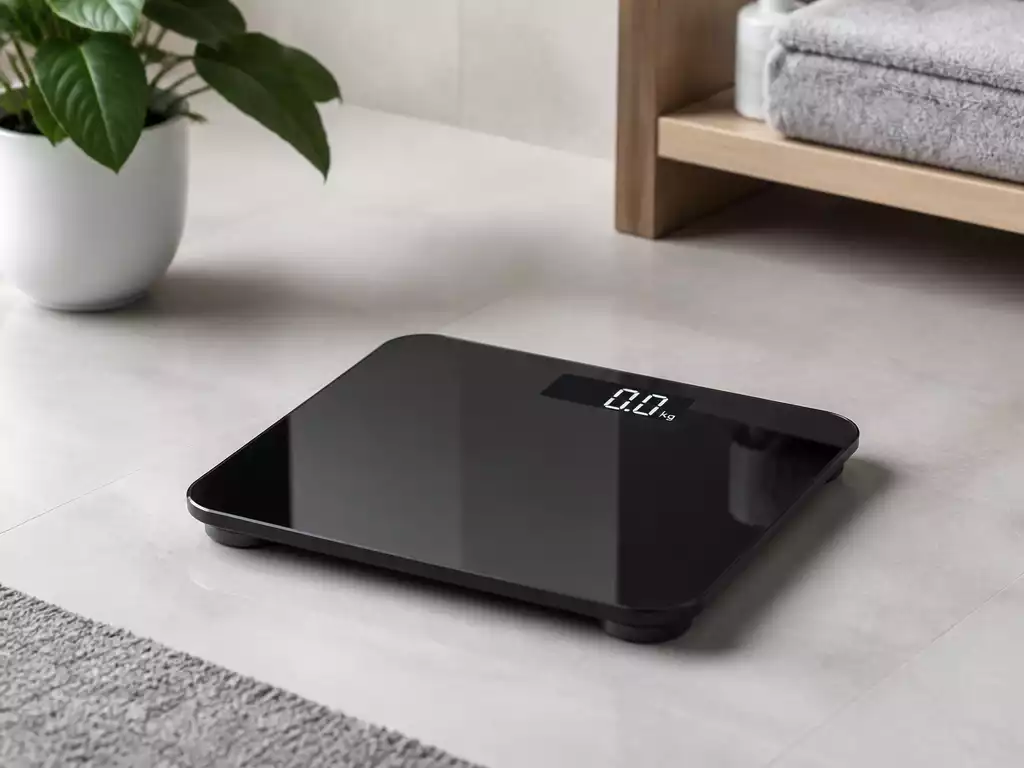
Another crucial aspect is maintaining proper body positioning during the measurement process. Stand up straight, with heels together, and make sure that your head is positioned correctly. By adhering to these best practices, you’ll achieve consistent and reliable results. Just as it’s important to know how to properly stand on a scale for weight, correct posture is vital for height measurements.
- Know how to identify whole centimeters and millimeters on the scale.
- Stand upright with your back against the wall and heels together.
- Avoid any obstructions like hair that might affect measurement accuracy.
Implementing these practices will not only enhance your measurement accuracy but also build confidence in your ability to use a height scale effectively.
Engaging with Your Measurement Journey
Common Questions and Answers
Many people have questions about height measurement, and it’s great to see so much interest! Here are some frequently asked questions to help clarify any uncertainties:
- What if I’m not exactly at eye level? Make sure to kneel or lower yourself to read the scale properly.
- Can I measure height on a carpet? It’s best to measure on a firm, flat surface to ensure accuracy.
- How do I convert centimeters to inches quickly? Divide the centimeters by 2.54 for a quick conversion!
Addressing these questions allows us to engage with the common challenges faced during height measurements and reinforces the importance of knowing your tools and techniques.
Frequently Asked Questions (FAQs) About Height Measurement
- Q1: Why are height measurements important?
- A1: Height measurements are crucial for health assessments, tracking growth and development, calculating BMI, and informing public health initiatives.
- Q2: What unit of measurement is most commonly used for height globally?
- A2: Centimeters are the preferred and most precise unit for height measurement worldwide, especially in medical and research settings.
- Q3: What is a stadiometer?
- A3: A stadiometer is a common device used to measure height accurately, featuring a vertical rod and a sliding horizontal arm.
- Q4: How can I ensure an accurate height measurement?
- A4: For accuracy, stand straight with heels together, ensure your head is positioned correctly, and measure at the same time of day, ideally in the morning. Always measure on a firm, flat surface.
- Q5: How do height measurements vary across different settings?
- A5: Measurement practices vary; schools track growth, clinics require precise data for medical evaluations, and fitness centers use height for exercise and performance assessments. Understanding the context helps interpret the data effectively.
Encouragement to Apply These Techniques
I’m excited for you to get started on your measurement journey! It’s all about practice. The more you measure, the more comfortable you’ll become with the process. Remember, accuracy matters, and you’ll find that with repetition, your skills will improve.
Don’t hesitate to pull out that height scale and measure your family or friends. It’s a fun way to apply what you’ve learned and verify your understanding of the measurement process!
Exploring Height-Related Statistics and Their Importance
Height measurement isn’t just a number; it provides valuable insights into health and growth. For example, data collected from height measurements can help identify growth patterns in children or assess overall health in adults.
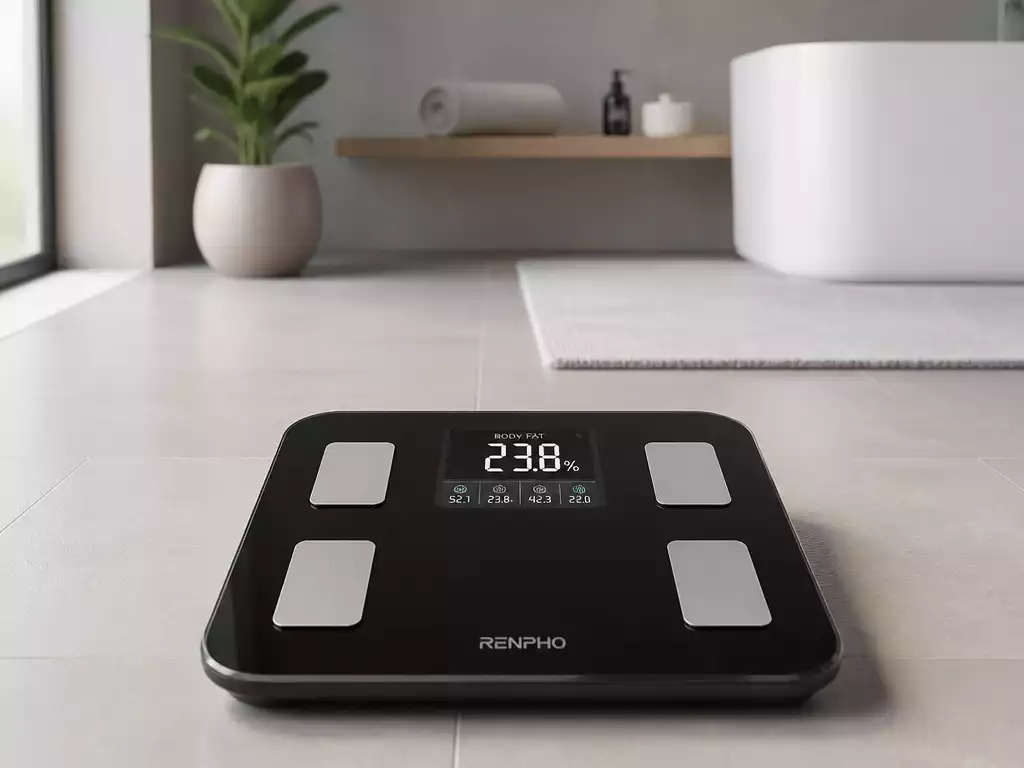
Statistics can reveal trends in population health and inform decisions about community health initiatives. By understanding the significance of height data, you can appreciate how important accurate measurements are in making a difference! Just as understanding height data is crucial, knowing how a body fat scale works can provide additional insights into overall health and body composition.
- Height data can indicate nutritional status in children.
- Tracking height over time helps monitor growth patterns.
- Health assessments often rely on height for BMI calculations.
Embracing these insights not only enriches your understanding but also highlights the critical role that accurate height measurement plays in various fields, from healthcare to education.
Recap of Key Points
Here is a quick recap of the important points discussed in the article:
- Height scales are crucial for accurate height measurement, impacting health assessments and growth tracking.
- Using centimeters provides precision and helps avoid confusion with different measurement systems.
- Proper positioning and understanding the height scale are essential for accurate readings.
- Height measurement practices vary across settings like schools, clinics, and fitness centers, each serving different purposes.
- Engagement with the measurement process enhances accuracy and builds confidence in using height scales.
- Height data is valuable for assessing growth patterns and overall health, impacting community health initiatives.