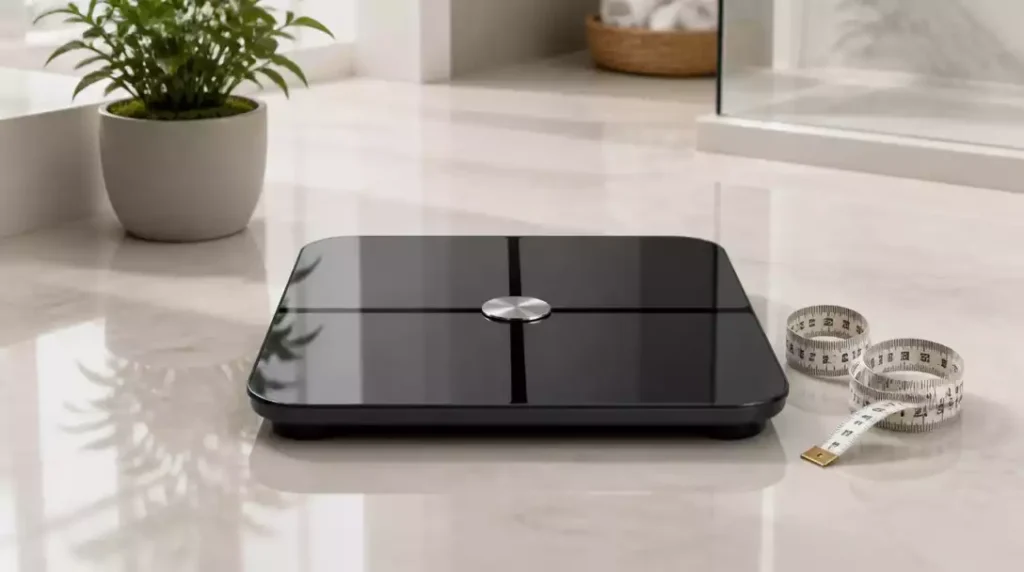
Deciding whether to repair or replace your bathroom scale doesn’t have to be a daunting task. By understanding the common issues and knowing when to take action, you can keep your weight tracking reliable and accurate.
What You Will Learn
- Recognize the signs indicating your bathroom scale may not be functioning correctly.
- Identify common problems such as a scale that won’t turn on or inaccurate readings.
- Learn when to consider repairing versus replacing your scale for effective weight management.
- Implement maintenance practices to prolong the life of your scale and ensure reliable performance.
Common Bathroom Scale Issues
It can be frustrating when your bathroom scale isn’t performing as expected. Many people rely on these devices for tracking their health and fitness progress. Let’s dive into some signs that indicate your bathroom scale might not be working correctly.
Identifying the issues early can save you time and trouble. Here are a few things to look for when your scale seems off:
- Scale won’t turn on
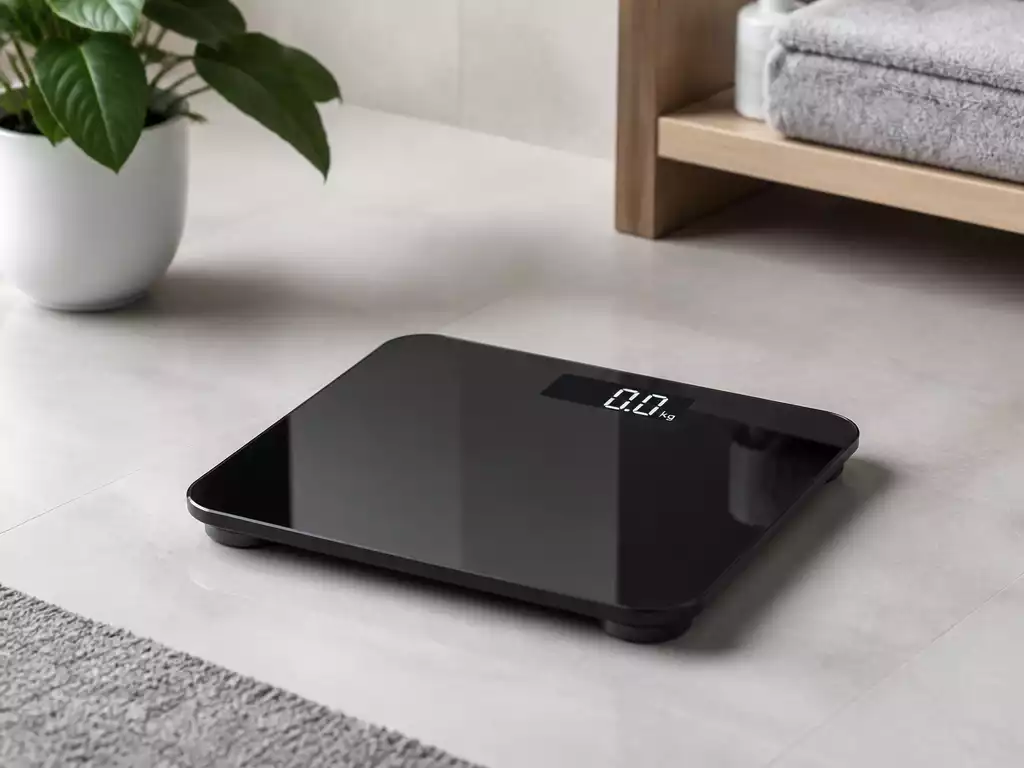
- Scale stuck at zero
- Inaccurate readings or fluctuating numbers
- Understanding weight measurement errors
Identifying the Signs: Why Your Bathroom Scale Might Not Work
When your scale doesn’t seem to function, it’s often a signal that something is wrong. Checking for obvious issues can help diagnose the problem quickly. Perhaps it’s a simple battery issue, or maybe it’s not placed correctly on the floor.
Being vigilant about these signs will help you maintain an effective and reliable tool for monitoring your weight. Always observe how your scale behaves during use.
Common Problems and Their Symptoms
Here are some of the most frequent problems you might encounter with your bathroom scale:
- Scale Won’t Turn On: This could indicate a dead battery or internal fault.
- Scale Stuck at Zero: If it won’t register your weight, it might be a calibration issue.
- Inaccurate Readings and Fluctuating Numbers: This often signals that the scale needs recalibration or is placed improperly.
- Understanding Weight Measurement Errors: Factors like surface type can impact readings.
Being aware of these common issues enables you to troubleshoot effectively. If your scale is stuck at zero or shows crazy numbers, it’s time to take action!
Scale Won’t Turn On
It’s one of the most common complaints I hear from my clients! If your scale won’t turn on at all, start by checking the battery. Sometimes, a simple battery replacement is all it takes. Be sure to use batteries that match your scale’s specifications! If you need to know how to change the battery in your bathroom scale, we have a detailed guide.
Another possible issue could be a malfunctioning power button. If pressing it doesn’t produce a response, there may be deeper issues at play.
Scale Stuck at Zero
Is your scale showing zero no matter what? This can be a sign that it needs to be reset or calibrated. Make sure it’s placed on a flat surface, as uneven ground can affect functionality. Proper placement is key for accurate readings!
If you notice this issue, try removing any objects from the scale and stepping on it again. If it remains stuck, it may need further troubleshooting.
Inaccurate Readings and Fluctuating Numbers
Inaccurate readings can derail your weight management efforts. If your scale fluctuates wildly, ensure it’s on a hard, flat surface. Many clients have found success by moving their scales to new locations in the bathroom.
Sometimes, these fluctuations can be due to recent changes in your routine, like hydration levels or recent meals. Keep that in mind when interpreting your results!
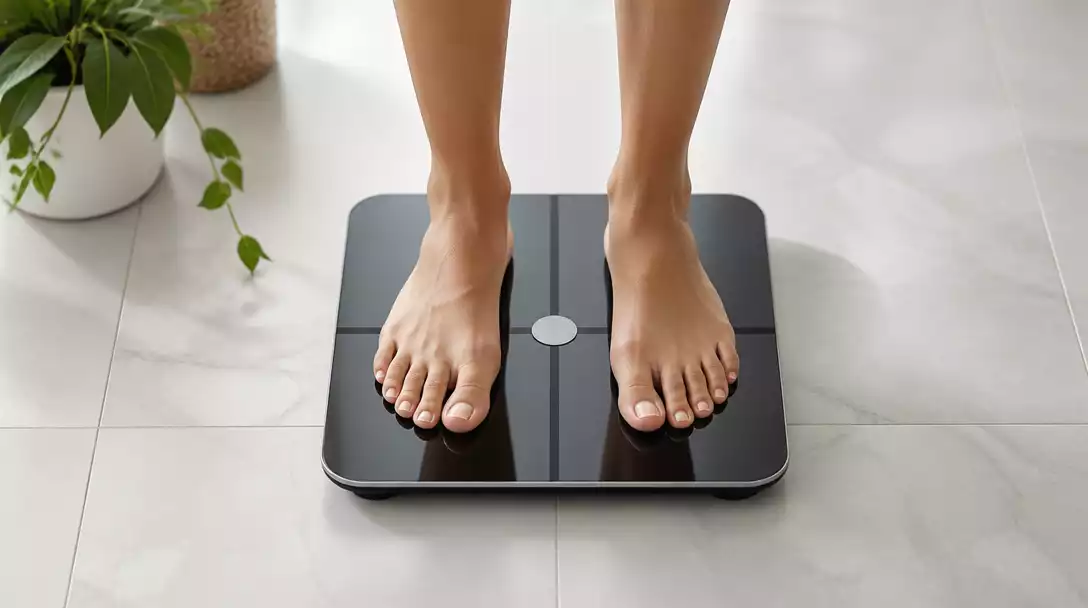
Understanding Weight Measurement Errors
Weight measurement errors can occur due to various factors, including the scale’s age, the surface it’s on, and how you’re standing on it. Always double-check to ensure you weigh yourself in similar conditions to compare results accurately.
Regularly maintaining your scale can avoid these measurement errors. My clients often appreciate the peace of mind that comes with knowing their scale is functioning correctly!
Pro Tip
Did you know? Regularly calibrating your bathroom scale can significantly enhance its accuracy. To do this, follow the manufacturer’s instructions, or simply weigh a known object to ensure your readings are consistent. Keeping your scale calibrated not only aids in tracking your weight more reliably but also extends the life of your device!
Evaluating Repair vs. Replacement: Making the Right Choice
Deciding whether to repair or replace your bathroom scale can be tricky. If you’ve invested in a quality scale, you might want to consider repairing it first. However, there are specific signs that indicate a replacement may be necessary. Keeping an eye on these can save you both time and money!
Here are some key indicators that it might be time to say goodbye to your trusty scale:
- Repeated inaccurate readings, despite troubleshooting efforts.
- Physical damage or wear that affects functionality.
- Old batteries that can’t hold a charge, even after replacement.
- Persistent connection issues in digital models, like erratic displays.
If your scale shows any of these signs, it might be a signal that a replacement is more cost-effective in the long run. Remember, a faulty scale can lead to frustrating inconsistencies in your weight tracking!
When Is It Time to Replace Your Bathroom Scale?
Timing is everything when it comes to replacing your scale. If you’ve been experiencing continuous issues, it’s crucial to evaluate your options. Here are some considerations to make:
- Age: If your scale is over five years old, it might be worth considering a new model.
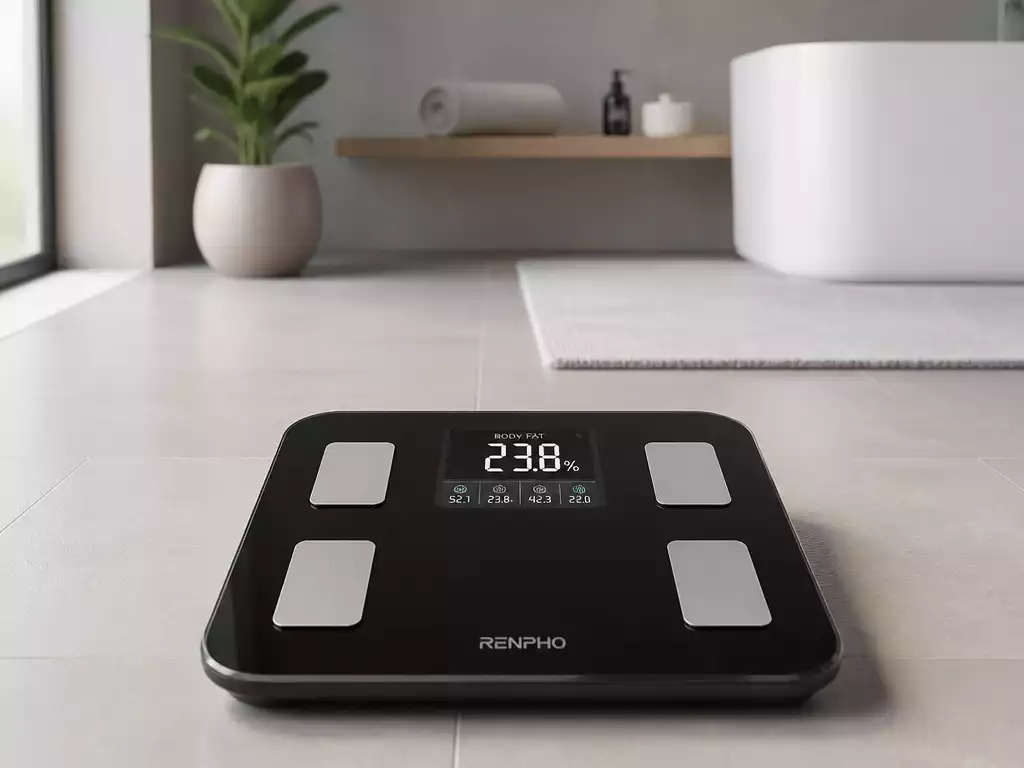
- Technology: Newer scales come with advanced features like Bluetooth connectivity and body composition analysis.
- Budget: Weigh the cost of repairs against purchasing a new scale with better accuracy and features.
By keeping these factors in mind, you can make a well-informed decision that meets your needs!
Cost-Effective Solutions for Long-Term Use
Even if you decide to repair your scale, there are cost-effective solutions that can help maintain its longevity. Here are some tips I often share:
- Regularly change batteries to avoid corrosion and malfunction.
- Keep your scale clean and free from moisture to prolong its life.
- Store your scale in a dry place to prevent damage from humidity.
Implementing these practical steps can save you from frequent replacements and ensure you always have a reliable device at hand!
Understanding Warranty Information and Return Policies
Before making a purchase, it’s essential to review the warranty information and return policies. Many scales come with warranties that can cover defects and issues. I always recommend checking:
- The length of the warranty period.
- What specific issues are covered under the warranty.
- The process for returns or exchanges if your scale doesn’t meet expectations.
Being informed about warranty details can provide peace of mind and might save you from unexpected expenses!
Frequently Asked Questions About Bathroom Scales
- Q: My bathroom scale won’t turn on. What should I do?
- A: First, check the batteries and replace them if necessary, ensuring they match your scale’s specifications. If it still doesn’t turn on, there might be a malfunctioning power button or an internal fault.
- Q: Why is my bathroom scale stuck at zero?
- A: A scale stuck at zero often indicates a calibration issue or improper placement. Make sure it’s on a hard, flat surface. Try removing any objects from the scale and stepping on it again to reset it.
- Q: How can I improve the accuracy of my bathroom scale?
- A: Ensure your scale is placed on a hard, flat surface, away from carpets or uneven tiles. Regularly calibrate it according to the manufacturer’s instructions, and weigh yourself under consistent conditions to compare results accurately. Also, consider how to clean a weighing scale to maintain its functionality.
- Q: When should I replace my bathroom scale instead of repairing it?
- A: Consider replacing your scale if it has repeated inaccurate readings despite troubleshooting, significant physical damage, persistent battery issues even after replacement, or erratic displays in digital models. Generally, if your scale is over five years old or if the cost of repair approaches the cost of a new, more advanced model, replacement might be more cost-effective.
- Q: What maintenance tips can extend the life of my bathroom scale?
- A: To prolong your scale’s life, regularly change its batteries to prevent corrosion, keep it clean and free from moisture, and store it in a dry place. These practices help ensure consistent performance and prevent premature wear.
Recap of Key Points
Here is a quick recap of the important points discussed in the article:
- Check for common issues: scale won’t turn on, stuck at zero, or gives inaccurate readings.
- Ensure proper placement and condition of the scale for accurate measurements.
- Evaluate whether to repair or replace based on age, functionality, and repeated issues.
- Implement cost-effective maintenance practices for longevity, such as regular battery changes and keeping the scale clean.
- Review warranty and return policies before purchasing to avoid unexpected expenses.