In the realm of precision and hygiene, the maintenance of your weighing scale is not just an option; it’s a necessity. Regular upkeep ensures you achieve accurate measurements and extend the life of your equipment.
What You Will Learn
- The importance of scale maintenance for accuracy and longevity.
- How to clean different types of scales effectively without causing damage.
- Key features of scales that influence maintenance strategies.
- Essential do’s and don’ts to prolong the life of your weighing scale.
- Creating a long-term care strategy to ensure reliable performance.
Importance of Scale Maintenance
Maintaining your weighing scale is crucial for accurate measurements and overall longevity. A clean scale not only provides reliable readings but also helps in promoting hygiene, especially in environments like laboratories or clinics. Just like I ensure my equipment is in top shape, keeping your scale spotless plays a major role in achieving consistent results!
Ensuring that you follow a proper maintenance routine also prevents wear and tear, saving you costly repairs down the line. Plus, who doesn’t want their equipment to look sharp? Trust me, it makes a difference!
Why Keeping Your Weighing Scale Clean Matters
Cleaning your scale is vital for several reasons:
- Accuracy: Dust and residue can lead to incorrect readings.
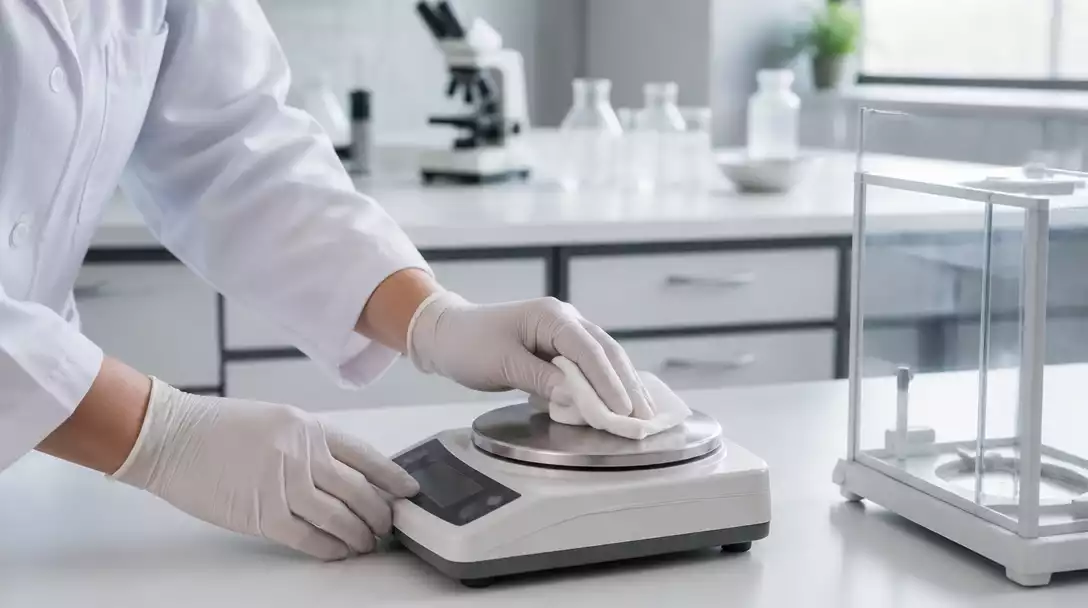
- Hygiene: In medical or food-related settings, cleanliness is essential to prevent contamination.
- Longevity: Regular maintenance helps extend the life of your scale.
When I work in my shop, I always make it a point to clean my scales regularly, ensuring they remain a reliable asset for my business. A little effort goes a long way in maintaining accuracy and safety! For more insights on precision, consider reading about the ultimate guide to precision scales.
Common Types of Weighing Scales and Their Cleaning Needs
Various types of weighing scales exist, each with unique cleaning requirements:
- Mechanical Scales: These require gentle wiping and should not be immersed in water.
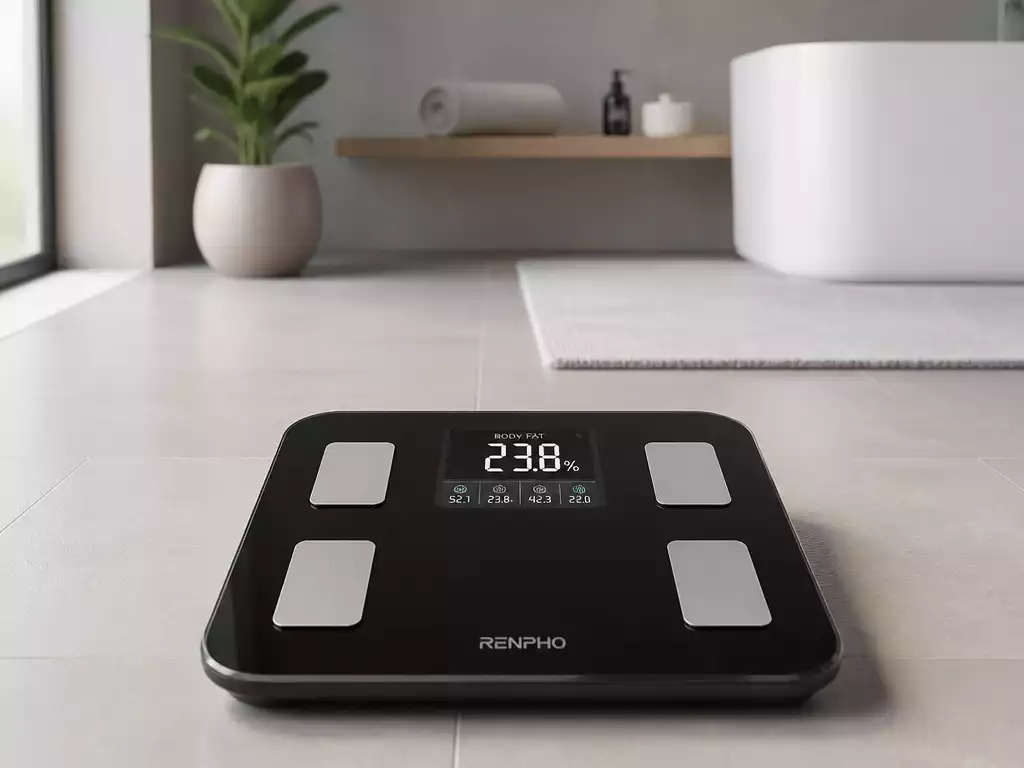
- Digital Scales: Sensitive to moisture; thus, a damp cloth is best for cleaning.
- Industrial Scales: Often more robust but may still need specialized cleaners for heavy-duty use.
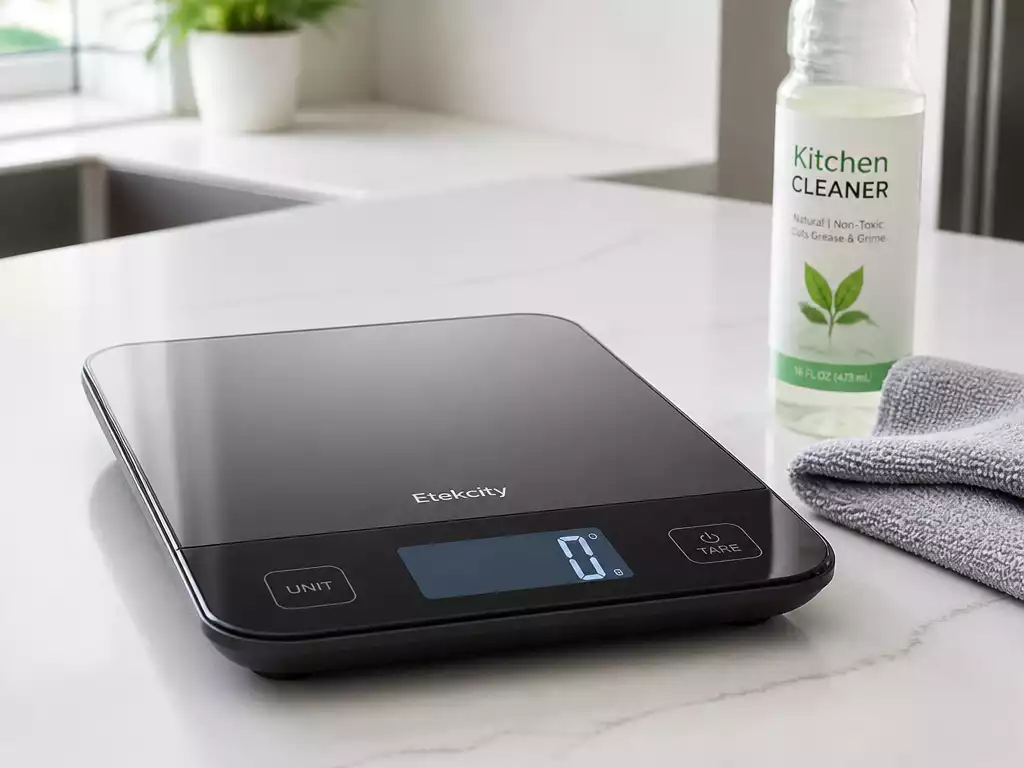
Knowing the right method for each scale type is essential. For instance, I have seen many people accidentally damage their digital scales by using harsh chemicals — a costly mistake! Proper care can truly enhance the longevity and reliability of your digital kitchen scale.
Key Features of Digital and Mechanical Scales that Affect Maintenance
Understanding the features of your scale can help you tailor your maintenance approach:
- Display Type: Digital scales often have LCD screens that can be damaged by excess moisture.
- Loading Capacity: Heavier scales may require more robust cleaning methods due to accumulated grime.
- Calibration: Regularly check calibration as cleaning can sometimes affect accuracy.
For example, I always double-check the calibration after a deep clean — it’s a simple step that ensures my scales remain precise. A few thoughtful practices can make a world of difference! If you’re using your scale for cooking, you might also be interested in the best digital scales for cooking.
We Want to Hear From You!
What cleaning routine do you follow for your weighing scale? Share your thoughts and any tips you might have in the comments below:
Frequently Asked Questions About Scale Maintenance
Here are some common questions regarding the maintenance of weighing scales:
- Q: How often should I clean my weighing scale?
- A: The frequency depends on usage. For daily use, a weekly clean is recommended. For less frequent use, monthly cleaning may suffice.
- Q: Can I use harsh chemicals to clean my scale?
- A: No, avoid harsh chemicals as they can corrode sensitive components and damage the scale’s surfaces. Stick to mild detergents and eco-friendly cleaners.
- Q: Is it safe to immerse a digital scale in water for cleaning?
- A: Absolutely not. Digital scales are sensitive to moisture and immersion can cause irreversible damage. Use a damp cloth instead.
- Q: Why is calibration important after cleaning?
- A: Cleaning can sometimes inadvertently affect a scale’s accuracy. Checking calibration afterward ensures that your measurements remain precise and reliable.
- Q: What are the key differences in cleaning mechanical vs. digital scales?
- A: Mechanical scales generally require gentle wiping and should not be immersed. Digital scales are more sensitive to moisture, so a damp cloth is preferred, and care should be taken with LCD screens.
Recap of Key Cleaning Takeaways for Weighing Scales
Keeping your weighing scale in top-notch condition is crucial for accurate readings and longevity. To help you remember the essential aspects of scale maintenance, I’ve compiled some key do’s and don’ts that can guide you through the cleaning process.
Essential Do’s and Don’ts for Scale Maintenance
- Do: Use mild detergents for regular cleaning to prevent damage.
- Don’t: Avoid harsh chemicals that could corrode sensitive components.
- Do: Regularly check the batteries and replace them as needed.
- Don’t: Never immerse your scale in water; it can cause irreversible damage.
- Do: Consider eco-friendly cleaners to maintain sustainability.
- Don’t: Refrain from using abrasive materials that could scratch surfaces.
Following these simple guidelines can extend the life of your scale while ensuring it’s always ready for use! I always recommend keeping these reminders handy, especially if you use your scale frequently in a business setting.
Creating a Long-Term Care Strategy for Your Weighing Scale
To ensure your scale remains accurate and reliable, it’s beneficial to create a long-term maintenance plan. Start by establishing a regular cleaning schedule based on how often you use it. For instance, if you’re weighing items daily, aim for a weekly clean. If it’s used less frequently, a monthly clean may suffice.
- Weekly: Wipe down the surface and clean around buttons.
- Monthly: Perform a deep clean of components like pans and drip trays.
- Quarterly: Inspect for any signs of wear or damage and replace batteries if needed.
This proactive approach not only keeps your scale in excellent condition but also ensures it delivers precise measurements every time. I’ve found that a consistent routine makes all the difference, especially for businesses that rely on accuracy day in and day out!
Recap of Key Points
Here is a quick recap of the important points discussed in the article:
- Regular maintenance of weighing scales is crucial for accurate measurements and longevity.
- Cleaning scales prevents dust and residue, ensuring accuracy and hygiene.
- Different types of scales require tailored cleaning methods to avoid damage.
- Always check calibration after cleaning to maintain precision.
- Establish a long-term care strategy with a regular cleaning schedule.