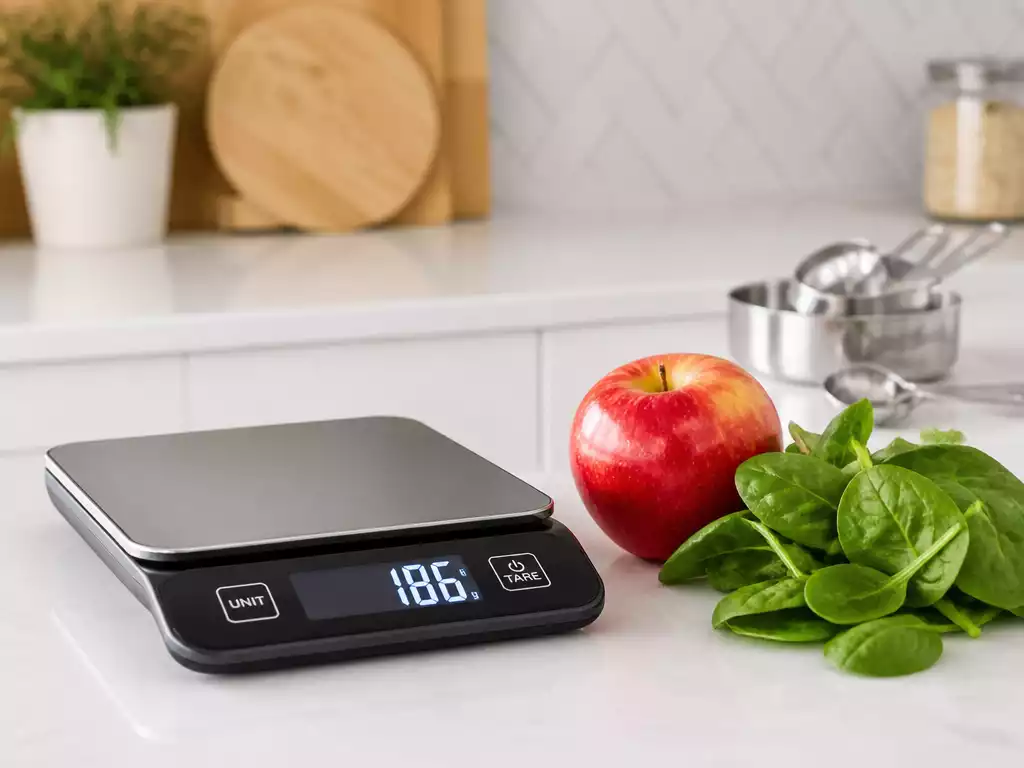
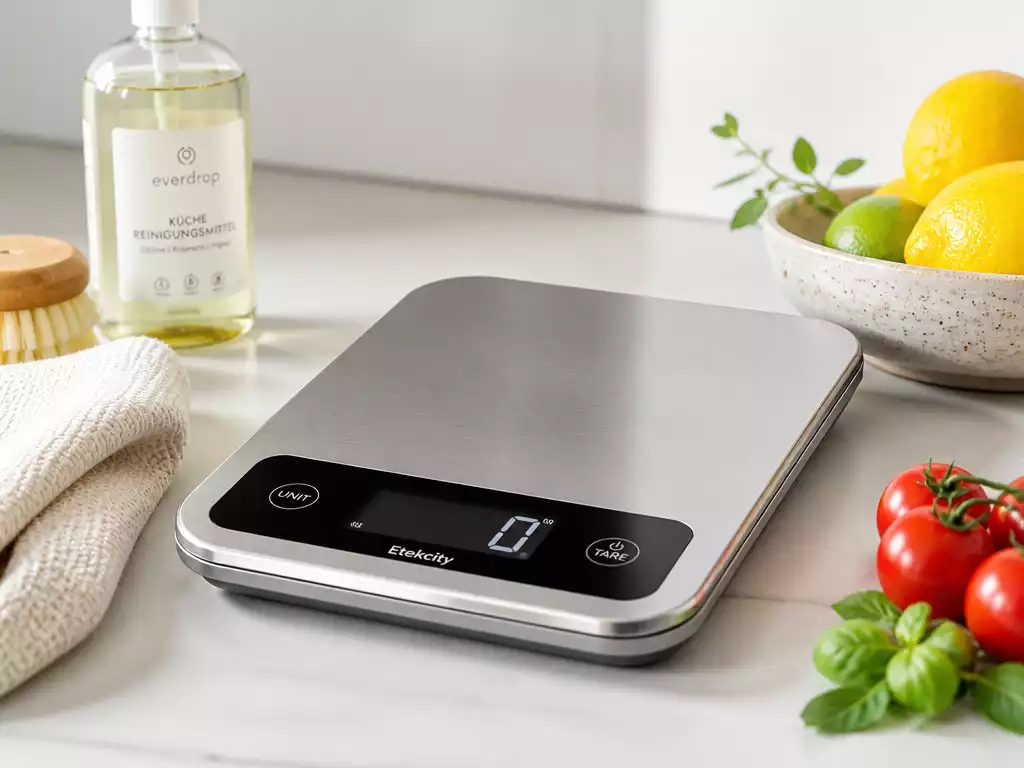
Have you ever considered how a clean kitchen scale can elevate your cooking? Maintaining this simple tool not only ensures accurate measurements but also contributes to food safety, transforming your culinary outcomes!
What You Will Learn
- Regular cleaning of your kitchen scale prevents cross-contamination, enhancing food safety.
- Accurate weight measurements are crucial for consistent recipe outcomes.
- Common myths, such as using harsh chemicals for cleaning, can damage your scale’s performance.
- Implementing a daily cleaning checklist ensures your scale remains in top condition.
- Routine maintenance extends the lifespan of your kitchen scale, saving you money in the long run.
Importance of Cleaning Your Kitchen Scale
A clean kitchen scale plays a critical role in our food preparation and safety processes. When we weigh ingredients accurately, we ensure that our recipes turn out as intended! Additionally, a clean scale helps prevent cross-contamination, keeping our meals safe and healthy.
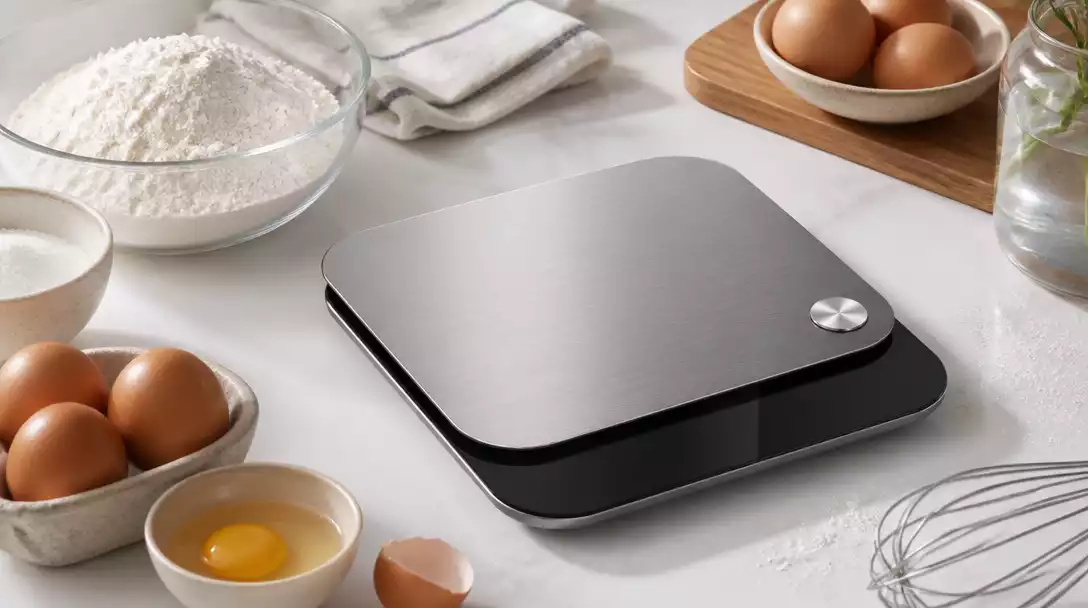
Think about it: if you’re measuring flour on a scale that still has traces of last week’s sugar, you might end up with an unexpected taste in your baked goods. Regular cleaning is essential to maintain the integrity of your cooking, and trust me, it makes a noticeable difference! You might also be interested in how to choose the right kitchen scale for baking to further enhance your culinary precision.
Why Maintaining a Clean Kitchen Scale Matters
Maintaining a clean kitchen scale is not just about aesthetics; it’s about ensuring food safety and achieving accurate measurements. A dirty scale can harbor bacteria and other contaminants that can affect our health. Moreover, grime and residue can interfere with the scale’s performance, leading to inaccurate readings.
- Prevents cross-contamination between ingredients.
- Ensures accurate weight measurements for consistent recipes.
- Extends the lifespan of your kitchen scale.
These factors highlight why cleaning your scale regularly is so vital. It’s a simple task that yields significant benefits, especially for those of us who love cooking! Keeping our tools clean reflects our commitment to quality in the kitchen.
Common Misconceptions About Kitchen Scale Care
There are many myths surrounding the cleaning of kitchen scales. Some believe that any cleaning method is acceptable, but this is far from the truth. For example, using harsh chemicals or abrasive materials can damage the scale’s surface and affect its accuracy.
- Myth: You can submerge your scale in water.
- Myth: Any cleaner works just as well.
- Myth: Cleaning is only necessary when it looks dirty.
These misconceptions can lead to improper care of your kitchen scale, ultimately affecting its performance. It’s essential to educate ourselves on the best practices for cleaning to maintain our kitchen tools in top-notch condition! For more information on maintaining accuracy, consider reading about calibration techniques for digital kitchen scales.
Pro Tip
Did you know? Regularly calibrating your kitchen scale not only ensures accurate measurements but can also help you identify any potential issues caused by dirt or residue buildup. By integrating calibration into your cleaning routine, you’ll maintain both the hygiene and performance of your scale!
Summarizing Key Takeaways for Kitchen Scale Care
Keeping your kitchen scale clean is essential for both food safety and accuracy in your measurements. A well-maintained scale not only ensures that your recipes turn out just right but also helps you avoid any unwanted cross-contamination. Whether you’re baking bread or weighing out ingredients for a family meal, the cleanliness of your scale plays a crucial role in delivering safe and delicious outcomes!
Remember, regular cleaning helps prolong the life of your kitchen scale. It’s not just about aesthetics; it’s about ensuring the accuracy of your food measurements which can significantly impact the quality of your dishes!
Final Tips for a Well-Maintained Kitchen Scale
As you integrate cleaning into your kitchen routine, consider these best practices for maintaining your scale:
- Clean your scale immediately after use to prevent residue buildup.
- Use a soft cloth or sponge with mild soap for daily maintenance.
- Make sure to check the calibration periodically to ensure accuracy.
These practices help you stay on top of kitchen hygiene and maintain the functionality of your scale. By forming these habits, you’ll not only have a cleaner kitchen but also a more efficient cooking experience!
Daily Cleaning Checklist for Your Kitchen Scale
Here’s a simple checklist to help you keep your kitchen scale in top shape:
- Wipe the scale with a damp cloth after each use.
- Check for sticky residues and clean them immediately.
- Store your scale in a dry place to prevent moisture damage.
- Calibrate the scale weekly to ensure precise readings.
- Inspect removable parts and clean them separately, if applicable.
Following this checklist will help you maintain a hygienic cooking environment and ensure your measurements are spot on every time!
Frequently Asked Questions (FAQs) About Kitchen Scale Care
Why is cleaning my kitchen scale so important?
Cleaning your kitchen scale is crucial for two main reasons: food safety and accurate measurements. It prevents cross-contamination between ingredients and ensures the scale functions correctly, leading to consistent recipe outcomes and healthier meals.
Can I use any cleaning product on my kitchen scale?
No, it’s best to avoid harsh chemicals or abrasive materials. These can damage the scale’s surface and affect its accuracy. A soft cloth or sponge with mild soap is usually sufficient for daily cleaning.
How often should I clean my kitchen scale?
Ideally, you should wipe down your kitchen scale with a damp cloth immediately after each use to prevent residue buildup. A more thorough cleaning can be done as needed, and calibration should be checked weekly.
Will a dirty scale affect my measurements?
Yes, grime and residue can interfere with the scale’s sensors and mechanisms, leading to inaccurate readings. This can significantly impact the quality and consistency of your recipes.
What is calibration, and why is it important for scale maintenance?
Calibration is the process of adjusting your scale to ensure it measures accurately. Regular calibration, integrated with your cleaning routine, helps maintain both the hygiene and precision of your scale, ensuring reliable measurements over time. Learn more about the role of kitchen scales in precise recipe scaling.
Get Started on Cleaning Your Kitchen Scale Today!
Now that you’re equipped with all the essential tips for cleaning your kitchen scale, it’s time to roll up your sleeves and put them into action! Whether you’re tackling sticky messes or simply giving your scale a quick wipe down, make cleaning a part of your daily routine. You’ll be amazed at how much of a difference it makes in both your cooking and your kitchen’s hygiene!
Recap of Key Points
Here is a quick recap of the important points discussed in the article:
- A clean kitchen scale is essential for accurate measurements and food safety.
- Regular cleaning prevents cross-contamination between ingredients.
- Avoid using harsh chemicals or abrasive materials to clean your scale.
- Implement best practices like cleaning after each use and checking calibration regularly.
- Follow a daily cleaning checklist to maintain a hygienic cooking environment.