
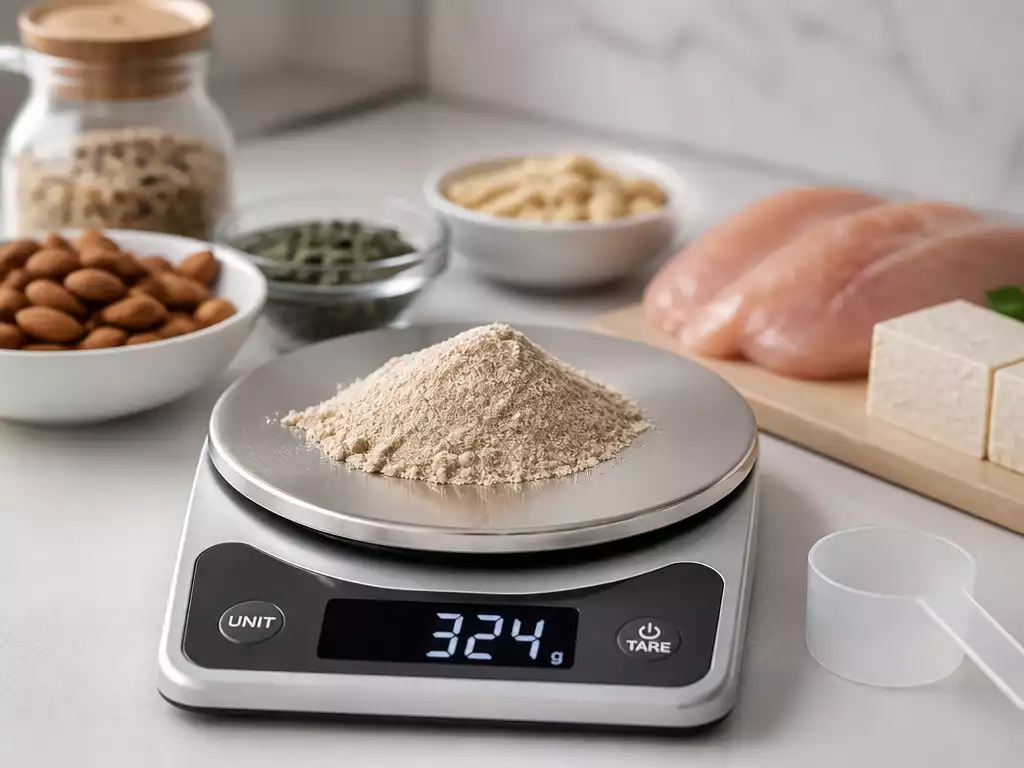
Tracking protein intake is becoming increasingly important for health enthusiasts and athletes alike. Understanding how different scales measure protein can enhance your dietary choices and overall wellness. Explore the nuances between kitchen scales and smart scales to optimize your nutrition journey.
What You Will Learn
- Smart scales and kitchen scales serve different purposes: kitchen scales measure food weight, while smart scales estimate body composition, including protein levels.
- Body composition scales use bioelectrical impedance analysis (BIA) to assess protein content by measuring how electrical currents pass through muscle, fat, and water.
- Protein estimates from smart scales can be influenced by hydration levels and recent food intake, making it essential to consider these factors for accurate readings.
- Regular calibration of your scales is crucial to maintaining accuracy in protein measurements, ensuring reliable data for informed dietary choices.
Understanding How a Scale Can Measure Protein Content
When it comes to tracking our health and nutrition, understanding how different types of scales measure protein content is crucial. Many people often confuse smart scales with traditional kitchen scales, leading to misconceptions about their functionalities. While a kitchen scale accurately weighs food, a smart scale estimates protein levels based on body metrics. This distinction is essential for anyone serious about monitoring their protein intake and overall health!
The primary intent behind searching for how scales measure protein is often rooted in the need for precise nutritional data. Whether you’re an athlete looking to optimize performance or someone aiming to maintain a healthy diet, knowing how these devices work can significantly impact your results.
Clarifying the Misconception: Smart Scale vs. Kitchen Scale
It’s important to understand that smart scales and kitchen scales serve very different purposes. A kitchen scale provides a direct measurement of food weight, allowing you to calculate nutritional values based on specific food items. In contrast, a smart scale utilizes various metrics to estimate body composition and, by extension, protein levels in your body.
- Kitchen Scales: Measure food weight directly.
- Smart Scales: Use metrics like body water and fat to estimate protein content.
- Primary Use: Kitchen scales are for cooking; smart scales are for health tracking.
By clarifying these roles, we can better appreciate how each type of scale contributes to our understanding of nutrition and health. Using a smart scale effectively can revolutionize how we view protein intake and overall body composition!
The Role of Body Composition Scales in Estimating Protein
Body composition scales are specialized devices designed to provide insights into various metrics, including protein levels. These scales often use bioelectrical impedance analysis (BIA) to estimate how much protein is present in your body. By analyzing how electrical currents pass through different tissues, they can provide a clearer picture of your body’s composition.
When you step on one of these scales, they measure not just your weight but also your body fat, muscle mass, and even hydration levels. This multifaceted approach plays a critical role in estimating your protein content, helping you make informed decisions about your dietary needs.
- Weight Measurement: Overall body weight.
- Body Fat Percentage: Ratio of fat to total body weight.
- Muscle Mass: Amount of muscle in your body.
- Hydration Levels: Percentage of water in your body.
Understanding how body composition scales work can empower you to utilize them effectively in your health journey. After all, knowing your protein content can help you tailor your diet to meet your fitness goals!
Exploring the Science Behind Protein Measurement
How Bioelectrical Impedance Analysis (BIA) Works
Bioelectrical Impedance Analysis (BIA) is a fascinating technology that plays a pivotal role in measuring body composition, including protein levels. The process involves sending a small, harmless electrical current through the body via electrodes placed on the scale. This current travels through different types of tissue—muscle, fat, and water—differently due to varying levels of electrical resistance.
By measuring the resistance, the scale can estimate how much of your weight is attributed to muscle, fat, or water, which in turn helps calculate your protein content. This sophisticated measurement is why BIA is popular among health enthusiasts and fitness professionals.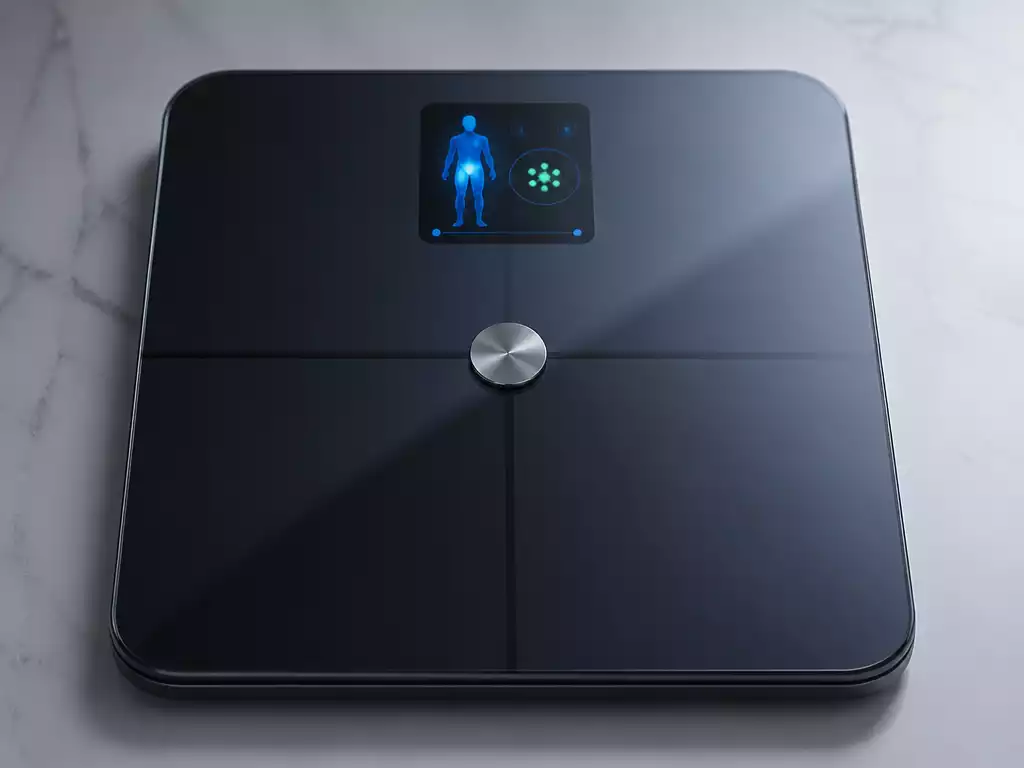
From Lean Mass to Protein Estimate: The Calculation Process
Once the BIA process is complete, the scale utilizes the data collected to estimate protein mass. The general calculation starts with determining your lean body mass, which includes both muscle and water content. From there, nutritional science provides formulas to derive protein estimates based on your lean mass.
- Step 1: Measure total body weight.
- Step 2: Calculate lean body mass using BIA readings.
- Step 3: Apply protein conversion ratios to estimate protein content.
This method allows for a nuanced understanding of how much protein you might need in your diet based on your body composition. Tracking these metrics can help you stay aligned with your health goals!
Understanding the Limitations of Protein Estimates
While smart scales and body composition analysis can provide valuable insights, it’s crucial to recognize their limitations. Accuracy can be influenced by factors like hydration levels and recent food intake. For instance, if you’re dehydrated, your protein reading might be skewed, leading to potentially misleading conclusions.
Therefore, it’s essential to treat these estimates as part of a larger picture of your health, rather than as definitive measurements. Always consult with a healthcare provider or nutritionist for a comprehensive view of your protein needs!
The Importance of Scale Calibration for Accurate Protein Measurement
Ensuring your scales are properly calibrated can significantly affect the accuracy of protein measurements. Digital and nutritional scales alike require routine checks to maintain precision. Inaccurate readings can lead to misguided dietary choices, ultimately impacting your health.
- Regular Calibration: Check scales every few months.
- Stable Surface: Ensure the scale is on a flat, hard surface.
- Consistent Timing: Weigh yourself at the same time each day for best results.
By prioritizing calibration, you can trust your smart scale to provide the most accurate and reliable data. This way, you’ll be equipped to make informed decisions regarding your protein intake!
Pro Tip
Did you know? Regularly tracking your hydration levels can significantly enhance the accuracy of your protein measurements on smart scales. Staying well-hydrated ensures that your body composition readings reflect a more accurate estimation of protein content. Aim for consistent hydration before each measurement for the best results!
Frequently Asked Questions (FAQs)
- Q: What is the main difference between a smart scale and a kitchen scale?
- A: A kitchen scale measures the weight of food items for nutritional calculations, while a smart scale estimates body composition metrics like protein levels, body fat, and muscle mass via bioelectrical impedance analysis (BIA).
- Q: How do smart scales estimate protein content?
- A: Smart scales use Bioelectrical Impedance Analysis (BIA), sending a small electrical current through the body. By measuring the resistance, they estimate lean body mass (muscle and water), which is then used to calculate protein content based on established nutritional formulas.
- Q: Can hydration levels affect the accuracy of protein estimates from a smart scale?
- A: Yes, hydration levels significantly influence the accuracy of smart scale readings. Dehydration can skew results, leading to inaccurate protein estimates. For the most reliable data, it’s best to be consistently hydrated when taking measurements.
- Q: How often should I calibrate my smart scale?
- A: It’s recommended to check and calibrate your smart scale every few months to ensure precision. Additionally, always use the scale on a stable, flat surface and weigh yourself at the same time each day for consistent results.
- Q: Are the protein estimates from smart scales definitive?
- A: No, protein estimates from smart scales should be considered as part of a broader health picture rather than definitive measurements. While they offer valuable insights, factors like hydration and recent food intake can affect accuracy. It’s always wise to consult with a healthcare provider or nutritionist for comprehensive dietary advice.
Summarizing Key Takeaways on Protein Measurement via Scales
When it comes to tracking protein intake, investing in a smart scale can be an excellent choice for many. However, it’s essential to weigh the pros and cons of these devices. Smart scales provide more than just weight; they can also estimate body composition metrics like protein mass and hydration levels. But, they might not be 100% accurate, and differing algorithms can yield varied results!
On one hand, the convenience of tracking multiple metrics in one device is a major plus. On the other, the reliance on these estimates alone can lead to misconceptions about actual dietary needs. So, is a smart scale worth it? Let’s look at some critical factors:
- Convenience of measuring multiple body composition metrics
- Ability to track changes over time
- Potential inaccuracies in protein estimation
- Cost versus traditional scales
Final Thoughts: Practical Applications of Protein Estimates
Understanding the limitations of protein estimates from smart scales is crucial. These devices can provide valuable insights, but it’s important not to rely solely on them for dietary choices. For instance, if you’re using a smart scale, consider it as part of a broader strategy for health tracking. It’s always beneficial to complement scale readings with nutritional knowledge and personal assessments!
Whether you’re an athlete looking to optimize performance or simply someone focused on health, integrating protein measurements can enrich your understanding of your body’s needs. Remember, the estimates are just one piece of the puzzle in achieving your health goals.
Integrating Protein Measurement into a Broader Health and Fitness Strategy
Tracking protein intake is not just about knowing how much protein you have; it’s about how it fits into your overall health and fitness strategy. For those focused on bodybuilding, high protein intake can help in muscle repair and growth. Likewise, for those maintaining general health, it aids in various bodily functions.
Here are some ways to effectively integrate protein measurement into your routine:
- Incorporate protein tracking into meal planning
- Use smart scales to monitor changes in body composition
- Pair protein intake with regular exercise for optimal results
- Adjust dietary choices based on scale readings and personal goals
By incorporating protein measurement into your routine, you’re not just tracking numbers; you’re making informed choices that align with your health objectives. Remember, it’s all about creating a balanced approach that works for you!
Recap of Key Points
Here is a quick recap of the important points discussed in the article:
- Understanding Scale Types: Recognize the difference between kitchen scales (direct food weight measurement) and smart scales (estimation of body composition).
- Body Composition Insight: Body composition scales provide valuable metrics, including protein levels, using methods like bioelectrical impedance analysis (BIA).
- Limitations of Estimates: Be aware that factors such as hydration levels can influence the accuracy of protein estimates from smart scales.
- Regular Calibration: Ensure your scale is regularly calibrated and used consistently for reliable results.
- Integration into Health Strategy: Incorporate protein tracking into broader health and fitness strategies for better dietary decisions.