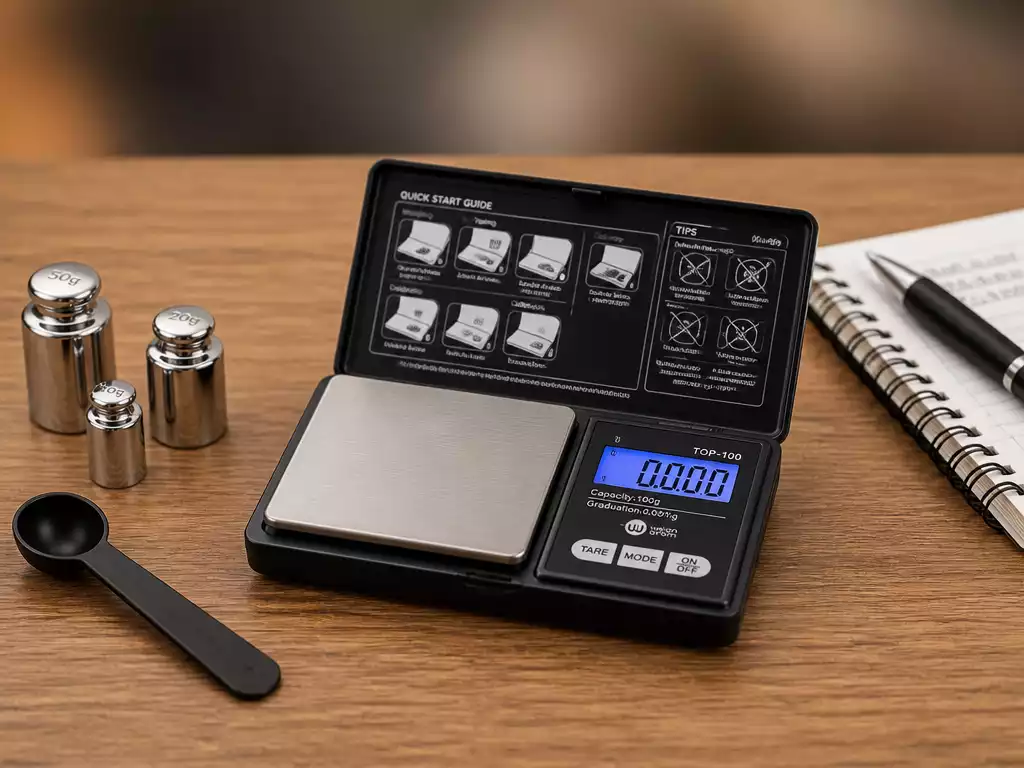
Did you know that regular calibration of your pocket scale can significantly impact the accuracy of your measurements? Ensuring your scale is properly calibrated is essential for precise results in both personal and professional settings.
What You Will Learn
- Regular calibration of pocket scales is crucial for maintaining accuracy and reliability in measurements.
- Key features to look for in a pocket scale include high sensitivity, multiple unit options, and a tare function.
- Calibration certification is important for professional use, ensuring compliance with industry standards.
- Routine maintenance and calibration can enhance the longevity and efficiency of your pocket scale.
- Resources for calibration weights and tools are available through local hardware stores, online retailers, and specialized suppliers.
Understanding Pocket Scale Calibration
When it comes to achieving accurate measurements, pocket scale calibration is essential. A pocket scale, often used for weighing precious items or ingredients, needs to be calibrated regularly to ensure it provides precise readings. Calibration is like giving your scale a check-up, so it remains reliable and effective in its performance!
I’ve seen firsthand how a well-calibrated scale can make all the difference in both personal and professional settings. Whether you’re using it to measure herbs for a recipe or weighing gemstones, understanding the calibration process is crucial for maintaining accuracy.
What is a Pocket Scale and Why Calibration Matters
A pocket scale is a compact, portable device designed to weigh small items with great precision. These scales typically display weight in various units, like grams or ounces, making them versatile for different tasks. However, just like any tool, they can drift out of calibration over time due to factors like temperature changes or daily wear.
- Accuracy: Regular calibration helps maintain the scale’s accuracy.
- Reliability: A calibrated scale provides consistent results, which is essential for tasks demanding precision.
- Quality Assurance: For businesses, calibrated scales ensure compliance with industry standards.
Without calibration, you risk getting inaccurate readings, which can lead to problems, especially in professional situations. That’s why understanding how to calibrate your pocket scale is vital!
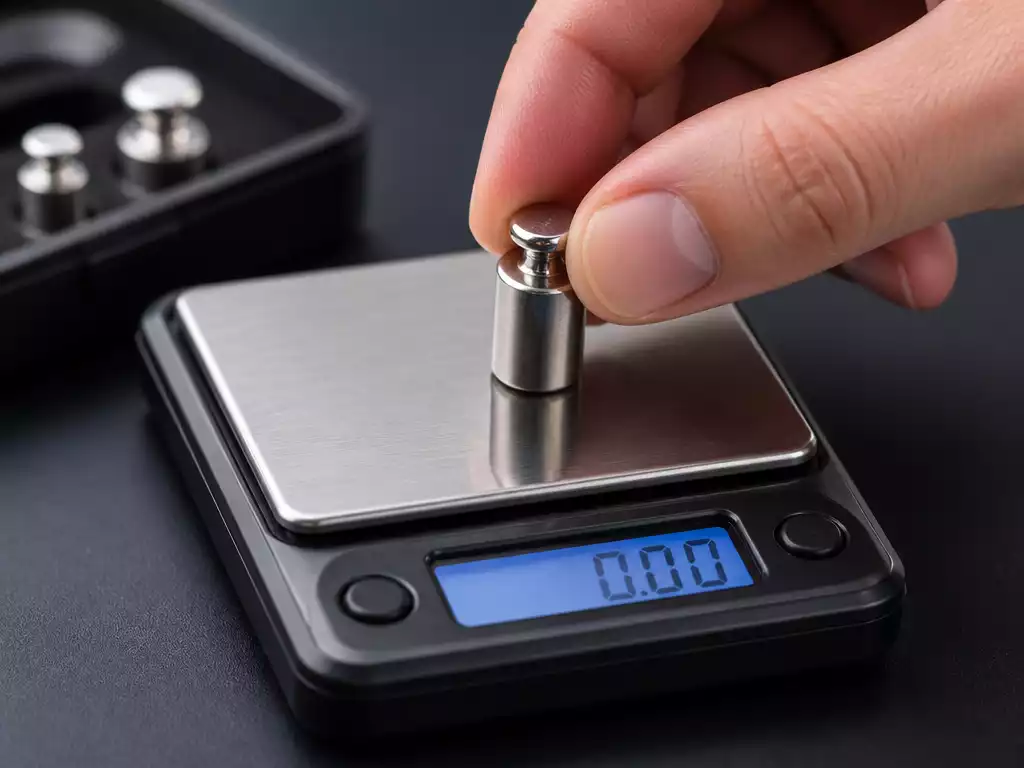
Common Uses for Digital Pocket Scales
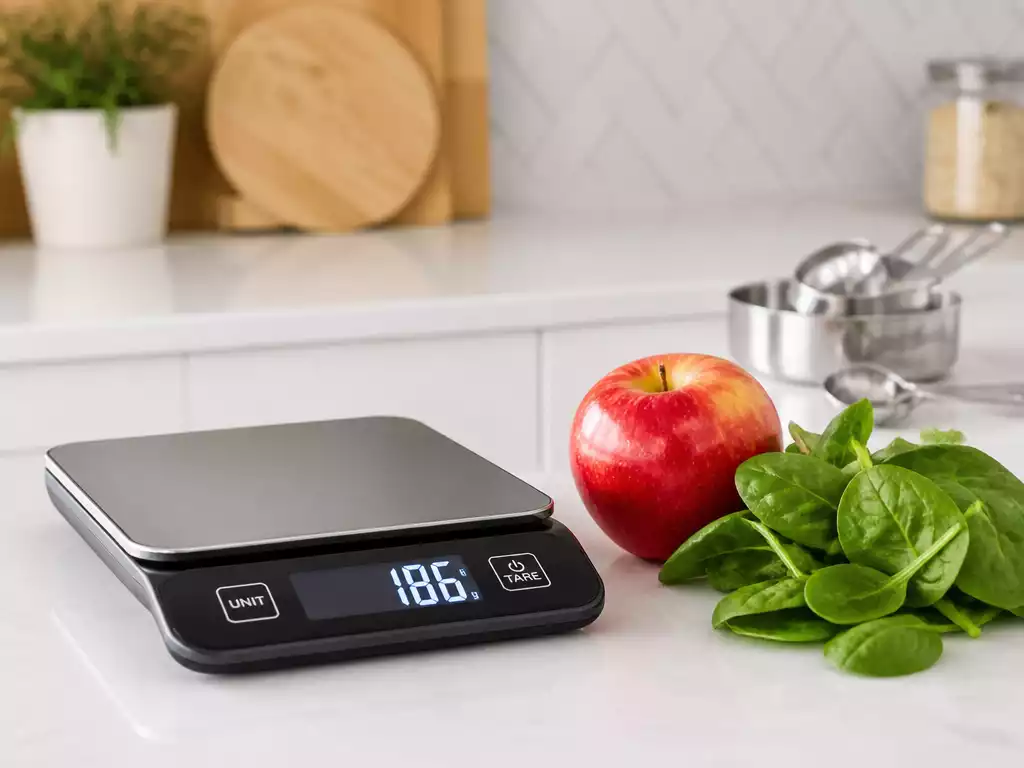
Digital pocket scales are incredibly versatile and are used across various industries and personal applications. Some of the most common uses include:
- Weighing food ingredients for cooking and baking.
- Measuring precious metals, gemstones, and other small valuables.
- Portability for on-the-go professionals, like jewelers or chefs.
With their compact size and ease of use, pocket scales have become a must-have tool for anyone needing precise measurements. I often find myself using my pocket scale for everything from meal prepping to my small art projects!
Key Features of Pocket Scales for Accurate Weight Measurement
Not all pocket scales are created equal, and some key features can significantly enhance their accuracy and usability. When shopping for a pocket scale, consider the following:
- High Sensitivity: Look for scales with a high sensitivity rating for more accurate measurements.
- Multiple Units: A scale that can switch between units (grams, ounces, etc.) adds versatility.
- Tare Function: This feature allows you to zero out the weight of containers, ensuring only the item’s weight is measured.
These features contribute to the overall performance of your pocket scale, making it more efficient and easier to use. Investing in a quality pocket scale with these attributes ensures that you’re always measuring accurately!
Pro Tip
Did you know? Regularly calibrating your pocket scale not only enhances accuracy but can also extend its lifespan. To make calibration easier, consider setting a recurring reminder on your calendar. This way, you won’t forget to check your scale’s performance, ensuring you always obtain precise measurements when it matters most!
Frequently Asked Questions About Pocket Scale Calibration
- Q: How often should I calibrate my pocket scale?
- A: It’s recommended to calibrate your pocket scale regularly, ideally monthly or after significant use, especially if you depend on it for critical measurements. Factors like temperature changes and daily wear can affect its accuracy over time.
- Q: What are the essential features to look for in a pocket scale?
- A: When purchasing a pocket scale, look for high sensitivity for accurate measurements, multiple unit options (grams, ounces, etc.) for versatility, and a tare function to zero out container weights.
- Q: Why is calibration certification important for professional use?
- A: Calibration certification is vital for professional purposes as it verifies the accuracy of your scale and ensures compliance with industry standards. This builds credibility with clients and regulatory bodies, which is crucial in fields like pharmaceuticals or food service.
- Q: Where can I find calibration weights and tools?
- A: You can find calibration weights and tools at local hardware stores, through online retailers like Amazon, and at specialized stores for measuring and testing equipment.
- Q: Can regular maintenance extend the life of my pocket scale?
- A: Yes, regular maintenance, including consistent calibration, not only enhances accuracy but also contributes to the longevity and efficiency of your pocket scale. It’s an investment in quality that provides reliable data over time.
Wrapping Up Your Pocket Scale Calibration Journey
As we come to the end of our pocket scale calibration guide, it’s crucial to summarize the key calibration steps that ensure your scale remains accurate and reliable. Remember, calibration is not just a one-time task; it’s part of a routine that keeps your measurements spot-on. Let’s take a quick look at the essential steps:
- Gather your tools and calibration weights.
- Ensure the surface is clean and level.
- Enter calibration mode using the appropriate buttons.
- Add the correct calibration weight.
- Confirm the calibration pass and troubleshoot if necessary.
Following these steps consistently will help you maintain an accurate pocket scale, whether you’re weighing ingredients for a recipe or measuring items for shipping!
Encouragement to Regularly Maintain Your Pocket Scale for Optimal Accuracy
Regular maintenance of your pocket scale is essential for optimal accuracy. Just like any tool, neglecting your scale can lead to inaccuracies that affect your results. I recommend making calibration a part of your routine—perhaps monthly or after significant use, especially if you depend on it for critical measurements.
By staying proactive about your scale’s calibration, you not only enhance its longevity but also ensure that you’re getting the most reliable data possible. Think of it as an investment in quality, one that pays off with every precise measurement.
The Importance of Calibration Certification for Professional Use
If you’re using your pocket scale for professional purposes, having a calibration certification is vital. This certification not only verifies the accuracy of your scale but also builds credibility with clients and regulatory bodies. It acts as proof that your scale has been tested and calibrated according to industry standards.
Many businesses in fields like pharmaceuticals, food service, and manufacturing rely on certified scales to ensure compliance with health and safety regulations. So, if you’re in a professional setting, consider investing in a certified calibration process for your scale.
Get Started with Your Calibration Today!
If you’re ready to take the plunge into calibration, there are plenty of resources available to help you out. Finding the right calibration weights and tools is just the beginning!
Resources for Finding Calibration Weights and Tools
When searching for calibration weights, it’s essential to find reliable sources. Here are some options to consider:
- Local hardware stores often carry calibration weights.
- Online retailers like Amazon have a wide selection.
- Specialized stores for measuring and testing equipment.
Don’t hesitate to explore these options to ensure you have the right tools for your calibration needs.
Join Our Community for More Tips and Support
Calibration can sometimes feel overwhelming, but you’re not alone! I invite you to join our community where we share tips, provide support, and discuss best practices for pocket scale maintenance. Connecting with others who share your interests can make all the difference.
Accessing User Manuals for Your Specific Pocket Scale Model
Finally, always refer to the user manual for your particular pocket scale model. These manuals often contain specific instructions on calibration and maintenance that can save you time and effort. If you’ve misplaced yours, most manufacturers provide digital copies on their websites.
Getting familiar with your scale’s manual is key to using it effectively and ensuring accurate measurements every time!
Recap of Key Points
Here is a quick recap of the important points discussed in the article:
- Regular calibration is essential for maintaining the accuracy and reliability of your pocket scale.
- Key features to look for in a pocket scale include high sensitivity, multiple units, and tare function.
- Follow essential calibration steps consistently to ensure precise measurements.
- Consider calibration certification for professional use to comply with industry standards.
- Make calibration a routine part of your maintenance for optimal scale performance.