Have you ever found yourself in a situation where a scale was nowhere to be found? Mastering the art of estimating weight without one can enhance your cooking, fitness, and travel experiences.
What You Will Learn
- How estimating weight can improve your cooking precision and meal preparation.
- Practical scenarios where knowing weight without a scale proves beneficial, such as during travel or grocery shopping.
- Different methods to estimate weight, including lever and fulcrum, water displacement, and household substitutes.
- Common mistakes to avoid when estimating weight to ensure accuracy and reliability.
Weight Estimation Without a Scale
Weighing something without a scale can be a handy skill! Whether you’re in the kitchen or need to estimate the weight of luggage, knowing how to do this can save you time and hassle. In this guide, we’ll explore various methods that help us gauge weight without relying on traditional scales.
It’s essential to grasp why this skill matters. Not only does it come in handy during cooking, but it can also be useful when packing for a trip or managing health and fitness goals. Being able to estimate the weight of objects can empower you in various scenarios, allowing for more confident decision-making. You can also learn how to check weight without a scale in more detail for other situations.
The Importance of Knowing Weight Without a Scale
Understanding how to estimate weight can be crucial in many daily tasks. For instance, if you’re following a recipe and don’t have a scale handy, visualizing weight can help you get the right amounts. This insight is especially useful for home cooks who want to scale their meals.
- Cooking and Baking: Estimate ingredient weights for better results.
- Traveling: Weigh your luggage quickly to avoid extra fees.
- Fitness Goals: Monitor your health with rough weight estimations.
In many cases, estimating weight can also help us manage portions for healthier eating habits. With practice, these estimations can become second nature, making daily tasks easier!
Common Scenarios for Weighing Objects without a Scale
There are plenty of situations where having a scale isn’t practical. For example, when you’re cooking on the go or at a friend’s house, you might just need a quick estimate. In these moments, knowing how to gauge weight can be a lifesaver!
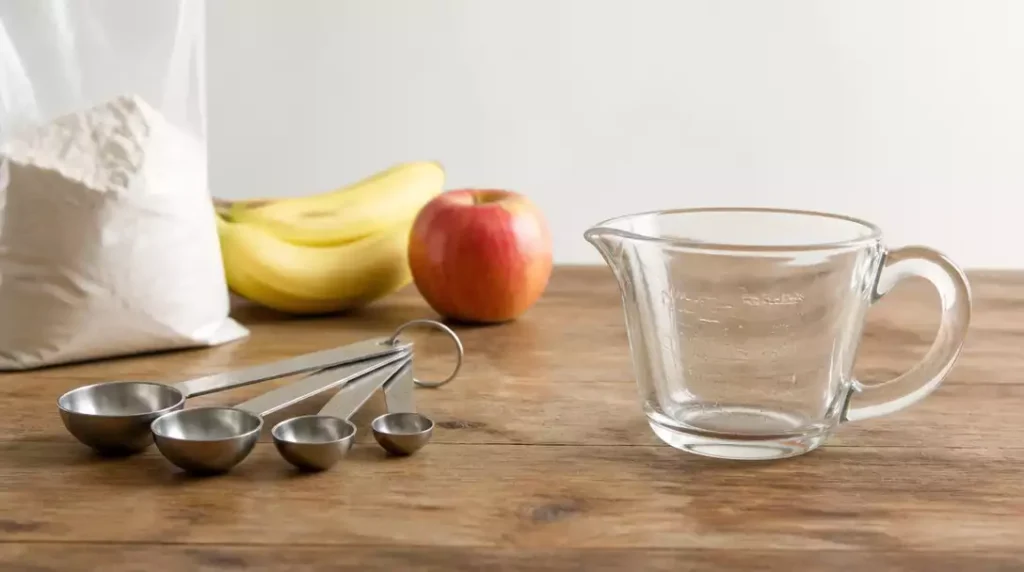
- Cooking in a new kitchen: Use common items like cups and spoons for measurements.
- During grocery shopping: Estimate the weight of fruits and vegetables.
- Packing for a move: Assess box weights without a scale to manage lifting.
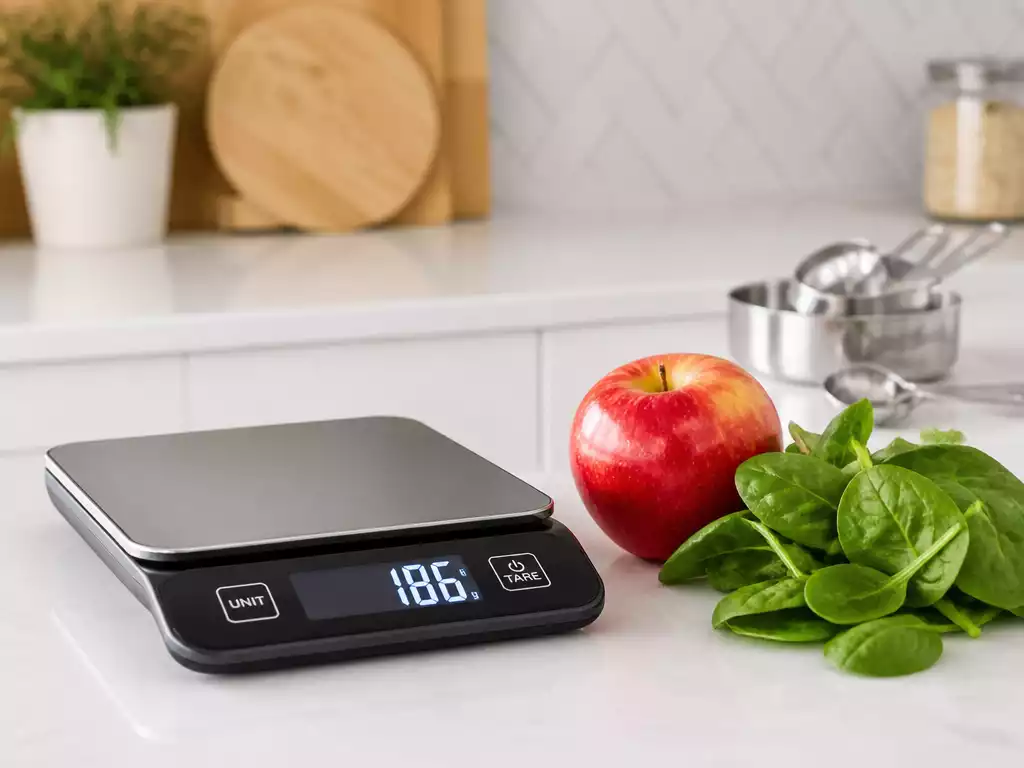
These common situations emphasize the value of being able to estimate weight effectively. Being resourceful can make all the difference in how we handle these everyday tasks! For precise measurements in the kitchen, however, knowing how to read a kitchen scale is invaluable.
Pro Tip
Did you know? When estimating weight using household items, you can improve your accuracy by using a known reference weight. For example, if you have a 1-pound package of sugar, you can compare other items against it to get a rough estimate. This method can be particularly helpful in cooking, ensuring your measurements are closer to what a scale would provide.
Frequently Asked Questions About Weight Estimation
Here are some common questions about estimating weight without a scale:
- Q: Why is it important to know how to estimate weight without a scale?
- A: It’s important for various practical reasons, including improving cooking precision, avoiding luggage fees when traveling, and managing health and fitness goals when a scale isn’t available.
- Q: What are some common scenarios where estimating weight is useful?
- A: Common scenarios include cooking in an unfamiliar kitchen, estimating the weight of produce while grocery shopping, and assessing the weight of boxes when packing for a move.
- Q: What methods can be used to estimate weight without a scale?
- A: Several methods can be used, such as the lever and fulcrum technique, water displacement, using household substitutes (like comparing to a known weight), food-specific techniques, and even body weight estimation methods.
- Q: What are the common mistakes to avoid when estimating weight?
- A: Common mistakes include overlooking calibration of household items, not considering gravity, assuming uniformity of objects, neglecting container weight, and relying solely on visual estimates without any comparative measure.
- Q: Can estimating weight be as accurate as using a scale?
- A: While estimation can provide surprisingly accurate results with practice and the right techniques, it generally won’t be as precise as a calibrated scale. It’s best for situations where exact measurements aren’t critical or a scale is unavailable.
Final Thoughts on Weighing Without a Scale
As we wrap up our exploration of weight estimation, it’s clear that you don’t always need a scale to gauge weight effectively! By using household items and simple methods, we can get surprisingly accurate results. Whether you’re in the kitchen or need to estimate your body weight, these techniques will prove handy.
Remember, each method can serve different needs. It’s all about choosing the right technique for your specific situation. So, let’s dive into some practical advice!
When to Use Each Weighing Method: A Quick Reference Guide
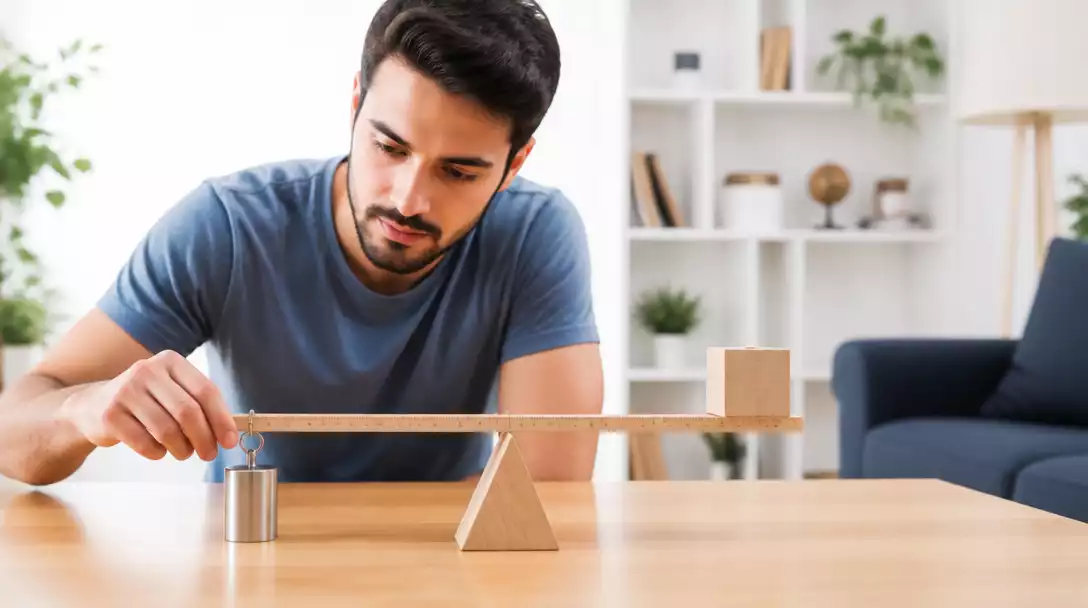
- Lever and Fulcrum: Ideal for larger, heavier items where precision is key.
- Water Displacement: Best for irregular-shaped objects or when you need to find the weight of something without a defined shape.
- Household Substitutes: Excellent for quick estimates, especially in cooking or crafting.
- Food-Specific Techniques: Perfect for measuring ingredients when baking or cooking.
- Body Weight Estimation: Useful when traditional scales aren’t available, using items like a sturdy chair or a bucket of water. For those with a physical scale, understanding how to properly stand on a scale can improve accuracy.
This quick reference can help you choose the most effective method based on what you’re trying to weigh. Keeping this in mind can save you time and effort while ensuring you get a pretty good estimate!
Common Mistakes to Avoid in Weight Estimation
- Overlooking Calibration: Forgetting to calibrate your household items can lead to inaccurate estimates.
- Not Considering Gravity: Ignoring local gravity variations can affect precision, especially when using lever methods.
- Assuming Uniformity: Remember that not all items are uniform; for example, two apples can weigh quite differently.
- Neglecting Container Weight: Always account for the weight of containers when using liquids or solids.
- Estimating Visually Without Measure: Relying only on visual estimates can lead to significant errors.
Avoiding these common pitfalls can enhance your accuracy and make your weight estimation efforts much more reliable. I often remind my clients to double-check their methods to ensure they’re getting the best results! To understand the fundamental principles behind accurate measurements, exploring how a scale works can provide valuable context.
Recap of Key Points
Here is a quick recap of the important points discussed in the article:
- Estimating weight is useful for cooking, traveling, and managing fitness goals.
- Common scenarios for estimating weight include cooking in a new kitchen, grocery shopping, and packing for a move.
- Different methods serve specific needs, such as using lever and fulcrum for heavier items or water displacement for irregular shapes.
- Avoid common mistakes like overlooking calibration, not considering gravity, and neglecting container weight.
- Practice makes weight estimation easier and more accurate over time.