Did you know that precision in weighing your food can significantly impact your health journey? Accurate measurements not only streamline your macro tracking but also empower you to make informed dietary choices!
What You Will Learn
- The importance of accurate food weighing for achieving your macro goals.
- How a food scale enhances meal prep and portion control.
- The distinct roles of macronutrients and their health impacts.
- Tips for selecting the right food scale and utilizing its features effectively.
Importance of Weighing Food for Macros
Tracking your macros can seem daunting at first, but weighing your food accurately is a crucial step in simplifying this process. When I started my journey, I quickly realized that precision is key. Weighing your food helps ensure that you are meeting your nutritional goals without the guesswork!
Accurate measurements can significantly impact your progress. When you weigh your food, you gain a comprehensive understanding of what you’re consuming, allowing you to adjust your intake as needed. It’s all about making informed choices that align with your health objectives!

Why Accurate Weighing Matters in Macro Tracking
When it comes to macro tracking, accuracy is everything! A small difference in portion size can lead to significant discrepancies over time. For example, a serving of rice that’s just a few grams off can change your caloric intake and macronutrient distribution. With that in mind, let’s look into why accurate weighing is essential:
- Ensures you hit your daily macro targets.
- Helps in understanding portion sizes better.
- Reduces the likelihood of overeating or undereating.
- Allows for more precise meal planning.
By prioritizing accurate measurements, you set yourself up for success in your nutritional journey. It’s a simple, yet powerful practice that lays the foundation for effective health management! To learn more about precise weighing, read our guide on how to use a food scale for grams.
The Role of a Food Scale in Nutrition and Meal Prep
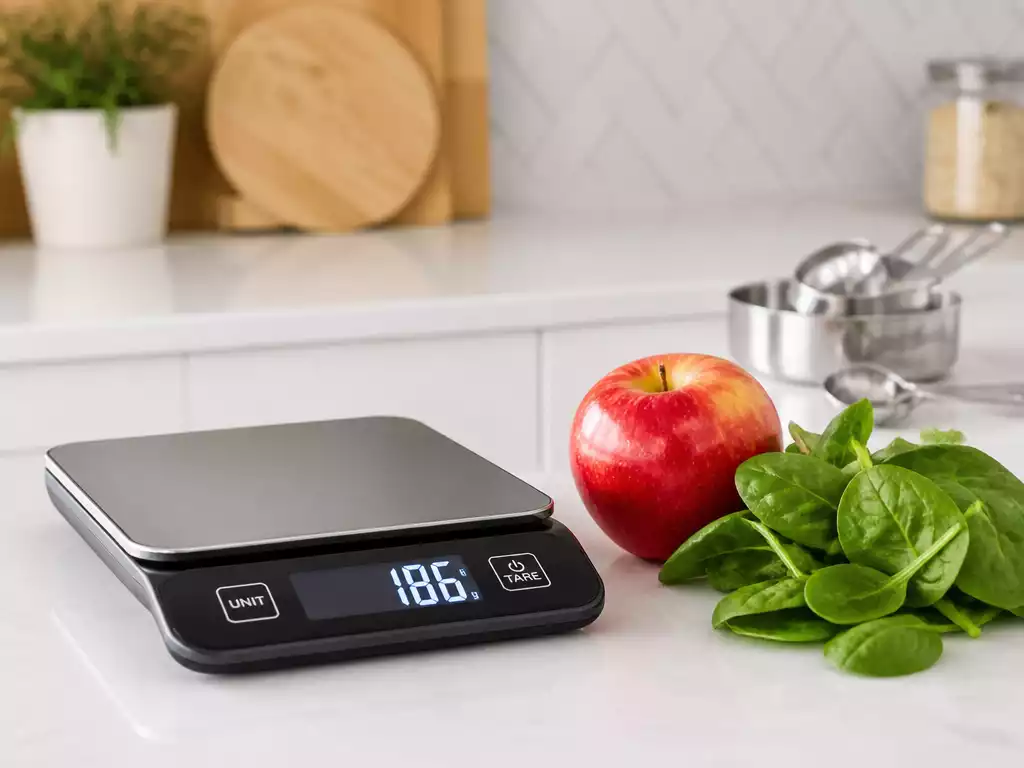
A food scale is an indispensable tool in nutrition and meal prep. It takes the guesswork out of your cooking and helps you stay on track with your macro goals. Whether you’re whipping up a quick meal or preparing for the week ahead, having a reliable food scale can make a world of difference!
Here’s how a food scale contributes to your nutrition and meal prep:
- Allows for accurate tracking of macronutrients.
- Facilitates portion control for each meal.
- Simplifies the cooking process with precise measurements.
- Helps in adjusting recipes to fit your macro goals.
Using a food scale not only enhances your cooking experience but also instills good habits that support healthy eating. It’s like having a personal nutrition coach right in your kitchen!
How Nutritional Information and Macronutrients Impact Your Health
Understanding the nutritional information of the foods you consume is vital for maintaining a healthy lifestyle. Macronutrients—carbohydrates, proteins, and fats—play distinct roles in our bodies. To truly harness their benefits, we need to know how to track them effectively!
Here are some key points regarding macronutrients and their impact on health:
- Carbohydrates: Provide energy for daily activities and workouts.
- Proteins: Essential for muscle repair and growth.
- Fats: Important for hormone production and overall brain function.
By weighing your food, you can gain insights into your macro distribution, making it easier to align your diet with your health goals. Remember, knowledge is power, especially in nutrition! For additional useful information, check out our article on how a scale can measure protein.
Pro Tip
Did you know? Using a digital food scale can enhance your macro tracking experience by offering precise measurements to the gram. For even more accuracy, consider weighing your food in its raw state before cooking. This ensures that you’re logging the correct nutritional information without the added water weight that cooking can introduce.
Frequently Asked Questions (FAQs)
- Q: Why is accurate food weighing important for macro tracking?
- A: Accurate food weighing is crucial for ensuring you meet your daily macro targets, understanding portion sizes, reducing overeating or undereating, and allowing for precise meal planning. Small discrepancies can lead to significant differences in caloric intake and macronutrient distribution over time.
- Q: How does a food scale help with meal prep?
- A: A food scale simplifies meal prep by allowing for accurate tracking of macronutrients, facilitating portion control for each meal, and helping you adjust recipes to fit your macro goals with precise measurements.
- Q: What are macronutrients and how do they impact health?
- A: Macronutrients are carbohydrates, proteins, and fats. Carbohydrates provide energy, proteins are essential for muscle repair and growth, and fats are important for hormone production and brain function. Understanding and tracking them effectively is vital for maintaining a healthy lifestyle.
- Q: Is it better to weigh food raw or cooked?
- A: It is generally recommended to weigh food in its raw state before cooking for more accurate nutritional information. This avoids the added water weight that cooking can introduce, ensuring you log the correct macro values.
- Q: What tools can help with continued learning about nutrition and weight management?
- A: Recommended tools include MyFitnessPal App for logging food and tracking macros, Nutrition.gov for understanding nutritional information, CalorieLab for finding nutritional information on various foods, and Eat This Much for meal planning and macro balancing.
Summarizing Your Journey with Food Scales for Macros
We’ve covered a lot about how weighing food can significantly impact your macro tracking! It’s essential to remember that accurate measurement is key to reaching your nutritional goals. By utilizing a food scale, you ensure precision in your diet, which translates to effective management of your macronutrients.
To recap, the primary takeaways include:
- The importance of choosing the right food scale for your needs.
- The benefits of weighing raw versus cooked foods accurately.
- How the tare function can help simplify your food prep. For a detailed guide on this, explore how tare works on a scale.
- Logging your food accurately in apps to maintain proper macro balance.
By keeping these points in mind, you’re setting yourself up for success on your nutritional journey!
Final Thoughts on the Benefits of Using a Food Scale for Healthy Eating
Using a food scale isn’t just about tracking numbers; it’s about empowering yourself with knowledge. It allows you to make informed decisions about what goes on your plate! With a food scale, you can avoid the guesswork and truly understand what you’re consuming.
Moreover, becoming diligent with food weighing fosters a greater connection to your meals. You’ll likely find that you are more mindful of your portion sizes and overall eating habits. This awareness can lead to healthier choices that align with your wellness journey!
Taking the Next Steps in Your Macro Tracking Journey
Encouragement to Start Weighing Your Food
Now that you’ve got the basics down, it’s time to put them into practice! I encourage you to grab your food scale and start weighing your meals. It can feel a bit tedious at first, but I promise, with time it becomes second nature. Remember, every small step adds up to significant results!
Don’t be afraid to experiment with different foods and recipes. The more you weigh your food, the more comfortable you’ll become with the process. It’s about finding what works for you and building a habit that promotes health and wellness.
Resources and Tools for Continued Learning About Nutritional Balance and Weight Management
To assist you on this journey, here are some resources I recommend:
- MyFitnessPal App – Great for logging food and tracking macros.
- Nutrition.gov – Excellent resource for understanding nutritional information.
- CalorieLab – Useful for finding nutritional information on various foods.
- Eat This Much – A meal planning tool that helps balance your macros.
These tools can enhance your understanding of nutrition and help you stay committed to your health goals. Keep learning, keep weighing, and enjoy the process of making healthier choices!
Recap of Key Points
Here is a quick recap of the important points discussed in the article:
- Weighing food accurately is essential for tracking macros and achieving nutritional goals.
- Accurate measurements help avoid discrepancies in caloric intake and macronutrient distribution.
- A food scale simplifies meal prep and fosters portion control, making it easier to meet macro targets.
- Understanding macronutrients—carbohydrates, proteins, and fats—is crucial for maintaining a healthy lifestyle.
- Utilizing resources and tools can enhance your learning about nutrition and keep you committed to your health goals.