
What if the key to improving your archery skills lies in mastering a simple tool? Understanding bow scales can significantly enhance your shooting experience, whether you’re a novice or a seasoned archer.
What You Will Learn
- Different types of bow scales include handheld, hanging, and digital scales, each catering to unique needs.
- Using a bow scale is essential for tuning performance and ensuring consistent shooting accuracy.
- Understanding the differences between mechanical and digital scales can help you choose the right one for your archery style.
- Key steps for effective use of a bow scale include checking settings, securely attaching the scale, and regularly calibrating for accuracy.
Bow Scales: What You Need to Know
If you’re venturing into the world of archery, knowing about bow scales is essential. These handy tools help determine the draw weight of your bow, which is crucial for tuning and performance. Whether you’re a novice or a seasoned archer, familiarizing yourself with the different types of bow scales can enhance your shooting experience.
Let’s explore the various options available. You’ll find handheld scales, hanging scales, and digital varieties. Each type comes with unique features that cater to different needs and preferences.
Defining the Bow Scale: Types and Features
There are several types of bow scales that archers can choose from:
- Handheld scales: Compact and easy to use, these scales allow for quick measurements on the go.
- Hanging scales: Designed to attach to your bowstring, these scales offer stable readings for more accurate assessments.
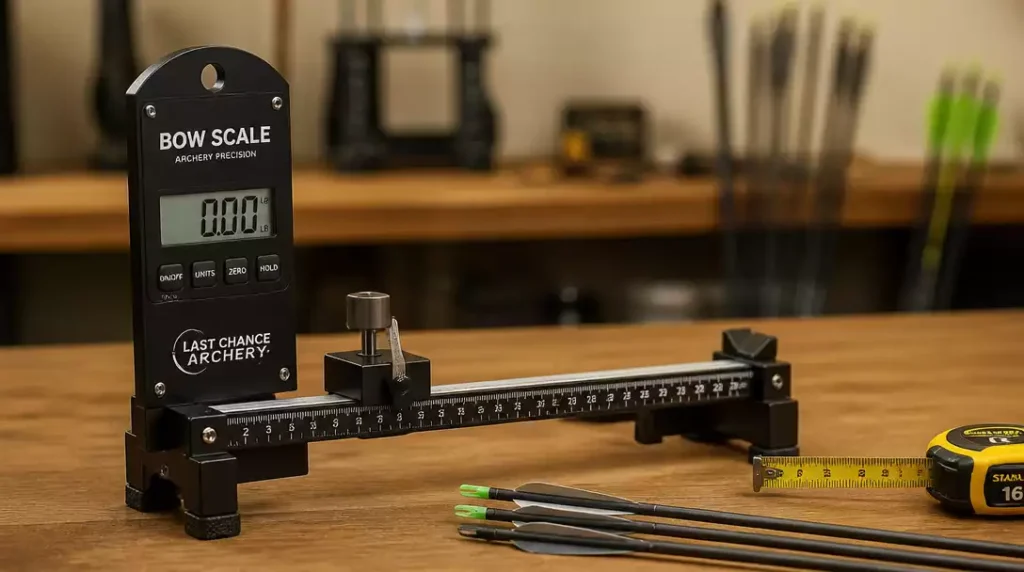
- Digital scales: Equipped with LCD displays, they provide easy-to-read measurements in both lb and kg modes.
Each scale type features distinct advantages, such as portability or precision. Selecting the right one can greatly impact your archery setup, as it ensures you have the proper draw weight for consistent shooting.
Why Use a Bow Scale? The Benefits for Archers
Measuring draw weight is not just about numbers; it’s about performance and tuning. Using a bow scale allows you to achieve the perfect draw weight, which can significantly affect your shooting accuracy and overall experience.
Here’s why archers should invest in a bow scale:
- Performance Tuning: Adjusting your bow’s draw weight can help enhance your shooting form and technique.
- Consistency: Knowing your bow’s exact weight ensures that you train with the same setup, leading to better results.
- Safety: Understanding draw weight can prevent injuries caused by overexertion or improper bow setup.
When you have a precise measurement, it empowers you to fine-tune your bow for optimal performance on every shot. As an archer myself, I’ve found that taking the time to measure properly has paid off in my shooting game!
Common Scales Used in Archery: Mechanical vs Digital
When it comes to choosing a bow scale, you’ll primarily encounter two types: mechanical and digital. Let’s break down their unique benefits and potential drawbacks:
- Mechanical scales: Simple and often more affordable, these scales don’t require batteries. However, they may be less precise and harder to read in low light. For more information on reading various types of scales, check out our guide on how to read a mechanical beam scale.
- Digital scales: While they typically provide more accurate readings and are easier to interpret, they do rely on batteries and can be more expensive.
As an archer, it’s crucial to weigh these factors against your personal preferences and shooting style. Choosing the right scale can enhance your archery experience and help you stay on target!
Pro Tip
Did you know? Regularly checking your bow scale’s calibration can help maintain accuracy over time. Even a small miscalibration can lead to significant differences in your draw weight, affecting your performance. Make it a habit to calibrate your scale before each shooting session for the best results!
Summarizing Your Bow Scale Journey
Key Takeaways for Using Your Bow Scale Effectively
As we wrap up our journey into the world of bow scales, it’s essential to highlight the key steps and considerations for effective use. Whether you’re just starting or have been honing your skills for years, mastering your bow scale can greatly enhance your archery experience.
- Always check batteries and settings before use. For guidance on changing batteries in various scales, see our article on how to change battery in digital scale.
- Attach the scale securely to avoid damage.
- Draw to full extension for accurate readings.
- Regularly calibrate your scale for consistent measurements. Learn more about maintaining accuracy with our tips on how to calibrate a digital scale.
- Interpret peak and holding weight to tune your bow effectively.
By keeping these steps in mind, you can ensure that your measurements are precise, leading to improved performance and enjoyment in your archery journey!
Frequently Asked Questions About Bow Scales
- What is a bow scale used for?
- A bow scale is used to measure the draw weight of a bow, which is essential for proper tuning, consistent performance, and ensuring safety in archery.
- What are the different types of bow scales?
- The main types include handheld scales (compact and portable), hanging scales (offer stable readings), and digital scales (provide precise, easy-to-read measurements).
- Why is measuring draw weight important?
- Measuring draw weight is crucial for performance tuning, ensuring consistency in your shooting practice, and preventing injuries by maintaining a proper bow setup.
- What is the difference between mechanical and digital bow scales?
- Mechanical scales are simple, affordable, and don’t require batteries but can be less precise. Digital scales offer higher accuracy, are easier to read, but rely on batteries and can be more expensive.
- How often should I calibrate my bow scale?
- It’s recommended to calibrate your bow scale regularly, ideally before each shooting session, to maintain accuracy and ensure consistent measurements.
Engaging with the Archery Community: Share Your Experiences
Now that you’ve gained valuable insights into bow scales, I’d love to hear about your experiences! Archery is not just a sport; it’s a community. Sharing our stories, challenges, and successes can help us all learn and grow.
- What type of bow scale do you use?
- Have you encountered any challenges while measuring draw weight?
- What tips do you have for beginners?
Feel free to join the conversation by leaving comments or reaching out on social media! Your insights can empower others and foster a supportive environment for archers everywhere.
Ready to Measure Your Bow’s Performance?
Final Thoughts and Next Steps in Your Archery Journey
It’s time to put all that knowledge into action! I encourage you to consider investing in a high-quality bow scale that fits your needs. With your newfound understanding, you can enhance your skills and fine-tune your bow like never before.
Remember, every measurement brings you one step closer to becoming the archer you aspire to be. So grab your bow scale, hit the range, and start measuring your performance today! If you have any questions or need assistance, don’t hesitate to reach out. Happy shooting!
Recap of Key Points
Here is a quick recap of the important points discussed in the article:
- Types of Bow Scales: Familiarize yourself with handheld, hanging, and digital scales to find the best fit for your needs.
- Importance of Draw Weight: Accurately measuring draw weight can enhance performance, consistency, and safety.
- Mechanical vs. Digital: Weigh the pros and cons of mechanical and digital scales to determine which suits your shooting style.
- Effective Use Tips: Always check batteries, attach securely, draw fully, calibrate regularly, and interpret readings correctly for optimal tuning.





