
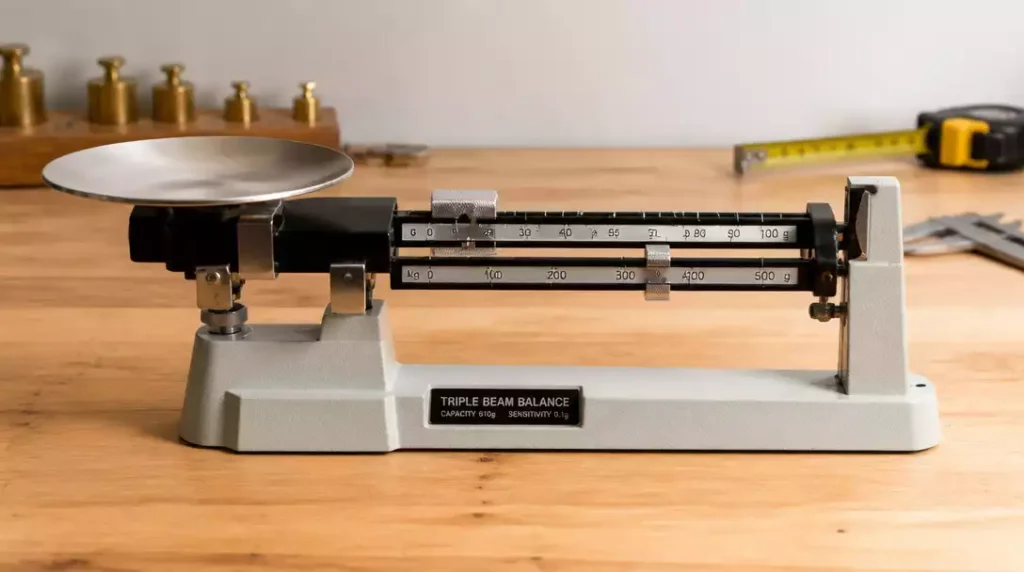
When it comes to precision, the mechanical beam scale stands out for its reliability and simplicity. Understanding its components and proper usage can significantly enhance your measuring accuracy. Here’s what you’ll take away from this article…
What You Will Learn
- A mechanical beam scale operates on the principle of leverage, utilizing a beam and weights for accurate weight measurement.
- Key components like the trig loop and counterpoise are integral for achieving precise measurements.
- The placement of the fulcrum is crucial; a well-placed fulcrum ensures stability and accuracy in readings.
- Regular calibration and maintenance are essential to keep your scale performing optimally over time.
- Utilizing weight verification techniques can significantly improve confidence in the accuracy of your measurements.
- Engaging with visual aids such as diagrams and tutorials can enhance your understanding of mechanical beam scales.
- Your scale’s user manual is a valuable resource; familiarize yourself with its contents for better usage and troubleshooting.
Mechanical Beam Scale: Key Concepts
A mechanical beam scale is an essential tool in various fields, including laboratories and medical practices. It provides an accurate way to measure weight without the need for electronic components. This traditional scale operates using a system of levers and weights, which can often yield precise results when properly maintained and calibrated. Understanding how it works can significantly improve your accuracy in measurements!
What is a Mechanical Beam Scale and How Does It Work?
At its core, a mechanical beam scale consists of a beam that balances on a fulcrum. When an object is placed on the pan, the beam tilts depending on the object’s weight. The principle behind this mechanism is based on the laws of physics, particularly the concept of leverage. The scale determines the weight by comparing the force exerted by the object against known weights along the beam.
- Simple Design: Comprised of a beam, fulcrum, and weights.
- Mechanical Advantage: Uses levers to amplify weight measurements.
- No Batteries Required: Operates entirely on mechanical forces.
Many of my customers appreciate these scales for their reliability and simplicity. Unlike digital scales, beam scales often don’t suffer from battery issues or electronic malfunctions, making them a favorite in various settings. For more information on how different scales work, you might find our article on how a scale works insightful.
Components of a Beam Scale: Trig Loop and Counterpoise
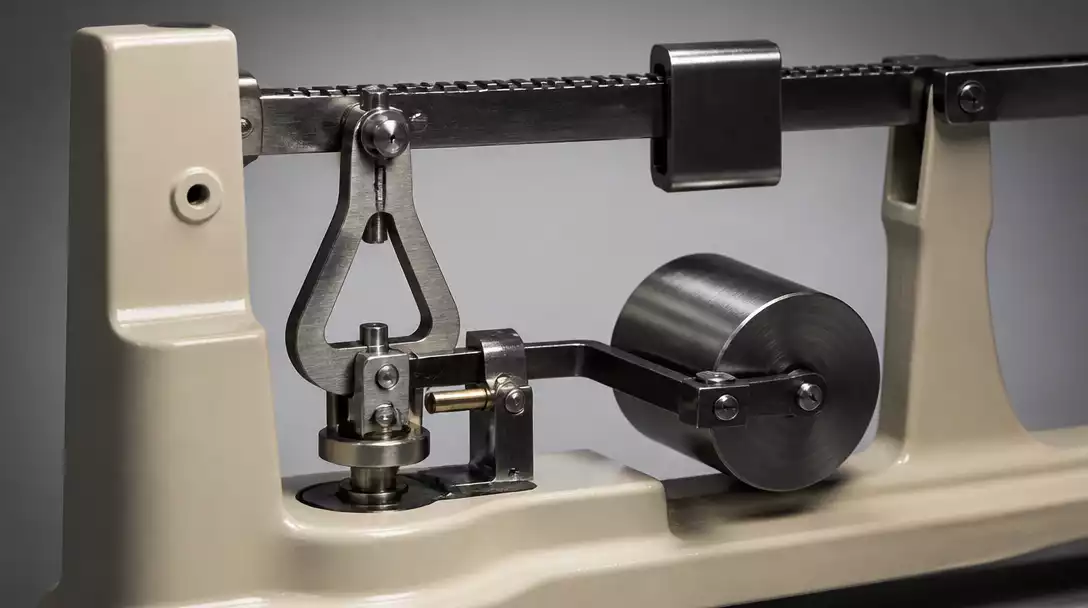
Two critical components of a mechanical beam scale are the trig loop and counterpoise. The trig loop helps in balancing the weights effectively, while the counterpoise allows for fine-tuning adjustments to achieve more accurate readings. Together, these components enhance the scale’s ability to provide precise measurements.
- Trig Loop: A loop that aids in balancing the beam.
- Counterpoise: Fine-tuning weight adjustments to ensure accuracy.
- Calibration Marks: Indicate weight measurements along the beam.
When I set up beam scales in our store, I often explain these components to customers. Knowing how the trig loop and counterpoise work can help users achieve more reliable results, especially in applications requiring precision.
The Role of the Fulcrum in Weight Measurement
The fulcrum is the pivotal point around which the beam rotates. Its placement is crucial because it affects the scale’s balance and the accuracy of the weight measured. A well-placed fulcrum allows for a smoother and more reliable operation of the scale, while a misaligned fulcrum can lead to erroneous readings.
- Center Point: Ideally positioned to ensure balance.
- Stability: A stable fulcrum reduces errors in measurements.
- Adjustment: Some scales allow for minor adjustments to the fulcrum.
In my experience, customers often overlook the importance of the fulcrum. Proper attention to this component can make a remarkable difference in achieving reliable weight measurements.
Pro Tip
To enhance the accuracy of your mechanical beam scale, always ensure it is level. A scale that is even slightly tilted can lead to significant measurement errors. Utilize a spirit level to check the alignment before taking any readings!
Summarizing the Essentials of Reading a Mechanical Beam Scale
When it comes to reading a mechanical beam scale, there are a few key takeaways to keep in mind to ensure you get the most accurate measurements. Each component of the scale plays a crucial role, and understanding them will help you use the scale effectively. Remember, accuracy is not just about reading numbers; it’s about ensuring your scale is set up correctly, maintained, and used properly!
Here are some essentials to remember for accurate weighing:
- Always check that the scale is zeroed before use.
- Ensure the scale is on a stable surface to avoid fluctuations in readings.
- Understand the graduation markings for precise interpretation.
- Regularly calibrate your scale to maintain its accuracy.
By following these guidelines, you can confidently achieve consistent and reliable weight measurements with your mechanical beam scale.
Key Takeaways for Accurate Weighing
To help you get the most out of your mechanical beam scale, I recommend focusing on a few important aspects:
- Choose a suitable location free from vibrations and direct sunlight.
- Regularly check and clean the scale to prevent residue buildup.
- Use a standard weight for verification after each calibration.
Always remember that even the smallest details can impact the accuracy of your readings. These takeaways will set the foundation for effective scale usage!
The Importance of Proper Calibration and Maintenance
Maintaining the accuracy of your mechanical beam scale is vital for its longevity and reliability. Regular calibration ensures that your scale delivers precise results every time you use it. This includes monitoring its performance and adjusting as necessary to account for wear and tear. If you’re looking for general calibration advice, our guide on how to calibrate a bathroom scale might offer some transferable tips.
Here’s a quick checklist to keep your scale in top condition:
- Calibrate your scale quarterly or whenever you notice discrepancies.
- Inspect components for wear and replace any damaged parts.
- Store the scale in a protective case when not in use.
Investing a little time in maintenance can greatly enhance your scale’s performance and extend its lifespan.
Weight Verification Techniques for Increased Accuracy
For those who want to ensure their readings are spot on, employing weight verification techniques is a must! This involves checking your scale against known weights to guarantee accuracy.
Here are some effective techniques you can use:
- Use certified calibration weights that match the scale’s capacity.
- Perform multiple readings to check for consistency.
- Document your findings to track any performance variations.
By implementing these verification techniques, you can boost your confidence in the readings and ensure you’re getting the best performance from your mechanical beam scale.
Next Steps: Enhance Your Skills with Visual Aids
Now that you have a solid grasp of the essentials for reading a mechanical beam scale, it’s time to take your knowledge to the next level! Utilizing visual aids can significantly enhance your understanding and application of the concepts covered.
Utilizing Diagrams and Visual Guides for Better Understanding
Diagrams and visual guides are fantastic resources for comprehending the intricacies of a mechanical beam scale. They can simplify complex concepts and provide clarity on how to operate your scale effectively. Here are some resources you can explore:
- Manufacturer’s diagrams showcasing scale components.
- Video tutorials on proper calibration techniques.
- Instructional guides with step-by-step illustrations.
Engaging with these visual aids can make a world of difference in your learning experience!
Engaging Resources: Where to Learn More About Mechanical Beam Scales
If you’re eager to dive deeper into the world of mechanical beam scales, there are plenty of engaging resources available. Online platforms, forums, and workshops are excellent places to expand your knowledge and connect with others who share your interest!
Consider checking out:
- Webinars hosted by industry experts.
- Online courses focusing on scale technology.
- Community forums for sharing tips and tricks.
These resources can provide valuable insights and elevate your skills with mechanical beam scales.
Understanding the User Manual for Effective Scale Usage
Your scale’s user manual is a treasure trove of information! It contains specific instructions tailored to your model, maintenance tips, and troubleshooting advice. Don’t overlook it!
Here are some key things to focus on:
- Familiarize yourself with the different functionalities listed in the manual.
- Follow the maintenance schedule outlined to ensure optimal performance.
- Refer to the troubleshooting section for quick fixes to common issues.
Using your manual can help you maximize the effectiveness of your mechanical beam scale and ensure you’re getting the most accurate readings possible!
Frequently Asked Questions About Mechanical Beam Scales
- Q: What is the main principle behind a mechanical beam scale?
- A: A mechanical beam scale operates on the principle of leverage, using a beam and known weights to balance and determine the weight of an object.
- Q: What are the key components of a mechanical beam scale?
- A: Key components include the beam, fulcrum, trig loop, and counterpoise. Each plays a crucial role in balancing and accurately measuring weight.
- Q: How does the fulcrum affect the accuracy of a beam scale?
- A: The fulcrum is the pivot point for the beam. Its precise placement and stability are crucial for accurate readings; a misaligned fulcrum can lead to errors.
- Q: Why is calibration important for mechanical beam scales?
- A: Regular calibration is essential to maintain the scale’s accuracy over time, compensating for wear and tear and ensuring precise measurements.
- Q: What are some tips for accurate weighing with a mechanical beam scale?
- A: Always zero the scale before use, place it on a stable surface, understand calibration marks, and regularly calibrate it to maintain accuracy.
- Q: Do mechanical beam scales require batteries?
- A: No, mechanical beam scales operate entirely on mechanical forces and do not require batteries or electronic components.
Recap of Key Points
Here is a quick recap of the important points discussed in the article:
- A mechanical beam scale operates using a system of levers and weights for accurate weight measurement.
- Key components include the trig loop and counterpoise, which enhance balance and precision.
- The placement of the fulcrum is crucial for accuracy in readings.
- Regular calibration and maintenance are essential for reliable performance.
- Using weight verification techniques can increase confidence in measurement accuracy.
- Utilizing visual aids and the user manual can enhance understanding and effective usage of the scale.





