Did you know that the difference between success and failure in your kitchen could simply be a matter of measurement? Understanding how to effectively use a gram scale is a game changer!
What You Will Learn
- The distinction between mechanical and digital gram scales, including their respective advantages.
- Why accurate measurements are essential in fields like cooking, science, and manufacturing.
- The importance of proper setup, such as ensuring the scale is on a level surface and taring before measurement.
- Insight into various gram scale types and their ideal uses, helping you make an informed choice for your needs.
Basics of a Gram Scale
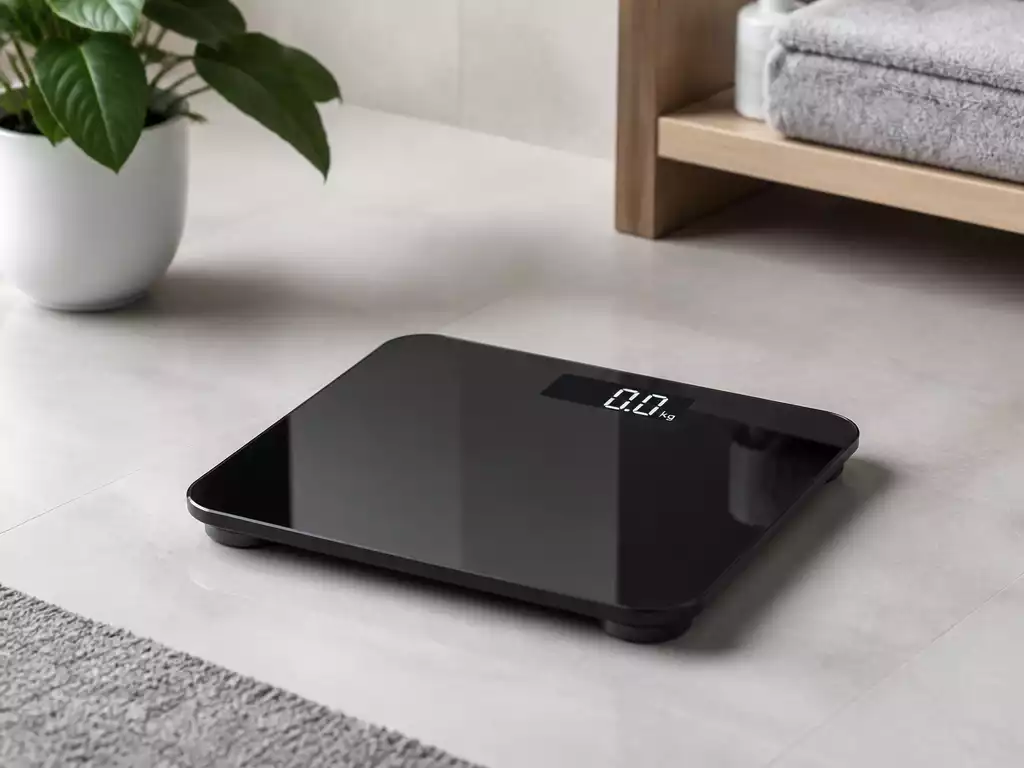
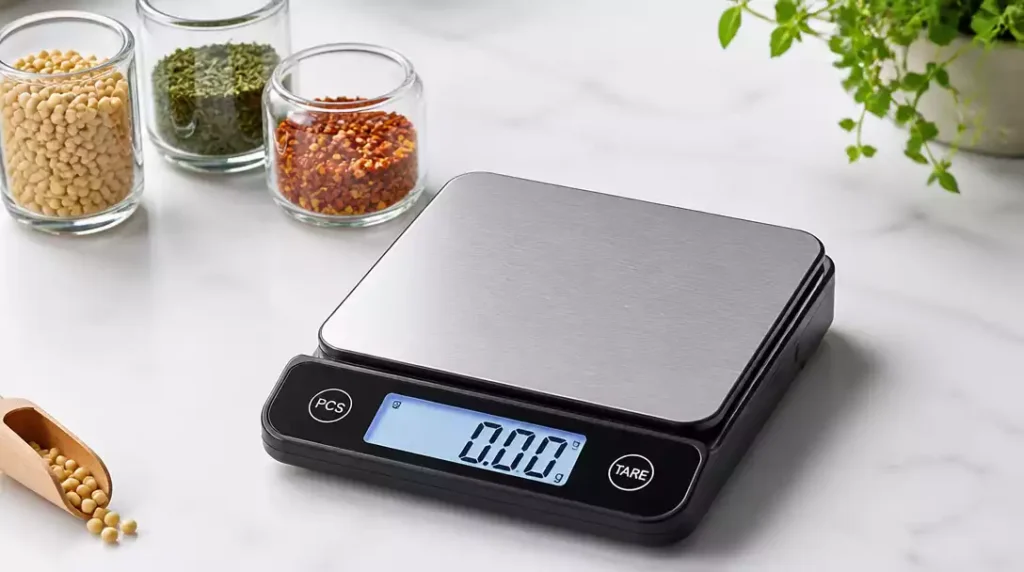
A gram scale is an essential tool for anyone who needs accurate measurements, whether for cooking, crafting, or scientific purposes. These scales are designed to measure weight in grams, providing precision that helps in executing tasks correctly. Most modern gram scales use digital technology, which makes them user-friendly and efficient.
When you step on the platform of a gram scale, a sensor detects the weight of the item placed on it. This information is then converted into a readable number displayed on the screen. It’s crucial to know how to use these scales properly to ensure that your measurements are spot on every time!
What is a Gram Scale and How Does It Work?
A gram scale measures weight by using either mechanical or digital means. The mechanical types rely on a spring mechanism, while digital scales use electronic sensors for measurement. Each type has its advantages, but digital scales are typically favored for their ease of use and greater accuracy.
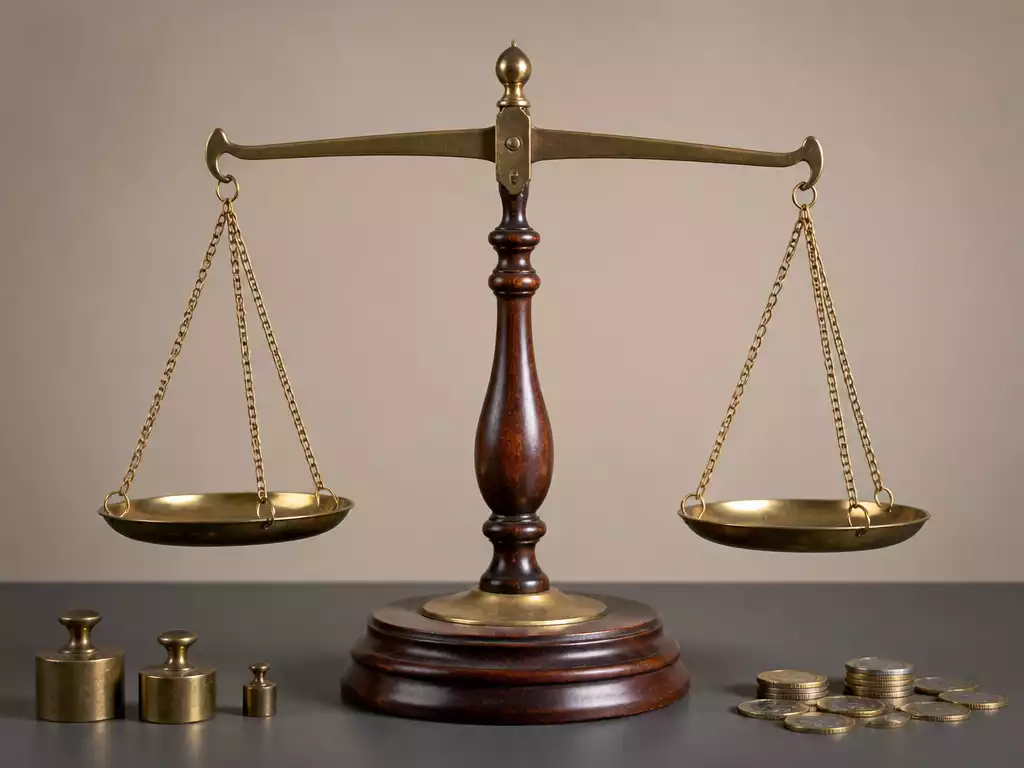
- Mechanical Scales: These are often more durable and require no batteries.
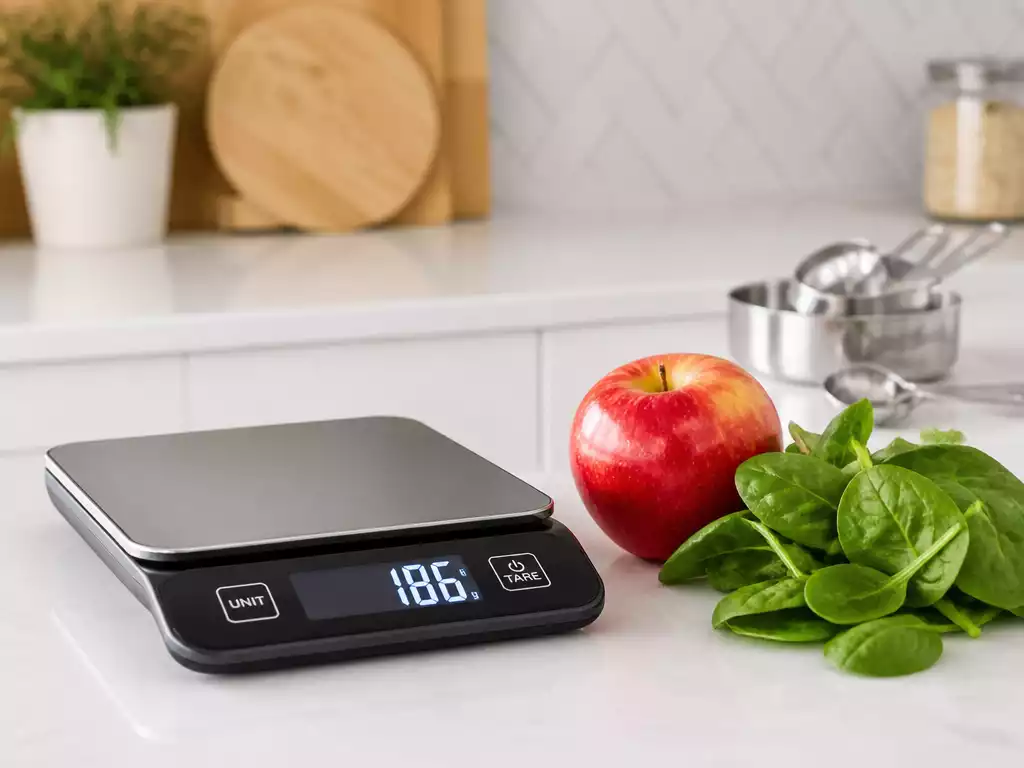
- Digital Scales: Known for their precision and often come with additional features like tare functions.
- Precision Scales: Ideal for scientific applications where exact weight is crucial.
Both types can be beneficial in different situations, but understanding their mechanics will help you choose the right one for your needs. I always recommend trying a few types at my shop to see which feels right for you! For more insights into how scales function, consider exploring how a food scale works.
The Importance of Accurate Measurements in Various Fields
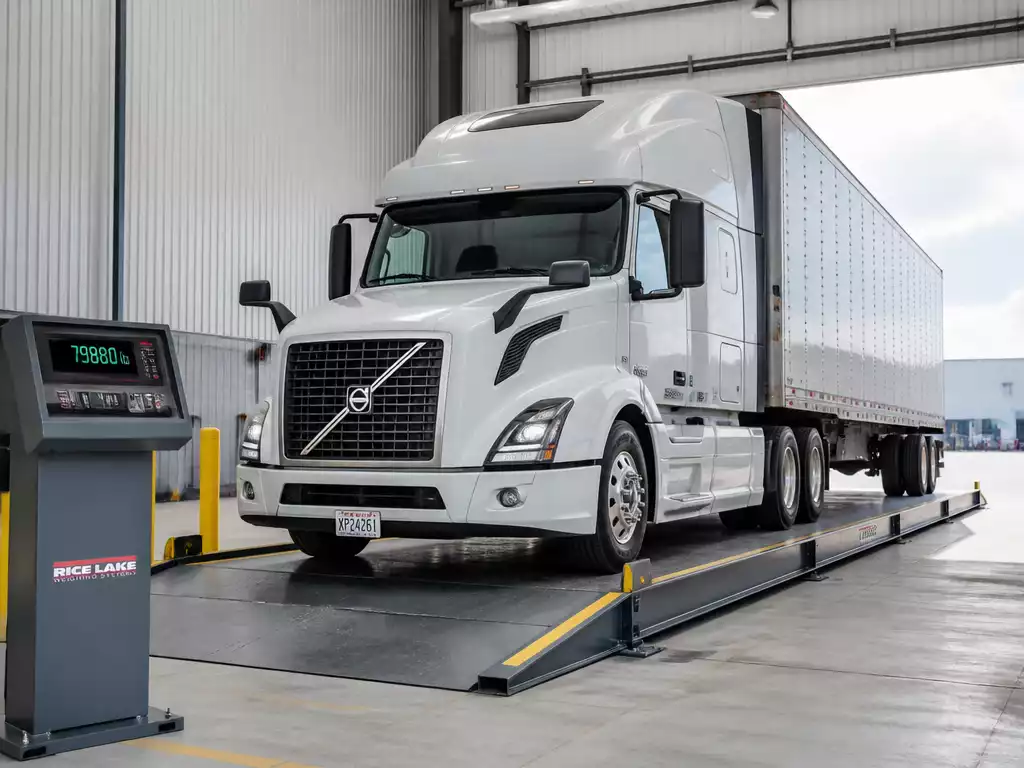
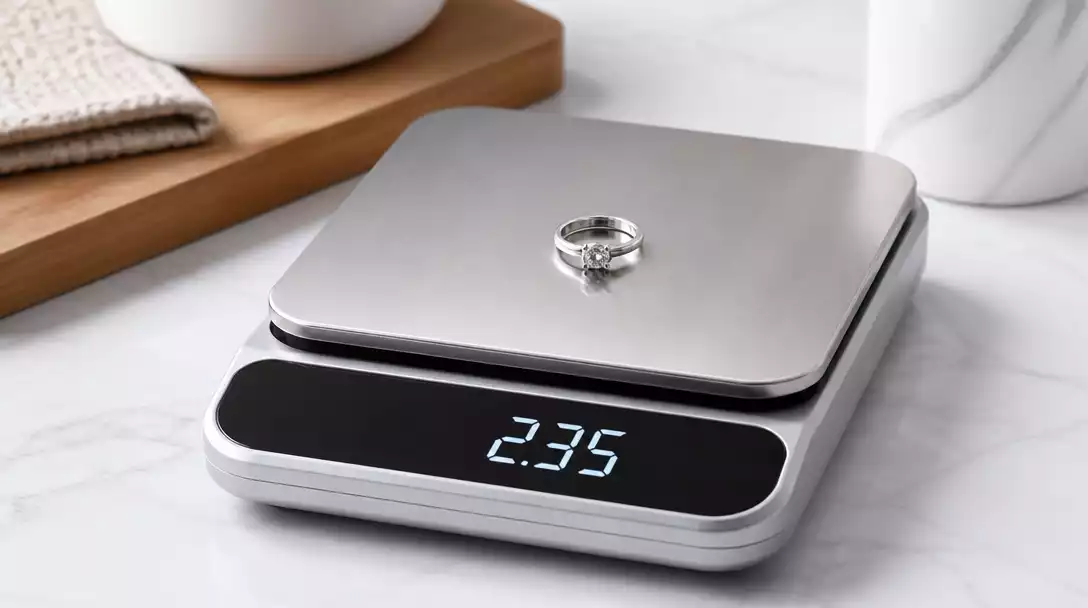
Accurate measurements are vital across numerous fields, including cooking, science, and manufacturing. In cooking, for instance, the right measurement can mean the difference between a delicious dish and a culinary disaster. In scientific research, precision is non-negotiable; even a slight variance can lead to incorrect conclusions.
- In cooking, precise measurements ensure that recipes turn out as intended.
- In science, accuracy is crucial for valid experimental results.
- In manufacturing, it affects quality control and product consistency.
Each field has its standards for measurement, but the underlying principle remains the same: accuracy matters. That’s why I’m passionate about providing the right tools to help everyone, from home cooks to professional chefs, achieve their desired outcomes! If you’re curious about different types of measurements, you might also be interested in how to read a hydrometer scale.
Types of Gram Scales: Digital vs Mechanical vs Precision
Choosing the right type of gram scale is essential for achieving the best results. Here’s a breakdown of the main types:
- Digital Scales: These offer instant readings and are generally easier to operate, making them perfect for everyday use.
- Mechanical Scales: Often considered more rugged, they don’t require batteries, which can make them a reliable choice for outdoor activities.
- Precision Scales: These scales provide very fine measurements, often down to milligrams, ideal for scientific or pharmaceutical applications.
Each type has its strengths, so consider what you’ll primarily use your gram scale for. I always say, “test them out!”—you might find that one type suits your needs better than the others.
Pro Tip
Did you know? Regularly cleaning your gram scale not only maintains its accuracy but also prolongs its lifespan. Simply use a damp cloth and avoid harsh chemicals to keep your scale in top condition!
Recap of Key Takeaways on Reading a Gram Scale
As we wrap up our discussion on reading a gram scale, let’s highlight the essential steps that ensure you achieve accurate measurements. Knowing how to properly use your gram scale can significantly impact your recipes, projects, and even health tracking.
Here are the crucial steps to keep in mind:
- Ensure the scale is on a level surface to avoid inaccurate readings.
- Always tare the scale before measuring ingredients to account for container weight.
- Read the display carefully, noting decimal points and unit conversions.
- Regularly check for any calibration issues that could affect precision.
By following these steps, you’ll guarantee that your gram scale delivers the precision you need, whether you’re cooking, crafting, or managing your weight!
Final Thoughts on Choosing the Right Type of Gram Scale for Your Needs
When it comes to selecting the perfect gram scale, consider your specific needs. Are you using it for cooking, crafting, or maybe for professional lab work? Each scenario may require a different type of scale.
Here’s a quick overview of the main options available:
- Digital Scales: Best for quick and easy readings with high precision.
- Mechanical Scales: Ideal for those who prefer a traditional approach without batteries.
- Precision Scales: Perfect for lab settings where minute measurements are crucial.
Choosing the right scale can make all the difference in your accuracy and satisfaction in whatever task you are undertaking. If you’re unsure, feel free to reach out—I’d love to help you find the best fit!
Engaging with Readers: Your Questions Answered
Frequently Asked Questions About Gram Scales
It’s common to have questions when starting with gram scales, so here are some frequently asked questions that might help clear things up:
- What is the best way to clean my gram scale? Use a damp cloth; avoid harsh chemicals! For more detailed cleaning advice, see our guide on how to clean a digital scale.
- How often should I calibrate my scale? Ideally, calibrate before major use or if you notice any discrepancies.
- Can I use my gram scale for measuring liquids? Yes, but make sure to account for the container weight!
- What is the difference between a mechanical and a digital gram scale? Mechanical scales use springs and don’t require batteries, while digital scales use electronic sensors for greater precision and often have more features.
- Why are accurate measurements so important in cooking? Accurate measurements ensure consistency in recipes, leading to better results and preventing culinary failures.
- How do I ensure my gram scale is providing accurate readings? Place it on a level surface, tare it before each use, and calibrate it regularly.
Encouragement to Share Experiences and Tips
I love hearing from fellow users about their experiences with gram scales! Whether you have tips on weighing ingredients or a story about a project, your insights can help others in our community.
Feel free to drop your thoughts in the comments below or reach out directly—sharing our knowledge can make all of us better at what we do!
Exploring Scale Apps for Enhanced Measurement Tracking
For those looking to take their measurement game even further, consider using scale apps! These handy tools help track your measurements, keep logs of your recipes, and provide conversions, making your gram scale even more effective.
Some popular scale apps include:
- Kitchen Scale Pro: Perfect for home cooks!
- Weigh My Stuff: Great for crafting and precise weights.
- My Weight Tracker: Ideal for those focused on nutrition and health.
Using these apps can streamline your processes and enhance your overall experience with your gram scale. If you have a favorite app, I’d love to hear about it!
Recap of Key Points
Here is a quick recap of the important points discussed in the article:
- Understand the differences between mechanical and digital gram scales to choose the right one for your needs.
- Accurate measurements are crucial in cooking, science, and manufacturing to achieve desired results.
- Always use the tare function and ensure the scale is on a level surface for precise readings.
- Calibrate your scale regularly to maintain accuracy.
- Consider using scale apps for enhanced measurement tracking and recipe management.