In the world of digital scales, a small component can lead to significant issues. Knowing when and how to replace your scale’s battery is crucial for maintaining its performance. Dive into this guide to discover essential insights that will keep your Taylor scales operating flawlessly.
What You Will Learn
- Common reasons for battery replacement, including age, type, and environmental factors.
- Key signs indicating a low battery, such as delayed power-on and erratic readings.
- The difference between lithium and alkaline batteries in terms of lifespan and performance.
- Essential maintenance tips to prolong your scale’s lifespan and functionality.
- When to seek professional help for persistent issues beyond simple battery replacement.
- Understanding modern scale features that enhance accuracy, like auto-calibration and memory functions.
Understanding the Need for Battery Replacement in Taylor Scales
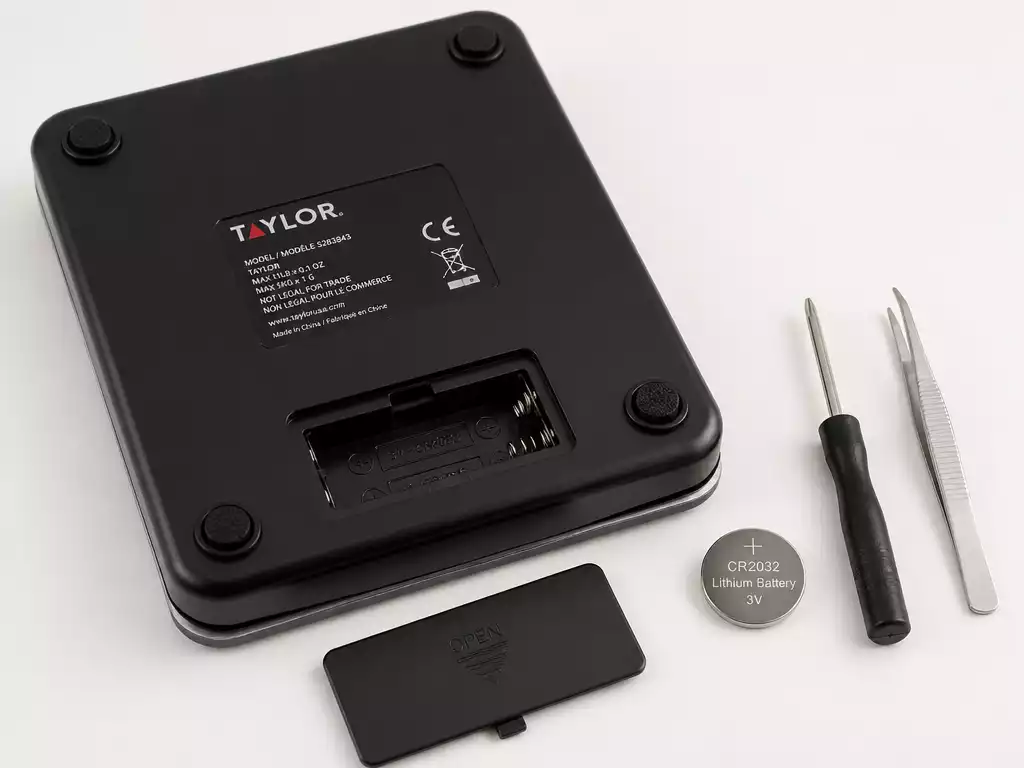
At our business, we’ve seen many customers puzzled when their Taylor scales suddenly stop working. It’s essential to understand that, just like any electronic device, your scale needs a reliable power source to function correctly. This is where battery replacement comes into play! In this section, we’ll explore why your scale might need a new battery, how to spot signs of battery issues, and the basics of battery life for digital scales.
Why Your Taylor Scale Might Need a New Battery
There are several reasons your Taylor scale may require a battery replacement. Over time, batteries naturally lose their charge, which can lead to unexpected shutdowns or inaccurate readings. Additionally, if your scale is frequently used, it may wear out the battery much faster than you expect!
- Age of the battery: Older batteries are more likely to fail.
- Type of battery: Some batteries have shorter lifespans than others.
- Environmental factors: Extreme temperatures can affect battery performance.
Understanding these factors can help you anticipate when your scale will need a new battery, ensuring you’re never caught off guard.

Identifying Common Signs of Battery Issues
Recognizing the signs that your scale’s battery is running low is crucial. Look out for these common indicators:
- The scale takes longer to power on.
- Readings appear erratic or flickering.
- An unexpected error message displays on the screen.
If you notice any of these symptoms, it may be time to replace the battery. Addressing battery issues early can help maintain the accuracy and reliability of your scale.
Understanding Battery Life and Power Sources for Digital Scales
Digital scales like Taylor’s typically use either lithium or alkaline batteries, and understanding their life expectancy can save you time and hassle. Most batteries last anywhere from 6 months to 2 years, depending on usage and the battery type.
- Lithium batteries: Known for their long life and stable power output.
- Alkaline batteries: More common but may require more frequent replacements.
To get the most out of your scale, always check the power source type and consider opting for higher-quality batteries that can enhance performance!
Quick Summary
Here’s a brief recap of the key points discussed so far:
- Your Taylor scale may need a battery replacement due to age, type, or environmental factors.
- Common signs of battery issues include slow power-on, erratic readings, and error messages.
- Understanding battery types and their lifespan can help you manage replacements effectively.
Frequently Asked Questions About Taylor Scales
Q: Why is my Taylor scale not turning on?
A: Your Taylor scale might not be turning on due to an old or depleted battery. Check for signs like delayed power-on or flickering readings, which indicate it’s time for a battery replacement.
Q: How often should I replace the battery in my Taylor scale?
A: The lifespan of batteries in digital scales typically ranges from 6 months to 2 years, depending on usage and battery type (lithium or alkaline). It’s best to replace them when you notice signs of low power.
Q: What are the main differences between lithium and alkaline batteries for scales?
A: Lithium batteries are known for their longer life and more stable power output, while alkaline batteries are more common but may require more frequent replacements. Both types are generally suitable, but lithium often offers extended performance.
Q: How can I improve the lifespan of my Taylor scale?
A: Regular maintenance can significantly prolong your scale’s lifespan. This includes keeping it clean, avoiding extreme temperatures, checking and replacing batteries proactively, and calibrating it as recommended.
Q: When should I seek professional help for my scale instead of just replacing the battery?
A: You should seek professional help if you encounter persistent error messages that don’t resolve with a battery change, physical damage to the scale affecting its function, or inconsistent readings that cannot be corrected through calibration.
Q: What are some modern features of Taylor scales that enhance accuracy?
A: Modern Taylor scales often come with features such as auto-calibration for consistent precision, multiple measurement units (pounds, kilograms, ounces) for versatility, and memory functions to track progress over time.
Ensuring Long-Term Performance of Your Taylor Scale
At our shop, we know that keeping your Taylor Scale in top shape is key to getting accurate measurements every time! Regular maintenance can go a long long way in preventing unexpected issues down the line. Below are some practical tips to ensure your scale remains reliable and efficient.
Regular Maintenance Tips to Avoid Future Issues
- Keep your scale clean: Wipe down the surface regularly with a damp cloth.
- Avoid extreme temperatures: Store your scale in a climate-controlled area.
- Check the battery regularly: Replace batteries before they die to avoid damage.
- Calibrate your scale as recommended: This ensures accuracy for all measurements.
Implementing these simple maintenance tips can help extend the lifespan of your scale. By taking just a few minutes each month to care for your Taylor Scale, you’ll save time and money in the long run!
When to Seek Professional Help for Scale Problems
Sometimes, despite your best efforts, your scale may still encounter issues. It’s important to know when to reach out for help from professionals. If you experience any of the following, it might be time to call in an expert:
- Persistent error messages that don’t resolve after battery replacement.
- Physical damage to the scale that affects its functionality.
- Inconsistent readings that can’t be calibrated.
When in doubt, seeking assistance can save you from further complications! Our team is here to help you troubleshoot or repair your Taylor Scale, ensuring that you get back to accurate measuring.
Understanding Scale Features and Technology for Enhanced Accuracy
Modern Taylor Scales come equipped with a variety of features that enhance their accuracy and usability. Familiarizing yourself with these can improve your experience:
- Auto-calibration: Some models calibrate automatically, ensuring precision.
- Multiple measurement units: Switch between pounds, kilograms, and ounces effortlessly.
- Memory function: Save your measurements over time for tracking progress.
By understanding these features, you can maximize the functionality of your scale. Don’t hesitate to reach out if you have questions about specific features on your model!
Recap of Key Points
Here is a quick recap of the important points discussed in the article:
- Battery replacement is essential for maintaining the functionality of your Taylor scale.
- Common signs of battery issues include slow power-on times, erratic readings, and unexpected error messages.
- Digital scales typically use lithium or alkaline batteries, with varying life expectancies based on usage.
- Regular maintenance, such as cleaning and calibrating, can prevent future issues and extend the lifespan of your scale.
- Know when to seek professional help for persistent errors, physical damage, or inconsistent readings.
- Familiarize yourself with scale features like auto-calibration and memory functions for enhanced accuracy.