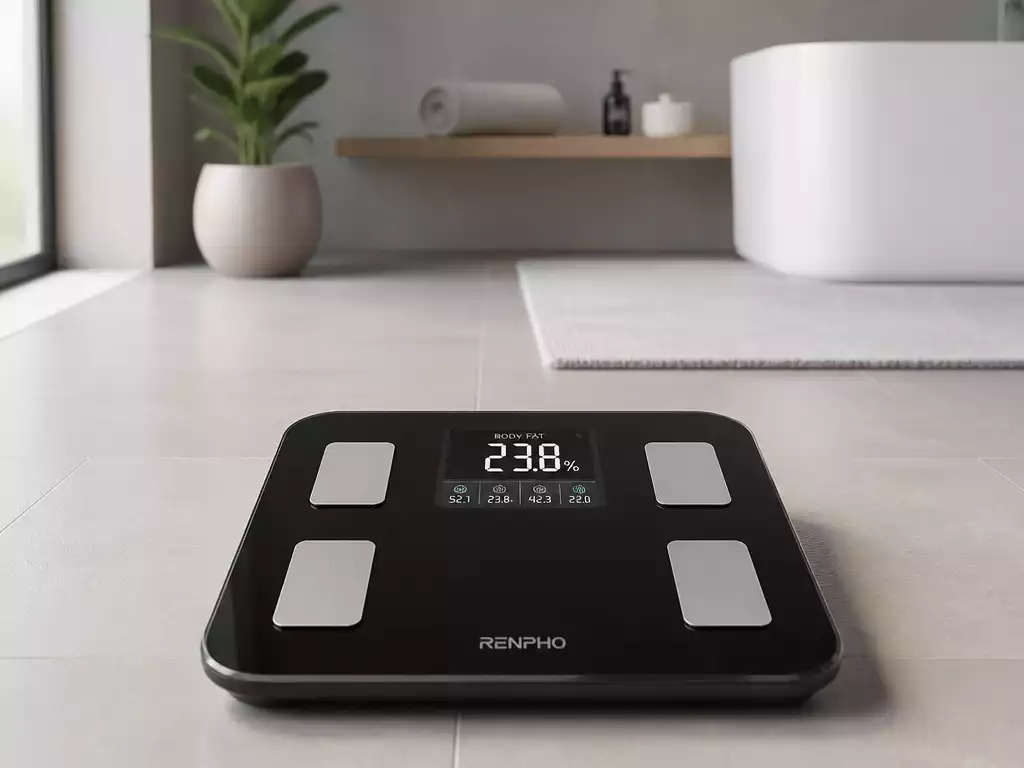
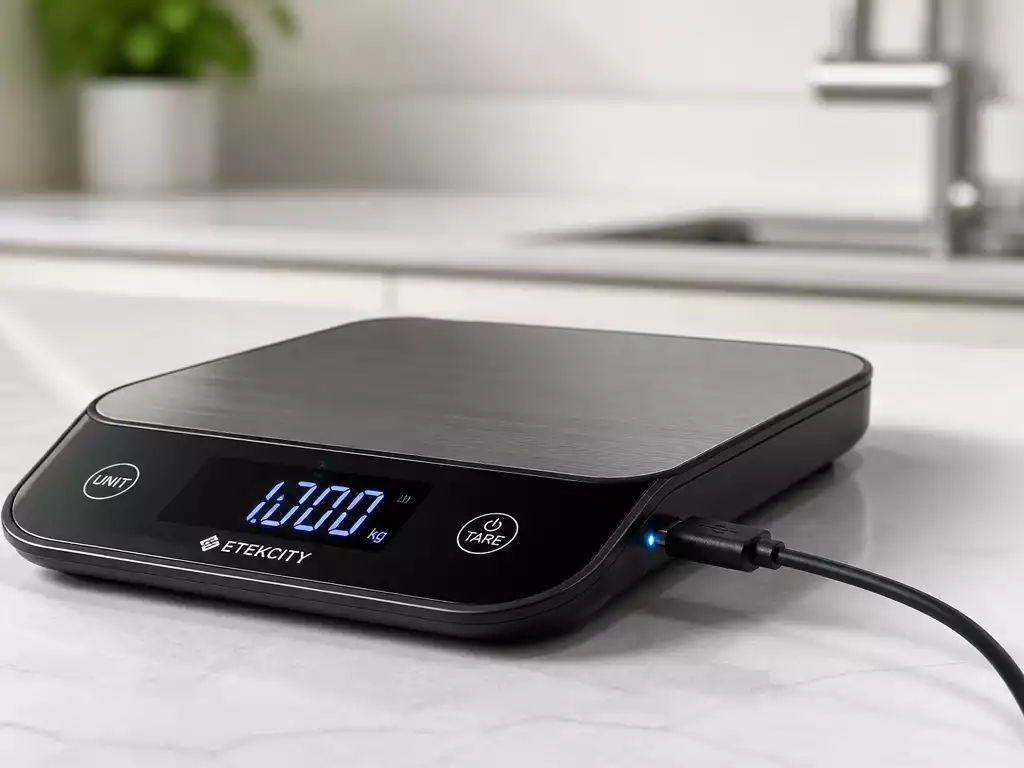
When it comes to maximizing the performance of your digital weighing scale, understanding proper charging is crucial. Many users overlook this simple yet vital aspect, which can lead to unexpected issues. Let’s explore some essential insights that will keep your scale operating at its best!
What You Will Learn
- The significance of proper charging for accurate weight readings and extended battery life.
- Differences between rechargeable and battery-powered digital scales, including their respective pros and cons.
- Key features to identify in your scale, such as power sources and battery types.
- Practical charging tips, including the importance of using the correct cables and following manufacturer instructions.
Understanding Your Digital Weighing Scale: Charging Basics
When it comes to using your digital weighing scale effectively, understanding charging basics is key. Properly charging your scale not only ensures reliable performance but also helps prolong its lifespan. Many users overlook this critical aspect, leading to unexpected issues and inaccurate readings. In this section, we’ll explore why charging is important and the different types of digital scales available.
As someone who values precision in weighing, I’ve seen firsthand how a well-maintained scale can make all the difference. Let’s dive into the essentials of keeping your scale powered up!
The Importance of Proper Charging for Digital Scales
Proper charging is vital for the accuracy and functionality of your digital weighing scale. A fully charged scale provides consistent results and reduces the chances of calibration errors. Without proper charging, users may experience dim displays or, worse, complete power failure.
- Consistent weight readings
- Enhanced battery life
- Reduced risk of malfunction

Not only does proper charging contribute to accurate measurements, but it also keeps your scale ready for use whenever you need it. I always recommend checking the charging status before weighing, especially if your scale hasn’t been used for a while!
Types of Digital Weighing Scales: Rechargeable vs. Battery-Powered
There are mainly two types of digital weighing scales you’ll encounter: rechargeable and battery-powered. Each has its pros and cons, which can impact your decision based on your needs. Rechargeable scales are convenient, as they can be plugged in and used repeatedly without needing to replace batteries frequently.
- Rechargeable Scales: Easy to charge, eco-friendly, and cost-effective long-term.
- Battery-Powered Scales: Typically more portable, but you’ll need to replace batteries regularly.
Understanding these differences can help you make an informed choice when purchasing a scale. I often guide my customers through this process to ensure they choose the right fit for their lifestyle and weighing needs!
Identifying Key Scale Features: Understanding Power Sources and Battery Types
To maximize your scale’s potential, it’s essential to understand its power sources and battery types. Most digital scales will either come with built-in batteries or use removable ones. Knowing which type your scale utilizes will aid in proper maintenance and charging practices.
- Built-in Batteries: Typically rechargeable, these batteries charge directly from the scale.
- Removable Batteries: These require manual replacement and can vary in type, like AA or AAA.
Identifying these features will help you avoid common pitfalls in scale usage and charging. As a business that prides itself on customer education, I always emphasize the importance of knowing your equipment inside and out! This knowledge can save time and hassle in the long run.
Pro Tip
Did you know? Regularly calibrating your digital weighing scale can significantly enhance its accuracy. Consider calibrating your scale at least once a month or before important weighing tasks. This practice ensures that your readings are precise and reliable, giving you greater confidence in your measurements!
Frequently Asked Questions About Digital Weighing Scales
Here are some common questions about digital weighing scales and their charging:
- Q: Why is proper charging important for my digital weighing scale?
- A: Proper charging ensures consistent and accurate weight readings, extends the battery’s lifespan, and reduces the risk of malfunctions such as dim displays or complete power failure.
- Q: What are the main types of digital weighing scales, and how do they differ in terms of power?
- A: The two main types are rechargeable scales and battery-powered scales. Rechargeable scales have built-in batteries that can be plugged in and recharged, offering convenience and eco-friendliness. Battery-powered scales use removable batteries (e.g., AA or AAA) that need to be replaced periodically, offering more portability.
- Q: How can I identify the power source and battery type of my digital scale?
- A: Check your scale’s user manual or look for indicators on the scale itself. Built-in batteries are usually rechargeable and charge directly through a port. Removable batteries will have a compartment that opens to insert or replace batteries.
- Q: What are some essential charging practices for digital weighing scales?
- A: Always use the correct charging cables and adapters, identify whether your scale has rechargeable or removable batteries, pay attention to LED indicators for charging status, and follow the manufacturer’s instructions for optimal charging times.
- Q: How often should I calibrate my digital weighing scale?
- A: It’s recommended to calibrate your scale at least once a month or before important weighing tasks to ensure precise and reliable readings. Consult your scale’s manual for specific calibration instructions.
Wrapping Up Your Digital Weighing Scale Charging Journey
As we come to the end of our exploration into the world of digital weighing scale charging, it’s essential to recap the most vital practices and tips we’ve discussed. Proper charging not only ensures that your scale functions correctly but also extends its lifespan, making it a worthwhile investment for any user.
Remember, taking a few moments to understand your scale’s charging requirements can save you from unexpected inconveniences later. Here’s a quick summary of key charging practices:
- Use the correct charging cables and adapters for your scale.
- Identify whether your scale has a rechargeable or removable battery.
- Pay attention to LED indicators to gauge charging status.
- Follow the manufacturer’s instructions for optimal charging times.
By adhering to these tips, you can help ensure that your digital scale is always ready when you need it!
Encouragement to Prioritize Proper Usage and Care
It’s easy to overlook the care and maintenance of your scale, but I encourage you to make it a priority! Treat your scale well, and it will repay you with years of accurate measurements. After all, keeping your scale in top shape means you can trust the readings for everything from daily weight checks to precise cooking measurements.
Don’t forget to regularly check for battery life and to clean the surface as necessary. Proper usage includes being mindful of how much weight the scale can handle and avoiding sudden impacts that may affect its accuracy. A little care can go a long way!
Further Resources and Next Steps
If you’re eager to learn more about digital weighing scales, there are plenty of resources available to dive deeper into the specifics. I recommend checking out user manuals or online guides tailored to your specific model. They often contain invaluable information on advanced features and maintenance tips.
Additionally, if you ever need personalized assistance, whether it’s scale calibration or advanced maintenance tips, feel free to reach out! Our team at [Your Business Name] is always here to help you get the most from your digital weighing scale.
Where to Find More Information on Digital Weighing Scales and User Guides
For further exploration into the world of digital weighing scales, consider the following resources:
- Manufacturer websites for user manuals and product-specific guides.
- Online forums and communities where users share their experiences.
- Social media groups dedicated to health, cooking, or specific brands of scales.
These resources can provide not only practical insights but also community support.
Connect with Experts for Personalized Assistance on Scale Calibration and Maintenance
If you’re looking for expert advice, there are many ways to connect with professionals who specialize in digital scales. Don’t hesitate to reach out to:
- Your scale’s manufacturer for direct support and troubleshooting.
- Local appliance repair shops that may offer calibration services.
- Online consultation services that can guide you through maintenance remotely.
Getting in touch with the right people can provide you with tailored insights that make all the difference in your scale’s performance!
Recap of Key Points
Here is a quick recap of the important points discussed in the article:
- Proper charging is essential for accurate weight readings and prolonging the scale’s lifespan.
- Know the difference between rechargeable and battery-powered scales to make an informed choice.
- Understand your scale’s power sources, whether it has built-in or removable batteries.
- Regularly check charging status and follow manufacturer guidelines for optimal use.
- Prioritize care and maintenance to ensure the scale remains reliable for accurate measurements.