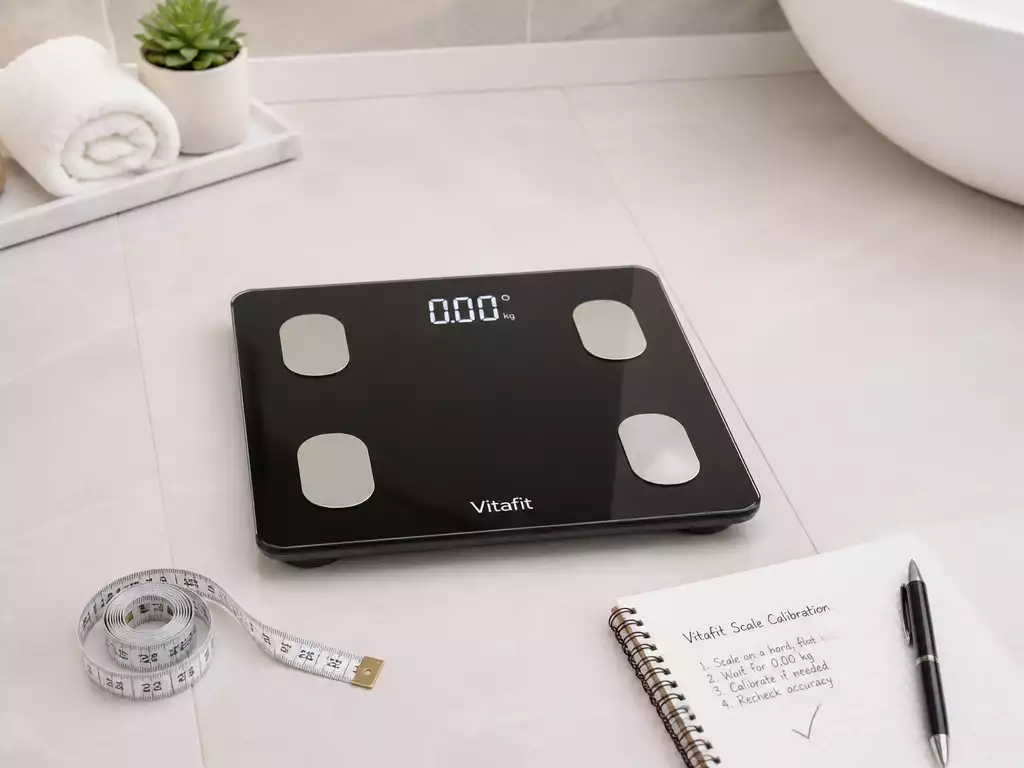
Did you know that maintaining accurate calibration for your Vitafit scale can significantly impact your health-tracking journey? This simple yet crucial step ensures you get reliable data to support your fitness goals.
What You Will Learn
- Vitafit scales utilize advanced load cell technology for precise weight measurements and body composition tracking.
- Regular calibration is essential to maintain accuracy and consistency in your scale’s readings.
- Common features of digital scales can enhance your health monitoring experience by tracking multiple metrics, including body fat and water percentage.
- Proper maintenance practices, such as ensuring a flat surface and recalibrating periodically, can extend the lifespan of your scale.
- Understanding the design and technology used in your scale can help optimize measurement precision and reliability.
Understanding Vitafit Scales and Calibration Needs
Welcome to the world of Vitafit scales! These innovative devices do more than just give you a number; they play a crucial role in tracking your health journey. Understanding how these scales work, and why calibration is essential, can make a significant difference in your experience. Let’s dive into what makes Vitafit scales unique and the importance of keeping them calibrated!
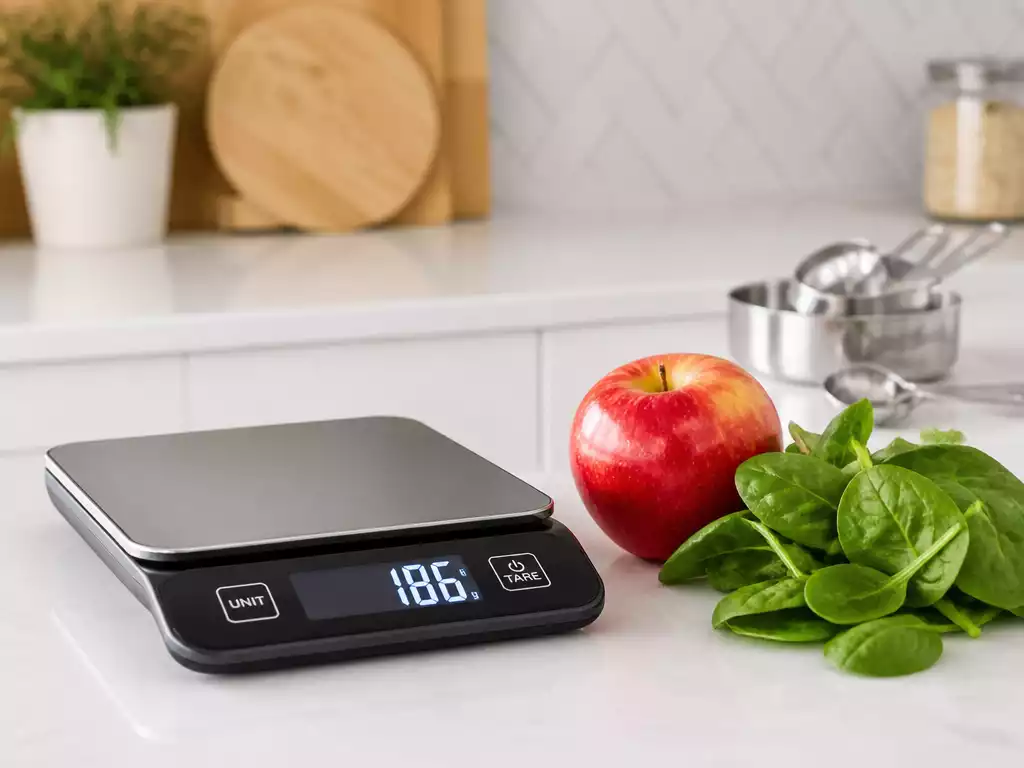
Vitafit scales utilize advanced technology to measure weight accurately. They typically use load cell technology, which means they can provide precise readings by measuring the force exerted on a sensor. This process is what allows you to see your weight and, in some models, additional metrics like body fat percentage and muscle mass. Knowing how your Vitafit scale functions is the first step to getting the most out of it!
What is a Vitafit Scale and How Does It Work?
A Vitafit scale is not your average weighing scale. It’s designed with features that cater to health-conscious individuals looking to monitor their body metrics closely. These scales often sync with apps to provide a comprehensive overview of your health data. Whether you’re trying to lose weight, gain muscle, or just maintain your current status, a Vitafit scale can help track your progress effectively.
- Weight Measurement: Accurately tracks your weight in various units.
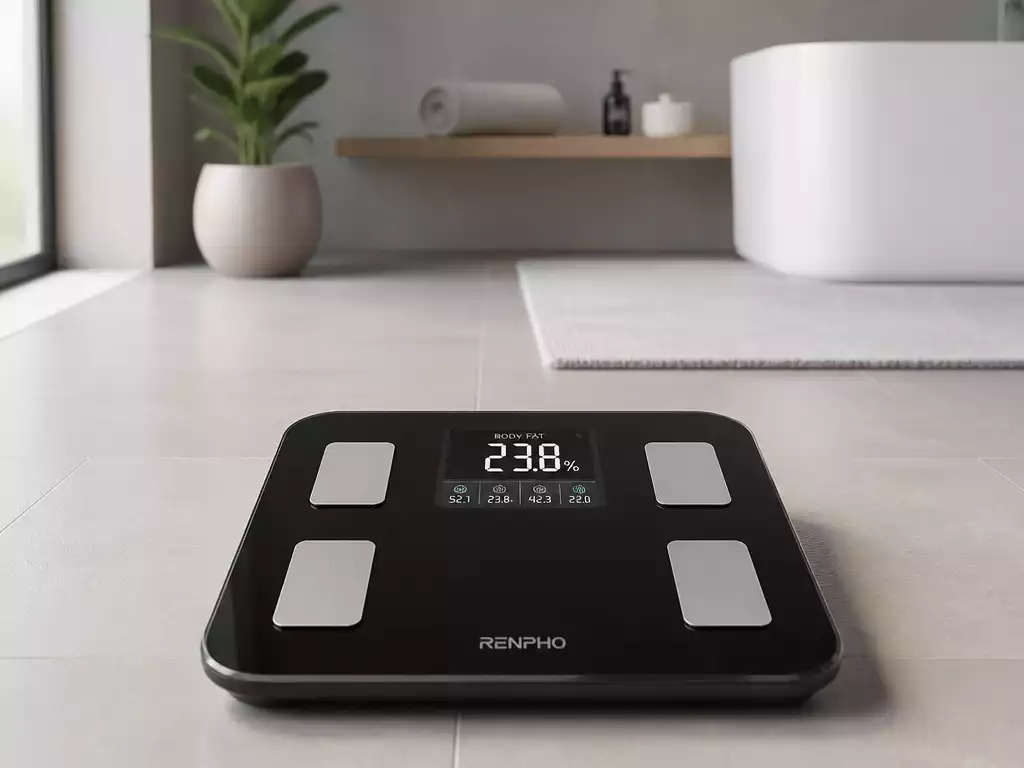
- Body Composition: Some models measure body fat, muscle mass, and more.
- Connectivity: Many Vitafit scales connect to smartphones via Bluetooth for easy data tracking.
By leveraging these features, you can tailor your health journey to meet your specific needs. And remember, for accurate readings, calibration is key!
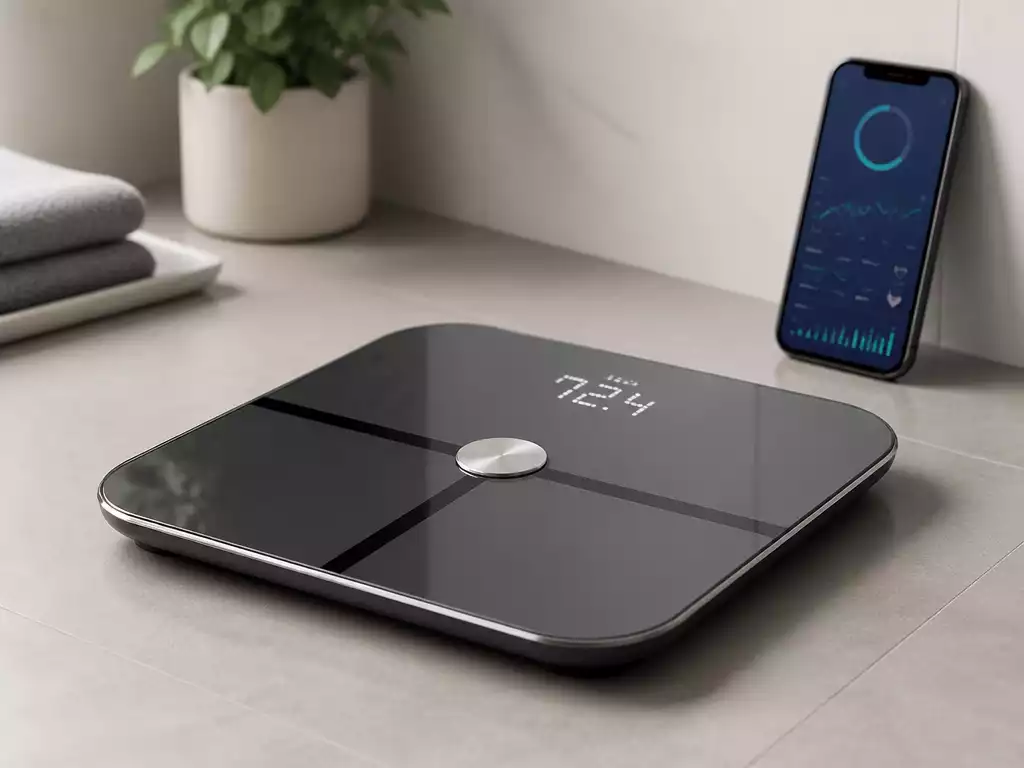
Why Calibration is Important for Accurate Readings
Calibration ensures that your Vitafit scale gives you the right numbers every time you step on it. Regular calibration helps eliminate errors caused by changes in the environment or the scale itself. If your scale is off by even a small margin, it can lead to misleading results, which can be disheartening if you’re tracking your progress!
- Consistency: Regular calibration keeps your readings reliable and consistent.
- Accuracy: It helps eliminate discrepancies in measurement.
- Lifespan: Proper maintenance can extend the life of your scale.
In short, keeping your Vitafit scale calibrated can help you stay on track with your health goals and ensure that you’re getting the most from your scale.
Common Features of Digital Scales: Weight Measurement and Beyond
Digital scales, like those offered by Vitafit, often come packed with features that go beyond simple weight measurement. Understanding these features can enhance your experience and provide you with valuable insights into your health.
- Multiple Measurements: Tracks weight, body fat, and water percentage.
- User Profiles: Supports multiple users, keeping individual data separate.
- Memory Function: Remembers past readings to track progress over time.
These features help you monitor not just your weight, but your overall health trends. This comprehensive approach makes Vitafit scales an excellent choice for anyone serious about their fitness journey. Now that we’ve covered the basics, let’s delve into how to calibrate your Vitafit scale effectively!
Pro Tip
To ensure the longevity and accuracy of your Vitafit scale, consider calibrating it at least once a month, or more frequently if you move it to a different location. This simple practice can help maintain consistent readings and keep you on track with your health goals!
Wrapping Up Calibration for Your Vitafit Scale
Calibrating your Vitafit scale is essential for achieving accurate readings, but maintaining that calibration is just as important. After you’ve gone through the calibration process, it’s crucial to keep your scale in a stable environment and follow a few best practices to ensure consistent accuracy. A well-maintained scale will give you reliable data, which is vital for tracking your health progress!
Here’s a quick list of tips for maintaining calibration:
- Regularly check the surface where your scale is placed.
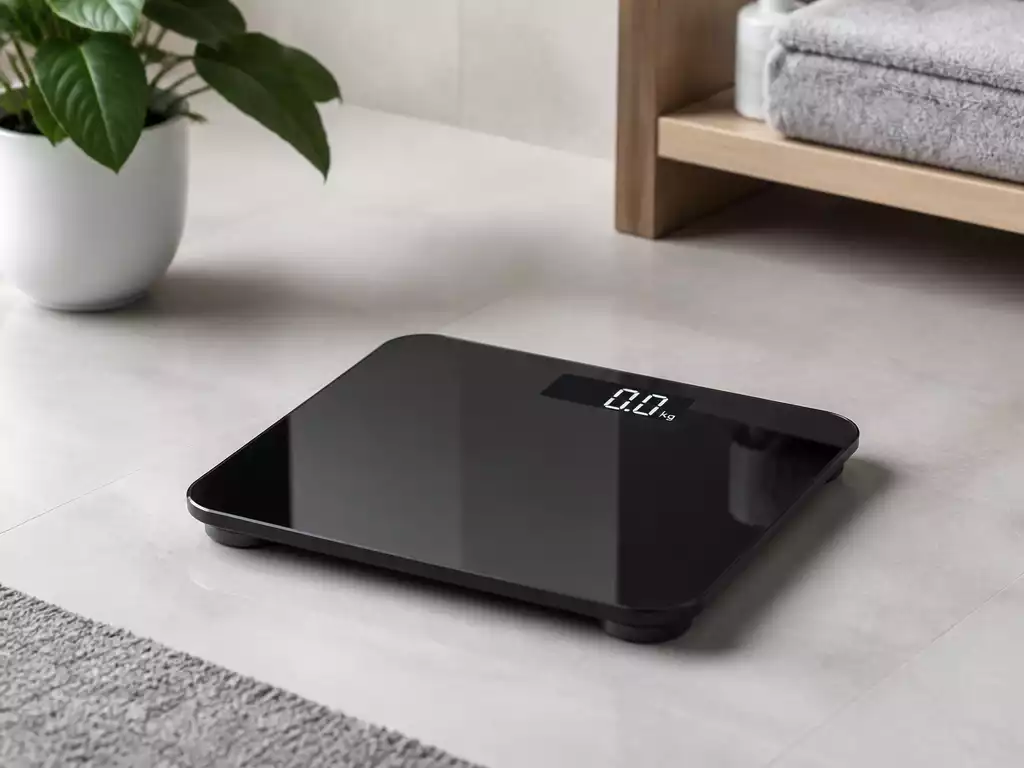
- Ensure the scale is always on a flat, hard surface to avoid inaccuracies.
- Keep the area around the scale clean and free from dust.
- Recalibrate periodically, especially if the scale has been moved.
By following these simple guidelines, you can trust the numbers you see on your Vitafit scale and stay on top of your health journey!
When to Seek Professional Help for Scale Issues
Even with the best care, sometimes issues arise. If your Vitafit scale continues to display incorrect readings after calibration, it might be time to seek professional help. Here are a few signs that indicate you should consider getting your scale serviced:
- Persistent error messages that you can’t resolve.
- Readings that fluctuate wildly without any clear reason.
- The scale fails to turn on or respond properly.
Don’t hesitate to reach out to customer support or a professional technician if you notice these signs. Trust me, having a properly functioning scale is vital for effective weight management!
Understanding Scale Design and Its Impact on Measurement Precision
Another factor to consider is how the design of your Vitafit scale can affect measurement precision. For example, different models may utilize varying technologies for weight measurement, from simple mechanical systems to advanced digital sensors. Understanding these differences can help you optimize your use of the scale.
Here are some aspects of scale design to keep in mind:
- The type of sensors used (load cell vs. strain gauge).
- The scale’s maximum capacity and resolution.
- How the scale’s surface and shape can affect weight distribution.
Taking these factors into account can help you ensure that your scale delivers accurate and reliable results every time you step on it!
Engage with Us: Your Calibration Questions Answered
We love interacting with our community of Vitafit scale users! If you have questions or need assistance with calibration, don’t hesitate to reach out. Your experiences can also help others in their calibration journey, so feel free to share!
Frequently Asked Questions (FAQs) About Vitafit Scale Calibration
To better assist you, we’ve compiled a list of frequently asked questions about Vitafit scale calibration:
- How often should I calibrate my Vitafit scale?
It’s recommended to calibrate your Vitafit scale at least once a month, or more frequently if you move it to a different location. This ensures consistent and accurate readings. - What should I do if my scale shows “CAL”?
If your scale displays “CAL,” it typically means it’s in calibration mode or requires calibration. Refer to your specific Vitafit scale’s user manual for detailed instructions on how to proceed with the calibration process. - Can I use any weight for calibration purposes?
For best results, use a known, precise weight (e.g., a dumbbell or a bag of sugar with a verified weight) for calibration. Avoid using your own body weight, as it may not be accurate enough for initial calibration. - Why are my readings inconsistent even after calibration?
Inconsistent readings can occur if the scale is on an uneven surface, if there’s significant temperature fluctuation, or if the scale itself has an internal issue. Ensure it’s on a hard, flat surface and recalibrate. If issues persist, seek professional help. - How does placement affect scale accuracy?
Placement significantly impacts accuracy. Always place your Vitafit scale on a hard, flat surface like tile or hardwood. Avoid rugs, carpets, or uneven flooring, which can cause inaccurate measurements due to weight distribution issues.
Share Your Experiences and Tips with the Community
Your journey matters to us! We encourage you to share your experiences with Vitafit scale calibration, as this can help others who may face similar challenges. Whether it’s tips you’ve found helpful or questions you still have, your input can create a supportive community atmosphere!
Join us in the discussion and help make the calibration journey easier for everyone. Together, we can enhance our health and wellness journey!
Recap of Key Points
Here is a quick recap of the important points discussed in the article:
- Understanding Vitafit Scales: Vitafit scales are advanced devices that measure weight and additional health metrics, utilizing load cell technology for accuracy.
- Importance of Calibration: Regular calibration is essential for consistent and accurate readings, helping to maintain the scale’s reliability and lifespan.
- Features of Vitafit Scales: Many models include multiple measurements, user profiles, and connectivity features that enhance the tracking experience.
- Maintenance Tips: Keep the scale on a flat surface, clean the area around it, and recalibrate periodically to ensure accurate results.
- Professional Help: Seek assistance if you experience persistent error messages or fluctuating readings that calibration cannot resolve.