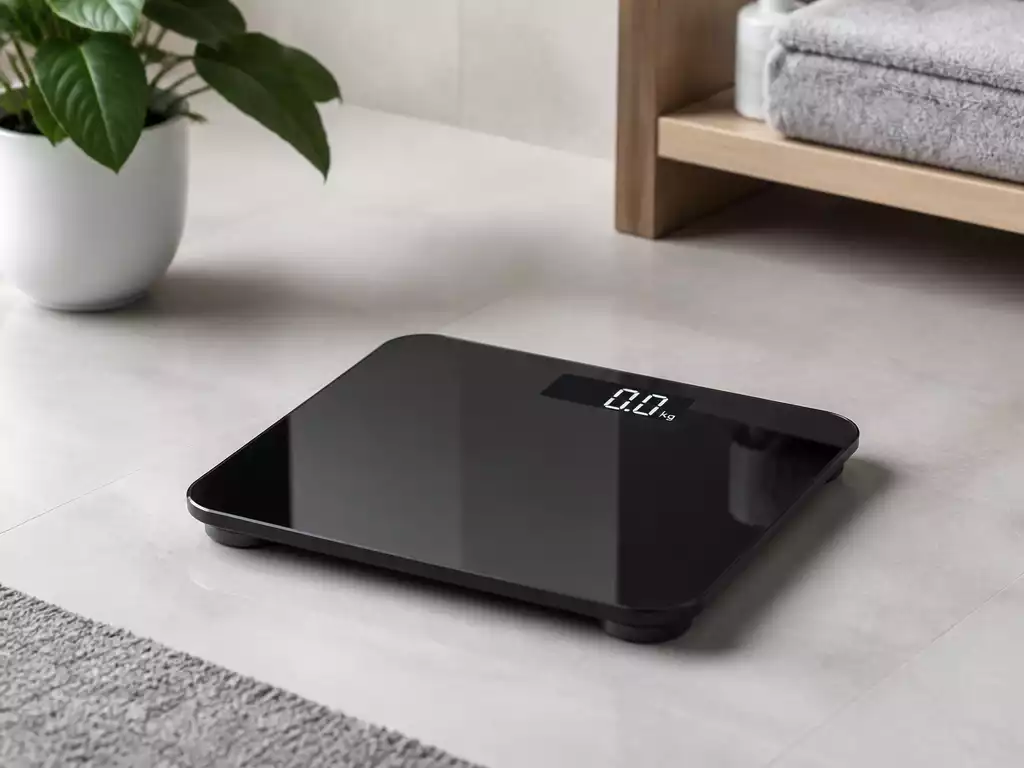
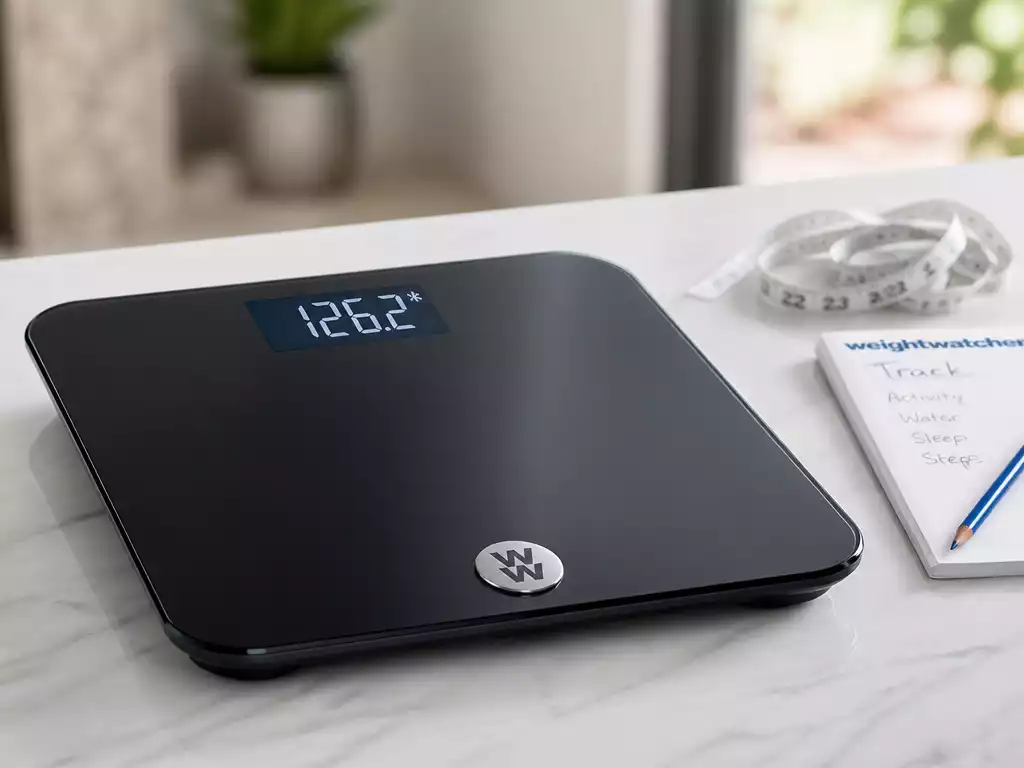
Think your Weight Watchers scale is giving you accurate readings? You might want to think again! Calibration is crucial for ensuring your scale delivers precise measurements that truly reflect your progress. Let’s explore why understanding this process can dramatically impact your weight loss journey.
What You Will Learn
- Calibration ensures precise weight readings, which are vital for effective tracking.
- Different WW scale models have unique calibration requirements; knowing your model is essential.
- Regular calibration and maintenance prevent inaccuracies, allowing for a smoother weight loss experience.
- Recognizing when a reset is sufficient can save time and frustration compared to full recalibration.
- Familiarity with common error codes helps troubleshoot issues quickly and efficiently.
- Accessing your scale’s user manual online can provide invaluable support for calibration and maintenance.
- Regular cleaning and proper storage enhance your scale’s longevity and accuracy.
Understanding the Calibration Process for Your WW Scale
Calibrating your Weight Watchers scale is essential for ensuring accurate weight measurements. It allows you to track your progress effectively and helps maintain the integrity of your weight loss journey. If you’re serious about your health goals, understanding how to calibrate your scale is a vital skill to have!
With various models on the market, it’s important to know that calibration processes can vary. In this section, we’ll explore why calibration matters, the different WW scale models you might encounter, and how calibration directly impacts accuracy and measurements.
Why Calibrating Your Weight Watchers Scale Matters
Calibration ensures that your scale provides precise weight readings. If your scale is off, it can lead to inconsistencies in your tracking and may hinder your progress. Regular calibration guarantees that you’re getting the most accurate data, which is crucial for making informed decisions about your health and wellness.
Moreover, a well-calibrated scale can help you feel more confident in your weight loss journey. You can trust that the numbers you see are reflective of your efforts! This trust can fuel motivation and keep you on track.
- Accurate measurements lead to better progress tracking.
- Regular calibration helps to maintain scale functionality.
- Proper calibration can prevent frustration and inaccuracies.
Investing a little bit of time into calibrating your scale can make a big difference in your overall experience. Trust me; you’ll be glad you did!
Overview of Different WW Scale Models
Weight Watchers offers several scale models, each designed to meet different needs. Here are some common types:
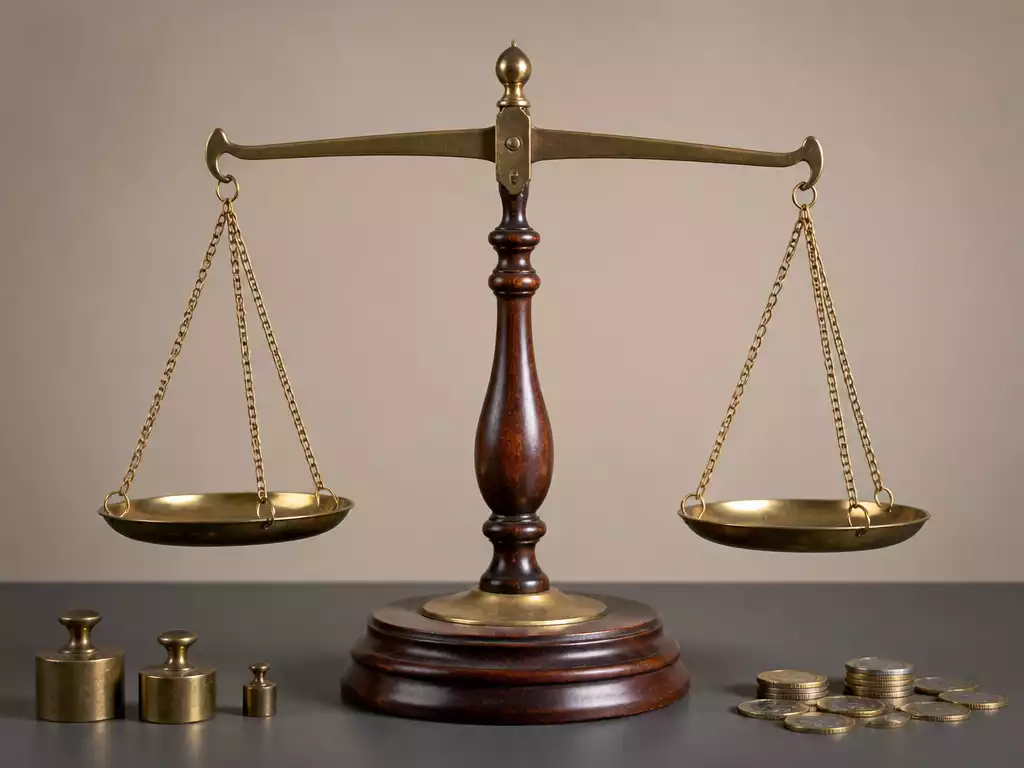
- Classic WW Scale: A manual scale that requires regular calibration.
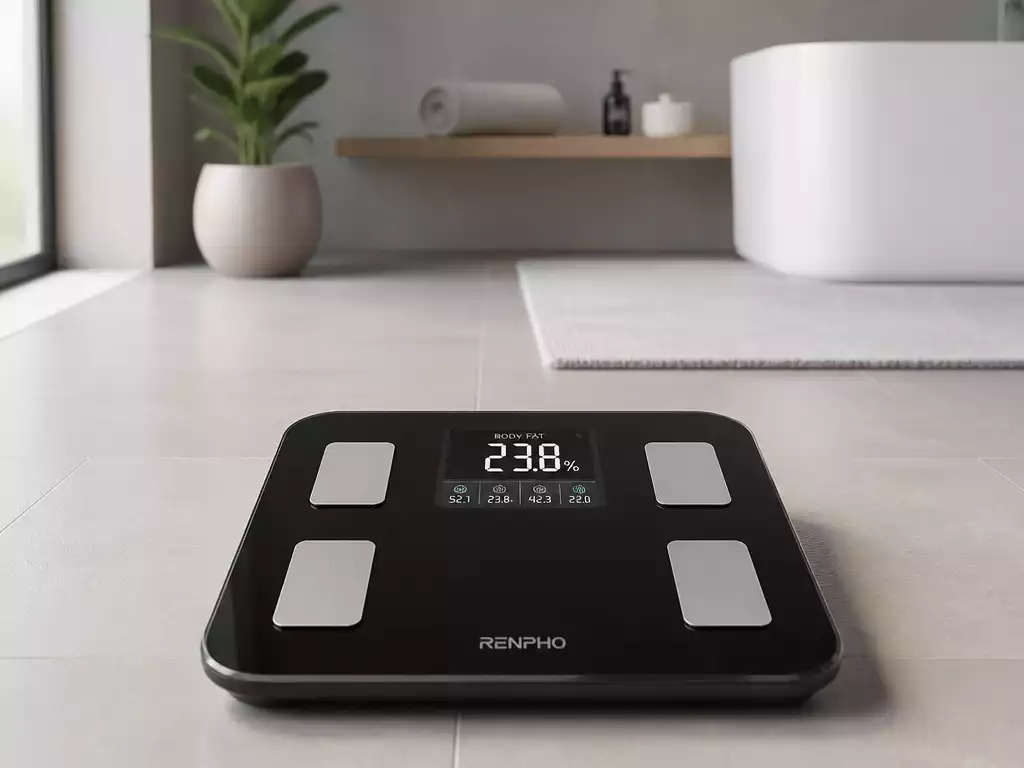
- Body Analysis Scale: This digital model measures weight, body fat, and muscle mass.
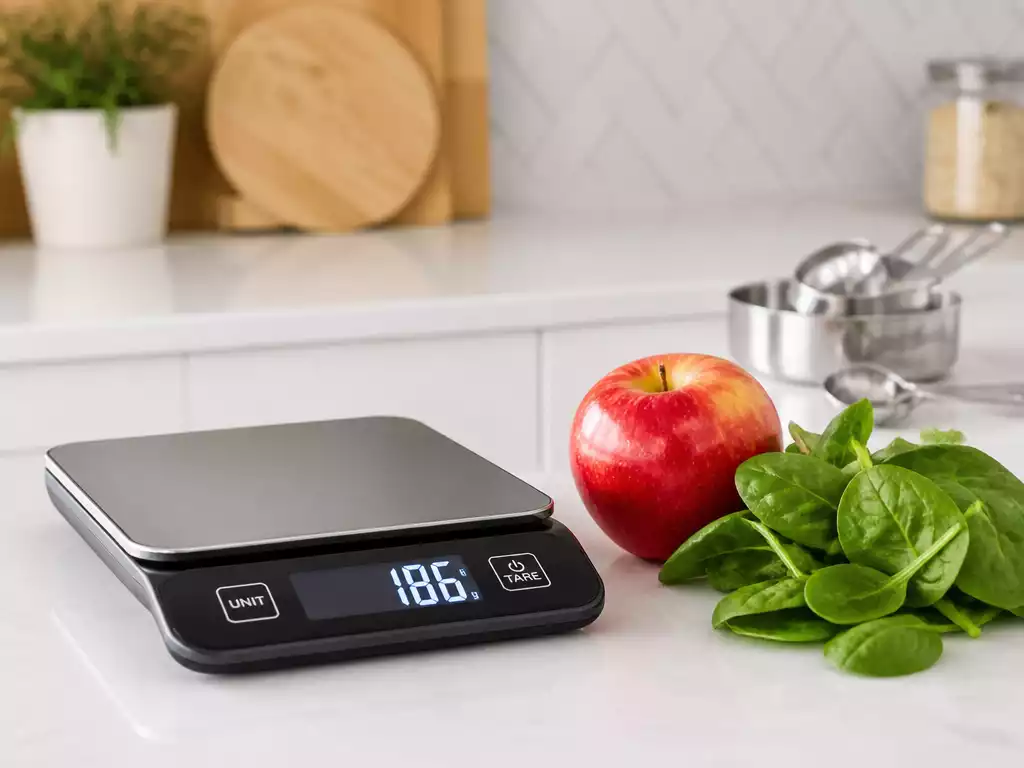
- WW Food Scale: Specifically for measuring food portions accurately.
Knowing the model you have will help you understand the specific calibration needs. Each model has its own unique features and requirements, which we’ll dive into later in the article!
How Calibration Affects Scale Accuracy and Weight Measurement
The accuracy of your Weight Watchers scale hinges on calibration. When your scale is calibrated correctly, it can provide precise readings, reflecting your true weight. Any discrepancies in calibration can lead to false readings, making you think you’ve gained or lost weight when you haven’t.
Additionally, maintaining an accurate scale is essential for consistent weight tracking over time. When each measurement is reliable, you’ll be able to make more informed choices about your diet and fitness routine. Who wouldn’t want that peace of mind?
- Improved accuracy leads to reliable tracking.
- Consistent readings help you stay motivated.
- Calibration can prevent unnecessary stress over weight fluctuations.
By understanding how calibration influences your scale’s performance, you are better equipped to maintain it. So let’s move on to the essential steps for calibrating your WW scale!
Pro Tip
Did you know? Regularly checking your scale’s calibration every month, especially if you frequently move it or change its environment, can help maintain accuracy. This small habit can save you from unnecessary stress and ensure you always have reliable readings!
When Calibration is Not Necessary
There are instances when you might wonder if you really need to calibrate your Weight Watchers scale. Understanding these moments can save you time and frustration! Calibration isn’t always essential, especially if your scale is functioning well. Let’s dive into when you can skip this step.
Understanding the Limits of Calibration
Calibration is a vital process for ensuring your scale provides accurate readings, but there are limits to its necessity. If you’re using your scale regularly and it seems to be providing consistent readings, you might not need to recalibrate it often. Factors like minor fluctuations in weight due to environmental changes can easily be misinterpreted as a need for calibration.
- Scales that are moved frequently may need calibration more often.
- Stable home environments typically reduce the need for frequent calibrations.
- Some scales come with self-calibrating features, eliminating the need for manual adjustments.
It’s important to remember that calibration is designed to enhance your scale’s accuracy. If your readings are stable and consistent, you can keep using your scale without recalibrating it unnecessarily!
When a Simple Reset is Sufficient for Home Scales
Sometimes, all your scale needs is a quick reset rather than a full calibration. If you’re experiencing minor discrepancies in weight readings, resetting the scale can often resolve the issue. Here’s when a reset may be all you need:
- After moving the scale to a different location.
- Following a change in the environment, like temperature or humidity.
- When the scale displays unusual error messages or inconsistent readings.
If you find yourself in these situations, don’t panic! A quick reset can often bring your scale back to normal. Just power it off, wait a few seconds, and turn it back on. This simple action can save you from unnecessary calibration.
Frequently Asked Questions About Weight Watchers Scale Calibration
Here are some common questions regarding the calibration of Weight Watchers scales:
- Why is calibration important for my WW scale?
Calibration ensures your scale provides precise and accurate weight readings, which are crucial for effective tracking of your weight loss progress and making informed health decisions. - How often should I calibrate my Weight Watchers scale?
It’s recommended to check your scale’s calibration monthly, especially if you move it frequently or if its environment changes. However, if your scale provides consistent readings in a stable environment, less frequent calibration might be sufficient. - What are the different types of WW scales mentioned?
The article mentions Classic WW Scales (manual), Body Analysis Scales (digital, measuring weight, body fat, muscle mass), and WW Food Scales. Each type may have different calibration requirements. - When can I just reset my scale instead of calibrating it?
A simple reset is often sufficient for minor discrepancies in readings, after moving the scale, following environmental changes (temperature/humidity), or when the scale displays unusual error messages. - What should I do if my digital scale shows an error code?
Common error codes include Err1 (overload), Err2 (low battery), and Err3 (unstable weighing surface). Understanding these codes helps you troubleshoot efficiently. If issues persist, contact customer support. - Where can I find the user manual for my WW scale?
You can usually find your scale’s user manual on the official Weight Watchers website by navigating to the support section for your specific model. - What are some general maintenance tips for my scale?
Regularly clean the scale surface, store it in a stable environment away from humidity, and check batteries periodically to ensure optimal performance and longevity.
Seeking Further Assistance and Support
Even with the best care, there may come a time when your scale needs a bit more than just calibration or a reset. Understanding when to seek help can make a big difference in your experience with your WW scale.
Common Error Codes Explained for Digital Scales
Digital scales, while user-friendly, can sometimes show error codes that can be confusing. Knowing what these codes mean is key to troubleshooting. Common error codes include:
- Err1: Indicates an overload; try removing excess weight.
- Err2: Signals low battery; replace the battery promptly.
- Err3: Reflects unstable weighing; ensure the scale is on a flat surface.
Recognizing these codes can help you troubleshoot efficiently and get back to accurate measurements in no time!
When to Contact Customer Support for Your WW Scale
If you’ve done everything possible and still face issues, it may be time to reach out to customer support. Here are some situations where contacting support is wise:
- Persistent error codes that don’t resolve with resets.
- Scale malfunction after following calibration guidelines.
- Need assistance with specific features or settings.
Customer support is there to help you, so don’t hesitate to reach out for guidance. They can often provide solutions tailored to your specific model!
How to Access Scale User Manuals and Calibration Guidelines
For detailed instructions and troubleshooting tips, having access to your scale’s user manual is invaluable. Many manufacturers, including Weight Watchers, provide manuals online. To find these resources:
- Visit the official Weight Watchers website.
- Navigate to the support section for your specific scale model.
- Download or view the manual in PDF format for convenient access.
Having these guidelines at your fingertips can make all the difference in maintaining your scale’s performance and resolving any issues quickly!
Conclusion and Next Steps for Scale Maintenance
Keeping your WW scale in tip-top shape is essential for accurate measurements. Regular maintenance is key to ensuring you get the best results.
Regular Maintenance Tips for Optimal Performance of Your Weighing System
To maintain your scale effectively, consider these simple tips:
- Clean the surface of the scale regularly to prevent buildup.
- Store your scale in a stable environment away from humidity.
- Check batteries periodically to avoid unexpected power issues.
These small steps can significantly enhance your scale’s longevity and accuracy!
Encouragement to Share Your Calibration Experience and Tips
I would love to hear about your experiences with calibrating your Weight Watchers scale! Sharing tips and tricks helps us all improve our weighing journey. Feel free to drop your thoughts in the comments below!
Recap of Key Points
Here is a quick recap of the important points discussed in the article:
- Calibration is essential for accurate weight measurements, ensuring trust in your weight loss journey.
- Different WW scale models require different calibration processes, so knowing your model is crucial.
- Regular calibration helps maintain scale functionality and prevents inaccuracies.
- Certain conditions, like stable environments or self-calibrating features, may reduce the need for frequent calibration.
- Simple resets can resolve minor discrepancies, saving you from unnecessary calibration.
- Seek customer support for persistent issues or when facing unknown error codes for your scale.
- Regular maintenance, such as cleaning and battery checks, enhances scale performance and longevity.