In the world of forestry, understanding standing timber is essential for maximizing both economic returns and environmental health. Proper measurement techniques pave the way for sustainable management practices that benefit future generations.
What You Will Learn
- What standing timber is and its significance for landowners and forestry professionals.
- Key terminology, including DBH, merchantable height, and volume, crucial for accurate timber measurement.
- The role of effective timber management in promoting sustainable forestry practices.
- How to maximize timber value through accurate scaling techniques and informed decision-making.
- The importance of forest stewardship in maintaining ecosystem health and supporting local economies.
Basics of Measuring Standing Timber
When delving into the world of forestry, one of the first concepts you encounter is standing timber. This term refers to trees that are still rooted in the ground, ready for measurement and valuation. The importance of standing timber lies in its economic value and ecological benefits, as it supports sustainable forest management. Knowing how to accurately measure and assess this resource is crucial for landowners and forestry professionals alike!
As someone who has worked in timber management, I can attest to how understanding standing timber can influence decisions about harvesting and conserving our forests.
What is Standing Timber and Why is It Important?
Standing timber represents a significant asset for landowners, as it can be sold for lumber or other forest products. Proper measurement helps determine the volume and quality of timber available for harvest. This knowledge is vital for making informed decisions about land use and enhancing economic returns.
- Supports sustainable forestry practices by ensuring responsible management.
- Informs landowners of the actual value of their timber resources.
- Facilitates effective planning for future growth and harvesting.
In essence, understanding standing timber isn’t just about the trees in a forest; it’s about the balance between environmental stewardship and economic gain!
Key Terminology in Timber Measurement: DBH, Merchantable Height, and Volume
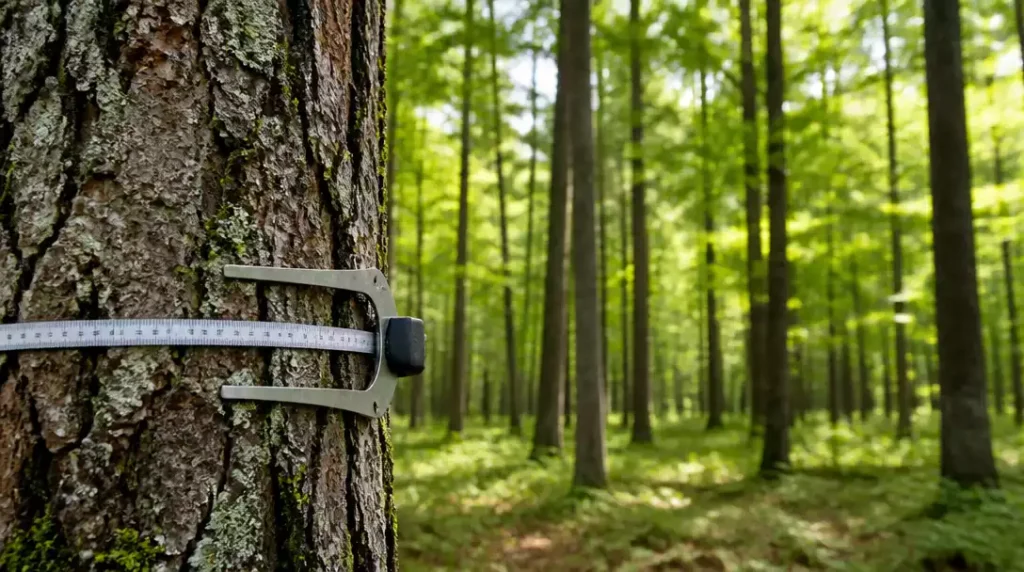
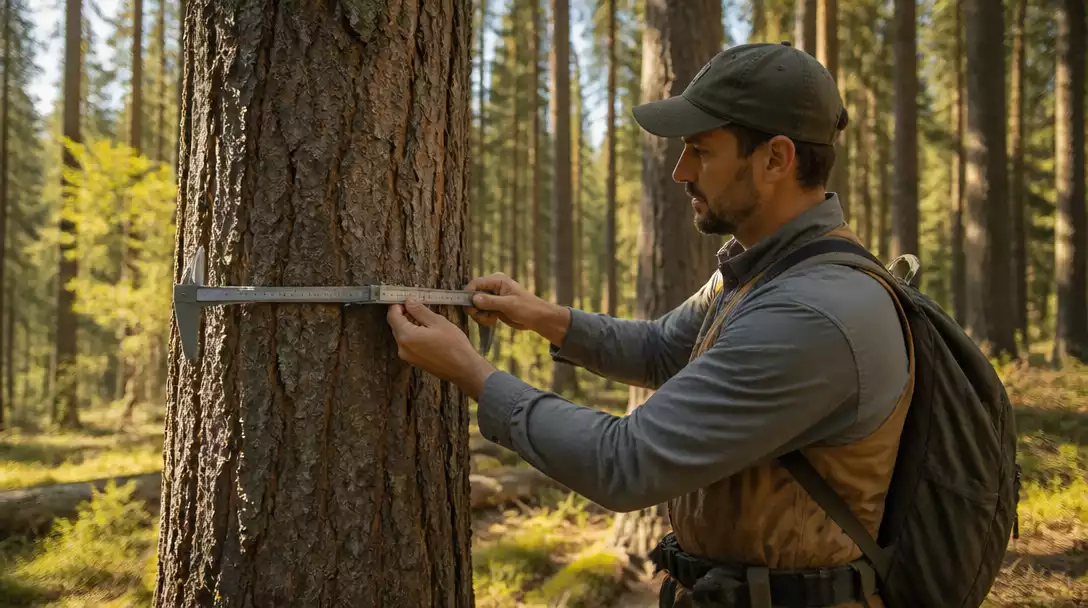
To effectively measure standing timber, familiarize yourself with several key terms. DBH (Diameter at Breast Height) refers to the diameter of a tree trunk measured at 4.5 feet from the ground. This measurement is crucial for calculating the volume of timber and estimating its value. Additionally, the merchantable height is the portion of the tree that can be harvested profitably.
- DBH: Diameter measured at breast height (~4.5 feet)
- Merchantable Height: Height of the tree suitable for harvest
- Volume: The amount of wood in a tree, usually expressed in board feet
Understanding these terms will empower you to take accurate measurements and make smart decisions regarding your timber. For an example of how precise scaling can impact your work, consider how to scale feet to inches in other measurement contexts.
The Role of Timber Management in Sustainable Forestry Practices
Timber management plays a critical role in promoting sustainability. By knowing how to measure and evaluate standing timber, we can ensure that forests remain healthy and productive for future generations. This practice involves careful planning, monitoring, and implementing techniques that foster growth while minimizing impact on the environment.
- Enables informed decision-making about harvest schedules.
- Promotes biodiversity by maintaining healthy forest ecosystems.
- Supports long-term economic benefits for landowners.
Through effective timber management, we not only preserve our natural resources but also enhance the overall health of our forests!
Pro Tip
Did you know? Regularly updating your knowledge about the latest timber measurement technologies can significantly improve your accuracy. Consider investing in digital tools or apps specifically designed for forestry management. These innovations not only streamline the measuring process but also help you stay ahead in the rapidly evolving field of timber management.
Key Takeaways on Scaling Standing Timber
As we wrap up our journey into the world of timber measurement, it’s crucial to emphasize how accurate scaling is the backbone of profitable timber management. Accurate measurements not only help in determining the value of your timber but also influence decision-making for harvesting and sales. When we measure correctly, we set ourselves up for success!
In my experience, I’ve seen firsthand how small errors in measurement can lead to significant financial losses. So, honing our skills in measuring standing timber is not just a technical task; it’s an essential part of ensuring the sustainability and profitability of our forestry practices.
Summarizing the Importance of Accurate Timber Measurement
Accurate timber measurement is pivotal in making informed decisions about your forest. It allows you to:
- Assess the overall health of your forest
- Determine the best time for harvesting
- Negotiate better prices during sales
When we take the time to measure properly, we can maximize the yield and health of our timber resources. Plus, it promotes responsible forestry practices that benefit both the environment and our communities. For more specific applications of scaling in forestry, you might be interested in how to scale logs for lumber.
Final Thoughts on Maximizing Timber Value Through Proper Scaling Techniques
Maximizing the value of your timber involves more than just knowing how to measure; it’s about applying the right techniques consistently. Different scaling rules offer various insights into timber value. For instance, understanding whether to use Doyle, Scribner, or International rules can make a huge difference based on your specific needs. Choose wisely!
In my own practice, I’ve found that combining good measurement techniques with ongoing education leads to the best outcomes. It’s all about staying informed and adapting to changes in the market and technology.
Understanding the Importance of Forest Stewardship in Timber Management
Forest stewardship is at the heart of sustainable timber management. When we measure accurately, we not only focus on immediate gains but also consider long-term health and productivity of our forests. Responsible practices ensure that our timber resources remain viable for generations to come.
- Promotes biodiversity by maintaining a healthy ecosystem
- Reduces environmental impact through careful management
- Supports local economies by providing sustainable timber resources
As someone who has dedicated their career to forestry, I can’t stress enough the importance of nurturing our forests. Embracing stewardship means we’re not only harvesting timber—we’re protecting our planet!
Frequently Asked Questions About Standing Timber Measurement
- What is standing timber?
- Standing timber refers to trees that are still rooted in the ground and are ready for measurement, valuation, and potential harvest. It represents a significant economic and ecological asset.
- Why is accurate measurement of standing timber important?
- Accurate measurement is crucial for determining the volume and quality of timber, making informed decisions about land use, maximizing economic returns from sales, and ensuring sustainable forest management practices.
- What are the key terms used in timber measurement?
- Key terms include DBH (Diameter at Breast Height), which is the tree trunk diameter measured at 4.5 feet from the ground; merchantable height, which is the portion of the tree that can be profitably harvested; and volume, which is the amount of wood in a tree, often expressed in board feet.
- How does timber management contribute to sustainable forestry?
- Timber management promotes sustainability by enabling informed decisions about harvest schedules, fostering biodiversity through healthy ecosystems, and ensuring long-term economic benefits while minimizing environmental impact.
- What tools are available to help with timber measurement?
- Resources like DBH measurement cheat sheets, height measurement guides using a clinometer, and log scaling rules overviews are available to simplify the measurement process and enhance accuracy.
Get Started with Your Timber Measurement Journey
If you’re ready to dive into timber measurement, I have some fantastic resources available to help you get started on the right foot. Utilizing the right tools and techniques is crucial!
Downloadable Resources: Cheat Sheets and Measurement Tools for Your Use
To support your learning, I offer cheat sheets and guides you can download and use. These resources simplify the measurement process, ensuring you have all the necessary information at your fingertips!
- DBH measurement cheat sheet
- Height measurement guide using a clinometer
- Log scaling rules overview
With these tools, you’ll be better equipped to measure accurately and enhance your timber management skills.
Join Our Community for Ongoing Tips and Discussions on Timber Harvesting
Community support is invaluable! I encourage you to join our group of timber enthusiasts where we share tips, ask questions, and learn from each other. The more we discuss and exchange ideas, the more we can improve our practices.
Participating in discussions can help you stay updated on the latest trends and techniques in timber management, much like how understanding how to set a digital scale to zero is fundamental for accurate weight measurements in other fields.
Accessing Certification Programs for Timber Management and Sustainability
Investing in your education is one of the best decisions you can make. Certification programs offer structured learning and can enhance your credibility in the timber industry. These programs help you understand the nuances of timber management and forestry practices!
Check out local organizations that offer these programs. I’ve found them to be incredibly beneficial for anyone serious about their timber management journey.
Recap of Key Points
Here is a quick recap of the important points discussed in the article:
- Understanding standing timber is essential for landowners and forestry professionals to assess economic value and make informed decisions.
- Key terms such as DBH (Diameter at Breast Height), merchantable height, and volume are crucial for accurate timber measurement.
- Effective timber management promotes sustainability, biodiversity, and long-term economic benefits for landowners.
- Accurate measurements allow for better assessment of forest health, optimal harvesting times, and improved negotiation during sales.
- Embracing forest stewardship ensures the longevity and productivity of timber resources for future generations.